Welcome to Our Factory for a Visit! Free customized disinfection solutions
In drinking-water treatment, some utilities consider combining chlorine dioxide and sodium hypochlorite to meet different disinfection objectives. However, combining treatment stages is not the same as directly mixing chemicals. Suitability depends on dosing locations, water quality, contact time and disinfection by-products.
Below, Xiuba examines the chemistry and operational risks of using chlorine dioxide and sodium hypochlorite, with the aim of helping water utilities avoid unnecessary water-quality hazards.
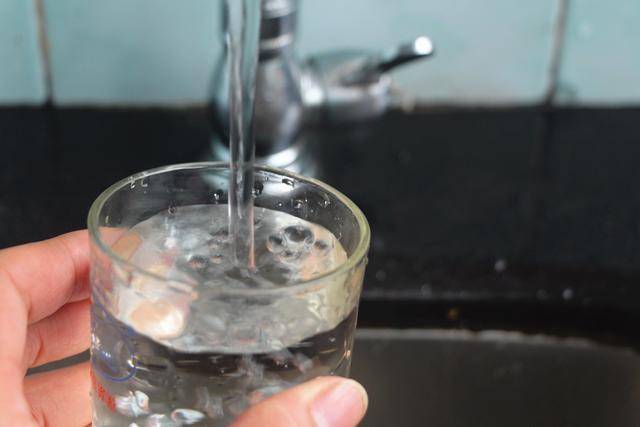
A powerful combination? Understand the chemistry and operating conditions first
First, consider the characteristics of the two disinfectants.
Chlorine dioxide (ClO₂) is a selective oxidizing disinfectant effective against many bacteria and viruses. Under suitable conditions, it can also contribute to control of certain protozoan pathogens. Compared with free chlorine, it generally forms fewer trihalomethanes, but chlorite and chlorate must be controlled.
Sodium hypochlorite (NaClO) is a widely used chlorine-based disinfectant. In water, it forms hypochlorous acid and hypochlorite ions; its disinfection performance and ability to maintain a residual depend on pH, water quality and dosing conditions.
Each chemical has its applications. Some utilities may seek the oxidation and disinfection benefits of chlorine dioxide while maintaining a chlorine residual in the distribution network. Whether such a combined process is advantageous requires engineering validation; its performance cannot simply be described as “doubled.”
Concentrated chlorine dioxide preparations and sodium hypochlorite solutions must not be poured into the same vessel or fed through shared, unengineered dosing lines. Reactions may consume active ingredients and cause gas release, corrosion and by-product formation. Separate dosing into diluted water requires its own assessment.
By-product formation: water-quality risks that require monitoring
Reactions between chlorine dioxide and chlorine-based oxidants depend on pH, concentration and water composition. The unbalanced equation in the original text cannot represent all pathways. Under certain conditions, hypochlorous acid can oxidize chlorite to chlorate, as shown by the balanced ionic equation: ClO₂⁻ + HOCl → ClO₃⁻ + Cl⁻ + H⁺. This does not mean that any contact inevitably causes a regulatory exceedance.
Chlorite (ClO₂⁻)
Chlorite is a major product of chlorine dioxide reactions in water. Its formation depends on source-water characteristics, dose and reaction conditions. In a combined process, chlorite may undergo further reactions, so its concentration cannot be assumed to increase sharply in every case.
Excessive chlorite exposure can pose health risks. China’s Standards for Drinking Water Quality (GB 5749—2022) specify limits for relevant disinfection by-products. Compliance must be assessed against the applicable criteria and analytical results, not inferred solely from the use of two disinfectants.
Chlorate (ClO₃⁻)
Chlorate can originate from impurities in sodium hypochlorite and from its decomposition during storage. It may also form through certain oxidation reactions. High temperatures and prolonged storage can increase chlorate in hypochlorite solutions; chemical quality and dosing practices both matter.
Potential health concerns associated with chlorate include oxidative effects, particularly on blood. It should not be described as a proven carcinogen without adequate evidence. Drinking-water chlorate should be controlled in accordance with GB 5749—2022 and the applicable monitoring requirements.
The central precaution is therefore to avoid unassessed chemical mixing and dosing, rather than rejecting every properly engineered sequential-disinfection process.
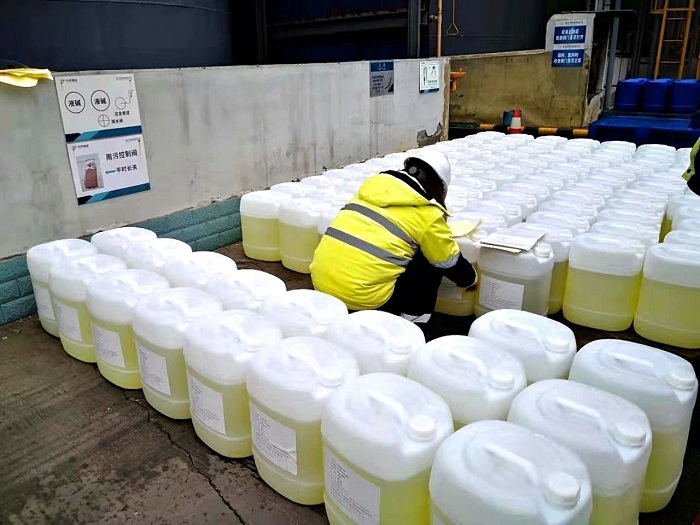
Why do operators consider combined use?
In practice, operators may wish to use the different strengths of each disinfectant or establish a backup process during equipment maintenance.
For example, engineered sequential dosing may seek effective primary disinfection while preserving a residual in the distribution network. Any claimed benefit must be verified through microbial performance, disinfectant residuals and by-product monitoring.
When a chlorine dioxide system fails, sodium hypochlorite may be used as an approved backup disinfectant. Before switching, operators must check independent storage and dosing systems, contact time and process settings to prevent concentrated chemicals from coming into contact.
Assuming that “one plus one must exceed two” is a misconception. Process selection should prioritize drinking-water safety and regulatory compliance rather than the number of chemicals used.
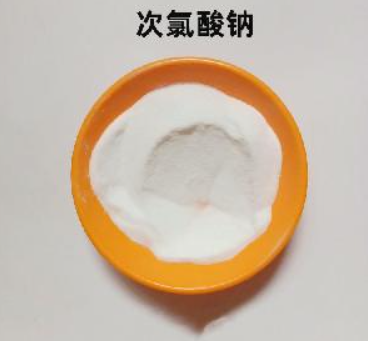
Safety first: proper disinfectant use
The key distinction is between prohibited direct mixing of concentrated chemicals and validated dosing at separate locations or stages.
Never combine concentrated chlorine dioxide preparations and sodium hypochlorite stock solutions in the same tank, metering pump or unverified piping. Such practices may trigger hazardous reactions, irritating gas release, equipment damage and water-quality problems. Follow safety data sheets and site procedures.
If sequential dosing is necessary, qualified specialists should design the dosing locations based on hydraulic retention time, residual oxidants, pH and water quality, then validate performance through trials or operating data.
There is no universal requirement that the first disinfectant must be completely depleted before the second is dosed. Nor is pipe distance alone a sufficient safety criterion. Prevent concentrated chemical contact and assess actual residuals, mixing and by-product formation at each dosing point.
Monitoring should cover chemical dose, residual chlorine dioxide or chlorine, microbiological indicators, and relevant by-products including chlorite and chlorate. Online instruments and laboratory testing can be combined according to capability, applicable standards and operating needs.
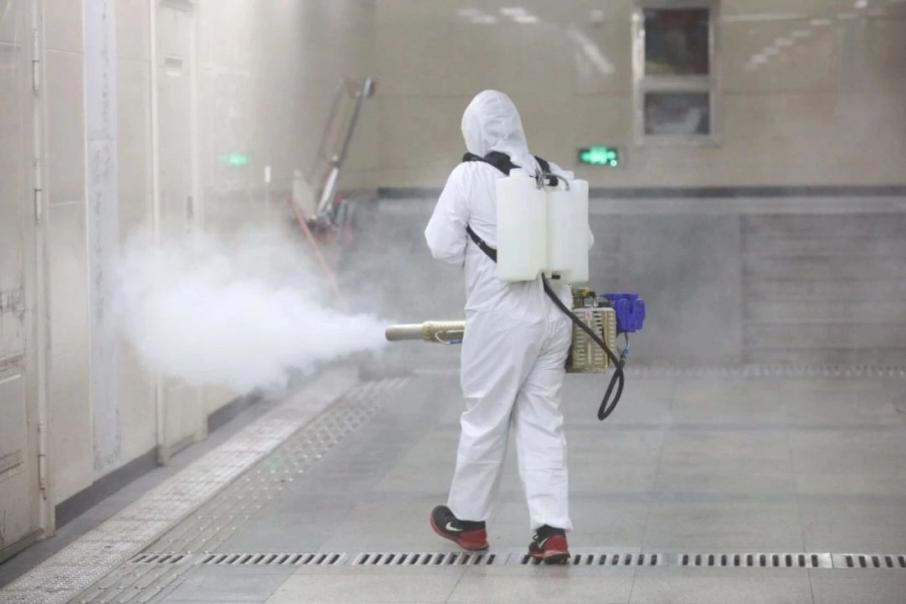
Alternative approaches: choose disinfectants for the actual process
Chlorine dioxide is an effective drinking-water disinfectant, but it is not superior to sodium hypochlorite under all conditions, and its use alone does not guarantee all disinfection and distribution-residual objectives. Selection must consider source-water organics, microbial hazards, contact conditions, network needs and chlorite/chlorate control.
Xiuba chlorine dioxide disinfectants may be considered where their approved uses and operating conditions are appropriate. Product selection and dosing should be based on authorization, technical documentation, water-quality trials and monitoring results.
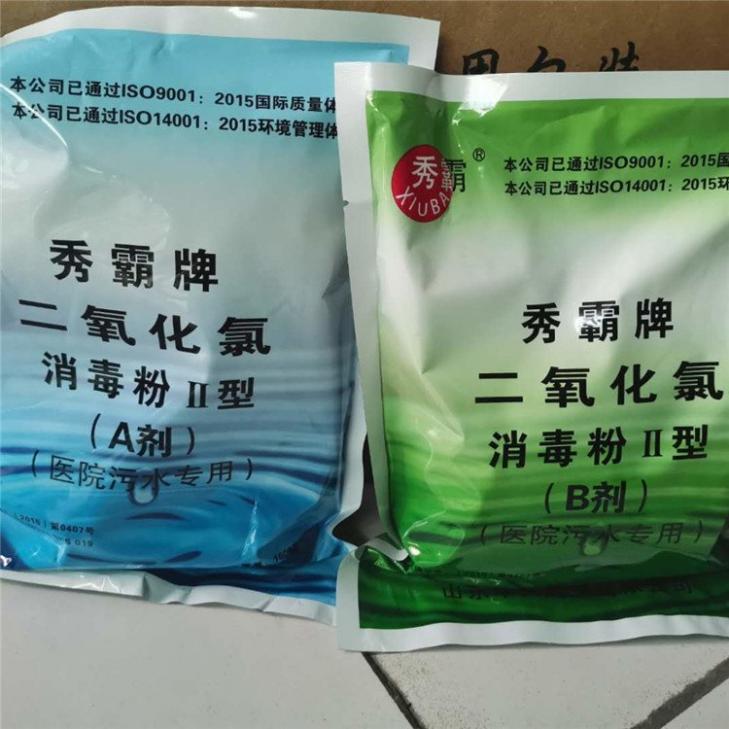
Disinfection must control pathogens while limiting chemical by-product risks. Drinking-water and food-production water systems should avoid unvalidated direct chemical mixing, follow applicable standards and continuously manage critical water-quality indicators.

Chlorine dioxide generators are prone to producing chlorate byproducts in water treatment, which can be caused by factors such as imbalanced raw material ratios, unsuitable reaction temperatures, and equipment aging or malfunctions. Byproducts can be reduced by precisely controlling raw material ratios, optimizing reaction conditions, overhauling equipment, strengthening water quality monitoring, and implementing emergency procedures for exceeding standards. Simultaneously, proper personnel training, regular maintenance, and the use of high-purity raw materials can ensure water quality safety.
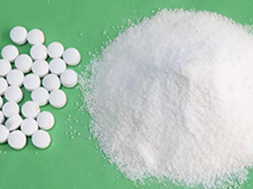
Chlorine dioxide and sodium hypochlorite cannot be mixed. When they meet, they react to produce excessive amounts of chlorite and chlorate, posing a health hazard and an explosion risk. Even if the process requires sequential addition, sufficient reaction time must be ensured and strict monitoring is maintained. Chlorine dioxide should be used alone whenever possible, and the use of disinfectants must adhere to scientific guidelines.

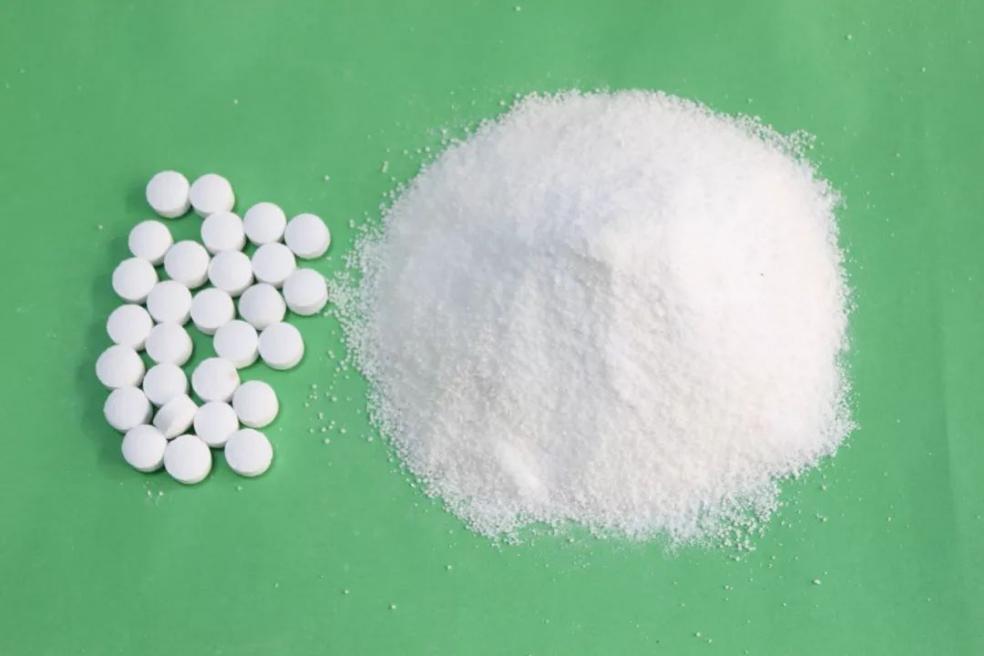
Currently, Huashi Pharmaceutical's Xiuba Chlorine Dioxide Disinfectant is available in the market in two formulations: single-component and dual-component (A/B agents), with powder and tablet forms. What is the relationship between these products? First, it is essential to understand that chlorine dioxide itself is a gas. The solid products sold on the market are precursors to chlorine dioxide, meaning these white powders undergo chemical reactions to produce chlorine dioxide. The primary raw materials include sodium chlorite, acid, and activators. Therefore, strictly speaking, when you purchase Xiuba disinfectant, you are not buying chlorine dioxide directly but rather a chlorine dioxide generator, as the product only produces chlorine dioxide when reacting with water.
Xiuba disinfectant powder comes in single-component and dual-component forms. Generally, the dual-component powder consists of:
- Agent A: Solid chlorine dioxide precursor (e.g., sodium chlorite).
- Agent B: Acid, which acts as an activator for chlorine dioxide.
The dual-component powder is essentially a simple packaging of raw materials with low technical complexity. However, separating Agents A and B effectively prevents accidental chemical reactions, enhancing safety. The single-component powder involves encapsulating and passivating sodium chlorite to prevent reactions with acid under dry conditions. However, in water, the contact area between sodium chlorite and acid increases, facilitating the reaction. Both single and dual-component powders require activation in a small volume of water before being applied to ponds. In large bodies of water, the acidic environment necessary for chlorine dioxide generation may not form adequately, leading to low yield and wasted resources.
Chlorine dioxide tablets are produced through compression, combining fillers and binders. Effervescent tablets are designed for rapid reaction upon contact with water. And it has the following advantages:
- Convenient for small-dose applications.
- No need to prepare a stock solution—simply toss the tablet into the water.
- Sinks to the bottom, releasing chlorine dioxide for effective bottom disinfection and sediment treatment.
Comparison of Powder and Tablets:
1. Cost: Powder is generally cheaper than tablets.
2. Ease of Use:
- Powder requires mixing Agents A and B to prepare a stock solution. During activation, chlorine dioxide gas may escape, leading to loss and potential health risks for operators due to inhalation.
- Tablets are user-friendly, requiring no activation—just direct application.
3. Application Scope:
- Powder is more effective for surface water disinfection, benefiting upper-layer aquatic life.
- Tablets target bottom-layer disinfection and sediment improvement.
Conclusion:
Considering safety and operational convenience, tablets—especially effervescent tablets—represent the future of solid chlorine dioxide products in aquaculture. For 18 years, Huashi's Xiuba brand has been committed to producing affordable, fast-dissolving, high-yield chlorine dioxide tablets, serving thousands of enterprises and earning an excellent industry reputation.
In 1811, the American scientist Humphry Davy successfully synthesized and collected chlorine dioxide gas. By 1944, chlorine dioxide was being used as a disinfectant in drinking water treatment in the United States. In 1996, China introduced a patented technology titled "Disinfection Process Using Chlorine Dioxide for Preventing and Controlling Infectious Diseases in Aquaculture" (Patent No.: 96121265.9). By 2014, 17 years later, chlorine dioxide (ClO₂) had captured approximately 60% of the market share in aquaculture disinfectants.
Chlorine dioxide is capable of eliminating all microorganisms in aquaculture water, including bacterial propagules, mycobacteria, bacterial spores, fungi, and various viruses. It exhibits strong adsorption and penetration abilities against microbial cell walls, effectively oxidizing sulfhydryl-containing enzymes within cells and rapidly inhibiting microbial protein synthesis to destroy pathogens. However, its destructive power against eukaryotic cells is extremely weak. Fish, as vertebrate animals with eukaryotic cell structures, are largely unaffected because chlorine dioxide cannot penetrate their enzyme systems.
Concerns about the potential hazards of chlorine dioxide often stem from unethical manufacturers who adulterate their products with trichloroisocyanuric acid or dichloroisocyanurate, falsely labeling them as chlorine dioxide. In reality, chlorine dioxide is widely recognized globally as an environmentally friendly disinfectant. It is also one of the most cost-effective disinfectants for aquaculture, with 90% of aquaculture practitioners having experience using it.
Xiuba Chlorine Dioxide Solemnly Promises to Users:
We firmly guarantee that our products never contain trichloroisocyanuric acid or dichloroisocyanurate as adulterants. Our disinfectants are stable, reliable, and of premium quality—you can purchase with confidence!
Chlorine dioxide is a fourth-generation disinfectant. When compared to chlorine-based disinfectants (bleaching powder and trichloroisocyanuric acid), it offers the following advantages:
1. Broad-Spectrum Efficacy: Chlorine dioxide effectively kills bacteria, viruses, fungi, algae, and even protozoa. Its oxidation capacity is **26 times stronger than chlorine gas** (by weight, chlorine gas has 100% available chlorine, while chlorine dioxide has 263%) and **3-4 times stronger than sodium hypochlorite** (the active component in bleaching powder and trichloroisocyanuric acid).
2. Low Dosage & Ease of Use:
- Chlorine dioxide is harmless to the cells of higher animals (e.g., fish).
- Tablets can be directly applied to water, making usage convenient and safe.
- Pathogens do not develop resistance even with frequent use.
3. Stable Performance Under Varied Conditions:
- pH Independence: Works equally well in pH 6–10, unlike chlorine-based disinfectants (e.g., bleaching powder), which lose 50% efficacy at pH 7 and decline further as pH rises.
- **Unaffected by Ammonia & Organic Matter**: Chlorine-based disinfectants react with ammonia/organics to form toxic chloramines and organic amines, reducing efficacy. Chlorine dioxide avoids these byproducts, maintaining consistent performance.
4. Superior Deodorization:
- At 1 mg/L, chlorine dioxide removes **84.3% of hydrogen sulfide** (vs. 35.9% for liquid chlorine), making it far more effective at eliminating foul odors in water.
5. Sediment Oxidation:
- Chlorine dioxide oxidizes iron and manganese in black, odorous sludge, improving pond bottom conditions—a function chlorine-based disinfectants lack.
Xiuba Chlorine Dioxide Disinfectant is not classified as a hazardous chemical under general regulations. However, for export purposes, it falls under “Class 5.1 Oxidizing Substances” (UN Hazard Class).
We possess an official “Chemical Classification Inspection Report” issued by Qingdao Customs (China), which clearly confirms this conclusion.
We are a professional manufacturer for 40 years, we can provide high quality chrine dioxide disinfectant products, competitive prices and excellent services.
Northeast of Huangshan Road and Chuangye Intersection, Small and Medium sized Enterprise Entrepreneurship Industrial Park, Shanwang Town, Linqu County, Weifang City, Shandong Province
Copyright © 2025 by Shandong Huashi Pharmaceutical Co., Ltd All Rights Reserved


 Language
 中文
 Русский
 Chlorine Dioxide Disinfectant Manufacturer


