Welcome to Our Factory for a Visit! Free customized disinfection solutions
In water treatment, incomplete conversion of feed chemicals, generator faults and subsequent reactions in treated water can all increase chlorate concentrations. Elevated chlorate may indicate process problems and compromise drinking-water quality. This article outlines a systematic approach to diagnosis and control.
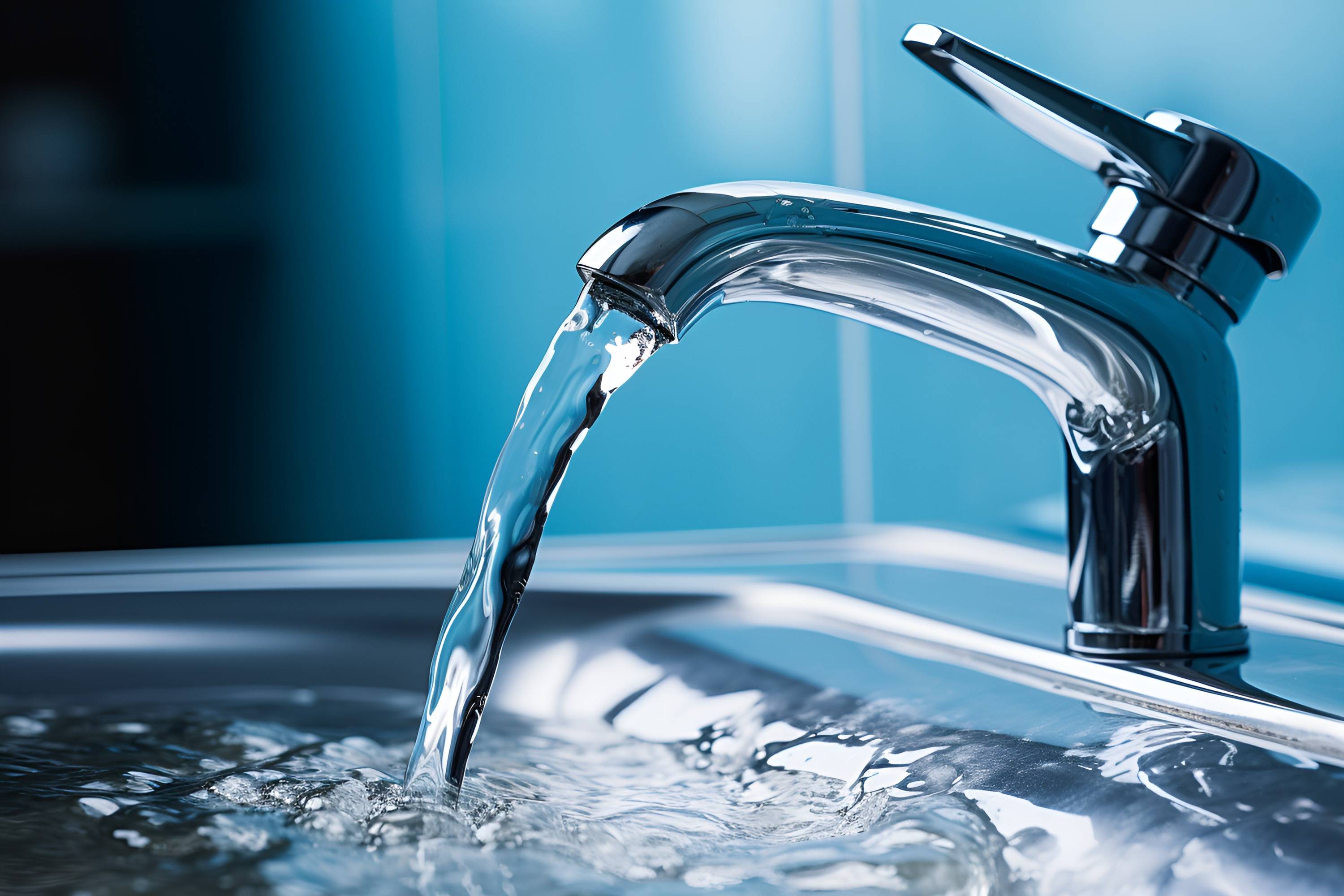
I. Where does chlorate come from?
The source of chlorate depends on the generator chemistry. Residual feed chemicals, impurities and chlorate formed during generation or subsequent treatment must be distinguished.
In generators using sodium chlorate and hydrochloric acid, feed deviations may cause incomplete conversion and carry residual chlorate into the water. Excess acid does not necessarily generate chlorate. Generators based on sodium chlorite may also introduce chlorate through impurities or side reactions.
Deviations in temperature, residence time or mixing from design conditions may reduce conversion efficiency. Faults in metering pumps, mixers or controls can also disrupt operation. In addition, subsequent use of chlorine-based disinfectants may convert chlorite into chlorate, so the entire treatment process should be investigated.
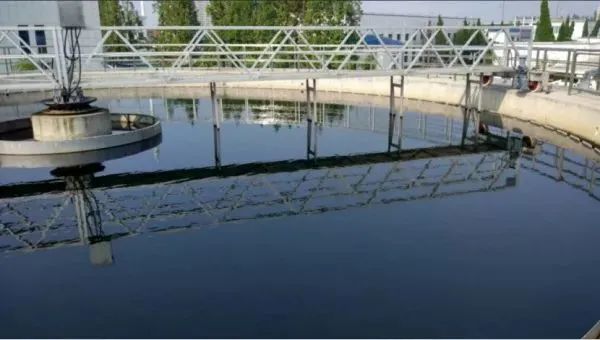
II. Systematic solutions
First identify the generator type and source of the abnormality, then address the following five areas in accordance with the equipment manual and approved plant procedures.
1. Accurate control of feed chemicals
Feed deviations can affect conversion efficiency. Authorized personnel should verify the metering system against manufacturer-validated operating conditions rather than use a universal molar ratio. Calibrate pumps according to the maintenance plan, check reagent batches, concentrations and quality certificates, and confirm them using suitable laboratory methods when necessary. Ordinary test strips are not a substitute for quantitative reagent analysis.
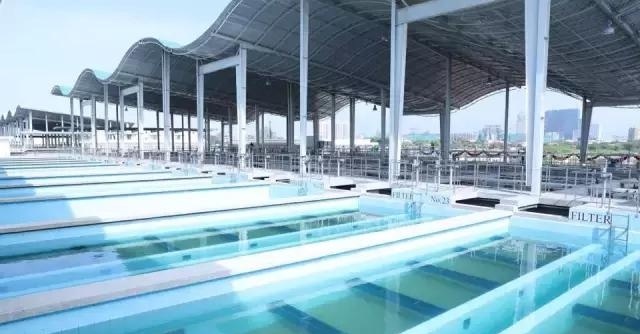
2. Verify reaction conditions
Reaction temperature and residence time must meet the design requirements of the specific model; fixed universal values are inappropriate. Review operating records, sensors and alarms. Handle deviations under approved procedures and have the manufacturer or qualified specialists establish the cause. Do not modify reactor construction or safety interlocks without authorization.
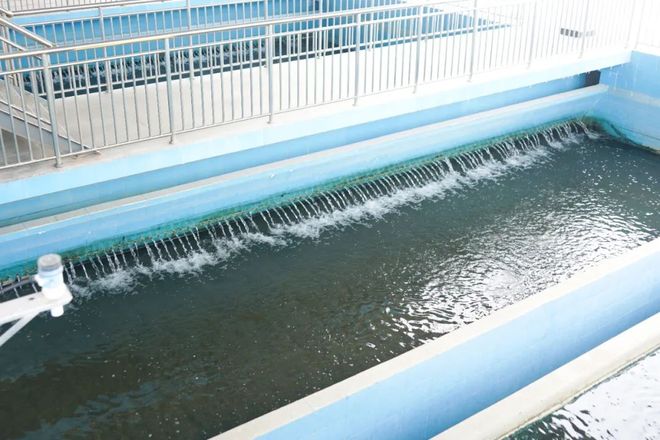
3. Inspect equipment condition
Aging or faulty equipment may cause uneven mixing, abnormal dosing or leakage. Schedule shutdown maintenance as specified by the manufacturer, inspect nozzles, mixers, pipes, valves and seals, and verify applicable temperature, pressure and pH instruments. Set maintenance intervals according to equipment condition and risk, with appropriate isolation, protection and ventilation during servicing.
4. Monitoring and corrective action
Maintain records of reagent quality, equipment operation and water quality. Compare measurements at the generator outlet and in treated water to identify chlorate sources. Validated online instruments or laboratory ion chromatography may be used to measure chlorate and chlorite; also monitor chlorine dioxide residual and applicable chlorine residuals. Under China’s GB 5749-2022, the drinking-water limits for chlorate and chlorite are both 0.7 mg/L, subject to the standard’s applicability provisions. Sampling frequency should reflect regulations, process risks and abnormal conditions.
5. Emergency response
If chlorate exceeds the applicable limit, immediately activate the plant emergency plan, prevent noncompliant water from entering the distribution network and report as required. Qualified personnel should investigate reagents, the generator and downstream treatment. If necessary, shut down safely and activate a validated backup disinfection system while maintaining microbiological safety. Do not arbitrarily reduce acid feed or substitute simple dilution for corrective action. Resume normal operation only after corrective measures and confirmatory testing establish compliance.
III. Prevention is better than remediation
Routine prevention is as important as responding to abnormalities.
Train operators regularly in equipment principles, safety procedures, alarm response and emergency protocols. Establish a maintenance plan based on equipment requirements and operational risk, including inspection, calibration and documentation. Select reagents meeting equipment specifications and applicable drinking-water treatment hygiene requirements, and verify batch quality and storage conditions to reduce risks from impurities and degradation.
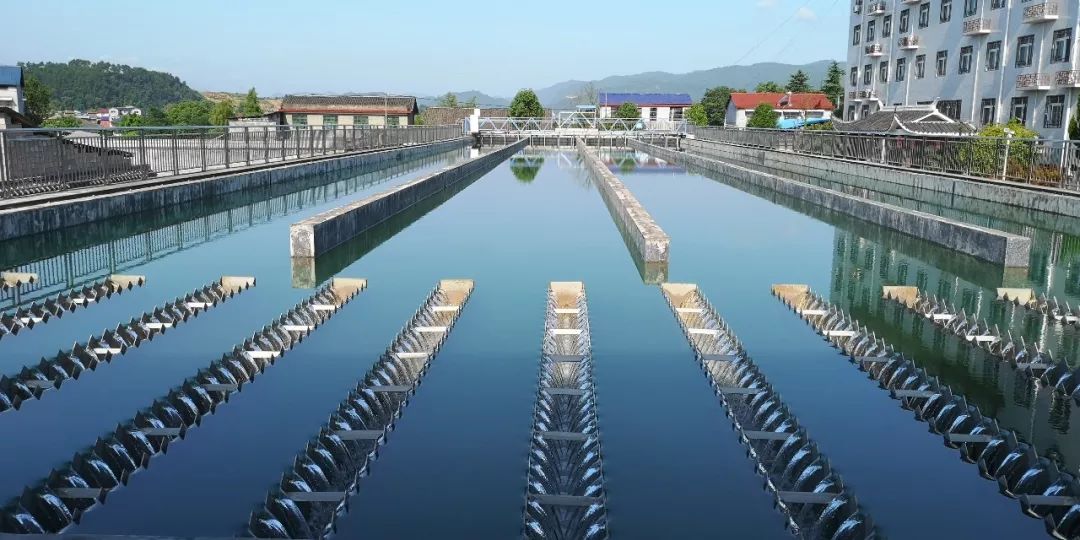
Controlling generator-related chlorate requires attention to reagent quality, equipment condition, process conditions and water quality monitoring, together with downstream treatment. Proper maintenance, timely corrective action and analytical verification can improve disinfection reliability and support drinking-water safety.
Chlorine dioxide generators are prone to producing chlorate byproducts in water treatment, which can be caused by factors such as imbalanced raw material ratios, unsuitable reaction temperatures, and equipment aging or malfunctions. Byproducts can be reduced by precisely controlling raw material ratios, optimizing reaction conditions, overhauling equipment, strengthening water quality monitoring, and implementing emergency procedures for exceeding standards. Simultaneously, proper personnel training, regular maintenance, and the use of high-purity raw materials can ensure water quality safety.
Chlorine dioxide and sodium hypochlorite cannot be mixed. When they meet, they react to produce excessive amounts of chlorite and chlorate, posing a health hazard and an explosion risk. Even if the process requires sequential addition, sufficient reaction time must be ensured and strict monitoring is maintained. Chlorine dioxide should be used alone whenever possible, and the use of disinfectants must adhere to scientific guidelines.

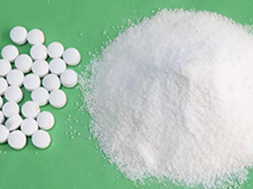
Currently, Huashi Pharmaceutical's Xiuba Chlorine Dioxide Disinfectant is available in the market in two formulations: single-component and dual-component (A/B agents), with powder and tablet forms. What is the relationship between these products? First, it is essential to understand that chlorine dioxide itself is a gas. The solid products sold on the market are precursors to chlorine dioxide, meaning these white powders undergo chemical reactions to produce chlorine dioxide. The primary raw materials include sodium chlorite, acid, and activators. Therefore, strictly speaking, when you purchase Xiuba disinfectant, you are not buying chlorine dioxide directly but rather a chlorine dioxide generator, as the product only produces chlorine dioxide when reacting with water.
Xiuba disinfectant powder comes in single-component and dual-component forms. Generally, the dual-component powder consists of:
- Agent A: Solid chlorine dioxide precursor (e.g., sodium chlorite).
- Agent B: Acid, which acts as an activator for chlorine dioxide.
The dual-component powder is essentially a simple packaging of raw materials with low technical complexity. However, separating Agents A and B effectively prevents accidental chemical reactions, enhancing safety. The single-component powder involves encapsulating and passivating sodium chlorite to prevent reactions with acid under dry conditions. However, in water, the contact area between sodium chlorite and acid increases, facilitating the reaction. Both single and dual-component powders require activation in a small volume of water before being applied to ponds. In large bodies of water, the acidic environment necessary for chlorine dioxide generation may not form adequately, leading to low yield and wasted resources.
Chlorine dioxide tablets are produced through compression, combining fillers and binders. Effervescent tablets are designed for rapid reaction upon contact with water. And it has the following advantages:
- Convenient for small-dose applications.
- No need to prepare a stock solution—simply toss the tablet into the water.
- Sinks to the bottom, releasing chlorine dioxide for effective bottom disinfection and sediment treatment.
Comparison of Powder and Tablets:
1. Cost: Powder is generally cheaper than tablets.
2. Ease of Use:
- Powder requires mixing Agents A and B to prepare a stock solution. During activation, chlorine dioxide gas may escape, leading to loss and potential health risks for operators due to inhalation.
- Tablets are user-friendly, requiring no activation—just direct application.
3. Application Scope:
- Powder is more effective for surface water disinfection, benefiting upper-layer aquatic life.
- Tablets target bottom-layer disinfection and sediment improvement.
Conclusion:
Considering safety and operational convenience, tablets—especially effervescent tablets—represent the future of solid chlorine dioxide products in aquaculture. For 18 years, Huashi's Xiuba brand has been committed to producing affordable, fast-dissolving, high-yield chlorine dioxide tablets, serving thousands of enterprises and earning an excellent industry reputation.
In 1811, the American scientist Humphry Davy successfully synthesized and collected chlorine dioxide gas. By 1944, chlorine dioxide was being used as a disinfectant in drinking water treatment in the United States. In 1996, China introduced a patented technology titled "Disinfection Process Using Chlorine Dioxide for Preventing and Controlling Infectious Diseases in Aquaculture" (Patent No.: 96121265.9). By 2014, 17 years later, chlorine dioxide (ClO₂) had captured approximately 60% of the market share in aquaculture disinfectants.
Chlorine dioxide is capable of eliminating all microorganisms in aquaculture water, including bacterial propagules, mycobacteria, bacterial spores, fungi, and various viruses. It exhibits strong adsorption and penetration abilities against microbial cell walls, effectively oxidizing sulfhydryl-containing enzymes within cells and rapidly inhibiting microbial protein synthesis to destroy pathogens. However, its destructive power against eukaryotic cells is extremely weak. Fish, as vertebrate animals with eukaryotic cell structures, are largely unaffected because chlorine dioxide cannot penetrate their enzyme systems.
Concerns about the potential hazards of chlorine dioxide often stem from unethical manufacturers who adulterate their products with trichloroisocyanuric acid or dichloroisocyanurate, falsely labeling them as chlorine dioxide. In reality, chlorine dioxide is widely recognized globally as an environmentally friendly disinfectant. It is also one of the most cost-effective disinfectants for aquaculture, with 90% of aquaculture practitioners having experience using it.
Xiuba Chlorine Dioxide Solemnly Promises to Users:
We firmly guarantee that our products never contain trichloroisocyanuric acid or dichloroisocyanurate as adulterants. Our disinfectants are stable, reliable, and of premium quality—you can purchase with confidence!
Chlorine dioxide is a fourth-generation disinfectant. When compared to chlorine-based disinfectants (bleaching powder and trichloroisocyanuric acid), it offers the following advantages:
1. Broad-Spectrum Efficacy: Chlorine dioxide effectively kills bacteria, viruses, fungi, algae, and even protozoa. Its oxidation capacity is **26 times stronger than chlorine gas** (by weight, chlorine gas has 100% available chlorine, while chlorine dioxide has 263%) and **3-4 times stronger than sodium hypochlorite** (the active component in bleaching powder and trichloroisocyanuric acid).
2. Low Dosage & Ease of Use:
- Chlorine dioxide is harmless to the cells of higher animals (e.g., fish).
- Tablets can be directly applied to water, making usage convenient and safe.
- Pathogens do not develop resistance even with frequent use.
3. Stable Performance Under Varied Conditions:
- pH Independence: Works equally well in pH 6–10, unlike chlorine-based disinfectants (e.g., bleaching powder), which lose 50% efficacy at pH 7 and decline further as pH rises.
- **Unaffected by Ammonia & Organic Matter**: Chlorine-based disinfectants react with ammonia/organics to form toxic chloramines and organic amines, reducing efficacy. Chlorine dioxide avoids these byproducts, maintaining consistent performance.
4. Superior Deodorization:
- At 1 mg/L, chlorine dioxide removes **84.3% of hydrogen sulfide** (vs. 35.9% for liquid chlorine), making it far more effective at eliminating foul odors in water.
5. Sediment Oxidation:
- Chlorine dioxide oxidizes iron and manganese in black, odorous sludge, improving pond bottom conditions—a function chlorine-based disinfectants lack.
Xiuba Chlorine Dioxide Disinfectant is not classified as a hazardous chemical under general regulations. However, for export purposes, it falls under “Class 5.1 Oxidizing Substances” (UN Hazard Class).
We possess an official “Chemical Classification Inspection Report” issued by Qingdao Customs (China), which clearly confirms this conclusion.
We are a professional manufacturer for 40 years, we can provide high quality chrine dioxide disinfectant products, competitive prices and excellent services.
Northeast of Huangshan Road and Chuangye Intersection, Small and Medium sized Enterprise Entrepreneurship Industrial Park, Shanwang Town, Linqu County, Weifang City, Shandong Province
Copyright © 2025 by Shandong Huashi Pharmaceutical Co., Ltd All Rights Reserved


 Language
 中文
 Русский
 Chlorine Dioxide Disinfectant Manufacturer


