Welcome to Our Factory for a Visit! Free customized disinfection solutions

Every small procedure on the food production assembly line bears on the bottom line of food safety. Above all, the cleanliness of process water is of vital importance. Whether it’s washing fruits, vegetables and meat or food processing, water quality directly determines the safety and flavor of finished products.
Recently, many practitioners in the food industry have had doubts: if process water is sterilized by boiling, it should be clean. Is chlorine dioxide disinfectant still necessary? Today we will elaborate on this topic and clear up all your confusion.
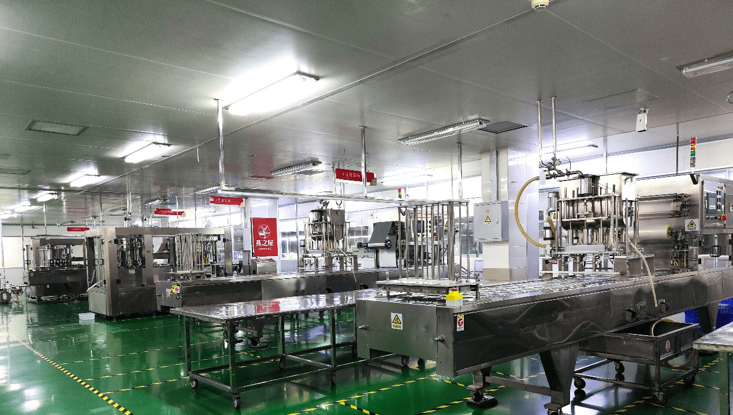
I. Core Question: Can High-Temperature Treated Water Achieve Permanent Sanitation?
High-temperature sterilization is a traditional treatment method adopted by the food industry, yet many workers hold the misconception that boiled water is completely safe. This view has obvious loopholes in actual production.
Process water in food factories covers formulation water for beverages and sauces, equipment cleaning water and floor disinfection water. Though high-temperature treatment can eliminate most microorganisms, hidden risks that are easily overlooked still remain:
High heat can kill common bacteria and viruses, yet it barely inactivate highly heat-resistant microbial spores, such as Clostridium botulinum spores and Bacillus subtilis spores. These heat-resistant microbes go dormant under high temperatures. Once they flow into suitable environments like water storage tanks and delivery pipelines, they reproduce rapidly and turn into pollution sources.
Water treated at high temperatures must be transported through pipelines and stored in tanks before reaching each production procedure. Biofilms, protective layers formed by accumulated microorganisms, easily grow on pipeline inner walls and tank dead corners. High temperature cannot remove biofilms, which instead become breeding grounds for secondary contamination. As water flows through pipelines, microorganisms inside biofilms continuously shed into the water and contaminate the originally clean water.
It can be seen that high-temperature treatment only achieves one-time sterilization and cannot solve the problem of continuous subsequent contamination. Chlorine dioxide disinfection can perfectly fill this safety loophole.
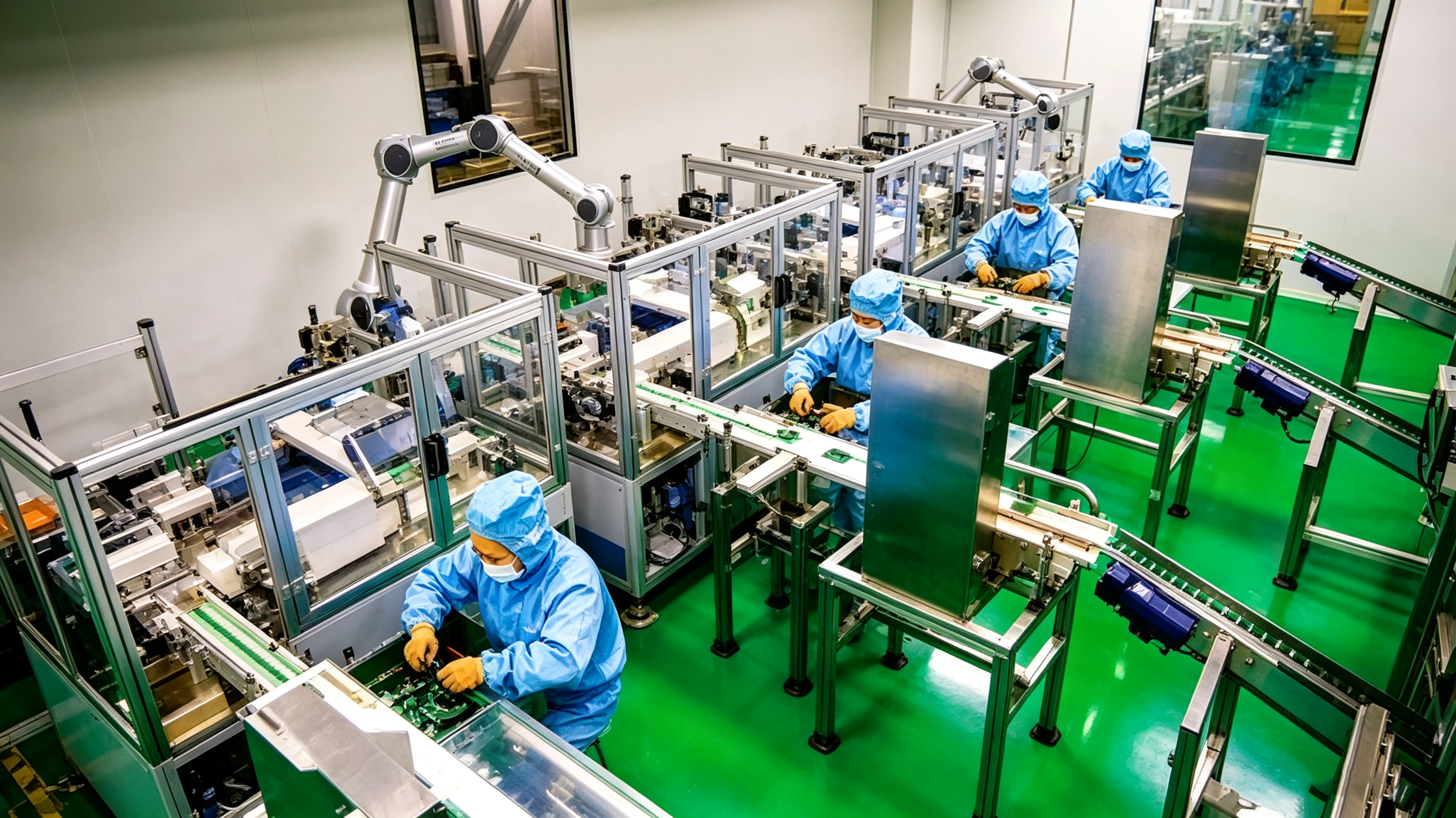
II. Industry Pain Points: Why Is Secondary Contamination of Process Water Hard to Eradicate?
The difficulties food enterprises face in water safety control mainly lie in the prevention and control of secondary contamination, which can be sorted into three tough problems:
1. Concealed Microorganisms
Heat-resistant spores and microbes attached to biofilms hide in pipeline gaps and tank blind zones, which can hardly be detected by routine water quality tests. By the time finished products develop off-odors and spoilage, contamination has spread widely, making source tracing extremely difficult.
2. Limitations of Traditional Disinfection Methods
Apart from high-temperature treatment, some factories adopt ultraviolet or ozone disinfection. UV disinfection requires high water clarity and fails to fully sanitize shaded areas inside pipelines; ozone disinfection leaves no persistent bacteriostatic effect, so water can still be contaminated during transportation. Neither of the two methods can build a full-process water quality protection system.
3. Difficulty in Balancing Disinfection Cost and Safety Standards
Excessive disinfectant dosage leads to excessive disinfectant residues and ruins the original flavor of food; insufficient dosage sharply increases the risk of microbial excess. Finding a balance between efficient sterilization and compliant residual levels is an urgent problem for many factories.
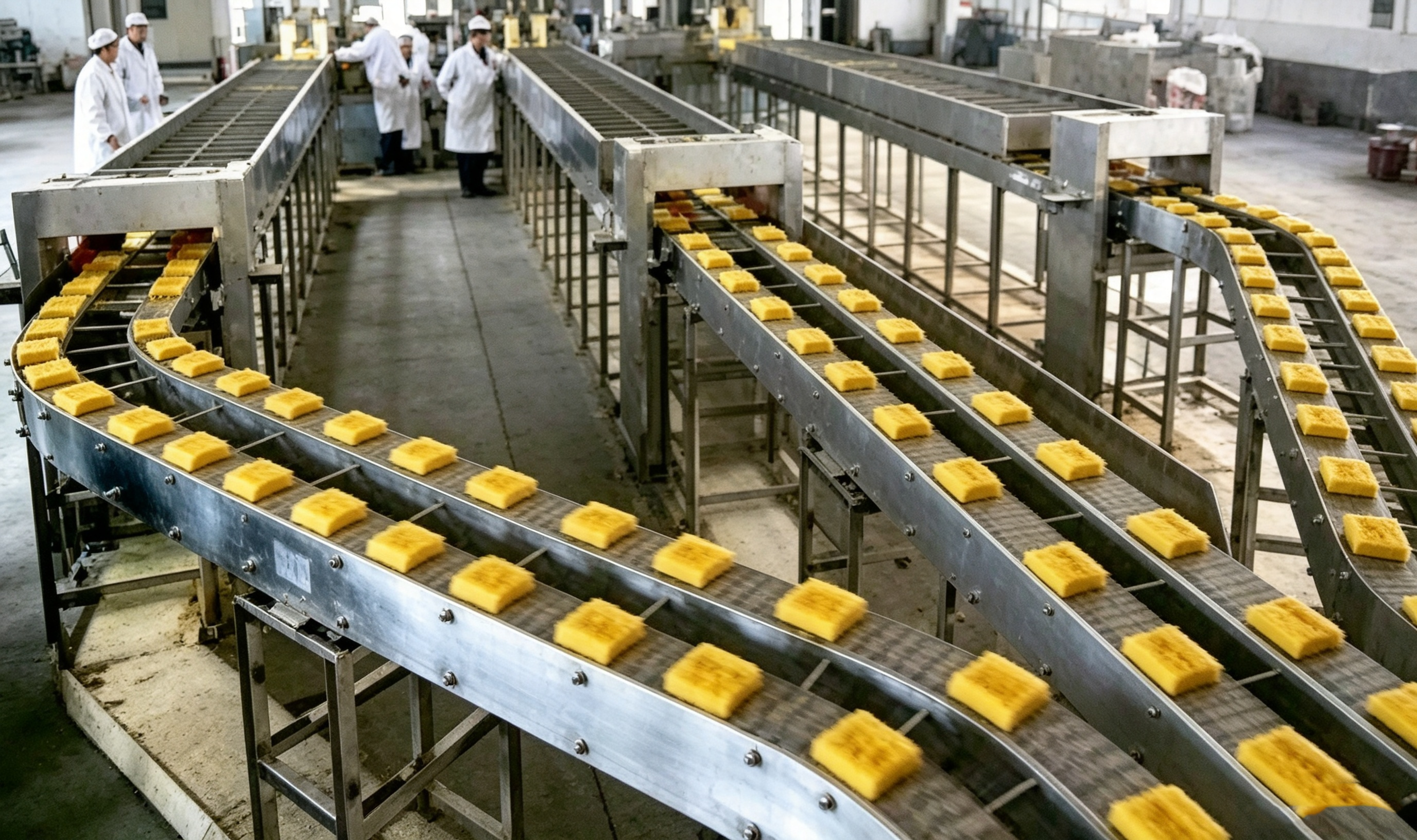
III. Solution: Chlorine Dioxide Disinfection to Build Double Safety Protection for Process Water
Since standalone high-temperature treatment has deficiencies, what loopholes can chlorine dioxide disinfection make up for? Its core strengths lie in high sterilization efficiency, long-lasting bacteriostasis and diversified functions, which can solve the above problems from three dimensions:
1. Thoroughly Eliminate Persistent Microbes Without Sanitation Blind Spots
Chlorine dioxide features broad-spectrum bactericidal performance and works against bacteria, viruses, heat-resistant spores and biofilms. It can rapidly penetrate microbial cell walls, destroy microbial enzyme systems and block microbial reproduction at the source. Experimental data shows that low-concentration chlorine dioxide of 0.2–1.0 mg/L achieves a 99.99% kill rate against Escherichia coli and Staphylococcus aureus, with far better sporicidal effects than traditional disinfectants.
2. Long-Lasting Bacteriostatic Protection to Block Secondary Contamination
High-temperature treatment only completes one-time sterilization. Continuous dosing of chlorine dioxide maintains stable effective concentrations in pipelines and water storage tanks to form a dynamic protective barrier. Even if a small amount of microorganisms enter the water later, they can be killed instantly to stop contamination spread. It is a core method to stabilize water quality for food factories with complex pipeline layouts and numerous water-consuming procedures.
3. Multiple Water Quality Improvements to Gain Multiple Benefits at Once
Besides sterilization, chlorine dioxide can remove metal impurities such as iron and manganese in water and eliminate water discoloration and peculiar smells caused by algae growth. For instance, water treated with chlorine dioxide can reduce earthy off-notes in finished beverages during beverage production; in fruit and vegetable washing procedures, it prevents dull discoloration caused by iron ions and optimizes product appearance.
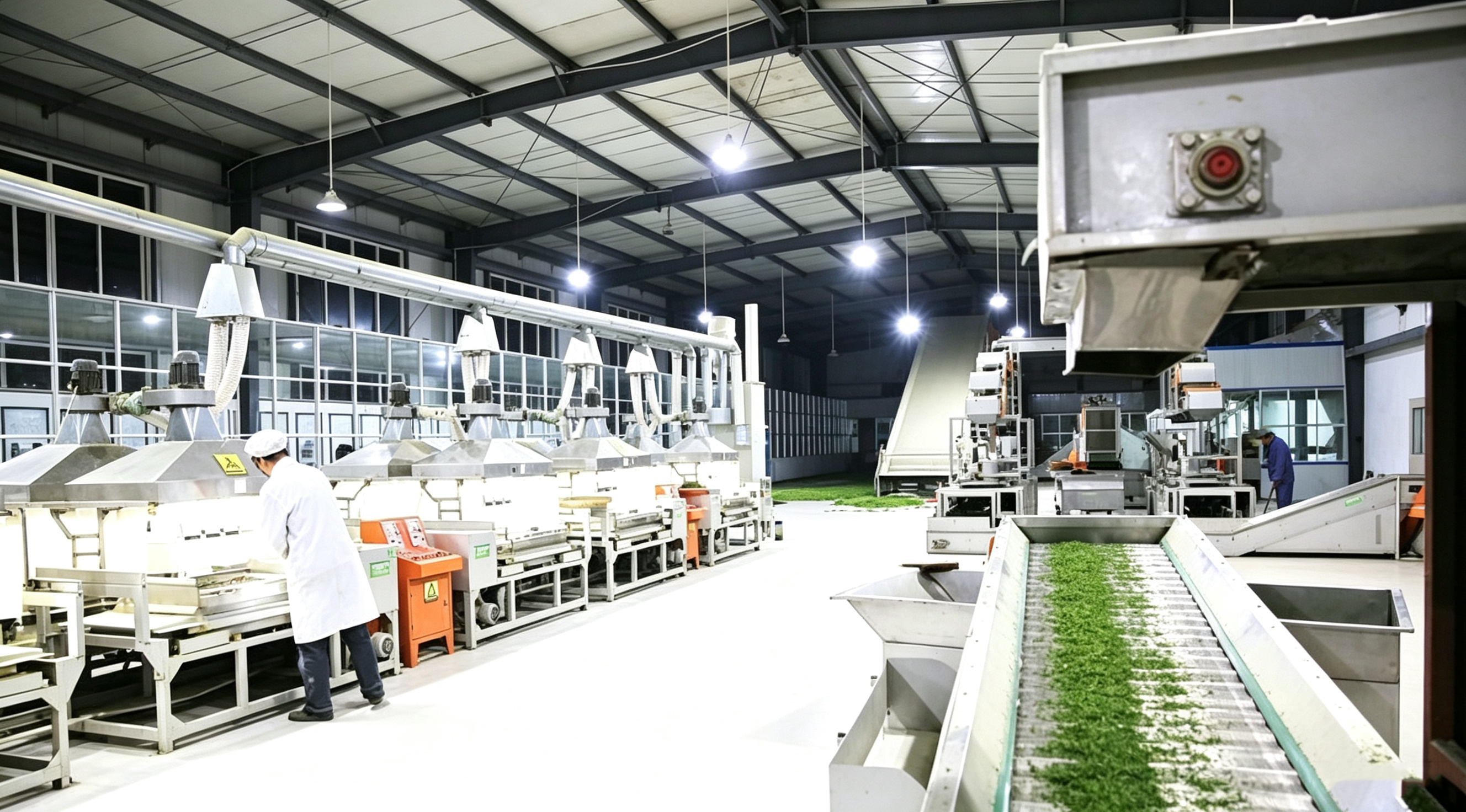
IV. Value Upgrade: From Compliant Production to High-Grade Finished Goods With Tangible Practical Benefits
Adding a chlorine dioxide disinfection procedure after high-temperature treatment not only upgrades food safety standards, but also generates tangible production benefits:
1. Reduce Risks of Quality Accidents and Cut Economic Losses
A fruit juice processing plant once faced excessive mold in batch finished products due to pipeline secondary contamination, incurring over one million RMB losses from product recalls. After adopting the combined disinfection solution of high temperature plus chlorine dioxide, no microbial index excess occurred for three consecutive years, saving more than 200,000 RMB on testing, rework and scrap costs every year.
2. Optimize Production Processes and Improve Operational Efficiency
Chlorine dioxide works at normal temperature without high-temperature activation, cutting energy consumption from repeated water heating. Meanwhile, this disinfectant has extremely low corrosiveness to equipment, extending the service life of pipelines and water tanks and reducing downtime for equipment maintenance.
3. Comply With Standards and Expand Market Access
As food safety regulations grow increasingly stringent, complete full-process water disinfection records have become mandatory audit items during factory inspections. Chlorine dioxide disinfection enables manufacturers to meet water quality requirements laid out in GB 14881 General Hygienic Specifications for Food Production, and creates competitive advantages for export business and premium market entry.
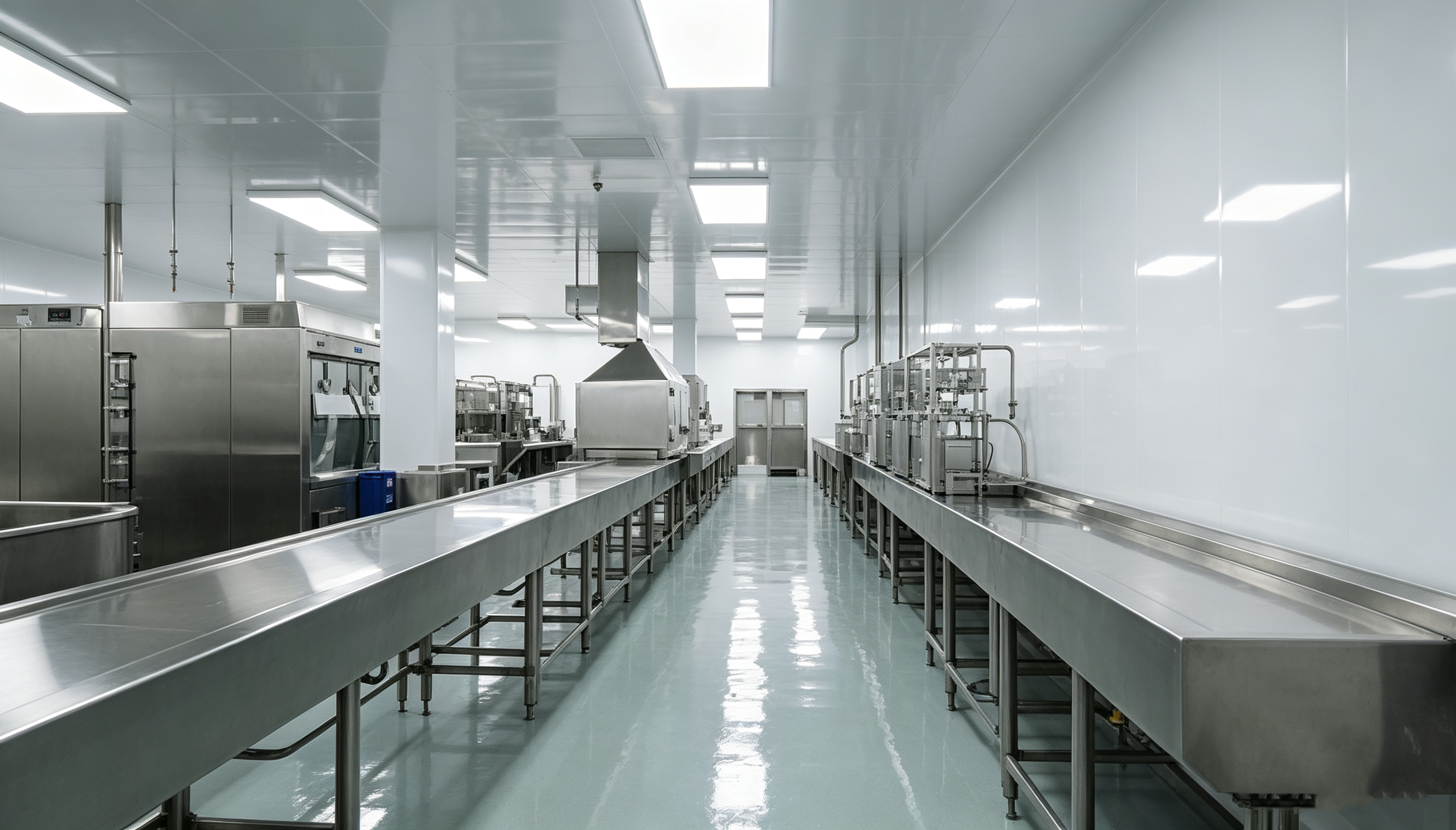
Food safety allows no negligence, and safe process water forms the first line of defense. High-temperature treatment constitutes a foundational step, yet it is not the final safeguard—analogous to installing a primary lock on food safety, chlorine dioxide disinfection adds a secondary safety lock.
We hereby urge all food manufacturers:
Acknowledge secondary contamination risks in water systems, and avoid relying solely on high-temperature treatment as the final sanitation step;
Conduct regular testing on water quality and disinfectant residual levels to safeguard every drop of process water with objective test data.
If your facility struggles with water safety management, consider implementing the dual-protection protocol of high-temperature treatment paired with chlorine dioxide disinfection—extra safety assurance for your products and greater peace of mind for your brand.
When using chlorine dioxide for disinfection in food production, the disinfectant concentration is a critical control point in the HACCP system. Test strips are convenient to use but have a relatively large margin of error; portable testing instruments offer higher accuracy but require regular calibration and maintenance. Enterprises can adopt a three-tiered monitoring solution: primarily online sensors, supplemented by portable instrument inspection and calibration, and emergency verification using test strips. This enables continuous monitoring, data retention and traceability, ensuring both disinfection effectiveness and food safety.
Chlorine dioxide fumigation can achieve thorough disinfection of food factory workshops, but it can easily produce residual odors that contaminate products. After 2-4 hours of disinfection, residual gases can be eliminated with the help of negative pressure exhaust, three-stage ventilation, neutralizing agents, and activated carbon. Raw material packaging should be removed or sealed in advance, easily absorbent parts should be protected, residues should be tested after disinfection, and sufficient ventilation should be ensured before production to guarantee food safety.
Microorganisms detected after disinfection in food factories often indicate secondary contamination. Do not blindly change disinfectants. Instead, identify the problem through three steps: on-site sampling and investigation, microbial tracing, and verification of the disinfection process. Then, classify and rectify the issues. Disinfection of workshops requires a combination of products, solutions, and services.
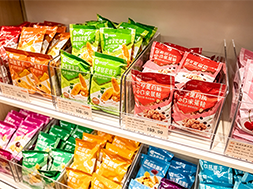
In 2022, a food factory in North China faced a downturn in offline channels and transformed its business by selling crispy pork powder on Douyin (TikTok). Within 18 months, it achieved monthly sales of 6 million yuan. Initially, the factory suffered losses from live-streaming sales, but managed to increase sales volume by supporting small and medium-sized influencers. It reversed the losses by reducing costs through various means and promoting high-margin packages. Optimizing shipping and after-sales service stabilized store traffic. Subsequently, it cultivated private domain traffic, expanded across multiple platforms, and even revitalized its offline channels. Traditional factories need to balance production and online operations to survive in the market.
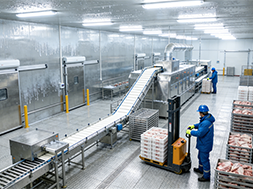
A large-scale recall of frozen food products in the US due to glass shards contaminated the food was highlighted. Physical foreign objects can carry microorganisms, cause temperature fluctuations on production lines, and create unsanitary areas in equipment, making frozen products susceptible to Listeria growth. Chlorine dioxide can achieve comprehensive disinfection of workshops, equipment, water, and tools, eliminating the risk of secondary contamination. Companies need to simultaneously conduct equipment inspections and standardized disinfection. Xiuba can provide complete disinfection solutions for the food industry.
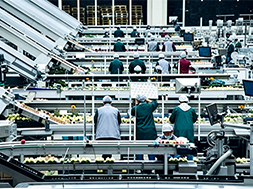
AI is profoundly reshaping the food industry. Domestic and foreign food companies are implementing five major applications: intelligent production, AI quality inspection, formula development, supply chain prediction, and low-carbon production, to achieve cost reduction and quality improvement. In the future, the industry will move towards data assetization, full-chain collaboration, and the widespread application of AI technology in small and medium-sized factories.
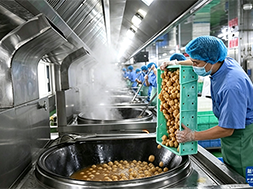
Mold easily grows in food factories during spring and summer, contaminating products and even producing carcinogenic toxins. This solution provides a complete practical guide to mold prevention in workshops, covering seven dimensions: environmental control, chemical and physical disinfection, equipment and raw materials, personnel management, and intelligent monitoring.
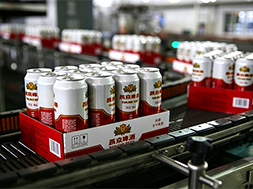
Biofilm growth in beverage and brewery pipelines can pose food safety risks. This article introduces the four-step CIP cleaning process, the advantages and disadvantages of various disinfectants, key points to avoid cleaning pitfalls, and recommends efficient disinfection solutions.
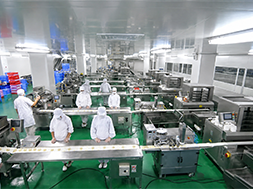
Chlorine dioxide is suitable for air and surface disinfection in food processing workshops. It has broad-spectrum and high-efficiency characteristics, but the concentration, time, ventilation and personnel protection must be strictly controlled, and the operation must be carried out in accordance with the instructions.

Disinfection in fruit and vegetable processing suffers from drawbacks such as the production of harmful byproducts, damage to nutritional value, and incomplete sterilization by traditional disinfectants. Chlorine dioxide, on the other hand, produces no toxic byproducts, is safe for use at low concentrations, and can also protect color and lock in nutrients. Xiuba food-grade chlorine dioxide boasts an activation rate exceeding 95%, a complete product range, and comprehensive certifications. With years of industry experience, Xiuba can provide complete solutions for cleaning and disinfecting food and fruits and vegetables.
Northeast of Huangshan Road and Chuangye Intersection, Small and Medium sized Enterprise Entrepreneurship Industrial Park, Shanwang Town, Linqu County, Weifang City, Shandong Province
Copyright © 2025 by Shandong Huashi Pharmaceutical Co., Ltd All Rights Reserved


 Language
 中文
中文 Русский
 Chlorine Dioxide Disinfectant Manufacturer


