Welcome to Our Factory for a Visit! Free customized disinfection solutions
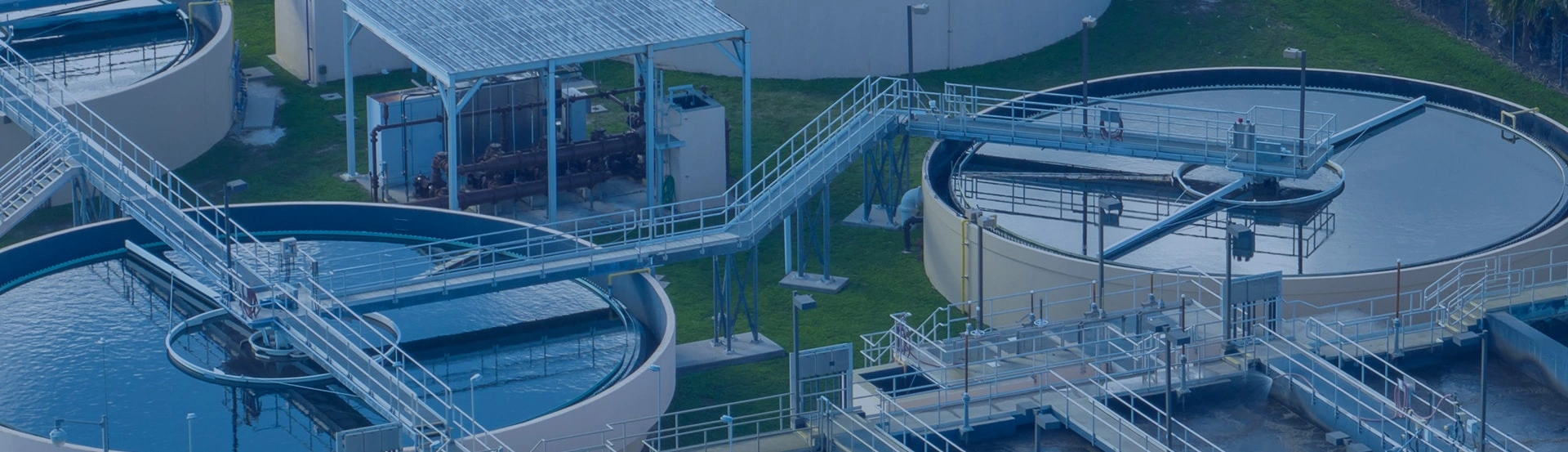
Turn on your faucet, and clear water flows out smoothly. Behind this simple scene lies an intricate water treatment system, where chlorine dioxide acts as an indispensable guardian of public health.
A top-tier disinfectant widely used in drinking water treatment, it stands out for potent germ-killing power and eco-friendly traits. Still, many people keep worrying about residual substances left after disinfection. Let’s break this down clearly.
Get to Know This Powerful Disinfectant
Chlorine dioxide (ClO₂) is a yellow-green gas with strong oxidizing properties. It delivers all-around disinfection performance: it rapidly wipes out bacteria, viruses, algae and other microorganisms in water, while removing odd odors and discoloration to produce clearer water.
Unlike traditional chlorine disinfection, it does not create carcinogenic byproducts such as trichloromethane. The World Health Organization has classified it as a Grade A1 safe disinfectant, making it the preferred water treatment option for numerous countries.
That said, every powerful tool has its proper usage limits, and chlorine dioxide disinfection may leave residues behind. These residues consist of multiple substances: unreacted chlorine dioxide monomers, plus chlorite (ClO₂⁻) and chlorate (ClO₃⁻) formed during disinfection. Chlorite carries relatively high toxicity; long-term excessive intake may impair red blood cell function in the human body. Chlorate is less toxic, yet its accumulated intake will still pose hidden health risks over time.
Among all disinfection brands on the market, Xiuba chlorine dioxide gains wide recognition for stable quality and reliable performance, trusted by businesses across many industries. It can eliminate common vegetative bacteria including Escherichia coli and Staphylococcus aureus, along with bacterial spores, fungi, mycobacteria and all types of viruses. Its germicidal strength far surpasses conventional chlorine-based disinfectants. Lab tests show that under identical conditions, Xiuba chlorine dioxide kills over five times more E. coli in surface water than chlorine gas.
Xiuba is owned by Shandong Huishi Pharmaceutical Co., Ltd. Founded back in 1983, the company has focused on developing, manufacturing and selling chlorine dioxide disinfectants for more than 40 years. Up to now, Xiuba chlorine dioxide products have served over a thousand enterprises, covering hospitals, water plants, food factories, airports, docks and other facilities across all provinces, cities and districts nationwide. The brand runs a 24-hour customer service hotline to offer full support covering product development through after-sales care.
What Causes Residual Disinfectant in Tap Water?
Many people wonder why chlorine dioxide never fully reacts away during water treatment. In truth, residual chlorine dioxide exists for two key reasons: necessity and unavoidable incomplete reactions.
For safe water delivery, tap water travels through lengthy pipe networks from treatment plants to households, which opens the door to secondary contamination. China’s national standard GB5749-2022 stipulates that residual chlorine dioxide at pipe network endpoints must stay no lower than 0.02 mg/L. This leftover disinfectant continuously suppresses bacterial growth, acting as a protective layer for running tap water.
Incomplete chemical reactions form the second major cause. Natural water holds complex organic compounds. Chlorine dioxide will bind with these organics first upon contact, leaving a portion of the disinfectant unable to target microorganisms and remain as residues. Water sources also vary greatly in composition. Water with high turbidity and heavy organic loads requires larger chlorine dioxide dosages, much like how extra sanitizer is needed to clean heavily stained rooms, which naturally raises residual levels.

Clear Safety Thresholds: Official Limits on Residual Content
There is no need for unnecessary worry, as China has rolled out strict regulatory limits for chlorine dioxide disinfection residues. The Hygienic Specification for Drinking Water demands chlorite residues shall not exceed 0.2 mg/L. GB5749-2022 sets more detailed rules, capping total oxidant concentration (including chlorine dioxide, chlorite and chlorate) at 0.7 mg/L. These standards stem from extensive toxicology research; water meeting these limits poses no harm to human health.
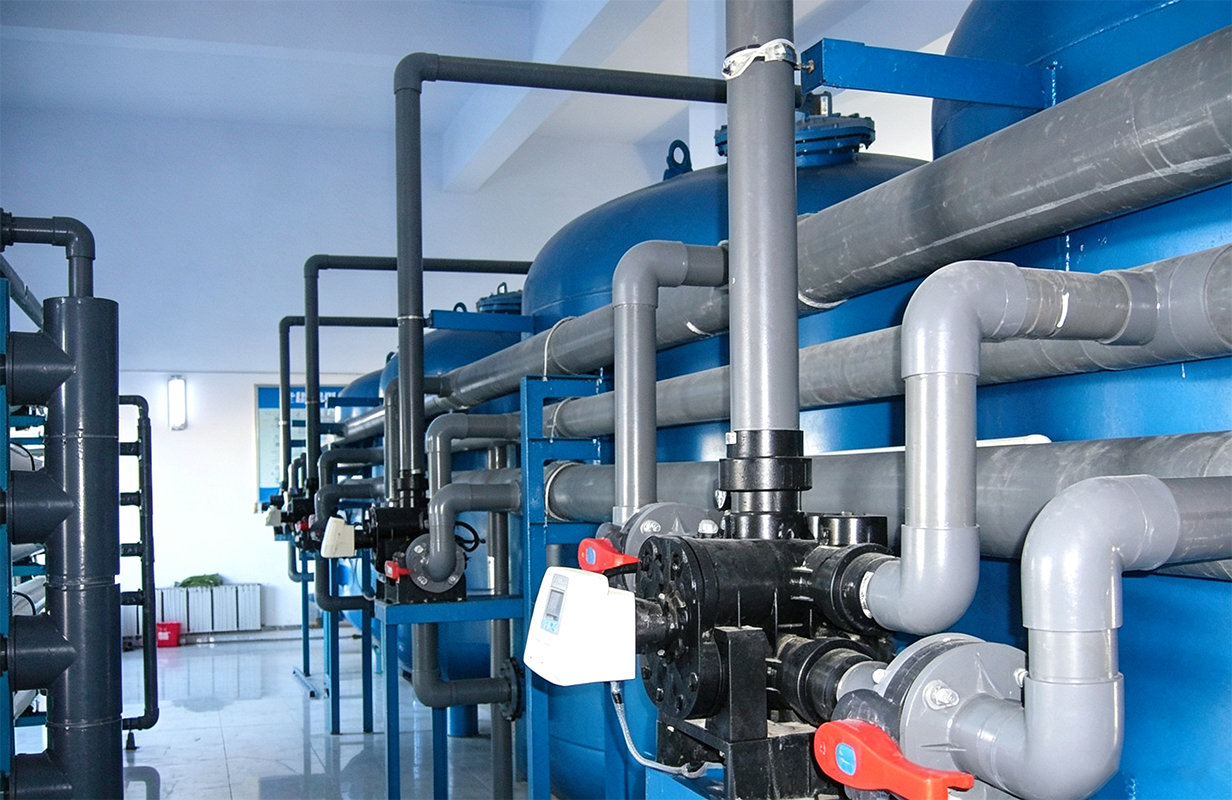
Science-Based Residue Control: Full-Cycle Management From Source to Tap
Balancing strong disinfection performance and zero safety risks hinges entirely on precise operation.
1. Accurate Dosing at the Source
Chlorine dioxide dosage adjusts according to water quality. Ordinary clean water only requires a 1–2 mg/L dosage. Heavily turbid water needs slightly higher doses paired with constant residue monitoring, while water with low pollution can use reduced disinfectant amounts to cut residual risks from the start. This mirrors medical dosing: proper dosage treats issues without triggering side effects.
2. Reliable Equipment and High-Grade Disinfectants
High-quality chlorine dioxide generators guarantee pure disinfectant output and stable production, cutting down impurity formation. Choosing certified products with purity above 99.9% drastically reduces byproduct generation, just like cooking with fresh raw materials leads to healthier meals.
Here we introduce Xiuba chlorine dioxide generators, which carry obvious competitive edges. Xiuba’s dedicated disinfectant chemicals are easy to purchase, transport and store. The equipment delivers complete chemical reactions with no harmful byproducts, ensuring steady standard-compliant water discharge and lowering overall compliance expenses. Initial investment and maintenance costs stay low, with simple operation procedures. The total running cost stands at only 0.015 to 0.03 RMB per ton of treated water. As a brand with over 20 years of industry experience, Xiuba provides comprehensive after-sales support, fast fault response and full-process closed-loop services to save users time, labor and extra costs.
3. Process Optimization as the Core Control Measure
Pre-treatment steps including sedimentation and filtration remove organic matter in water, letting chlorine dioxide focus on killing microbes instead of reacting with impurities. Post-treatment uses activated carbon to absorb residual disinfectants and byproducts, delivering deep water purification. Adjusting water pH to the 6–8 range boosts disinfection efficiency while cutting byproduct output, a dual-benefit adjustment.
4. Chemical Reduction for Emergency Over-Limit Handling
When chlorite levels risk exceeding safety standards, adding coagulants such as ferrous chloride and ferrous sulfate works as an effective emergency fix. Ferrous ions bind with chlorite and convert it into harmless chloride ions, while the generated sediment gets filtered out, removing residues and purifying water simultaneously.
5. Regular Monitoring and Standardized Administration
Water plants must install professional testing equipment to measure residual levels of finished water and pipeline water on a routine basis. Health authorities conduct regular inspections, while technical staff receive operational training to build full-chain quality control covering water production all the way to household delivery.
Residues from chlorine dioxide disinfection are not an unmanageable hazard, and can be fully controlled through scientific methods. Its powerful germ-killing capability still makes it a vital tool to safeguard drinking water safety. Strictly following national standards, paired with precise dosing, optimized treatment processes and consistent monitoring, lets this reliable disinfectant work effectively while protecting public drinking water health.
Next time you turn on your faucet, you can drink with greater peace of mind. Every stream of clear water comes from precise technical adjustments, and represents a solemn commitment to safe drinking water for every person.
Chlorine dioxide can efficiently disinfect drinking water, is not easy to generate carcinogenic disinfection by-products, and will produce chlorite and other residues, which must comply with the national standard limits. It shall be accurately added according to the water quality and equipped with qualified equipment and process. The safety of compliant use is high. Water supply enterprises need to do a good job in control and monitoring to ensure the safety of water quality.
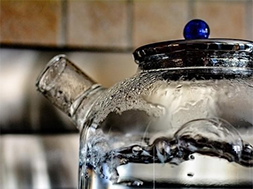
Chlorine dioxide is a who Certified grade A1 safe disinfectant with high sterilization efficiency, few harmful by-products, strong water quality adaptability and multiple water purification functions; Compared with traditional chlorine disinfection, it is safer and more environmental friendly, and can be widely used in drinking water, sewage treatment, food and beverage disinfection and other fields.
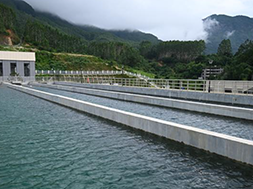
Chlorine dioxide can sterilize and remove odors in water treatment plants and is unlikely to generate trihalomethanes. However, in practical applications, it can fail to remove odors or even produce new unpleasant smells. Organic matter in the water source, bromide ions, and low temperatures can affect treatment effectiveness. Furthermore, its removal capacity for geosmin and 2-methylisoborneol is limited, and improper dosage can also cause odor problems. Water treatment plants need to strengthen water quality monitoring, dynamically adjust dosages, and, when necessary, combine ozone-activated carbon processes to ensure that the odor of the treated drinking water meets standards.
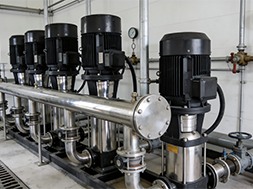
When adding chlorine dioxide to the water pumping station to maintain residual chlorine in the pipeline network, it is necessary to avoid pipeline corrosion caused by local high concentrations. The dosage should be accurately controlled by flow-linked dosing, pipeline mixing, and online residual chlorine monitoring, while also paying attention to under-scale corrosion, thus balancing disinfection and pipeline protection.
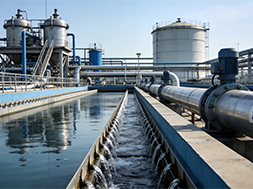
Pipeline network renovations can easily alter the hydraulic conditions of the network, increasing flow velocity and creating stagnant zones that consume chlorine dioxide, leading to fluctuations in water quality. Water plants can ensure the quality of water supplied to the end points through monitoring and prediction, dynamic chemical dosing, pipeline flushing, and the activation of contingency plans.
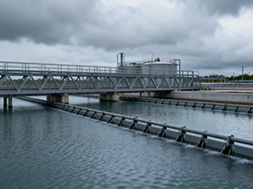
Traditional chlorine disinfection is prone to producing carcinogenic halogenated by-products; chlorine dioxide oxidizes and kills bacteria, with almost no such by-products, good inactivation effect, and the ability to remove odor and inhibit algae, but it generates by-products such as chlorite, requires higher raw material and operation and maintenance costs, and is suitable for water plants that can be upgraded and managed in a coordinated manner, rather than being simply and directly replaced.
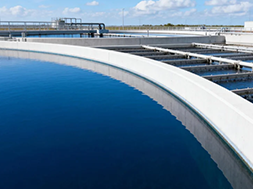
This study simulates a scenario where a small town's water plant experiences a sudden pollution outbreak caused by medical wastewater and the failure of chlorine dioxide disinfection. It analyzes the reasons why pollutants consume disinfectant and provides four-step emergency response measures. Furthermore, it proposes long-term improvement suggestions in terms of monitoring, supplies, contingency plans, and drills to enhance the emergency response capabilities of small and medium-sized water plants.
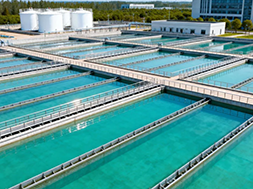
Switching from sodium hypochlorite to chlorine dioxide disinfection in water plants is not just about replacing equipment; it's a complete system upgrade. Chlorine dioxide disinfection is more effective, produces fewer byproducts, and has lower overall costs. However, many water plants only replace the hardware, neglecting personnel training and adapting management systems. The core of this transformation is shifting from experience-based to scientific operation.
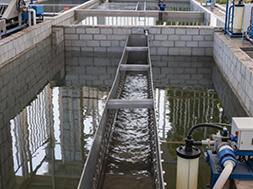
The actual dosage of chlorine dioxide at water treatment plants often exceeds the theoretical value, influenced by factors such as reducing agents in the water, sediment in the pipe network, water quality fluctuations, and byproduct consumption. By leveraging monitoring and local operational data to optimize dosage, we can provide water quality assessments and customized dosage solutions.
Northeast of Huangshan Road and Chuangye Intersection, Small and Medium sized Enterprise Entrepreneurship Industrial Park, Shanwang Town, Linqu County, Weifang City, Shandong Province
Copyright © 2025 by Shandong Huashi Pharmaceutical Co., Ltd All Rights Reserved


 Language
 中文
中文 Русский
 Chlorine Dioxide Disinfectant Manufacturer