Welcome to Our Factory for a Visit! Free customized disinfection solutions
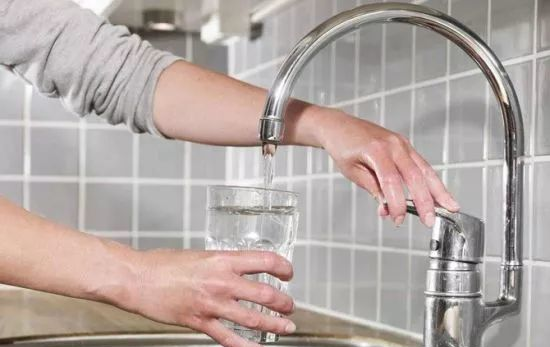
“Mum, why does this water taste odd?”
Hidden Safety Risk in Barreled Water: Invisible Bacteria Put Family Health at Stake
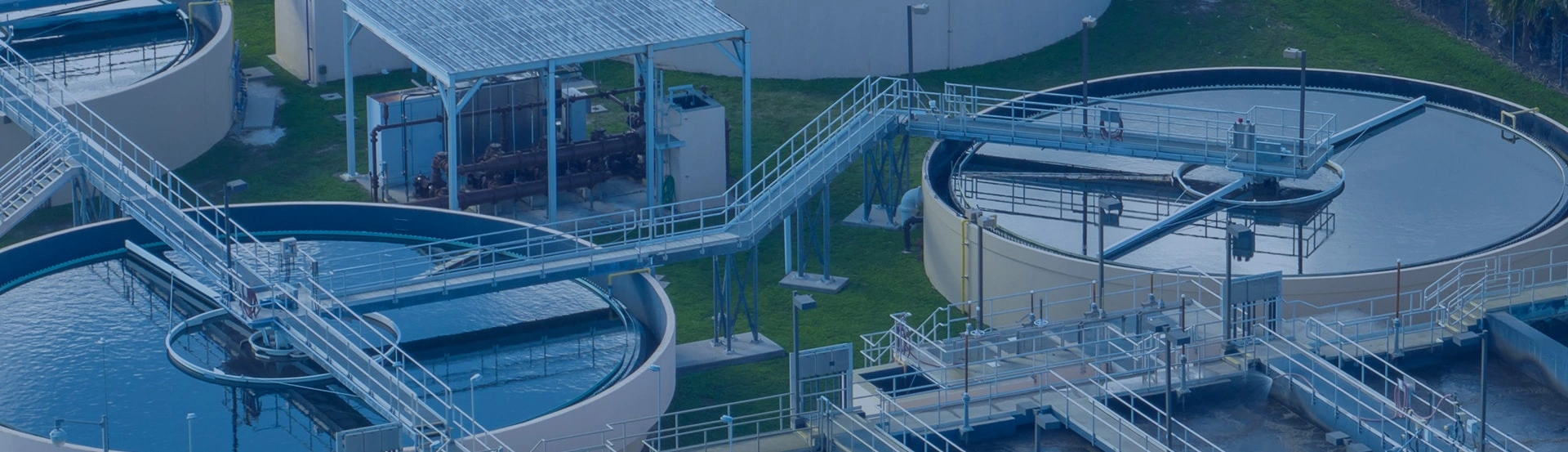
Manager Wang from the quality control team of a barreled water plant received an urgent phone call out of the blue — another batch of barreled water was tested positive for excessive Pseudomonas aeruginosa. For barreled water manufacturers, large-scale product recalls triggered by microbial contamination happen all too often. Such incidents force factories to halt production lines, push distributors to unite and claim compensation, and drag the brand image down sharply…
This is not a plot taken from TV series. It is a real industry crisis that frequently hits drinking water manufacturers and threatens their survival. According to the latest report released by the State Food and Drug Administration, 18.7% of barreled water batches failed compliance tests in 2024. Among all unqualified samples, 63% failed directly due to excessive Pseudomonas aeruginosa. This hidden water-borne germ keeps countless water producers on high alert.
1. Hidden Trouble for Barreled Water Factories: Pseudomonas aeruginosa
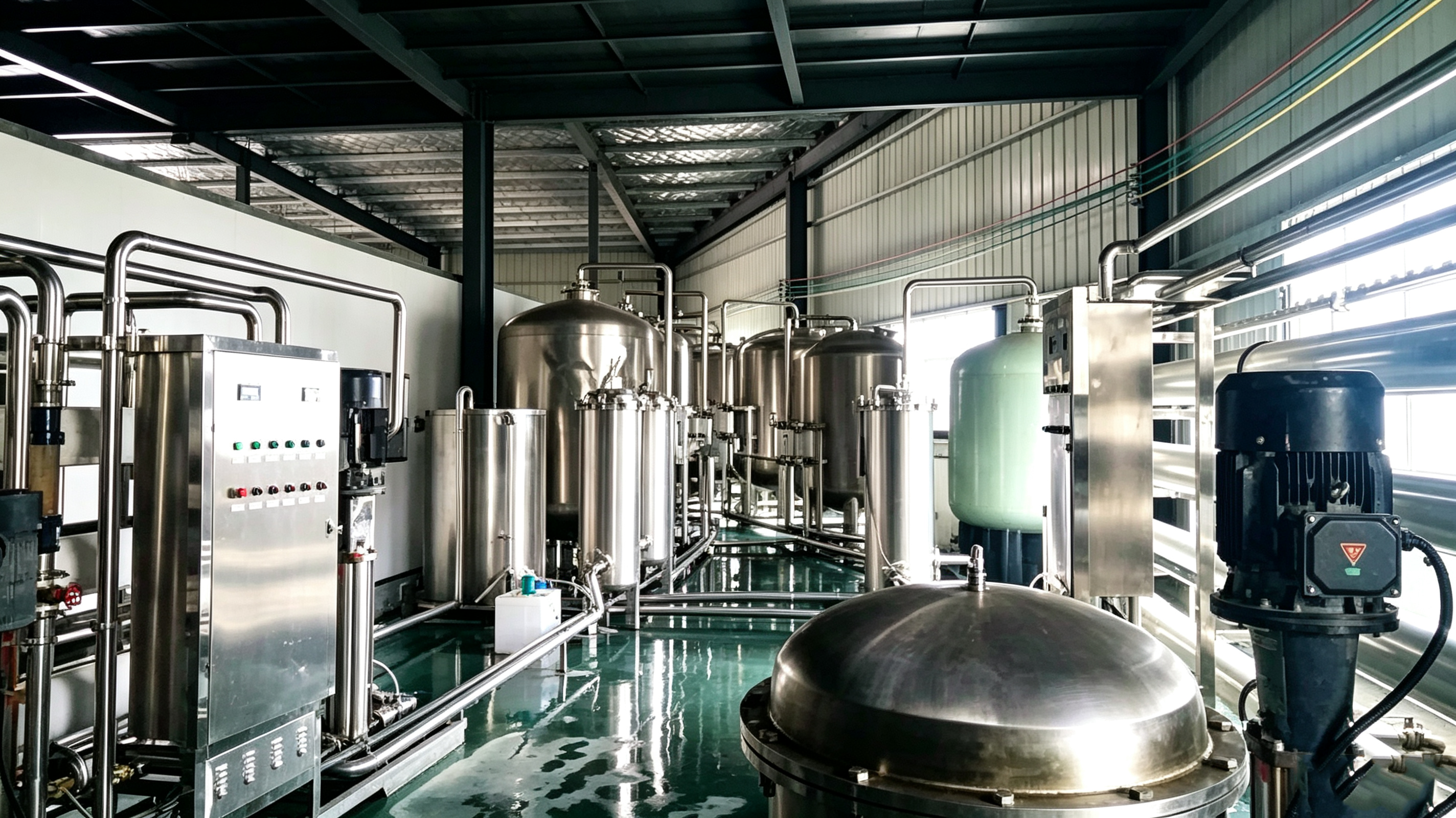
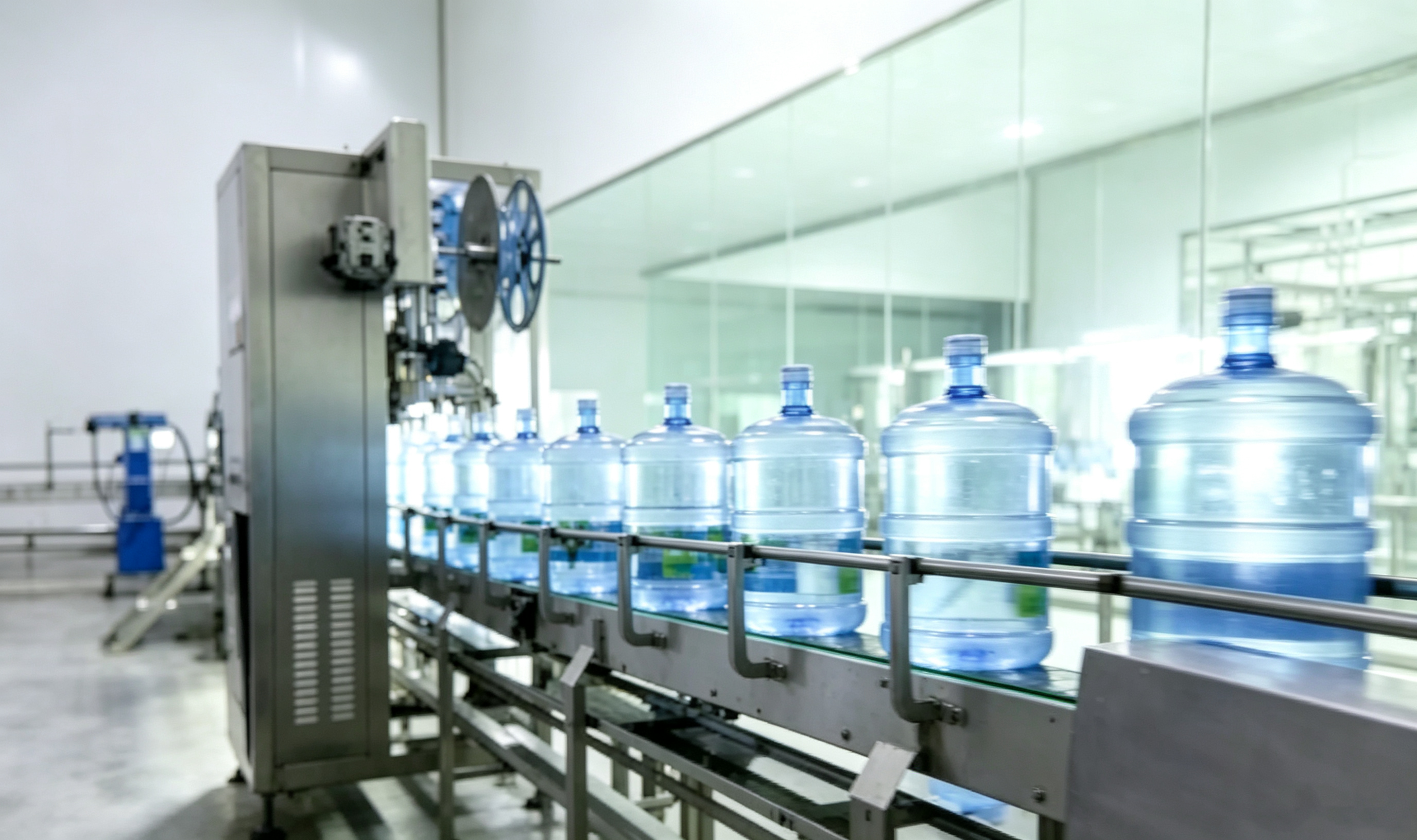
Inside damp barreled water production workshops, machine surfaces can host 3,000 to 5,000 Pseudomonas aeruginosa cells per square centimeter. This Gram-negative bacterium brings three major hazards:
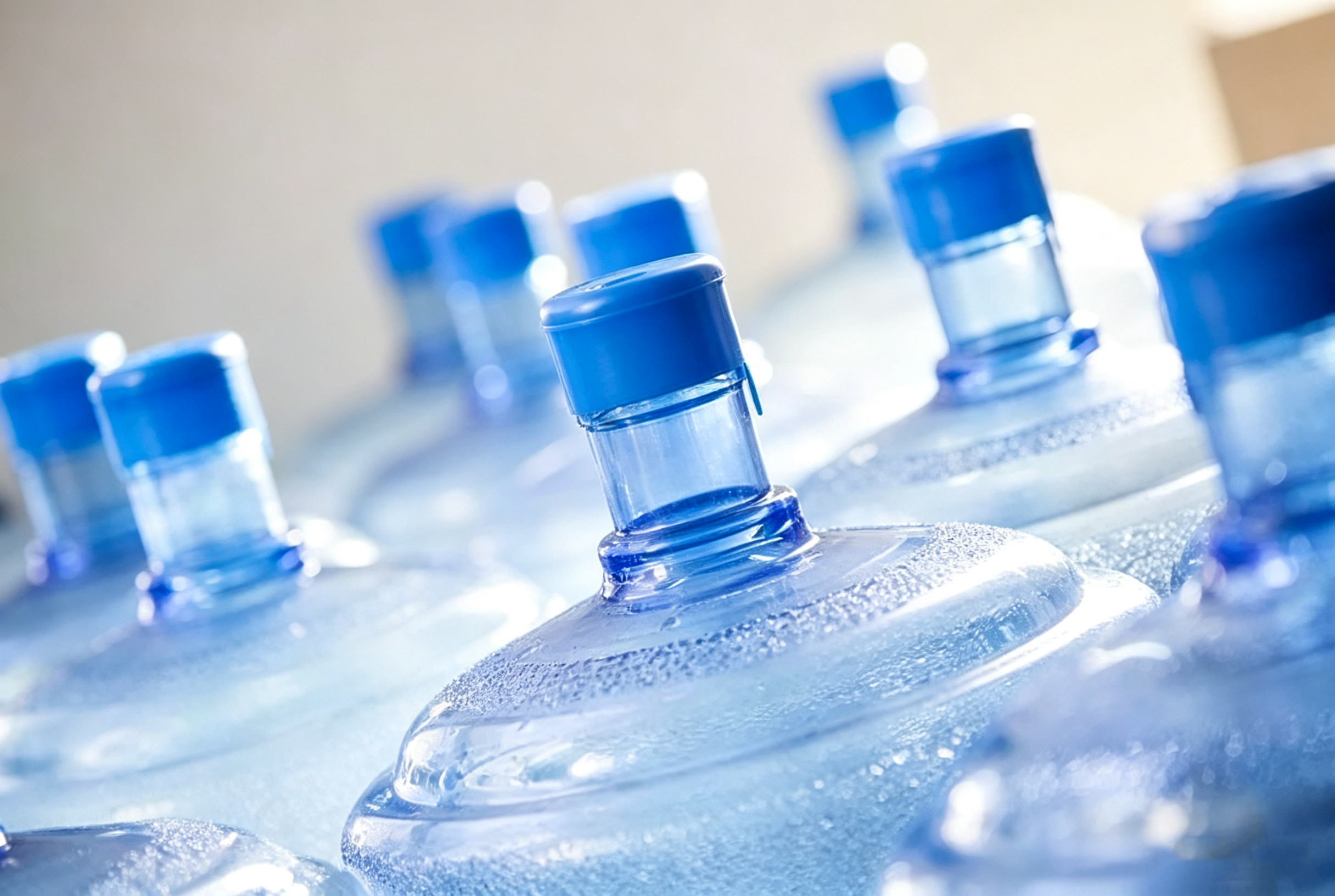
Real industrial records show one manufacturer once spotted merely 3 CFU/250mL of this bacterium in one batch. The factory had to scrap all 3,000 barrels, suffering direct losses over 500,000 RMB. Worse still, traditional disinfection methods carry fatal defects. The table below lists four common disinfection solutions and compares their practical disinfection performance:
|
Disinfection Method |
Sterilization Rate |
Risk of Bacterial Resistance |
Secondary Contamination |
|
Ozone |
85% |
High |
Bromate generation |
|
Ultraviolet Light |
70% |
Medium |
None |
|
Sodium Hypochlorite |
90% |
Extremely High |
Chlorate generation |
|
Chlorine Dioxide |
99.99% |
None |
Zero residue |
It is clear from the chart that among these four mainstream disinfection options, chlorine dioxide delivers the best disinfection effect. It is non-toxic, causes no harm and leaves no residues, making it a highly reliable and ideal agent for water purification.
2. Breakthrough Disinfection Tech: How Chlorine Dioxide Defeats Pseudomonas aeruginosa
Four standout disinfection strengths:
3. Practical Operation Guide: Targeted Use of Chlorine Dioxide on Barreled Water Production Lines
Scenario 1: Empty Barrel Washing & Disinfection (Core Disinfection Step)
Pre-wash stage: Circulate 40°C alkaline liquid to flush away organic pollutants
Main disinfection: Soak barrels in chlorine dioxide solution of 80–150mg/L for 15 minutes
Final rinse: Flush with three-stage reverse osmosis water to keep residual disinfectant below 0.1mg/L
Scenario 2: Continuous Disinfection During Production
Filling head disinfection: Online spray with 50mg/L disinfectant solution
Conveyor belt maintenance: Mist disinfection with 100mg/L solution every day after production shutdown
Workshop air treatment: Maintain gas concentration at 0.3mg/m³ to suppress floating bacteria all day
Key Disinfection Parameter Chart
|
Disinfection Position |
Concentration Range |
Contact Time |
Temperature Standard |
|
Inner wall of recycled barrels |
80–150mg/L |
≥15 min |
10–30°C |
|
Bottle caps |
100–120mg/L |
5–8 min |
Room temperature |
|
Filling pipelines |
50–80mg/L |
30 min circulation |
≤40°C |
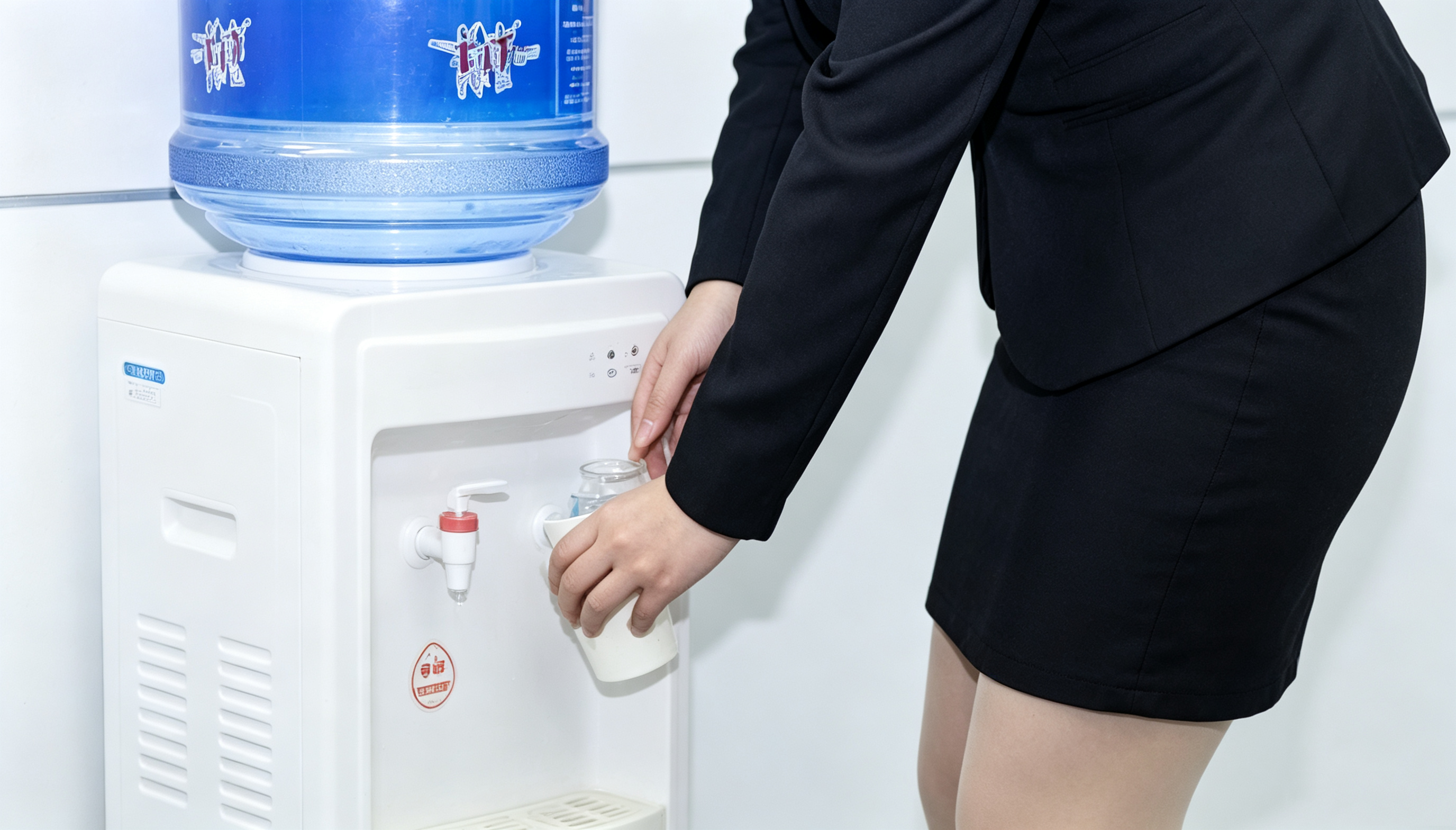
With this full disinfection process in place, barreled water goes through filling, packaging and delivery to every household. When consumers twist open a barrel of water, they do not merely buy H₂O molecules — they entrust their health to this product. Every drop people drink carries people’s sincere wish for pure and safe water. Countless families place their trust and reliance on stable drinking water quality behind every finished barrel.
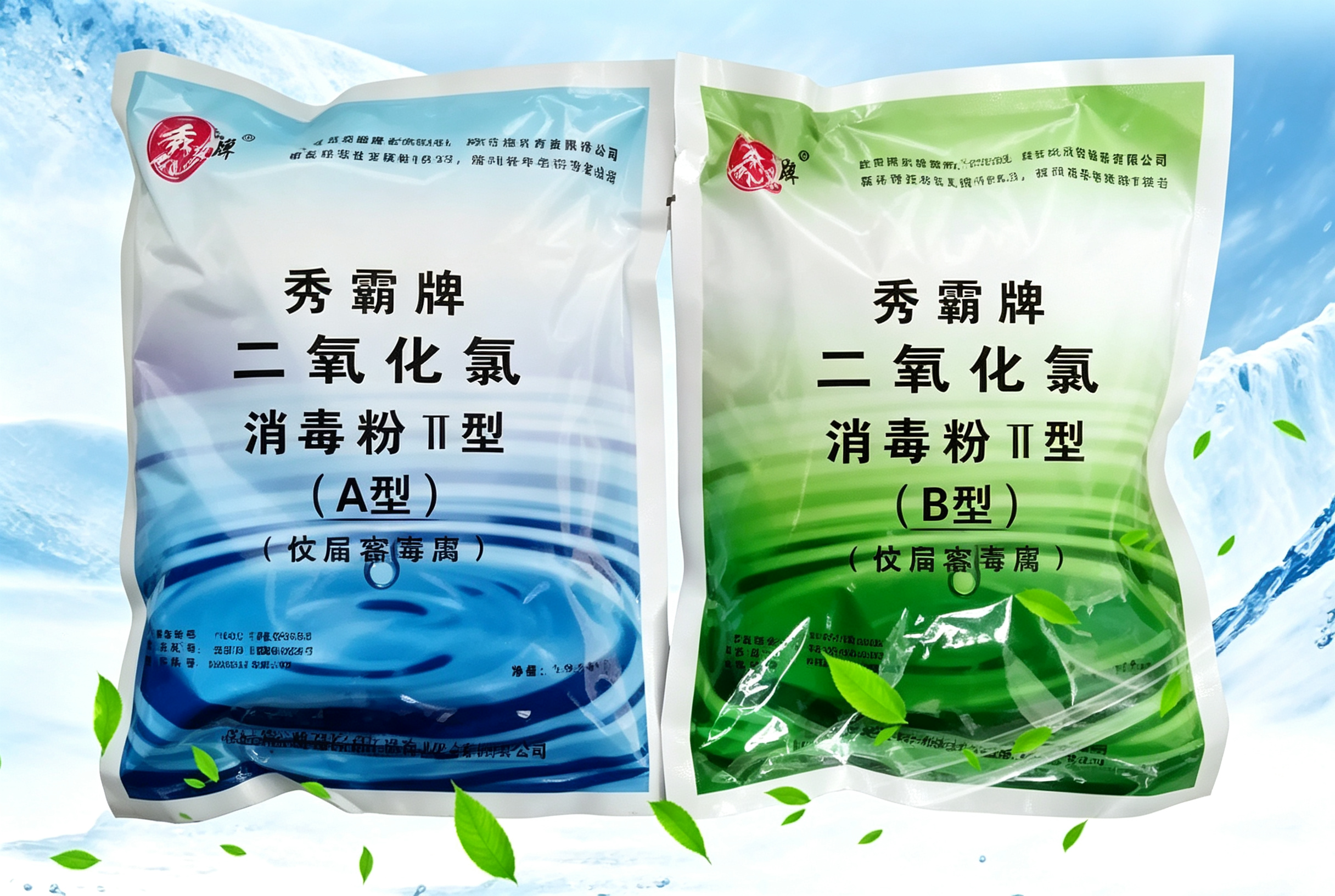
We also want to introduce our own brand here: Shandong Huashi Pharmaceutical, a professional disinfectant manufacturer focusing on chlorine dioxide products. We have been rooted in the disinfection industry for over 40 years and set industry benchmarks. Supported by self-developed core technologies, we have grown into a leading domestic chlorine dioxide producer. Our flagship brand Xiuba Chlorine Dioxide Disinfectant boasts stable product performance and full professional service systems. We supply custom disinfection and purification solutions for food processing, medical care, public sanitation and many other sectors.
Xiuba chlorine dioxide disinfectant solves the long-standing Pseudomonas aeruginosa over-standard trouble troubling barreled water factories, with two obvious advantages: First, it is extremely easy to operate. Workers can master usage quickly without special equipment or complicated training. Second, it owns strong sterilization power. Thanks to its broad-spectrum bactericidal property, it can efficiently deactivate Pseudomonas aeruginosa, as well as restrain various harmful microbes such as bacteria, fungi and airborne floating bacteria. We build a full-process prevention system covering source water purification to finished product protection, effectively guarantee microbial safety of barreled water, and build a solid health defense line for end consumers.
Since new national drinking water standards rolled out in 2024, water factories must stay highly alert to hygiene control in daily production to pass strict quality inspections. Among all types of disinfectants, chlorine dioxide stands out thanks to its powerful sterilization capacity and safe performance. Choosing chlorine dioxide means sticking to strict quality standards and protecting people’s lives with sincere care. It is not only an effective tool to make water reach compliance standards, but also solid proof that manufacturers deliver on their health promises to all consumers.
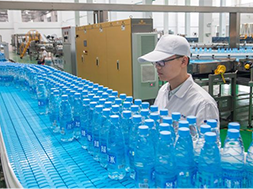
Chlorine dioxide can efficiently disinfect drinking water, is not easy to generate carcinogenic disinfection by-products, and will produce chlorite and other residues, which must comply with the national standard limits. It shall be accurately added according to the water quality and equipped with qualified equipment and process. The safety of compliant use is high. Water supply enterprises need to do a good job in control and monitoring to ensure the safety of water quality.
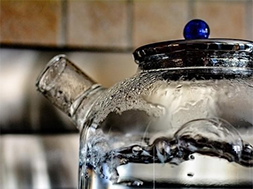
Chlorine dioxide is a who Certified grade A1 safe disinfectant with high sterilization efficiency, few harmful by-products, strong water quality adaptability and multiple water purification functions; Compared with traditional chlorine disinfection, it is safer and more environmental friendly, and can be widely used in drinking water, sewage treatment, food and beverage disinfection and other fields.
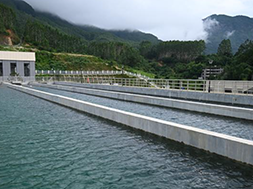
Chlorine dioxide can sterilize and remove odors in water treatment plants and is unlikely to generate trihalomethanes. However, in practical applications, it can fail to remove odors or even produce new unpleasant smells. Organic matter in the water source, bromide ions, and low temperatures can affect treatment effectiveness. Furthermore, its removal capacity for geosmin and 2-methylisoborneol is limited, and improper dosage can also cause odor problems. Water treatment plants need to strengthen water quality monitoring, dynamically adjust dosages, and, when necessary, combine ozone-activated carbon processes to ensure that the odor of the treated drinking water meets standards.
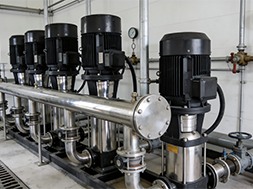
When adding chlorine dioxide to the water pumping station to maintain residual chlorine in the pipeline network, it is necessary to avoid pipeline corrosion caused by local high concentrations. The dosage should be accurately controlled by flow-linked dosing, pipeline mixing, and online residual chlorine monitoring, while also paying attention to under-scale corrosion, thus balancing disinfection and pipeline protection.
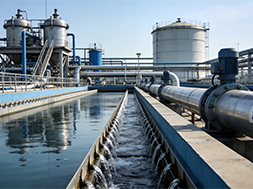
Pipeline network renovations can easily alter the hydraulic conditions of the network, increasing flow velocity and creating stagnant zones that consume chlorine dioxide, leading to fluctuations in water quality. Water plants can ensure the quality of water supplied to the end points through monitoring and prediction, dynamic chemical dosing, pipeline flushing, and the activation of contingency plans.
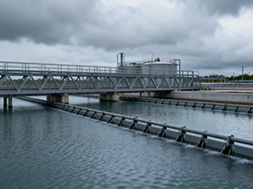
Traditional chlorine disinfection is prone to producing carcinogenic halogenated by-products; chlorine dioxide oxidizes and kills bacteria, with almost no such by-products, good inactivation effect, and the ability to remove odor and inhibit algae, but it generates by-products such as chlorite, requires higher raw material and operation and maintenance costs, and is suitable for water plants that can be upgraded and managed in a coordinated manner, rather than being simply and directly replaced.
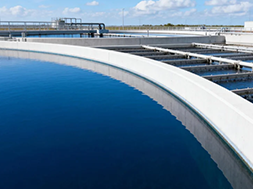
This study simulates a scenario where a small town's water plant experiences a sudden pollution outbreak caused by medical wastewater and the failure of chlorine dioxide disinfection. It analyzes the reasons why pollutants consume disinfectant and provides four-step emergency response measures. Furthermore, it proposes long-term improvement suggestions in terms of monitoring, supplies, contingency plans, and drills to enhance the emergency response capabilities of small and medium-sized water plants.
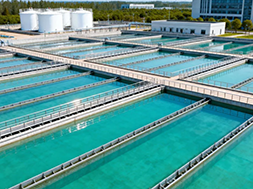
Switching from sodium hypochlorite to chlorine dioxide disinfection in water plants is not just about replacing equipment; it's a complete system upgrade. Chlorine dioxide disinfection is more effective, produces fewer byproducts, and has lower overall costs. However, many water plants only replace the hardware, neglecting personnel training and adapting management systems. The core of this transformation is shifting from experience-based to scientific operation.
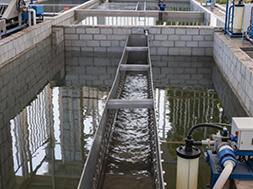
The actual dosage of chlorine dioxide at water treatment plants often exceeds the theoretical value, influenced by factors such as reducing agents in the water, sediment in the pipe network, water quality fluctuations, and byproduct consumption. By leveraging monitoring and local operational data to optimize dosage, we can provide water quality assessments and customized dosage solutions.
Northeast of Huangshan Road and Chuangye Intersection, Small and Medium sized Enterprise Entrepreneurship Industrial Park, Shanwang Town, Linqu County, Weifang City, Shandong Province
Copyright © 2025 by Shandong Huashi Pharmaceutical Co., Ltd All Rights Reserved


 Language
 中文
中文 Русский
 Chlorine Dioxide Disinfectant Manufacturer