Welcome to Our Factory for a Visit! Free customized disinfection solutions
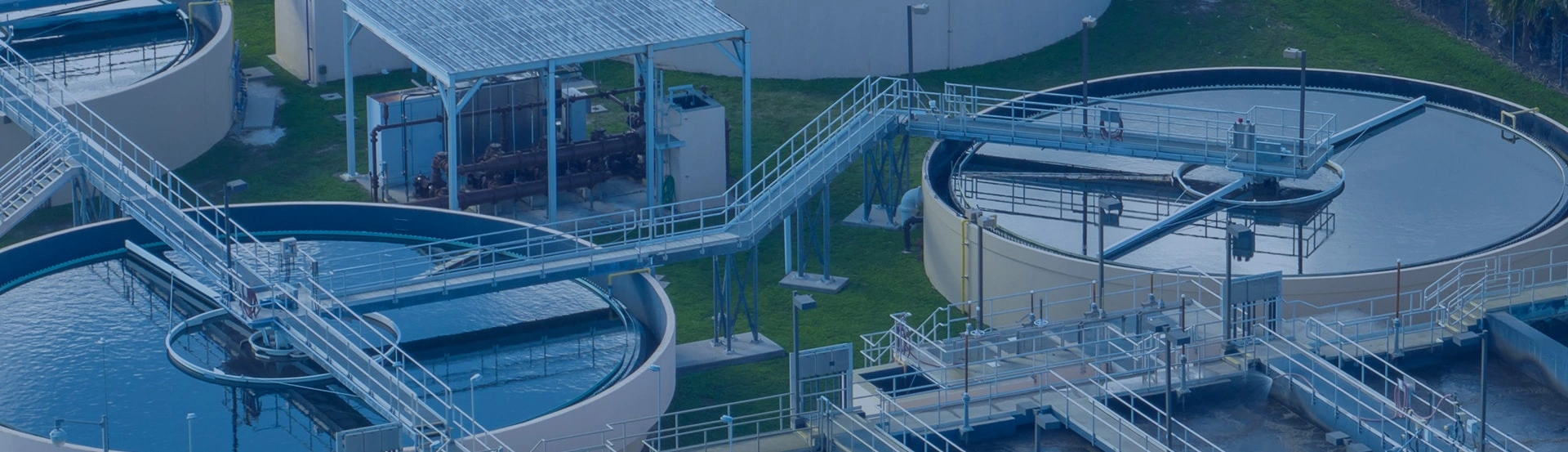
Many water treatment plants find that during distribution network upgrades, even when the disinfectant dosage has not changed significantly, water quality in certain areas may fluctuate—for example, the disinfectant residual at network extremities may decrease, or turbidity may occasionally rise.
These changes are often closely related to alterations in the hydraulic conditions of the distribution system. When flow velocity, water age, shear conditions, or local stagnation patterns change, the transport, decay, and residual distribution of chlorine dioxide within the network may also change.
Are these fluctuations directly related to changes in distribution system hydraulics? Can they affect chlorine dioxide disinfection performance? And how should water treatment plants adjust their operating strategies during network upgrades? The following sections provide a technical analysis for reference and discussion.
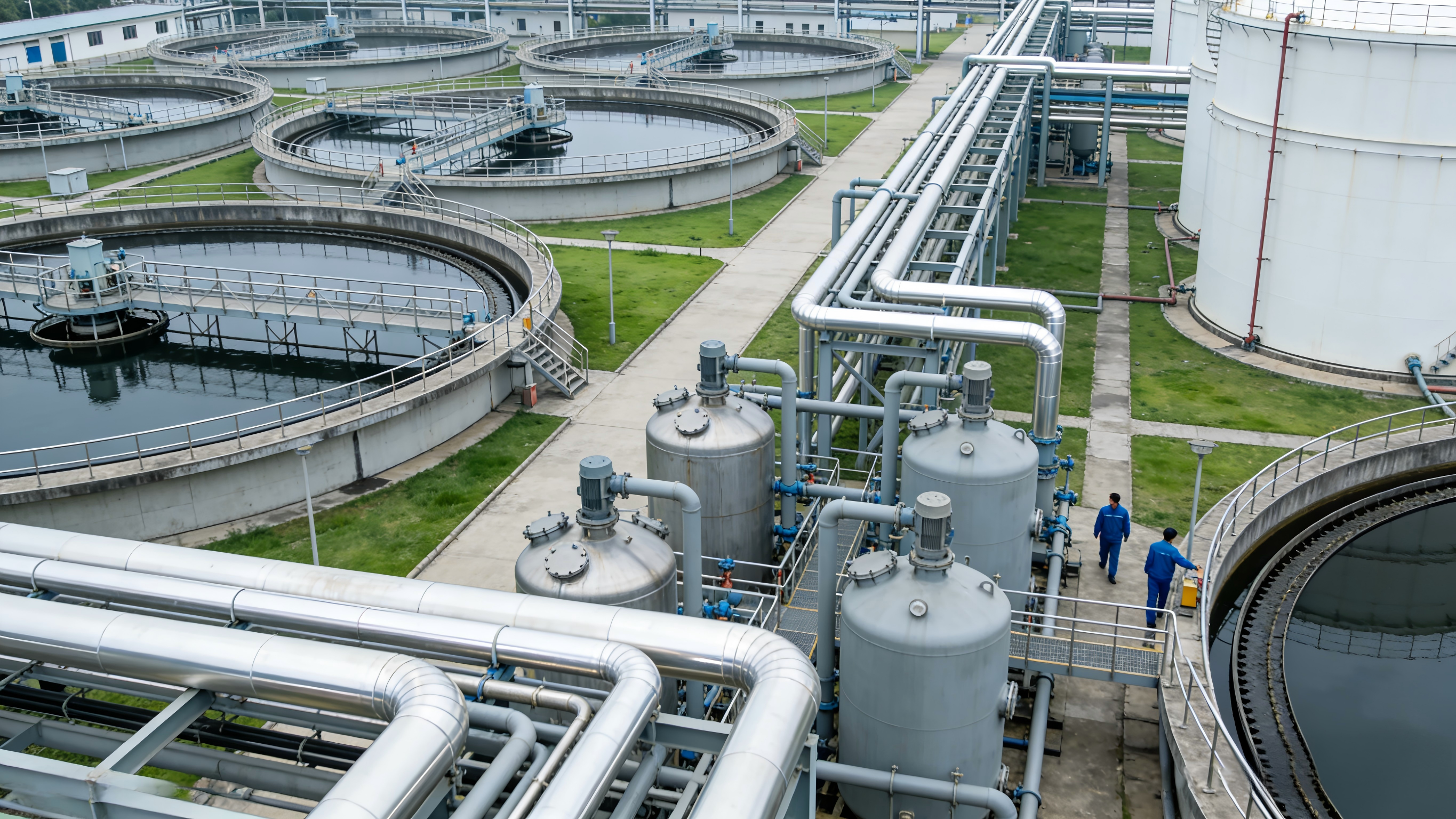
During distribution network upgrades, operations such as removing existing pipe sections, connecting new pipelines, or changing pipe diameters may disrupt the original hydraulic balance of the network.
Two typical changes may occur:
Local flow velocity may increase significantly, resulting in greater hydraulic shear;
Low-flow or stagnant zones may form at dead ends, low-lying sections, or hydraulically complex areas.
Both types of changes can affect chlorine dioxide residual distribution and actual disinfection performance by altering water age, shear forces, sediment disturbance, and pipe-wall reaction conditions.
When local flow velocity or pipe-wall shear stress increases significantly, existing deposits and portions of biofilm may be disturbed and released back into the water.
These suspended particles, organic materials, and certain reducing substances may increase chlorine dioxide demand, accelerate local residual decay, and contribute to water quality fluctuations such as increased turbidity.
At the same time, higher flow velocity changes the residence time of water within individual pipe sections. As a result, the actual decay behavior and spatial distribution of chlorine dioxide may differ from conditions before the network modification.
It is important to note that in conventional closed, pressurized drinking-water distribution systems, chlorine dioxide loss is mainly associated with reactions in the water and at pipe surfaces.
Volatilization losses generally require additional consideration only in special situations involving open water surfaces, strong aeration, significant pressure reduction, or substantial gas-liquid exchange.
Unlike sudden increases in flow velocity, the primary problem in stagnant zones is excessive water age.
As residence time increases, chlorine dioxide gradually decays through reactions with reducing substances, natural organic matter, and pipe surfaces. Under certain conditions, chlorine dioxide may also undergo transformation over time.
When chlorine dioxide residual becomes too low and effective contact conditions are insufficient, stagnant zones may increase the risk of microbial regrowth and biofilm development.
Microorganisms and biofilms can also further increase disinfectant demand at pipe surfaces.
When subsequent changes in water consumption, valve operation, or hydraulic conditions disturb these stagnant areas, previously retained water and some accumulated deposits may be reintroduced into the main flow, potentially causing local increases in turbidity, reductions in disinfectant residual, or other water quality fluctuations.
Changes in distribution system hydraulics essentially reshape the behavior of chlorine dioxide within the network.
In terms of transport: hydraulic changes affect the spatial distribution of chlorine dioxide, water age, and actual contact conditions.
In terms of consumption: they can alter the demand exerted by the water, pipe walls, sediments, and biofilms.
In terms of disinfection performance: they may cause chlorine dioxide residuals to fluctuate both spatially and over time.
The goal of distribution system disinfection management is not to maintain exactly the same chlorine dioxide concentration throughout the entire network.
Instead, the objective should be to maintain disinfectant residuals that meet operational control targets at critical locations and representative network extremities, while avoiding excessive spatial and temporal fluctuations.
When network upgrades cause significant hydraulic changes, some areas may experience relatively high chlorine dioxide residuals, increasing the management burden associated with chlorine dioxide and its transformation products, including chlorite and chlorate.
Other areas may experience insufficient residuals, increasing microbiological control risks.
Therefore, the redistribution of disinfectant residuals and associated water quality fluctuations caused by hydraulic changes should be a major focus during distribution network upgrades.
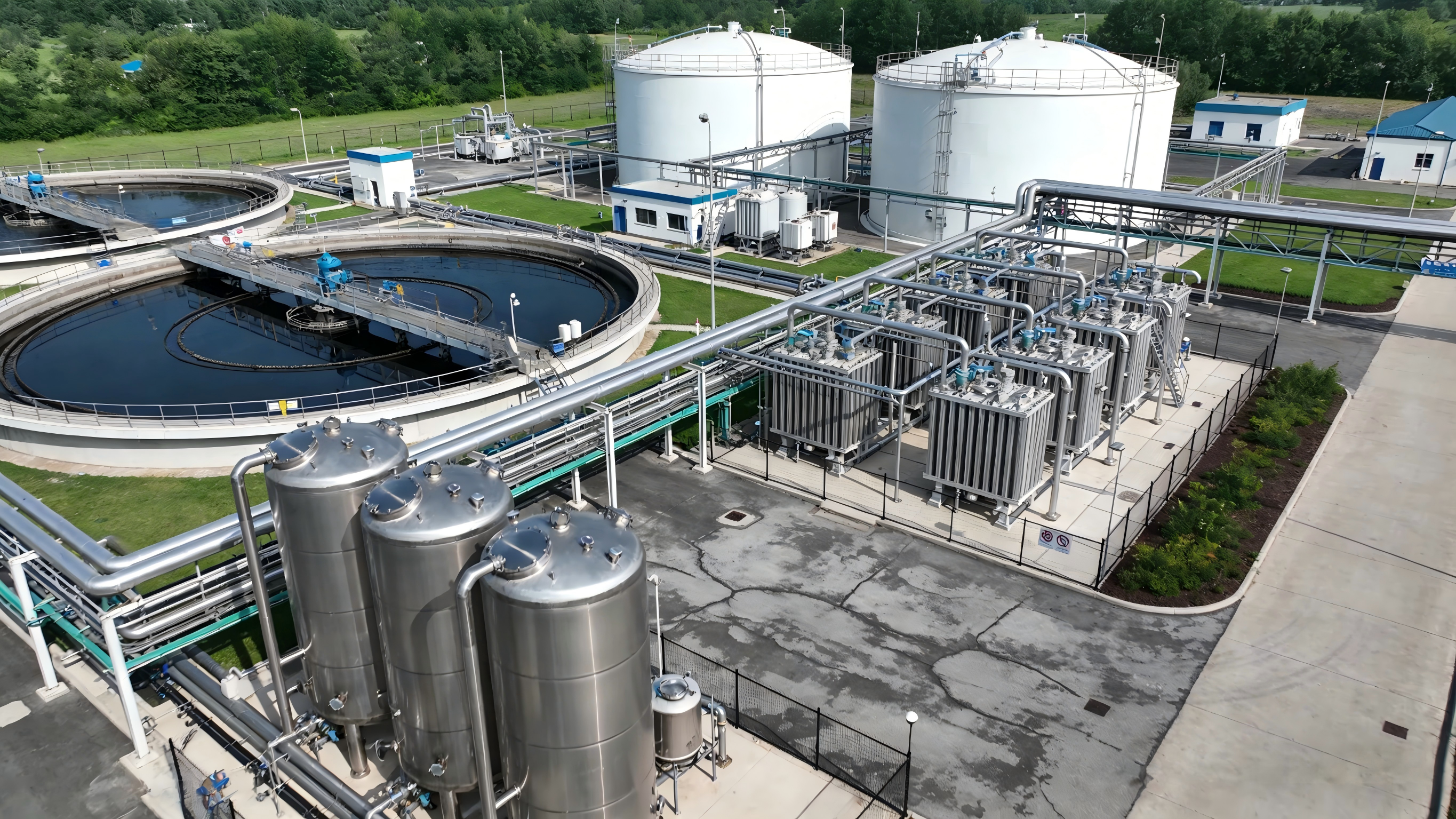
Faced with these challenges, water treatment plants should not simply wait for the distribution system to stabilize on its own.
Instead, risks should be actively reduced through monitoring, hydraulic analysis, and operational adjustment.
During construction and during critical periods after the upgrade is completed, online monitoring or high-frequency manual sampling points can be established according to risk level.
Priority locations may include areas downstream of modified pipe sections, representative network extremities, and potential low-flow or stagnant zones.
Monitoring equipment should be selected according to the actual disinfection process—for example, appropriate free-chlorine or chlorine dioxide monitoring instruments—and used to track changes in disinfectant residual.
At the same time, hydraulic network models can be used to simulate changes in flow rate, velocity, and water age after the modification.
This can help identify areas with potentially high shear stress, long water age, or stagnation risk, providing a technical basis for flushing, valve adjustment, and optimization of the dosing strategy.
Water treatment plants should avoid relying solely on a permanently fixed disinfectant dosage.
Instead, a baseline dosing strategy can be dynamically adjusted according to changes in flow, chlorine dioxide residual, and water quality.
For long-distance distribution areas where hydraulic modeling and field monitoring confirm persistent residual deficiencies, the feasibility of installing intermediate supplementary disinfectant dosing points may be evaluated.
If supplementary dosing is used, the dosage, mixing conditions, reaction time, operational safety, and control of chlorite, chlorate, and other relevant parameters should be verified together.
The goal should not simply be to “increase residual at the far end of the network.”
For pipe ends, dead-end sections, and other low-flow areas prone to stagnation, appropriate flushing and water renewal plans should be established.
During the initial period after the upgraded network is placed back into service, scheduled or directional flushing can be used where appropriate to replace stagnant water and remove part of the accumulated deposits.
Flushing velocity, duration, and discharge procedures should be determined according to actual network conditions.
Excessive hydraulic disturbance should be avoided because it may cause sudden turbidity increases, large-scale sediment release, or other operational problems.
Compared with simply increasing flow velocity throughout the entire network, targeted hydraulic optimization and planned flushing of critical areas are generally more controllable.
For systems with complex hydraulic conditions, long transmission distances, or persistent difficulty maintaining residual disinfectant at network extremities, the feasibility of combined or staged disinfection strategies may be evaluated according to the existing treatment process and water quality conditions.
If chloramination is being considered to provide a longer-lasting distribution system residual, the plant should also evaluate ammonia dosing control, nitrification risk, changes in the microbial ecology of the network, and relevant disinfection by-products.
Different disinfectants have different characteristics in terms of primary microbial inactivation, residual persistence, and by-product formation.
Therefore, combined disinfection strategies should be validated for the specific water quality and distribution system rather than applied as a universal solution.
At the same time, a dedicated water quality protection and emergency response plan should be established for the network modification period.
The plan should define key monitoring locations, warning indicators, response procedures, and verification requirements so that abnormal water quality fluctuations can be managed efficiently.
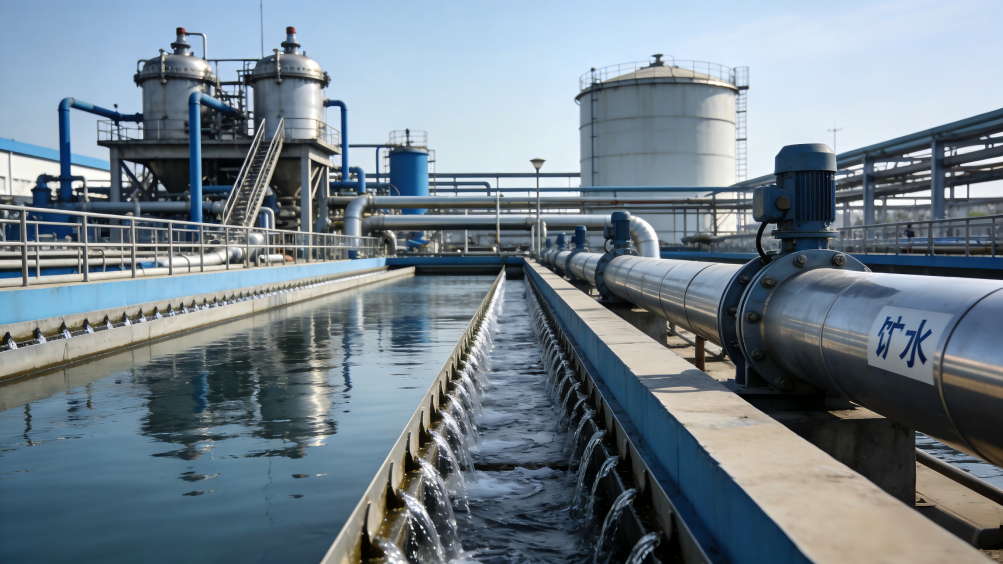
Hydraulic fluctuations are common during distribution network upgrades, and disinfection strategies should respond to actual changes in system conditions.
Water treatment plants should make integrated use of targeted monitoring, hydraulic modeling, planned flushing, dosing optimization, and supplementary disinfection measures where necessary to reduce water quality risks associated with sudden flow changes, excessive water age, and sediment disturbance.
The real challenge is not simply deciding that “higher flow requires more disinfectant” or “lower flow also requires more disinfectant.”
The key is to determine how water age, shear forces, sediment disturbance, and disinfectant demand have changed after the distribution network modification, and then adjust operational strategies accordingly.
By using hydraulic modeling to identify potential risks, field monitoring to verify actual conditions, and operational data to optimize disinfectant dosing and network management, water utilities can shift from reactive problem-solving toward proactive control.
Ultimately, stable water quality at the extremities of the distribution system remains one of the most important objectives of drinking water safety management.
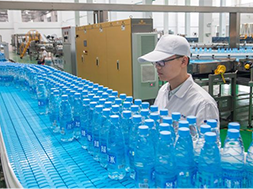
Chlorine dioxide can efficiently disinfect drinking water, is not easy to generate carcinogenic disinfection by-products, and will produce chlorite and other residues, which must comply with the national standard limits. It shall be accurately added according to the water quality and equipped with qualified equipment and process. The safety of compliant use is high. Water supply enterprises need to do a good job in control and monitoring to ensure the safety of water quality.
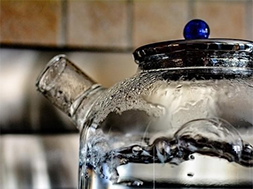
Chlorine dioxide is a who Certified grade A1 safe disinfectant with high sterilization efficiency, few harmful by-products, strong water quality adaptability and multiple water purification functions; Compared with traditional chlorine disinfection, it is safer and more environmental friendly, and can be widely used in drinking water, sewage treatment, food and beverage disinfection and other fields.
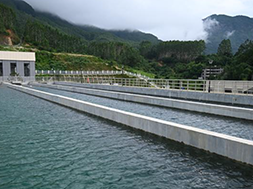
Chlorine dioxide can sterilize and remove odors in water treatment plants and is unlikely to generate trihalomethanes. However, in practical applications, it can fail to remove odors or even produce new unpleasant smells. Organic matter in the water source, bromide ions, and low temperatures can affect treatment effectiveness. Furthermore, its removal capacity for geosmin and 2-methylisoborneol is limited, and improper dosage can also cause odor problems. Water treatment plants need to strengthen water quality monitoring, dynamically adjust dosages, and, when necessary, combine ozone-activated carbon processes to ensure that the odor of the treated drinking water meets standards.
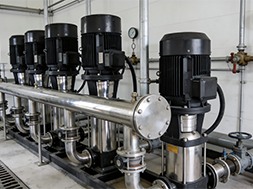
When adding chlorine dioxide to the water pumping station to maintain residual chlorine in the pipeline network, it is necessary to avoid pipeline corrosion caused by local high concentrations. The dosage should be accurately controlled by flow-linked dosing, pipeline mixing, and online residual chlorine monitoring, while also paying attention to under-scale corrosion, thus balancing disinfection and pipeline protection.
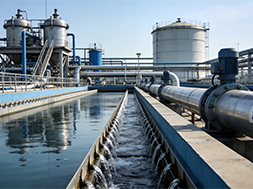
Pipeline network renovations can easily alter the hydraulic conditions of the network, increasing flow velocity and creating stagnant zones that consume chlorine dioxide, leading to fluctuations in water quality. Water plants can ensure the quality of water supplied to the end points through monitoring and prediction, dynamic chemical dosing, pipeline flushing, and the activation of contingency plans.
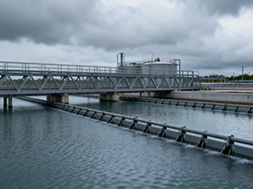
Traditional chlorine disinfection is prone to producing carcinogenic halogenated by-products; chlorine dioxide oxidizes and kills bacteria, with almost no such by-products, good inactivation effect, and the ability to remove odor and inhibit algae, but it generates by-products such as chlorite, requires higher raw material and operation and maintenance costs, and is suitable for water plants that can be upgraded and managed in a coordinated manner, rather than being simply and directly replaced.
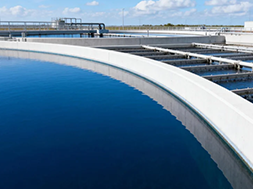
This study simulates a scenario where a small town's water plant experiences a sudden pollution outbreak caused by medical wastewater and the failure of chlorine dioxide disinfection. It analyzes the reasons why pollutants consume disinfectant and provides four-step emergency response measures. Furthermore, it proposes long-term improvement suggestions in terms of monitoring, supplies, contingency plans, and drills to enhance the emergency response capabilities of small and medium-sized water plants.
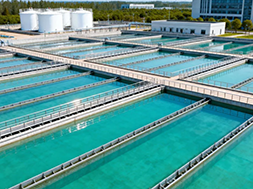
Switching from sodium hypochlorite to chlorine dioxide disinfection in water plants is not just about replacing equipment; it's a complete system upgrade. Chlorine dioxide disinfection is more effective, produces fewer byproducts, and has lower overall costs. However, many water plants only replace the hardware, neglecting personnel training and adapting management systems. The core of this transformation is shifting from experience-based to scientific operation.
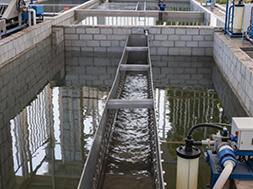
The actual dosage of chlorine dioxide at water treatment plants often exceeds the theoretical value, influenced by factors such as reducing agents in the water, sediment in the pipe network, water quality fluctuations, and byproduct consumption. By leveraging monitoring and local operational data to optimize dosage, we can provide water quality assessments and customized dosage solutions.
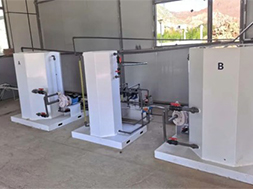
A water plant in a county in Qinghai Province with a capacity of 30,000 cubic meters per day was found to have excessive byproducts from sodium hypochlorite disinfection. It was upgraded to a Xiuba chlorine dioxide dosing system. Four on-site tests showed that residual chlorine dioxide in the effluent was within acceptable limits, achieving stable compliance. Water treatment upgrades need to be tailored to specific on-site conditions to create a complete closed-loop disinfection process.
Northeast of Huangshan Road and Chuangye Intersection, Small and Medium sized Enterprise Entrepreneurship Industrial Park, Shanwang Town, Linqu County, Weifang City, Shandong Province
Copyright © 2025 by Shandong Huashi Pharmaceutical Co., Ltd All Rights Reserved


 Language
 中文
中文 Русский
 Chlorine Dioxide Disinfectant Manufacturer


