Welcome to Our Factory for a Visit! Free customized disinfection solutions
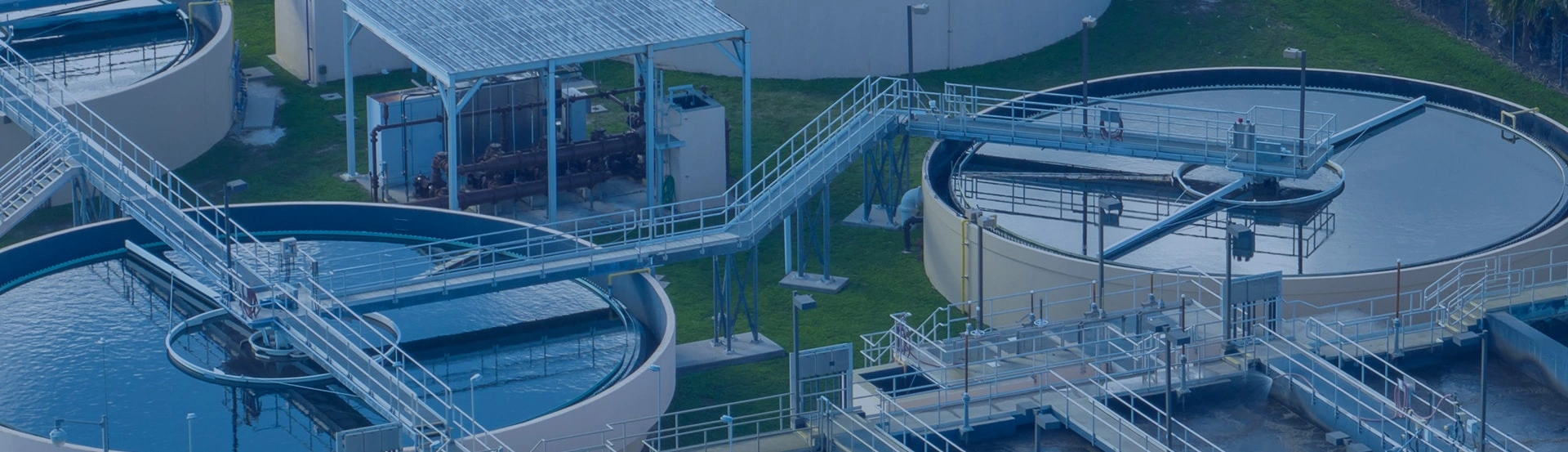
In drinking water treatment, chlorine dioxide is used in some applications because of its strong oxidation and disinfection capability. Compared with conventional free chlorine disinfection, it generally forms lower amounts of certain typical halogenated organic disinfection by-products, although chlorite and chlorate still need to be controlled.
After entering the distribution system, chlorine dioxide travels with the water through long-distance pipelines before reaching consumers. During this process, the chlorine dioxide residual gradually decays under the influence of water age, temperature, water quality, pipe material, and network conditions.
For systems with long distribution distances, high water age, or insufficient chlorine dioxide residual at remote points, an intermediate booster dosing point may be considered based on risk assessment and process validation in order to maintain a stable disinfectant residual and microbiological control at the network extremities.
However, water utility operators also face a practical challenge: they need to maintain an adequate chlorine dioxide residual at the far end of the network while avoiding excessive local concentrations near the booster dosing point, which could increase the risk of material oxidation, pipeline corrosion, or higher by-product control pressure.
So how should chlorine dioxide booster dosing at a finished-water pump station be properly controlled?
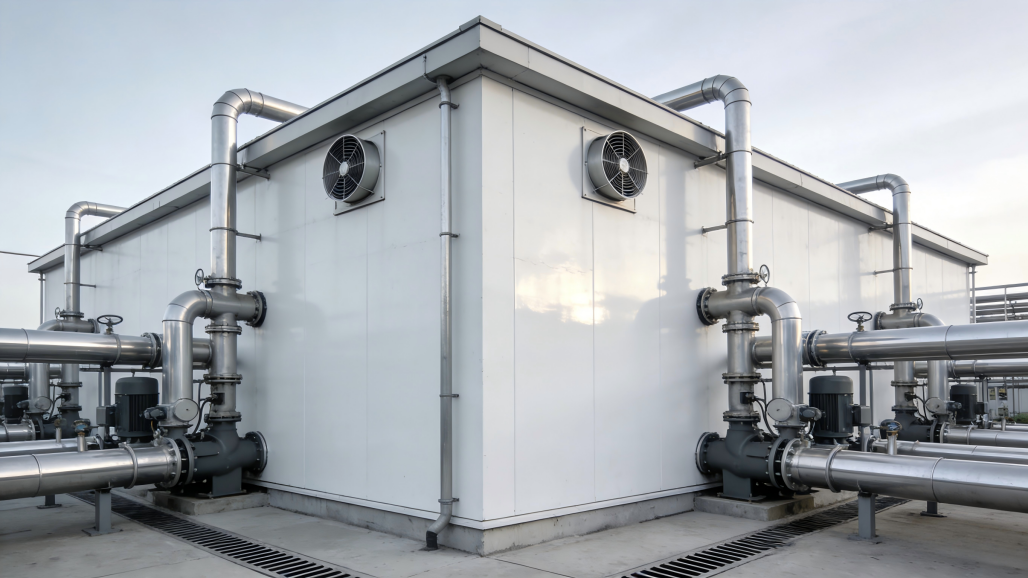
A common misconception is that if the goal is to maintain a disinfectant residual at remote points, adding more chlorine dioxide at the pump station must be safer.
However, chlorine dioxide is a strong oxidizing agent. If the dosing point is poorly designed or mixing is insufficient, locally elevated concentrations may occur. Excessive or prolonged local exposure may increase the oxidation, aging, or corrosion risk of certain piping materials. The actual effect depends on pipe material, water quality, temperature, contact time, and the condition of existing corrosion scales.
Therefore, the real objective of booster dosing is not to create a high instantaneous concentration, but to ensure that chlorine dioxide is rapidly and uniformly mixed into the main water stream and that the residual throughout the network remains within a range that meets terminal disinfection requirements without unnecessary overdosing.
How can chlorine dioxide dosing at a finished-water pump station be controlled properly? The key lies in flow-based control, mixing conditions, and online feedback.
Pump station flow rates can vary significantly between peak-demand periods and low-demand periods.
If the dosing pump continues operating at a fixed rate, a lower water flow may result in excessive dosing per unit volume of water, while a higher flow may result in underdosing.
Therefore, a basic control strategy is to use flow-proportional feedforward control, allowing the dosing rate to change in real time according to the pump discharge flow.
Flowmeter data can be transmitted directly to the dosing control system, which dynamically adjusts the metering pump output according to actual water flow. In simple terms: more water requires more chemical, and less water requires less chemical. This helps reduce large fluctuations in chlorine dioxide concentration at the source.
Where conditions permit, online chlorine dioxide residual monitoring can be added to provide feedback correction, creating a combined flow feedforward + residual feedback control strategy.
A downstream pump discharge pipe is not automatically unsuitable as a dosing location. The key issue is whether the injection point and downstream mixing conditions are properly designed.
If chlorine dioxide is injected through a single point near the pipe wall and there is insufficient turbulence or downstream mixing distance, the chemical may not disperse quickly enough into the main flow, creating local concentration gradients.
Depending on site hydraulics, a static mixer may be installed at an appropriate location, or a sufficiently turbulent pipeline section may be used to promote rapid and uniform mixing of chlorine dioxide with the bulk water.
A static mixer uses fixed internal mixing elements to repeatedly divide, shear, and recombine the flow, thereby improving chemical dispersion.
The required mixing distance should not be defined by a universal rule such as “several dozen meters.” It should instead be determined according to pipe diameter, flow velocity, mixer design, and actual hydraulic conditions.
After dosing, performance should be verified with data rather than relying only on operator experience.
An online chlorine dioxide analyzer can be installed at an appropriate downstream location where the chemical has already been substantially mixed into the water.
The control target should not simply be fixed at a universal value such as 0.5 mg/L. Instead, a suitable control range should be determined according to the required terminal chlorine dioxide residual, the decay characteristics of the distribution network, water age, seasonal variations, and applicable drinking water standards.
If the monitored residual is too high, the control system can appropriately reduce the dosing rate. If the residual drops, the system can correct the dose according to both flow and measured residual.
In this way, the booster dosing system moves beyond simple fixed-rate chemical addition and becomes a closed-loop control process combining flow and chlorine dioxide residual data.
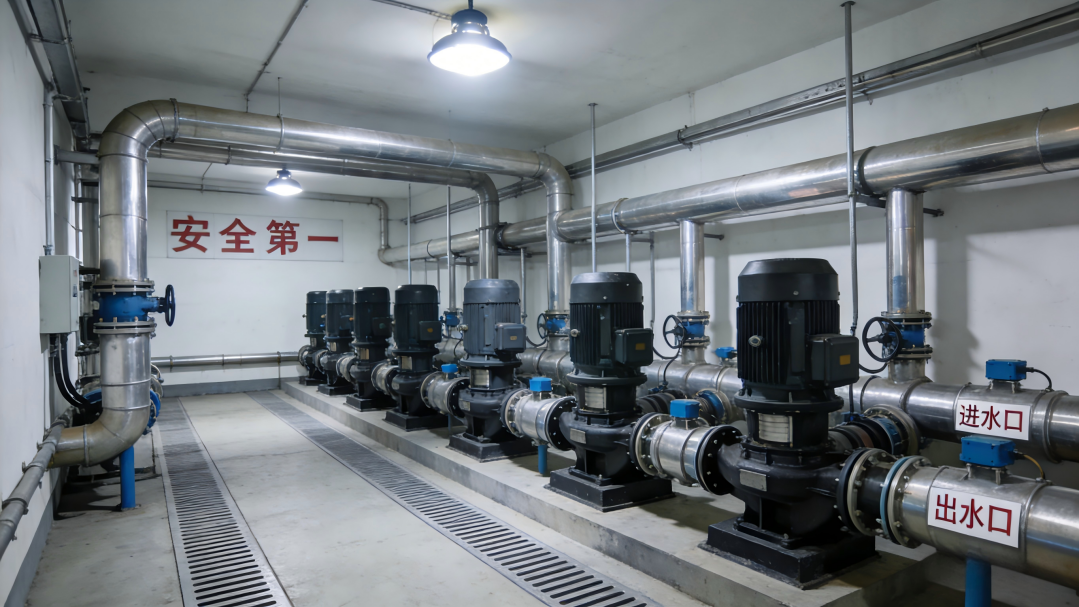
When chlorine dioxide is used for booster dosing at a pump station, two additional issues should be considered: by-product control and long-term compatibility with distribution system materials.
Chlorine dioxide treatment can result in the formation of chlorite, chlorate, and other transformation products. Therefore, booster dosing should not focus only on the chlorine dioxide residual. Generator performance, actual dose, and water quality conditions should also be considered.
If relatively high dosing levels are maintained for long periods simply to increase the residual at remote points, local chlorine dioxide concentrations may increase, but the pressure to control associated by-products may also rise.
At the same time, long-term oxidative exposure does not affect all materials in the same way.
Metal pipes, rubber seals, and some polymer materials may experience different levels of corrosion, aging, or material-property changes depending on the type of material, water temperature, water chemistry, disinfectant exposure level, and duration of service.
For this reason, it is not technically appropriate to attribute pipeline perforation simply to a pathway such as “chlorine dioxide oxidizes iron, which forms ferrous carbonate scale and then causes localized corrosion.” Actual pipe corrosion is a much more complex electrochemical and materials-related process.
If a section of the distribution system already shows obvious corrosion, increased deposits, abnormal iron release, or material deterioration, a dedicated assessment should be conducted based on pipe material, historical operating data, and actual water quality.
Where corrosion or material degradation is a concern, the assessment may include factors such as:
pH and alkalinity;
water temperature;
iron and manganese;
pipe material and service age;
water age;
corrosion products and deposits;
and, where necessary, corrosion coupons or dedicated material testing.
Routine monitoring of dissolved oxygen or corrosion potential should not automatically be treated as a universal primary control method for every booster pump station.
Similarly, if corrosion control is genuinely required, water stability and pipe material compatibility should first be assessed by qualified water-treatment professionals. Any adjustment of pH, alkalinity, or other corrosion-control measures should comply with drinking water treatment requirements and should not be introduced casually simply to reduce localized corrosion.
Chlorine dioxide booster dosing at a finished-water pump station is therefore not simply a matter of adding another dosing pump. It is a system-control process involving dosing, mixing, monitoring, and management of residual decay throughout the distribution network.
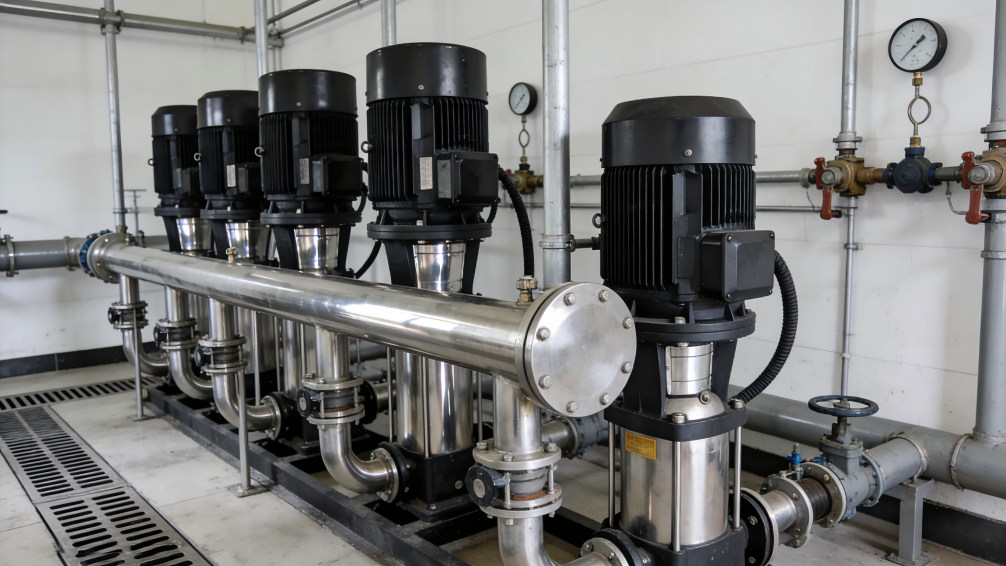
Optimizing the dosing point and mixing method can reduce local concentration gradients.
Flow-proportional control can reduce dosing fluctuations caused by changes in water demand.
Online chlorine dioxide residual feedback can further correct the dosing rate.
When these measures are combined with by-product control and material compatibility assessment, the booster dosing system can operate more reliably.
The ultimate goal is to maintain microbiological safety and an adequate chlorine dioxide residual at the far end of the network while minimizing unnecessary overdosing, limiting by-product formation pressure, and protecting the long-term stability of the distribution system and terminal equipment.
After all, drinking water disinfection is not a matter of “the more chemical, the safer.”
A more rational approach is to ensure that every gram of chlorine dioxide is used at the right location, at an appropriate concentration, and under suitable hydraulic conditions.
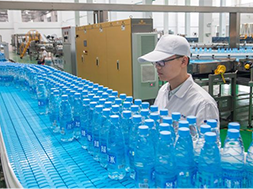
Chlorine dioxide can efficiently disinfect drinking water, is not easy to generate carcinogenic disinfection by-products, and will produce chlorite and other residues, which must comply with the national standard limits. It shall be accurately added according to the water quality and equipped with qualified equipment and process. The safety of compliant use is high. Water supply enterprises need to do a good job in control and monitoring to ensure the safety of water quality.
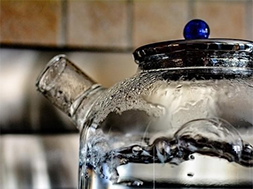
Chlorine dioxide is a who Certified grade A1 safe disinfectant with high sterilization efficiency, few harmful by-products, strong water quality adaptability and multiple water purification functions; Compared with traditional chlorine disinfection, it is safer and more environmental friendly, and can be widely used in drinking water, sewage treatment, food and beverage disinfection and other fields.
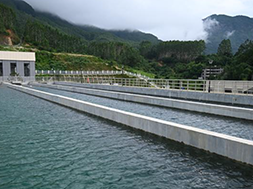
Chlorine dioxide can sterilize and remove odors in water treatment plants and is unlikely to generate trihalomethanes. However, in practical applications, it can fail to remove odors or even produce new unpleasant smells. Organic matter in the water source, bromide ions, and low temperatures can affect treatment effectiveness. Furthermore, its removal capacity for geosmin and 2-methylisoborneol is limited, and improper dosage can also cause odor problems. Water treatment plants need to strengthen water quality monitoring, dynamically adjust dosages, and, when necessary, combine ozone-activated carbon processes to ensure that the odor of the treated drinking water meets standards.
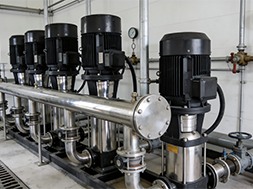
When adding chlorine dioxide to the water pumping station to maintain residual chlorine in the pipeline network, it is necessary to avoid pipeline corrosion caused by local high concentrations. The dosage should be accurately controlled by flow-linked dosing, pipeline mixing, and online residual chlorine monitoring, while also paying attention to under-scale corrosion, thus balancing disinfection and pipeline protection.
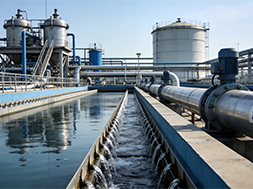
Pipeline network renovations can easily alter the hydraulic conditions of the network, increasing flow velocity and creating stagnant zones that consume chlorine dioxide, leading to fluctuations in water quality. Water plants can ensure the quality of water supplied to the end points through monitoring and prediction, dynamic chemical dosing, pipeline flushing, and the activation of contingency plans.
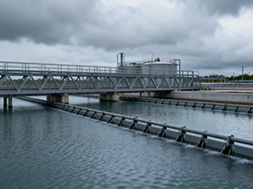
Traditional chlorine disinfection is prone to producing carcinogenic halogenated by-products; chlorine dioxide oxidizes and kills bacteria, with almost no such by-products, good inactivation effect, and the ability to remove odor and inhibit algae, but it generates by-products such as chlorite, requires higher raw material and operation and maintenance costs, and is suitable for water plants that can be upgraded and managed in a coordinated manner, rather than being simply and directly replaced.
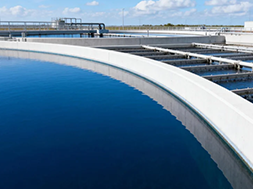
This study simulates a scenario where a small town's water plant experiences a sudden pollution outbreak caused by medical wastewater and the failure of chlorine dioxide disinfection. It analyzes the reasons why pollutants consume disinfectant and provides four-step emergency response measures. Furthermore, it proposes long-term improvement suggestions in terms of monitoring, supplies, contingency plans, and drills to enhance the emergency response capabilities of small and medium-sized water plants.
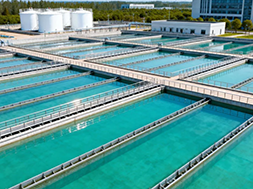
Switching from sodium hypochlorite to chlorine dioxide disinfection in water plants is not just about replacing equipment; it's a complete system upgrade. Chlorine dioxide disinfection is more effective, produces fewer byproducts, and has lower overall costs. However, many water plants only replace the hardware, neglecting personnel training and adapting management systems. The core of this transformation is shifting from experience-based to scientific operation.
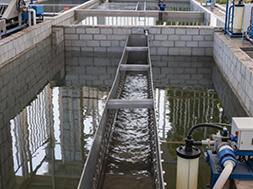
The actual dosage of chlorine dioxide at water treatment plants often exceeds the theoretical value, influenced by factors such as reducing agents in the water, sediment in the pipe network, water quality fluctuations, and byproduct consumption. By leveraging monitoring and local operational data to optimize dosage, we can provide water quality assessments and customized dosage solutions.
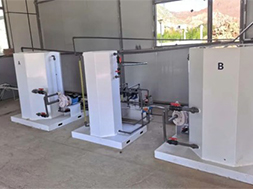
A water plant in a county in Qinghai Province with a capacity of 30,000 cubic meters per day was found to have excessive byproducts from sodium hypochlorite disinfection. It was upgraded to a Xiuba chlorine dioxide dosing system. Four on-site tests showed that residual chlorine dioxide in the effluent was within acceptable limits, achieving stable compliance. Water treatment upgrades need to be tailored to specific on-site conditions to create a complete closed-loop disinfection process.
Northeast of Huangshan Road and Chuangye Intersection, Small and Medium sized Enterprise Entrepreneurship Industrial Park, Shanwang Town, Linqu County, Weifang City, Shandong Province
Copyright © 2025 by Shandong Huashi Pharmaceutical Co., Ltd All Rights Reserved


 Language
 中文
中文 Русский
 Chlorine Dioxide Disinfectant Manufacturer


