Welcome to Our Factory for a Visit! Free customized disinfection solutions

Chlorine dioxide is an important and excellent bleaching agent for sulfate pulp. In bleaching, it can be used in two different stages to achieve different purposes. On the one hand, it is an excellent brightening agent, used at the end of the bleaching process to achieve high pulp whiteness with good whiteness stability. On the other hand, chlorine dioxide differs from elemental chlorine in that it can absorb five electrons, thus enhancing its oxidizing power. It also has a strong lignin removal effect, and can be used at the beginning of the bleaching process to remove lignin. Compared to using elemental chlorine alone, or in combination with elemental chlorine dioxide, it has a stronger lignin removal capacity and better delignification selectivity , avoiding severe degradation of cellulose and hemicellulose.
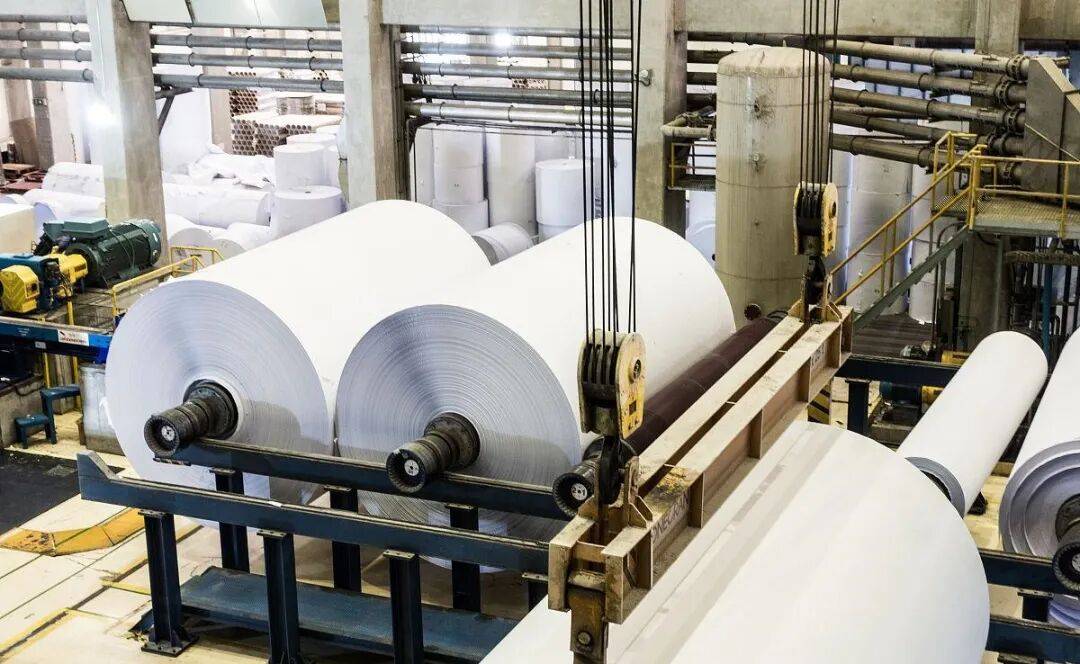
In China, chlorine, hypochlorite, and hydrogen peroxide are the main bleaching agents used for pulp. Bleaching with hypochlorite and chlorine easily produces carcinogenic organochlorides, and hypochlorous acid also oxidizes cellulose, reducing the material's strength. Furthermore, chlorine bleaching results in unstable pulp brightness and a tendency to yellow during storage . When using hydrogen peroxide as a bleaching agent, if the solution contains a large number of metal ions that decompose hydrogen peroxide, up to 65% of the hydrogen peroxide may be ineffectively decomposed during the bleaching process. Chlorine dioxide bleaching overcomes these drawbacks, producing pulp with high brightness, good brightness stability, minimal viscosity reduction, high pulp yield, and very low levels of carcinogenic organochlorides in the bleaching wastewater.
Reducing the amount of elemental chlorine used in the bleaching process, and replacing some or all of the chlorine gas with chlorine dioxide, is an effective measure to reduce pollution in bleaching wastewater . During bleaching, Cl₂ and ClO₂ react with lignin to form organochlorides. However, the reaction between Cl₂ and lignin is mainly a substitution reaction, easily forming polychlorinated phenols. Chlorine dioxide, on the other hand, generally causes lignin to decompose, breaking it down into fragments, thus significantly reducing the content of dioxins and furans in bleaching wastewater. Studies have shown that in bleaching wastewater from low- carbohydrate pulp produced using the ECF process with modified cooking, AOX can be reduced to below 0.15 kg/t oven- dry pulp , chlorophenols can be removed by 98%, and dioxins can be reduced to undetectable levels.
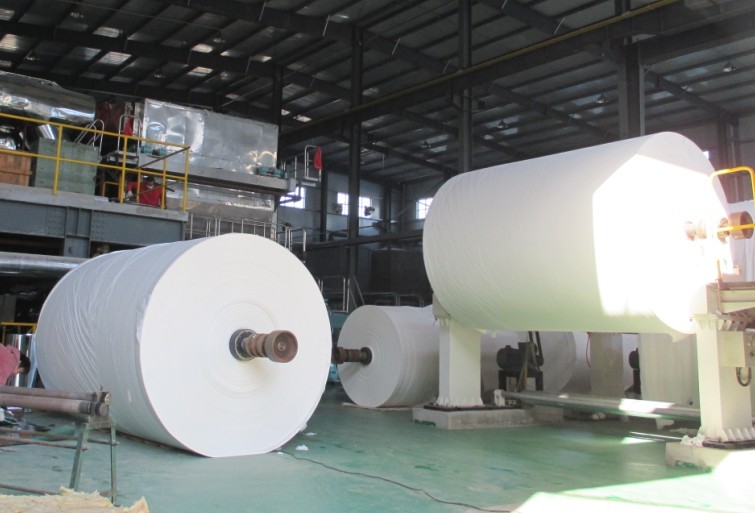
The application of chlorine dioxide has received widespread attention worldwide. Replacing Cl₂ with 100% ClO₂ to produce ECF pulp is currently the main measure adopted by many factories in Europe and North America.
Chlorine dioxide is a widely adopted technology in developed countries for bleaching and brightening pulp. To date, no more ideal alternative has been found that surpasses chlorine dioxide in terms of cost, pulp brightness, strength, and stability. Therefore, the chlorine bleaching method used in pulping will soon be replaced. Chlorine dioxide has a weaker oxidizing power than hypochlorous acid, a commonly used oxidizing bleaching agent, but stronger than chlorine gas. When bleaching pulp, hypochlorous acid simultaneously oxidizes cellulose, reducing the material's strength, while chlorine bleaching reacts with lignin to form chlorinated lignin, resulting in unstable pulp brightness and a tendency to yellow during storage. Chlorine dioxide bleaching overcomes these drawbacks. Bleached pulp exhibits high brightness, high strength, no yellowing, minimal viscosity reduction, good opacity, easy fading of dust spots, high pulp yield, and the absence of carcinogenic organochlorides in the bleaching solution. For difficult-to-bleach pulps such as sulfate wood pulp, chlorine dioxide is currently the best bleaching agent, achieving a brightness of over 90 degrees with minimal damage to fiber strength. For pulp with the same whiteness and strength requirements, chlorine dioxide only needs to be bleached to stage 5, while hypochlorous acid requires at least stage 8 to 9. Chlorine dioxide can exert a good bleaching effect under acidic (pH 3.5 to 5.5), neutral, or alkaline (pH 8.5 to 9.5) conditions.
Chlorine dioxide, as the main bleaching agent in elemental chlorine-free (ECF) sequential bleaching processes, is widely used in pulp mills both domestically and internationally for multi-stage bleaching of wood pulp, bamboo pulp, reed pulp, and wheat ( rice) straw pulp, gradually reducing or replacing hypochlorite bleaching . Compared with traditional chlorine and sodium hypochlorite bleaching, the main advantages of chlorine dioxide can be summarized as follows:
(1) Selective removal of lignin. Chlorine dioxide has a low oxidation potential, and pulp bleaching has a strong selectivity for lignin, which can break the ether bonds of lignin and open the benzene ring, making it soluble in dilute alkaline solution. It causes less damage to cellulose and hemicellulose, resulting in high bleached pulp yield, high mechanical strength, and good whiteness stability. The strength of the pulp is significantly improved, and the resin content in the pulp is low.
(2) Chlorine dioxide has strong oxidizing power and high bleaching efficiency. 1 kg of chlorine dioxide is equivalent to the oxidizing power of 2.63 kg of hypochlorite, and it works best in weak acid media.
rotten pulp during papermaking .
(4) The wastewater has a low load, which greatly reduces the toxic and carcinogenic organic halides (AOX), reduces wastewater treatment costs, and reduces water consumption in papermaking.
(5) Bleaching waste paper pulp with chlorine dioxide is easier than bleaching chemical pulp with chlorine dioxide. It requires less dosage, can be carried out under neutral or alkaline conditions, is not greatly affected by temperature, and has a very short processing time, generally only 5 minutes.
(6) It can eliminate fluorescent whitening agents in waste paper pulp. Even a small amount of chlorine dioxide can significantly reduce the fluorescence of waste paper pulp, while even with a large increase in the amount of fluorescent inhibitor, it is difficult to reduce the pulp fluorescence to the level achieved with a small amount of chlorine dioxide. Fluorescent inhibitors reduce the apparent whiteness of the pulp, resulting in a significant loss of pulp whiteness. Chlorine dioxide reacts rapidly to destroy the molecular structure of fluorescent whitening agents, and the reaction occurs at an alkaline pH (compared to an acidic pH during non-chlorine dioxide bleaching). Practical experience has shown that no increase in corrosion has been observed.
(7) It can reduce the acidity, color and sodium chloride content of bleaching wastewater. Bleaching loss is reduced , yield is increased, and COD of intermediate wastewater is reduced.
(8) Bleaching pulp with chlorine and hypochlorite as bleaching agents produces wastewater containing large amounts of the carcinogen dioxin, while bleaching can greatly reduce the emission of carcinogens. In recent years, due to increasingly stringent environmental protection requirements, this discovery has prompted us to consider using bleached pulp more.
Given these advantages, chlorine dioxide has become the mainstream bleaching agent for chemical pulp bleaching. Currently, more than 90% of chemical pulp worldwide is bleached using chlorine dioxide.
3.2.1.5 Chlorine dioxide bleaching process conditions
The basic process conditions for chlorine dioxide bleaching include the amount of chlorine dioxide used, the pH of the medium, the slurry concentration, the temperature, and the time.
(1) The production cost of chlorine dioxide is relatively high, and it is usually used as a supplement to bleaching after the CE stage (chlorination-alkali treatment). The general dosage is 0.7% to 2.0%, and when it is used to replace chlorine in the chlorination stage , the dosage is 0.1% to 1.5%.
(2) As mentioned above, bleaching is carried out under weak acid conditions, so the oxidizing ability can be fully utilized. Therefore, the pH is generally controlled in the range of 3.5 to 5.5.
(3) Increasing the pulp concentration in bleaching is beneficial to improving the production capacity of the equipment and saving steam consumption. For the currently used mixing equipment, the pulp concentration for bleaching is 10% to 12%.
(4) Temperature and time react quickly with the pulp. 75% of the pulp is consumed in the first 5 minutes of the reaction. The reaction slows down afterward. Therefore, in industrial production, a bleaching temperature of 60-70℃ and a bleaching time of 3 hours are generally used.
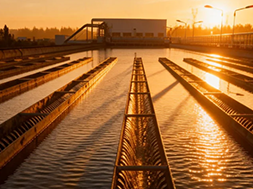
Chlorine dioxide disinfection pipelines in water plants are prone to blockage due to salt crystallization caused by disproportionation reactions. This can be prevented by optimizing the purity of the solution, designing the pipeline properly, regularly flushing and insulating, and conducting thorough inspections and chemical cleaning (hydrochloric acid should not be used). These multi-dimensional measures can help prevent crystallization and ensure the stable operation of the disinfection system.
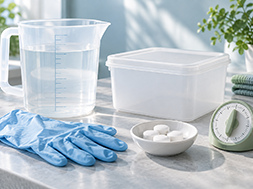
The pestis pestis leakage incident in the Russian laboratory reminded the public that pestis can be spread by fleas, infected animals, and droplets. The prevention and control should focus on the environment and rat flea management, instead of blind disinfection and sterilization. Xiuba chlorine dioxide disinfection tablet can only be used for preventive disinfection of object surface according to instructions. It has no special killing effect of pestis bacilli, and cannot be used as special epidemic prevention materials for pestis. It needs to be operated in a standardized way. Do not over disinfect due to network rumors.
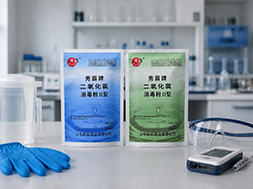
In 2026, Xiuba proposed that it is not enough to simply meet product qualification requirements; it is necessary to promote "green" practices in product selection, operation, safety, and record-keeping, rely on actual measurement data to verify effectiveness, strictly adhere to safety boundaries, and promote high-quality development of the industry.
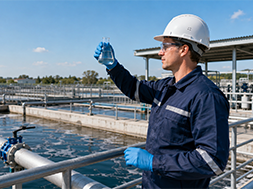
Traditional chlorine preparations are prone to producing harmful chlorination by-products and will eventually be phased out; Chlorine dioxide relies on a unique electron transfer oxidation mechanism, producing almost no organic chlorides, with high sterilization efficiency and lower risk of by-products. Xiuba relies on years of large-scale production and university research cooperation, with complete product qualifications, strict control of disinfection residues, and a balance between effective disinfection and ecological green, in line with the industry's green and low-carbon development trend.
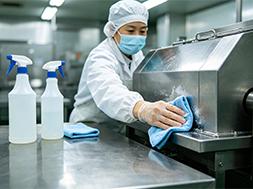
Focusing on three core selection dimensions—cost, safety, and broad-spectrum disinfection—this article compares chlorine dioxide with disinfectants such as ozone and peracetic acid, highlighting its significant advantages in terms of sterilization mechanism, usage safety, and long-term cost. The product is suitable for various scenarios including water supply, food processing, and wastewater treatment. Addressing market issues of misleading labeling, the article provides purchasing advice and recommends Xiuba Chlorine Dioxide, a brand with deep industry experience and complete certifications.
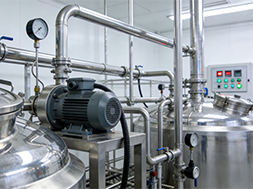
This article points out that during CIP cleaning, adding chlorine dioxide before alkaline washing and during acid-alkali rinsing has poor effects; the optimal point is after acid washing, when the acidic clean environment is suitable for the agent, and it is also necessary to drain residual acid, control the temperature, and circulate for 15-20 minutes to improve the disinfection effect.
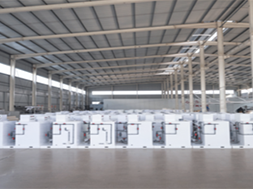
This article compares the applicable scenarios of chemical and electrolytic chlorine dioxide generators, explaining the manufacturer selection criteria from five dimensions: qualifications, accessories, case studies, after-sales service, and process compatibility. It also introduces five major development trends, including intelligent and modular equipment. Xiuba XB series equipment complies with GB 28931-2024 standards, has complete qualifications, and offers 24/7 full-process service. It is suitable for multiple industries and can reduce maintenance costs and operational risks.
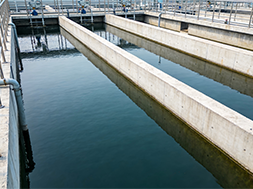
Chlorine dioxide is safe, efficient, and suitable for multiple industries, with the market continuously expanding and benefiting from ongoing policy support.Shandong Huashi Pharmaceutical's Xiuba division has been deeply involved in the industry for many years and can provide a full range of chlorine dioxide disinfection products and related technical services.
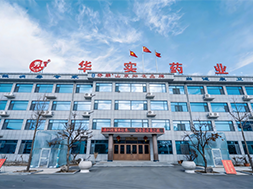
Xiuba has been deeply involved in chlorine dioxide disinfection for nearly 30 years, possessing mature technology and a rich product line. The brand has completed a strategic transformation, shifting from simply selling products to providing customized disinfection services throughout the entire process, integrating industry resources, and specifically addressing various disinfection pain points for companies in the drinking water, food, and medical fields.
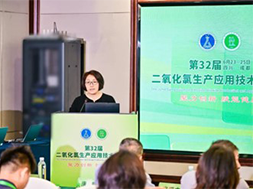
Shandong Huashi Pharmaceutical took part in the 32nd National Chlorine Dioxide Technology Symposium held in Chengdu this June. Our technical team shared professional research on chlorine dioxide disinfection for medical and public health scenarios and exchanged industry technologies with over 70 experts and manufacturers. This participation fully proves our solid R&D strength and professional standing in the chlorine dioxide disinfection field.
Northeast of Huangshan Road and Chuangye Intersection, Small and Medium sized Enterprise Entrepreneurship Industrial Park, Shanwang Town, Linqu County, Weifang City, Shandong Province
Copyright © 2025 by Shandong Huashi Pharmaceutical Co., Ltd All Rights Reserved


 Language
 中文
中文 Русский
 Chlorine Dioxide Disinfectant Manufacturer


