Welcome to Our Factory for a Visit! Free customized disinfection solutions

In 2026, the food processing industry ushered in a new round of food safety supervision upgrades. Microbial contamination control and additive-free preservation became core concerns for starch product processing enterprises, especially for wet starch products such as wide rice noodles and potato starch noodles. These products, due to their high moisture content, susceptibility to bacterial growth, short shelf life, and significant transportation losses, have long plagued the industry's development. How to achieve both preservation and taste quality assurance for wet starch products without adding preservatives has become an important research direction in the starch product processing field. Chlorine dioxide, as a safe, effective, and environmentally friendly disinfectant, plays a crucial role in the preservation of wet starch foods due to its strong oxidizing properties, lack of residue, and bactericidal characteristics, providing a new technological solution for the processing and production of wide rice noodles and potato starch noodles.
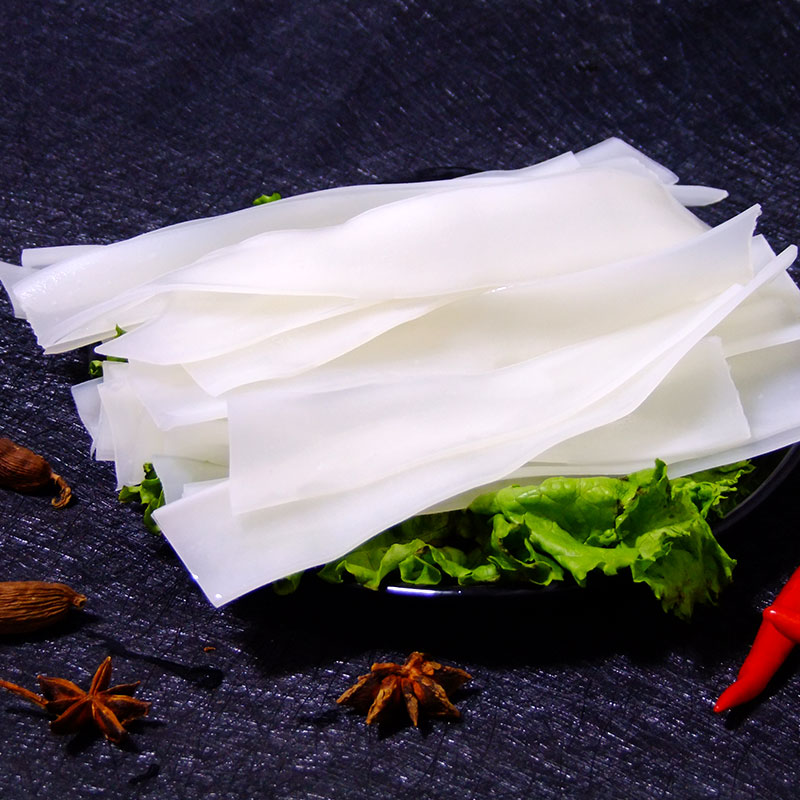
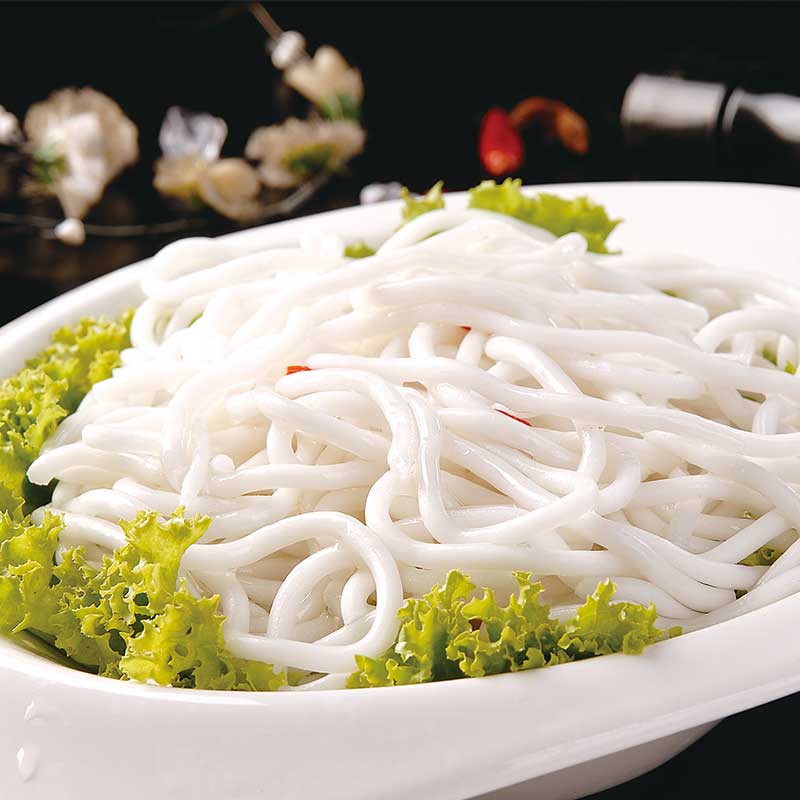
Chlorine dioxide is an internationally recognized Class A1 safe disinfectant. Its sterilization principle involves releasing atomic oxygen to destroy the cell walls and enzyme systems of microorganisms, rapidly killing harmful microorganisms such as bacteria, fungi, and viruses. Furthermore, it does not produce toxic byproducts such as chloroform during its action, nor does it react with starchy substances, thus preserving the original texture and nutrients of wide rice noodles and potato starch noodles to the greatest extent possible. In the processing of wide rice noodles and potato starch noodles, the application of chlorine dioxide is crucial in the preservation and freshness-maintaining stages. Precise usage guidelines and process requirements exist for the processing characteristics of these two products, ensuring both effective sterilization and compliance with national food hygiene standards.
The processing of wet potato starch follows a core process: kneading , extrusion molding , steaming , cooling , soaking , water control , and vacuum packaging. Soaking is crucial for preservation. Even after steaming and cooling, some harmful microorganisms remain in the wet potato starch, making direct packaging highly susceptible to spoilage. To address this, a treatment method using lactic acid combined with a 15-20 mg/L concentration of Xiuba chlorine dioxide disinfectant is employed. Soaking time is controlled at 30 minutes. Multiple practical tests have verified that this ratio maintains the optimal pH range of 3.8-3.9 for the wet potato starch, effectively killing pathogens such as E. coli and mold without altering the smooth texture of the potato starch. Xiuba chlorine dioxide disinfectant has an activation rate of over 98% at this concentration, which can quickly penetrate to the surface of the powder to form a temporary antibacterial protective layer, laying the foundation for subsequent vacuum packaging and room temperature storage. Potato starch wet powder treated by this process can have its shelf life extended to 6-8 months at room temperature, and its shelf life can be further extended by refrigeration.
The processing technology of wide rice noodles differs somewhat from that of wet potato starch noodles. After steaming and boiling, they need to undergo cold storage freezing, cutting, and then disinfection and preservation. This places higher demands on the sterilization efficiency and compatibility of disinfectants. After being frozen at -5 degrees Celsius for 24-36 hours and cut, the surface of wide rice noodles is prone to harboring microorganisms from the frozen environment. Immersion disinfection with a 200ppm concentration of Xiuba chlorine dioxide disinfectant at this time can achieve effective sterilization in just 5 minutes. The rapid dissolution of Xiuba chlorine dioxide disinfectant allows it to dissolve quickly in water, forming a uniform disinfectant solution without the need for prolonged activation. This is suitable for the industrialized production rhythm of wide rice noodle processing. No additional rinsing is required after immersion, leaving no residue or odor, and does not affect the color or taste of the wide rice noodles. After vacuum packaging, the processed wide rice noodles can still be stored at room temperature for 6-8 months, effectively solving the transportation and storage problems for wide rice noodle processing enterprises.
Xiuba chlorine dioxide is a preferred product for the preservation and sterilization of wide rice noodles and potato starch wet noodles, thanks to its decades of technological accumulation and professional product development capabilities. As a brand deeply rooted in the chlorine dioxide disinfection field for 43 years, Xiuba holds 35 related patents, including 9 invention patents and 26 utility model patents. Technical Director Chen Xiaoping also participated in the drafting and formulation of the national standard "Stable Chlorine Dioxide Solution (GB/T 20783-2023)," optimizing the product's activation rate, stability, and other core indicators to better suit the processing characteristics of starch products, specifically addressing the needs of the food processing industry. Shandong Huashi Pharmaceutical has been deeply involved in the chlorine dioxide field for many years, developing multiple chlorine dioxide products that are at a high level both domestically and internationally, providing professional technical support for the disinfection of wet starch noodles.
In terms of product qualifications and quality control, Xiuba chlorine dioxide disinfectant has passed three authoritative certifications: ISO9001 Quality Management System, ISO14001 Environmental Management System, and ISO45001 Occupational Health and Safety Management System. It also possesses water-related permits, third-party inspection reports, and enterprise product standards. Its production workshop is a 10,000-square-meter sanitary-grade facility equipped with industry-leading quality control equipment. From raw material procurement to finished product delivery, it undergoes multiple testing processes to ensure that the concentration and purity of each product meet standards, providing food processing companies with stable and reliable disinfection products. Furthermore, this brand's chlorine dioxide disinfectant has been selected for the central emergency reserve and has undergone practical testing in various public health scenarios, further demonstrating the product's reliability.
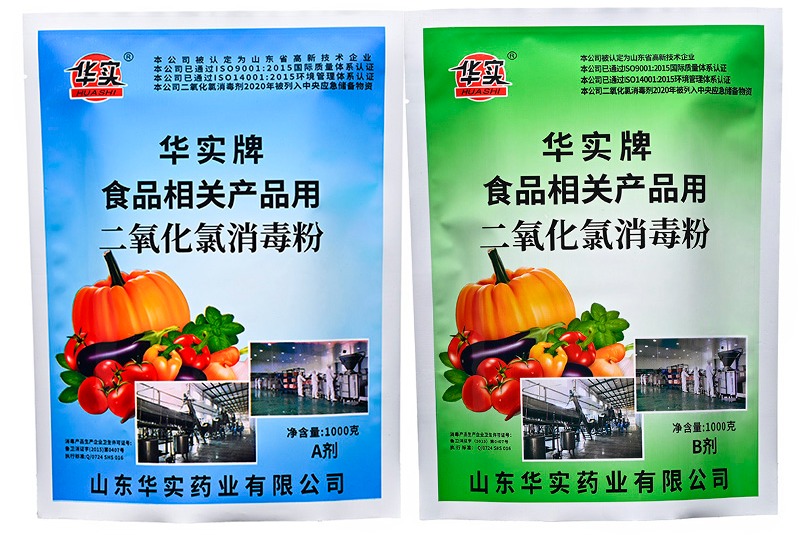
The application of Xiuba chlorine dioxide disinfectant is not limited to the core steps of soaking and disinfecting wide rice noodles and potato starch wet rice noodles, but can comprehensively cover the disinfection needs of the entire process of starch product processing. In food processing workshops, Xiuba chlorine dioxide effervescent tablets can be used to atomize and disinfect the workshop air, walls, and floors, killing airborne bacteria ; for production equipment, production lines, and various processing tools, disinfection can be carried out by wiping or soaking to remove residual microorganisms hidden in the crevices of equipment; it can also be used for hand disinfection and foot bath disinfection of processing personnel, cutting off the source of microbial contamination. At the same time, Xiuba chlorine dioxide disinfectant is available in multiple dosage forms, including powder, tablets, and liquid, which can precisely match the disinfection needs of different stages of starch product processing enterprises: powder is suitable for large-dose soaking disinfection scenarios, effervescent tablets are convenient for rapid disinfection of the workshop environment, and liquid can be directly used for wiping and disinfecting equipment, flexibly adapting to diverse usage scenarios in industrial production.
In terms of after-sales and technical support, Xiuba has equipped itself with a professional technical service team, providing food processing enterprises with 24/7 "gold-medal nanny" style exclusive support. For the specific processing techniques of wide rice noodles and wet potato starch noodles, the team can tailor disinfection and preservation solutions to fit actual production needs, providing precise concentration ratios, detailed usage instructions, and process optimization suggestions based on the enterprise's production situation. This helps enterprises achieve efficient preservation while further improving production efficiency and reducing processing costs. After years of market cultivation, Xiuba chlorine dioxide disinfectant has served more than 30,000 food processing enterprises nationwide, covering multiple fields such as starch products, meat products, and dairy products. With its outstanding disinfection effect, comprehensive technical support, and stable and reliable product quality, it has become the preferred disinfection brand for many food processing enterprises.
Food safety has become an increasingly important focus for the market and consumers. The preservation of wet starch products like wide rice noodles and potato starch noodles has long since moved beyond simple sterilization, becoming a comprehensive issue that balances food quality and safety, product's original quality, and industrial production efficiency. Xiuba chlorine dioxide disinfectant, with its core advantages of effectiveness , safety, and no residue, coupled with decades of industry experience and professional R&D capabilities in the disinfection field, has created a complete disinfection and preservation solution for wet starch product processing. This solution precisely addresses the industry's pain points of short shelf life and susceptibility to microbial contamination, ensuring the product fully complies with national food safety standards and safeguarding the high-quality development of starch product processing enterprises. In the future, with the continuous iteration and upgrading of disinfection technology, Xiuba will continue to deepen its involvement in the food processing disinfection sector, developing more suitable products and application solutions tailored to the actual production needs of the industry, and continuously strengthening the barrier for food safety control in the food industry.
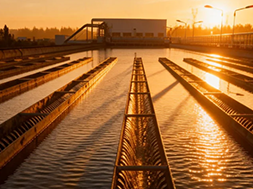
Chlorine dioxide disinfection pipelines in water plants are prone to blockage due to salt crystallization caused by disproportionation reactions. This can be prevented by optimizing the purity of the solution, designing the pipeline properly, regularly flushing and insulating, and conducting thorough inspections and chemical cleaning (hydrochloric acid should not be used). These multi-dimensional measures can help prevent crystallization and ensure the stable operation of the disinfection system.
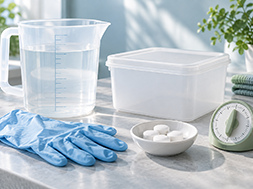
The pestis pestis leakage incident in the Russian laboratory reminded the public that pestis can be spread by fleas, infected animals, and droplets. The prevention and control should focus on the environment and rat flea management, instead of blind disinfection and sterilization. Xiuba chlorine dioxide disinfection tablet can only be used for preventive disinfection of object surface according to instructions. It has no special killing effect of pestis bacilli, and cannot be used as special epidemic prevention materials for pestis. It needs to be operated in a standardized way. Do not over disinfect due to network rumors.
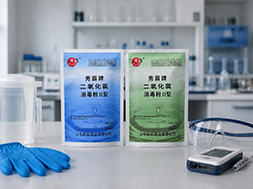
In 2026, Xiuba proposed that it is not enough to simply meet product qualification requirements; it is necessary to promote "green" practices in product selection, operation, safety, and record-keeping, rely on actual measurement data to verify effectiveness, strictly adhere to safety boundaries, and promote high-quality development of the industry.

Traditional chlorine preparations are prone to producing harmful chlorination by-products and will eventually be phased out; Chlorine dioxide relies on a unique electron transfer oxidation mechanism, producing almost no organic chlorides, with high sterilization efficiency and lower risk of by-products. Xiuba relies on years of large-scale production and university research cooperation, with complete product qualifications, strict control of disinfection residues, and a balance between effective disinfection and ecological green, in line with the industry's green and low-carbon development trend.
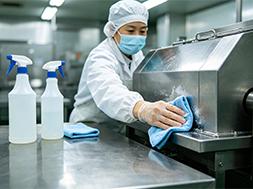
Focusing on three core selection dimensions—cost, safety, and broad-spectrum disinfection—this article compares chlorine dioxide with disinfectants such as ozone and peracetic acid, highlighting its significant advantages in terms of sterilization mechanism, usage safety, and long-term cost. The product is suitable for various scenarios including water supply, food processing, and wastewater treatment. Addressing market issues of misleading labeling, the article provides purchasing advice and recommends Xiuba Chlorine Dioxide, a brand with deep industry experience and complete certifications.
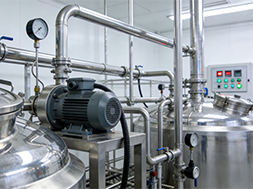
This article points out that during CIP cleaning, adding chlorine dioxide before alkaline washing and during acid-alkali rinsing has poor effects; the optimal point is after acid washing, when the acidic clean environment is suitable for the agent, and it is also necessary to drain residual acid, control the temperature, and circulate for 15-20 minutes to improve the disinfection effect.
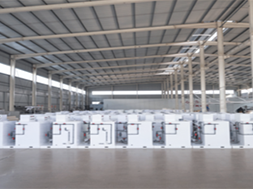
This article compares the applicable scenarios of chemical and electrolytic chlorine dioxide generators, explaining the manufacturer selection criteria from five dimensions: qualifications, accessories, case studies, after-sales service, and process compatibility. It also introduces five major development trends, including intelligent and modular equipment. Xiuba XB series equipment complies with GB 28931-2024 standards, has complete qualifications, and offers 24/7 full-process service. It is suitable for multiple industries and can reduce maintenance costs and operational risks.
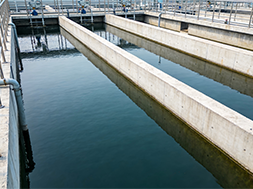
Chlorine dioxide is safe, efficient, and suitable for multiple industries, with the market continuously expanding and benefiting from ongoing policy support.Shandong Huashi Pharmaceutical's Xiuba division has been deeply involved in the industry for many years and can provide a full range of chlorine dioxide disinfection products and related technical services.
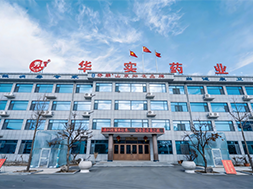
Xiuba has been deeply involved in chlorine dioxide disinfection for nearly 30 years, possessing mature technology and a rich product line. The brand has completed a strategic transformation, shifting from simply selling products to providing customized disinfection services throughout the entire process, integrating industry resources, and specifically addressing various disinfection pain points for companies in the drinking water, food, and medical fields.
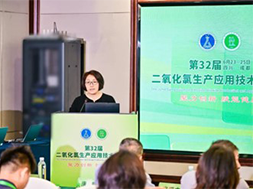
Shandong Huashi Pharmaceutical took part in the 32nd National Chlorine Dioxide Technology Symposium held in Chengdu this June. Our technical team shared professional research on chlorine dioxide disinfection for medical and public health scenarios and exchanged industry technologies with over 70 experts and manufacturers. This participation fully proves our solid R&D strength and professional standing in the chlorine dioxide disinfection field.
Northeast of Huangshan Road and Chuangye Intersection, Small and Medium sized Enterprise Entrepreneurship Industrial Park, Shanwang Town, Linqu County, Weifang City, Shandong Province
Copyright © 2025 by Shandong Huashi Pharmaceutical Co., Ltd All Rights Reserved


 Language
 中文
中文 Русский
 Chlorine Dioxide Disinfectant Manufacturer


