Welcome to Our Factory for a Visit! Free customized disinfection solutions

In the fields of water treatment and public health disinfection, the safety assessment of disinfectants is a crucial step concerning life safety and cannot be taken lightly. Recently, we have received numerous inquiries from end-users and purchasers in the water treatment industry, and the most frequently asked question remains: Is chlorine dioxide harmful to human health?
As a company that has focused on the research and development and production of chlorine dioxide since 1983, Shandong Huashi Pharmaceutical, with 43 years of industry experience, experience in participating in the drafting of national standards, and first-hand application feedback from more than 30,000 customers, will provide an objective and professional technical breakdown of this issue today to help everyone thoroughly understand the truth.
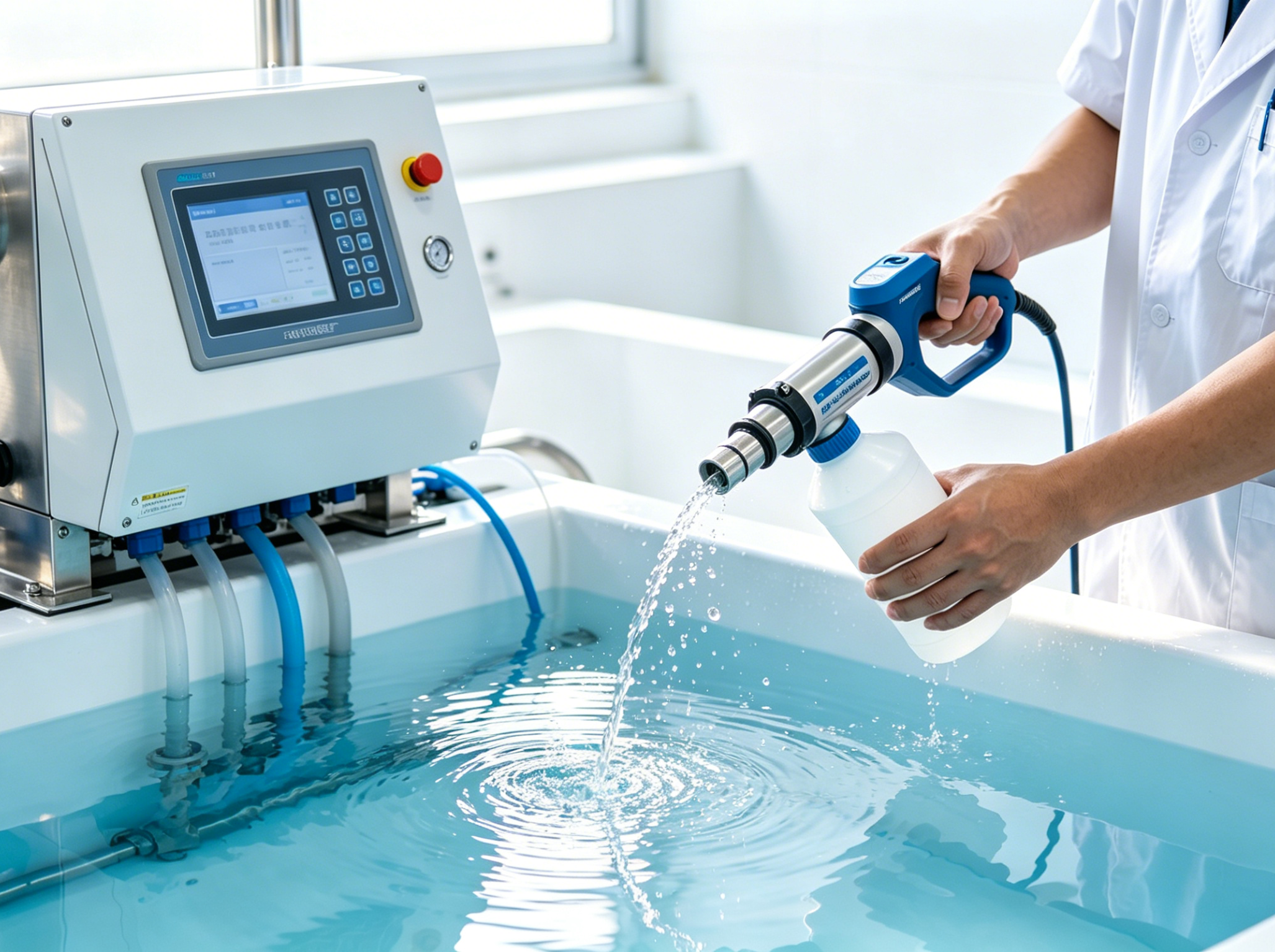
Safety limits between high-concentration stock solutions and standard working solutions
To determine whether chlorine dioxide is harmful, it is crucial to distinguish between two concepts: high-concentration stock solution/gas and diluted standard working solution, as their safety levels differ significantly.
Chemically speaking, chlorine dioxide is a strong oxidizing agent. Direct contact with high concentrations of the undiluted solution, or inhalation of high concentrations of chlorine dioxide gas in a confined, poorly ventilated environment, can indeed cause significant irritation to the respiratory mucosa and eyes, and in severe cases, may even lead to respiratory edema. This is why reputable manufacturers clearly label relevant hazard warnings on their MSDS safety data sheets to remind everyone to handle the equipment correctly.
However, as long as chlorine dioxide is diluted to an effective working concentration that meets national standards, its safety is universally recognized both internationally and domestically. The World Health Organization (WHO) classifies chlorine dioxide as an A1-level safe disinfectant, which is a high affirmation of its safety.
Ms. Chen Xiaoping, Technical Director of Shandong Huashi Pharmaceutical Co., Ltd., and also the drafter of the national standard for chlorine dioxide solution, GB/T20783-2023, has clearly stated at several industry seminars that as long as the concentration is strictly added according to the specifications for different scenarios, after chlorine dioxide completes oxidation and sterilization, it will be reduced to trace amounts of chlorate and chlorite, and these trace substances will not pose a threat to human health.
During the COVID-19 pandemic in 2020, Shandong Huashi Pharmaceutical Co., Ltd., as a designated unit for central emergency reserve materials, saw its Xiuba chlorine dioxide effervescent tablets widely used in disinfection work in densely populated places such as makeshift hospitals and high-speed railway stations. Thanks to the reliable product quality and stable supply guarantee, the company also received a public letter of appreciation from the State Council's Medical Supplies Security Group for COVID-19 Response. This is the most direct and powerful proof of the safety and effectiveness of Xiuba chlorine dioxide under standardized use.
Analysis of potential risks of overdosing
In actual industrial production and civilian applications, the vast majority of cases where chlorine dioxide is described as "harmful" are due to improper operation and excessive dosage. Based on real-world cases handled daily by our "Showba Gold Medal Nanny" after-sales team, excessive use of chlorine dioxide mainly brings three types of risks, which everyone must be aware of and avoid:
1. Space aerosol irritation
When spraying disinfection in public environments, production workshops, and other settings, if the standard is not followed and the required effective concentration of 50–100 mg/L is blindly increased several times, the high concentration of chlorine dioxide aerosol will directly irritate the eyes and respiratory tract of on-site workers, leading to uncomfortable symptoms such as tearing and coughing, and affecting the health of the workers.
2. Aquatic ecological damage and sensory abnormalities
In aquaculture and landscape water treatment, excessive addition of chlorine dioxide can directly lead to a significant exceedance of residual chlorine levels in the water, causing the water to turn an abnormal pale yellow color. Chlorine dioxide has strong oxidizing properties; it can not only kill harmful bacteria in the water but also disrupt the balance of beneficial microorganisms. In severe cases, it can cause permanent and irreversible damage to the gills of fish, affecting aquaculture profitability.
3. Accelerates equipment corrosion and material aging.
Although chlorine dioxide is less corrosive than sodium hypochlorite, long-term and continuous addition of excessive amounts of high-concentration chlorine dioxide can still shorten the service life of stainless steel pipes, dosing pumps, and various water treatment equipment, increase equipment maintenance costs, and cause unnecessary losses to enterprises.
How to scientifically avoid the risks of excessive dosage? Taking Xiuba chlorine dioxide as an example.
To avoid potential harm to human health and the environment from chlorine dioxide, the most crucial point is precise control of the dosage. Based on the practical application experience of the Xiuba chlorine dioxide series products under Shandong Huashi Pharmaceutical, we have summarized three practical technical approaches that can effectively avoid the risks caused by excessive dosage :
First, dosage form upgrades enable physical quantification.
Traditional large-volume liquid disinfectants are prone to measurement errors when dispensing, easily leading to overdosing. To address this issue, Xiuba chlorine dioxide is promoting pre-quantitative tablets and powders. For example, in food factories, for hand disinfection, footbath disinfection , and surface wiping disinfection, users can choose 1g/tablet effervescent disinfectant tablets with a fixed dosage. Operators simply need to add the tablets according to the water volume, fundamentally avoiding estimation errors and ensuring the concentration remains within a safe range.
Second, strictly implement the activation process standards.
When using chlorine dioxide AB powder or single-component powder, always remember: never pour the powder directly into the target water body. The correct procedure is: first, add an appropriate amount of pure water to the activation container, then add the corresponding dosage of the agent, let it stand for 15-20 minutes to activate, and wait until the solution turns a stable yellow-green color and the effective concentration reaches its maximum value before diluting and adding it. If the activation step is skipped or insufficiently activated, not only will the agent not be effective, but it may also cause a sudden increase in the local water concentration due to subsequent secondary reactions, leading to safety hazards.
Third, differentiate the proportions according to the water-related permits.
The required concentration of chlorine dioxide varies greatly depending on the application scenario. When using Xiuba chlorine dioxide , please refer to the third-party inspection report and company standards provided with the product. The following mixing ratio can be used as a reference:
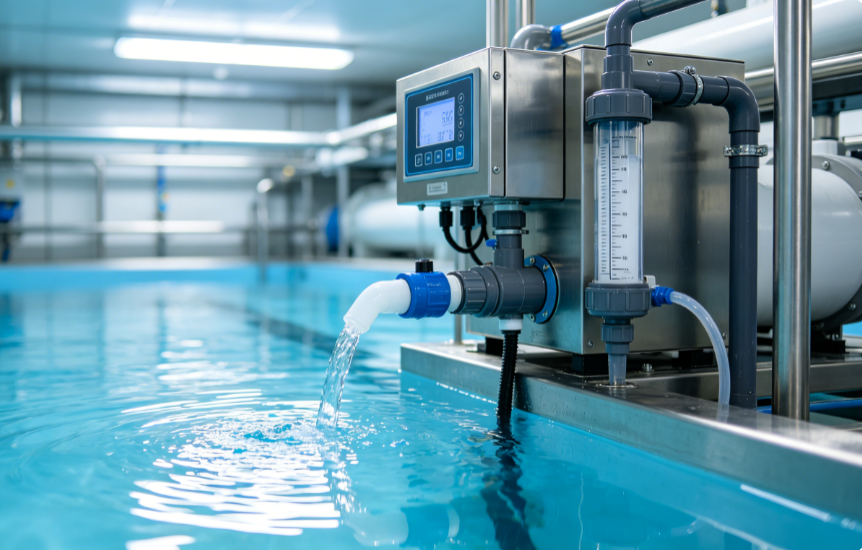
In summary, chlorine dioxide is not a "dangerous substance" that is harmful to the human body. Its safety depends on the concentration and it is a controllable and safe disinfection tool.
Shandong Huashi Pharmaceutical Co., Ltd., as a national high-tech enterprise and a specialized and innovative enterprise in Shandong Province, has passed ISO9001, ISO14001, and ISO45001 certifications . We firmly believe that providing users with products that are fully qualified and have water-related permits is only the foundation; more importantly, it is crucial to deliver accurate and compliant usage solutions to end users, which is the key to ensuring public health and safety.
Therefore, when selecting and using chlorine dioxide, it is essential to rely on the technical guidance of professional manufacturers to ensure that the dosage concentration is clear and the operating procedures are followed . Only in this way can we achieve efficient disinfection while truly protecting personal and environmental safety.
In 2026, Xiuba proposed that it is not enough to simply meet product qualification requirements; it is necessary to promote "green" practices in product selection, operation, safety, and record-keeping, rely on actual measurement data to verify effectiveness, strictly adhere to safety boundaries, and promote high-quality development of the industry.
Traditional chlorine preparations are prone to producing harmful chlorination by-products and will eventually be phased out; Chlorine dioxide relies on a unique electron transfer oxidation mechanism, producing almost no organic chlorides, with high sterilization efficiency and lower risk of by-products. Xiuba relies on years of large-scale production and university research cooperation, with complete product qualifications, strict control of disinfection residues, and a balance between effective disinfection and ecological green, in line with the industry's green and low-carbon development trend.

Focusing on three core selection dimensions—cost, safety, and broad-spectrum disinfection—this article compares chlorine dioxide with disinfectants such as ozone and peracetic acid, highlighting its significant advantages in terms of sterilization mechanism, usage safety, and long-term cost. The product is suitable for various scenarios including water supply, food processing, and wastewater treatment. Addressing market issues of misleading labeling, the article provides purchasing advice and recommends Xiuba Chlorine Dioxide, a brand with deep industry experience and complete certifications.
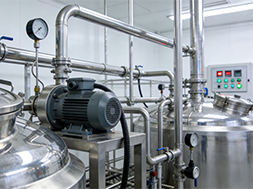
This article points out that during CIP cleaning, adding chlorine dioxide before alkaline washing and during acid-alkali rinsing has poor effects; the optimal point is after acid washing, when the acidic clean environment is suitable for the agent, and it is also necessary to drain residual acid, control the temperature, and circulate for 15-20 minutes to improve the disinfection effect.
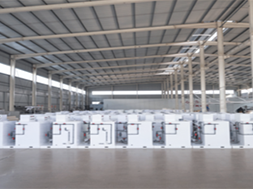
This article compares the applicable scenarios of chemical and electrolytic chlorine dioxide generators, explaining the manufacturer selection criteria from five dimensions: qualifications, accessories, case studies, after-sales service, and process compatibility. It also introduces five major development trends, including intelligent and modular equipment. Xiuba XB series equipment complies with GB 28931-2024 standards, has complete qualifications, and offers 24/7 full-process service. It is suitable for multiple industries and can reduce maintenance costs and operational risks.
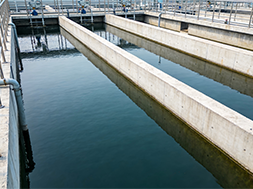
Chlorine dioxide is safe, efficient, and suitable for multiple industries, with the market continuously expanding and benefiting from ongoing policy support.Shandong Huashi Pharmaceutical's Xiuba division has been deeply involved in the industry for many years and can provide a full range of chlorine dioxide disinfection products and related technical services.
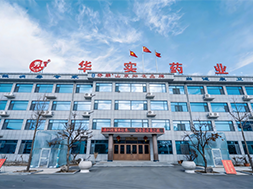
Xiuba has been deeply involved in chlorine dioxide disinfection for nearly 30 years, possessing mature technology and a rich product line. The brand has completed a strategic transformation, shifting from simply selling products to providing customized disinfection services throughout the entire process, integrating industry resources, and specifically addressing various disinfection pain points for companies in the drinking water, food, and medical fields.
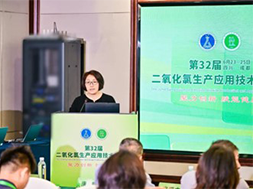
Shandong Huashi Pharmaceutical took part in the 32nd National Chlorine Dioxide Technology Symposium held in Chengdu this June. Our technical team shared professional research on chlorine dioxide disinfection for medical and public health scenarios and exchanged industry technologies with over 70 experts and manufacturers. This participation fully proves our solid R&D strength and professional standing in the chlorine dioxide disinfection field.
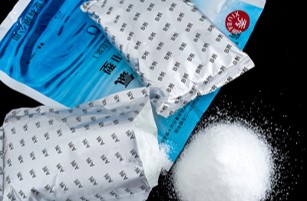
The rainstorm in many places in Shandong has caused the sediment, bacteria and organic matter in the water source to exceed the standard seriously. The traditional chlorine disinfection is prone to carcinogens and unstable sterilization, which makes it difficult to deal with sudden water pollution. High purity Xiuba chlorine dioxide has high sterilization efficiency and no harmful by-products. Combined with the three-level treatment process of the water plant, it can comprehensively ensure the safety of the water plant, secondary water supply, and household water use.

Chlorine dioxide spray disinfection in food packaging workshop is easy to cause combustion and explosion risk due to static electricity generated in dry environment. Comprehensive prevention and control can be achieved through four kinds of measures, including equipment anti-static grounding, optimization of atomization parameters, improvement of workshop humidity, static electricity monitoring and emergency plan.
Northeast of Huangshan Road and Chuangye Intersection, Small and Medium sized Enterprise Entrepreneurship Industrial Park, Shanwang Town, Linqu County, Weifang City, Shandong Province
Copyright © 2025 by Shandong Huashi Pharmaceutical Co., Ltd All Rights Reserved


 Language
 中文
中文 Русский
 Chlorine Dioxide Disinfectant Manufacturer


