Welcome to Our Factory for a Visit! Free customized disinfection solutions

With increasingly stringent environmental protection requirements, businesses and public places are paying closer attention to the impact on the ecological environment when carrying out disinfection work. Traditional disinfection methods are prone to generating byproducts during use, and long-term use may lead to residues and ecological risks. Shandong Huashi Pharmaceutical has been engaged in the production and application of disinfection products for over 40 years. Its Xiuba chlorine dioxide series products have demonstrated low environmental pollution , easy decomposition, and compatibility with environmental protection requirements in practical applications, and are widely used in various green disinfection scenarios.
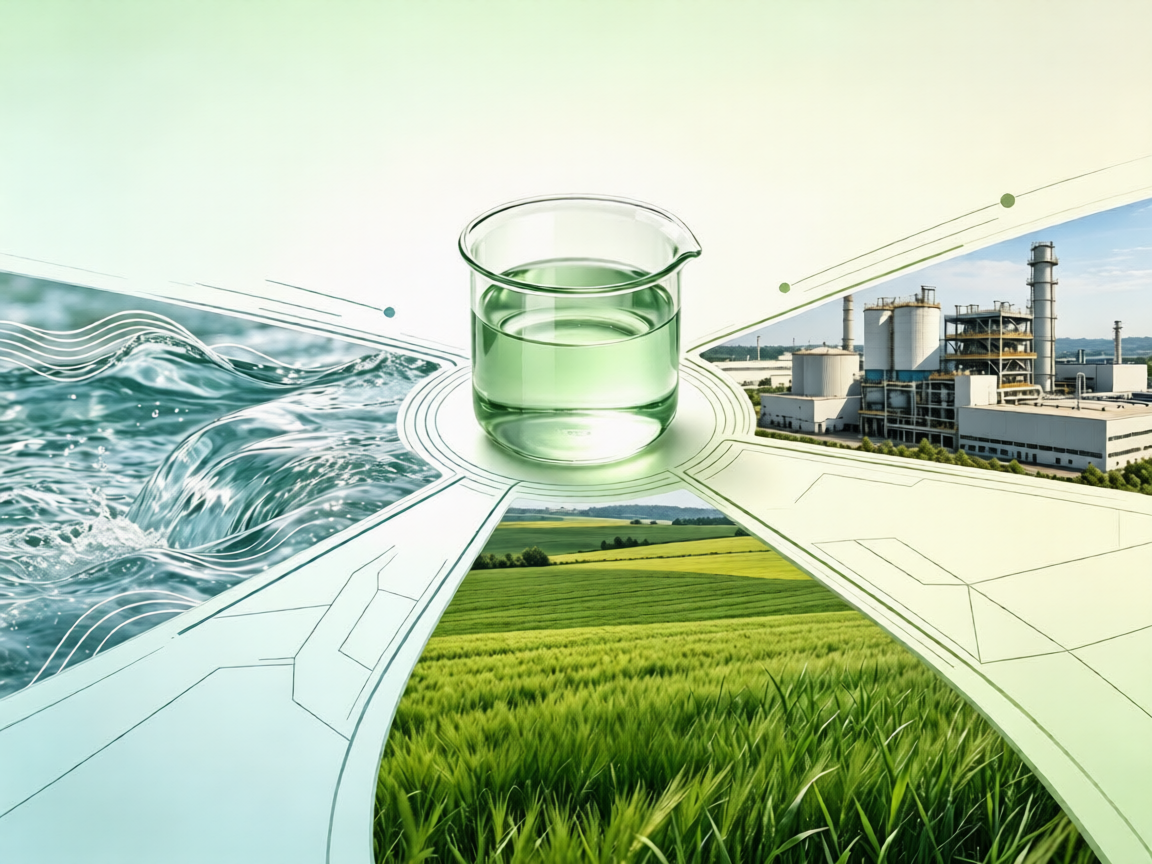
Advantages of Chlorine Dioxide in Green Disinfection
Some traditional disinfectants we use daily can easily generate trihalomethanes and other substances upon contact with water or organic matter, putting stress on aquatic and soil environments. The use of some fumigation disinfection products has been restricted due to their environmental impact.
Chlorine dioxide is internationally recognized as an A1-level safe disinfectant , offering significant advantages in environmentally friendly disinfection:
It achieves disinfection through oxidation, without undergoing chlorination. Under normal use conditions, it will not generate carcinogenic, teratogenic , or mutagenic substances. Xiuba chlorine dioxide has been tested and proven safe for use, meeting internationally accepted safety standards.
After disinfection, it will gradually decompose into water, oxygen and trace amounts of chloride, and will not accumulate in the environment for a long time. It is relatively friendly to soil, water sources and microbial communities, and can be used in occasions with high environmental requirements such as drinking water, food processing, and aquaculture.
Disinfection needs can be met at lower concentrations, and less chemicals are used in actual use, which helps reduce emissions and is in line with the development direction of low carbon and environmental protection.
In water treatment, public environments, food processing plants, soil treatment and other scenarios, it can replace traditional products such as sodium hypochlorite and methyl bromide, meeting disinfection needs while reducing environmental impact.
Application of Xiuba Chlorine Dioxide in Real-World Scenarios
Shandong Huashi Pharmaceutical Co., Ltd. is a high-tech enterprise and a specialized and innovative enterprise in Shandong Province. For many years, it has focused on the research and development of chlorine dioxide disinfection products and has formed a complete system. The Xiuba brand includes powder, tablets, solutions and matching generators, which can meet the environmental protection and disinfection needs of different scenarios.
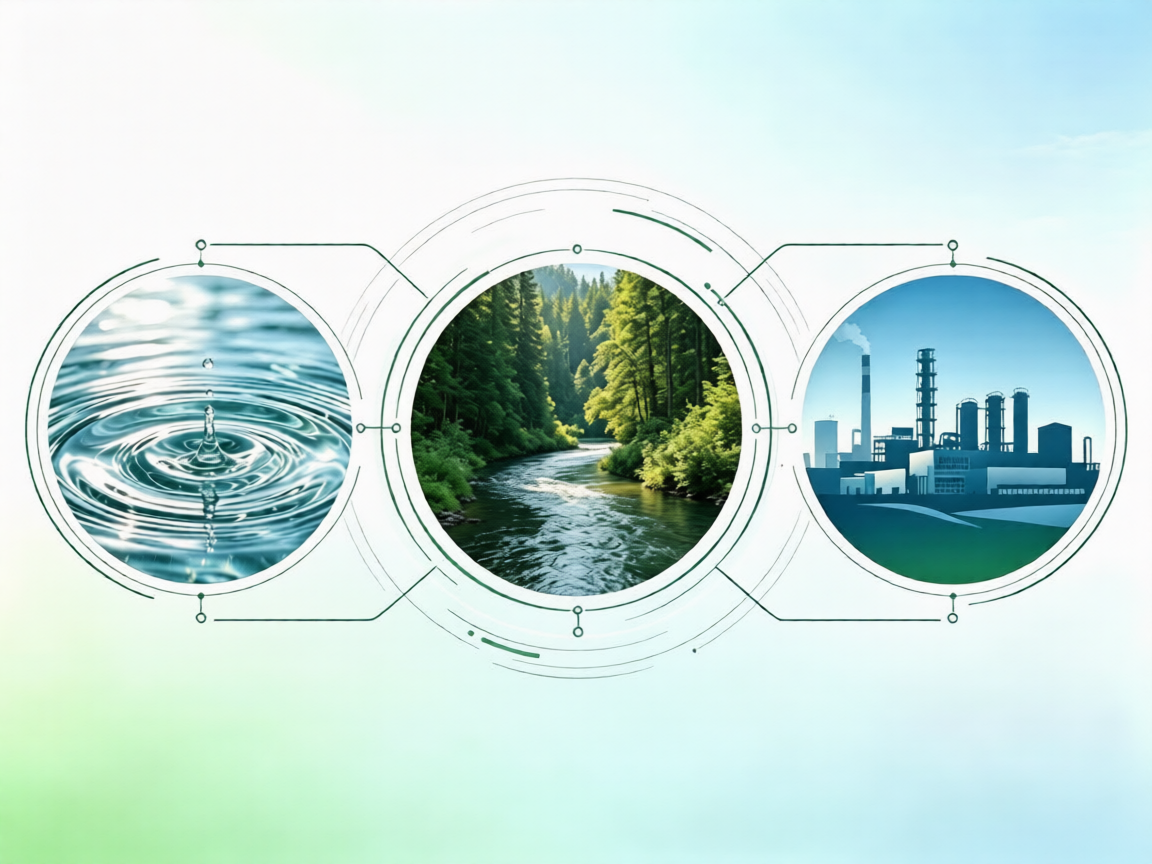
When used in scenarios such as waterworks, secondary water supply, hospital sewage, and industrial wastewater, it can effectively kill microorganisms, decompose some pollutants, produce few by-products, and the effluent can meet the discharge and use standards. It is also a product selected for central emergency reserve materials.
When used for disinfection in food factories, tableware, and fruits and vegetables, residues are easy to remove and will not affect product quality; when used in environments such as stations, offices, and homes, it has low irritation, a mild odor, and will not cause secondary pollution.
It can replace some highly toxic soil treatment products, suppress soil-borne diseases and nematodes, have little impact on soil structure and beneficial bacteria, and can also help degrade some pesticide residues, making it suitable for use in ecological agriculture.
It can control the growth of bacteria and algae, reduce biological slime, and has low corrosiveness to equipment; when used in aquaculture, it has high safety for fish, shrimp and other organisms, while improving the water quality environment.
III. Chlorine Dioxide Residue Detection and Safety Standards
In practical use, whether residues meet standards directly affects environmental safety and effectiveness. Based on our field experience, we have compiled the commonly used testing criteria, methods, and control ranges as follows for frontline personnel to refer to and implement directly.
Routine testing is mainly based on three standards: first, the detection of chlorine dioxide and chlorite in water quality is carried out according to the continuous titration iodometric method of HJ551-2016; second, the free chlorine and total chlorine in water are detected using the DPD spectrophotometric method of HJ586-2010; and third, the hygiene requirements of the product itself are in accordance with GB26366-2010 "Hygienic Standard for Chlorine Dioxide Disinfectant".
Three common on-site testing methods are used: for sewage and industrial wastewater with high concentrations, the iodometric method is generally used, which provides stable and repeatable data; for water samples with lower concentrations, such as drinking water and tap water, the DPD spectrophotometric method is often used, which is quick to learn and provides intuitive results; and for on-site inspections, portable detectors are mostly used, which can read the values in a few minutes, making it convenient to adjust the dosage in a timely manner.
Based on national standards and practical experience, the following range can be used for residue control: chlorine dioxide in drinking water should be controlled at 0.1–0.8 mg/L, and chlorite should not exceed 0.7 mg/L; residue at sewage discharge outlets should not exceed 0.5 mg/L; for food processing and surface disinfection, if there is no visible residue and no obvious irritating odor after the action is completed, it can be used normally.
Shandong Huashi Pharmaceutical's Practices in Green Disinfection and ESG
Shandong Huashi Pharmaceutical has long been deeply involved in the disinfection industry and is a standing committee member of the Expert Committee on Disinfection Technology and Application of the China Health Supervision Association. It has always placed safety, environmental protection, and social responsibility in an important position.
The company holds a total of 35 patents. Its technical lead was deeply involved in the drafting and revision of the national standard for chlorine dioxide, continuously optimizing the product's environmental friendliness through formulation and processes to reduce byproduct and residue risks. Production operates strictly in accordance with the ISO14001 environmental management system and the ISO9001 quality management system, with full control over the entire process from raw material warehousing to finished product delivery, minimizing the environmental impact of production.
During critical periods such as public health emergencies and floods, we have donated disinfection supplies to the front lines on multiple occasions, fulfilling our corporate responsibility with practical actions. We have also received expressions of gratitude from the State Council's Working Group on Novel Coronavirus Pneumonia Response and the Zhong Nanshan Medical Foundation of Guangdong Province.
For our customers, we insist on providing full-process follow-up services. When encountering issues such as usage questions, dosage adjustments, and residue testing, our team will promptly provide on-site guidance, implementing standard procedures down to the practical details, so that users can use the products compliantly and with peace of mind.
Green disinfection is transitioning from an industry option to a necessity. Chlorine dioxide, due to its low byproducts, biodegradability, and environmental friendliness, is finding applications in an increasing number of scenarios. Shandong Huashi Pharmaceutical, with its flagship product, Xiuba chlorine dioxide , continuously focuses on environmental protection, safety, and stability, providing practical disinfection solutions for drinking water treatment, food production, ecological agriculture, and public environments. The company accompanies enterprises on their ESG development path, working together to protect the ecological environment.
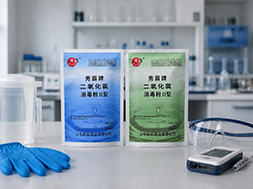
In 2026, Xiuba proposed that it is not enough to simply meet product qualification requirements; it is necessary to promote "green" practices in product selection, operation, safety, and record-keeping, rely on actual measurement data to verify effectiveness, strictly adhere to safety boundaries, and promote high-quality development of the industry.
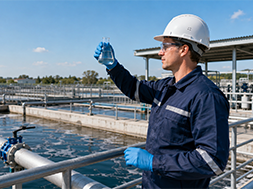
Traditional chlorine preparations are prone to producing harmful chlorination by-products and will eventually be phased out; Chlorine dioxide relies on a unique electron transfer oxidation mechanism, producing almost no organic chlorides, with high sterilization efficiency and lower risk of by-products. Xiuba relies on years of large-scale production and university research cooperation, with complete product qualifications, strict control of disinfection residues, and a balance between effective disinfection and ecological green, in line with the industry's green and low-carbon development trend.
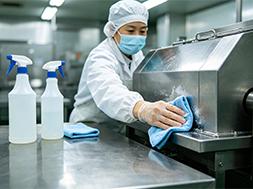
Focusing on three core selection dimensions—cost, safety, and broad-spectrum disinfection—this article compares chlorine dioxide with disinfectants such as ozone and peracetic acid, highlighting its significant advantages in terms of sterilization mechanism, usage safety, and long-term cost. The product is suitable for various scenarios including water supply, food processing, and wastewater treatment. Addressing market issues of misleading labeling, the article provides purchasing advice and recommends Xiuba Chlorine Dioxide, a brand with deep industry experience and complete certifications.
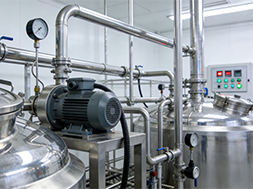
This article points out that during CIP cleaning, adding chlorine dioxide before alkaline washing and during acid-alkali rinsing has poor effects; the optimal point is after acid washing, when the acidic clean environment is suitable for the agent, and it is also necessary to drain residual acid, control the temperature, and circulate for 15-20 minutes to improve the disinfection effect.
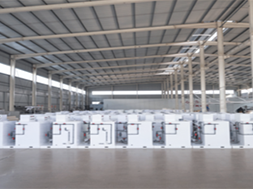
This article compares the applicable scenarios of chemical and electrolytic chlorine dioxide generators, explaining the manufacturer selection criteria from five dimensions: qualifications, accessories, case studies, after-sales service, and process compatibility. It also introduces five major development trends, including intelligent and modular equipment. Xiuba XB series equipment complies with GB 28931-2024 standards, has complete qualifications, and offers 24/7 full-process service. It is suitable for multiple industries and can reduce maintenance costs and operational risks.
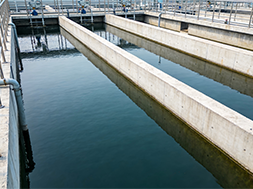
Chlorine dioxide is safe, efficient, and suitable for multiple industries, with the market continuously expanding and benefiting from ongoing policy support.Shandong Huashi Pharmaceutical's Xiuba division has been deeply involved in the industry for many years and can provide a full range of chlorine dioxide disinfection products and related technical services.
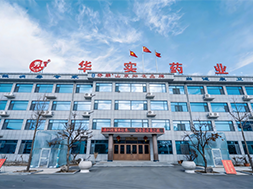
Xiuba has been deeply involved in chlorine dioxide disinfection for nearly 30 years, possessing mature technology and a rich product line. The brand has completed a strategic transformation, shifting from simply selling products to providing customized disinfection services throughout the entire process, integrating industry resources, and specifically addressing various disinfection pain points for companies in the drinking water, food, and medical fields.
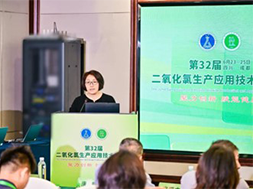
Shandong Huashi Pharmaceutical took part in the 32nd National Chlorine Dioxide Technology Symposium held in Chengdu this June. Our technical team shared professional research on chlorine dioxide disinfection for medical and public health scenarios and exchanged industry technologies with over 70 experts and manufacturers. This participation fully proves our solid R&D strength and professional standing in the chlorine dioxide disinfection field.
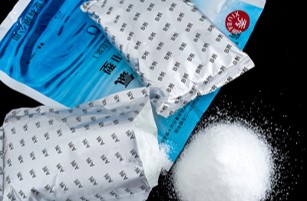
The rainstorm in many places in Shandong has caused the sediment, bacteria and organic matter in the water source to exceed the standard seriously. The traditional chlorine disinfection is prone to carcinogens and unstable sterilization, which makes it difficult to deal with sudden water pollution. High purity Xiuba chlorine dioxide has high sterilization efficiency and no harmful by-products. Combined with the three-level treatment process of the water plant, it can comprehensively ensure the safety of the water plant, secondary water supply, and household water use.
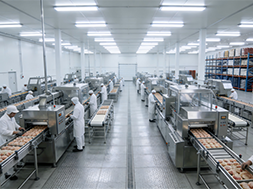
Chlorine dioxide spray disinfection in food packaging workshop is easy to cause combustion and explosion risk due to static electricity generated in dry environment. Comprehensive prevention and control can be achieved through four kinds of measures, including equipment anti-static grounding, optimization of atomization parameters, improvement of workshop humidity, static electricity monitoring and emergency plan.
Northeast of Huangshan Road and Chuangye Intersection, Small and Medium sized Enterprise Entrepreneurship Industrial Park, Shanwang Town, Linqu County, Weifang City, Shandong Province
Copyright © 2025 by Shandong Huashi Pharmaceutical Co., Ltd All Rights Reserved


 Language
 中文
中文 Русский
 Chlorine Dioxide Disinfectant Manufacturer


