Welcome to Our Factory for a Visit! Free customized disinfection solutions

August 15, 2026
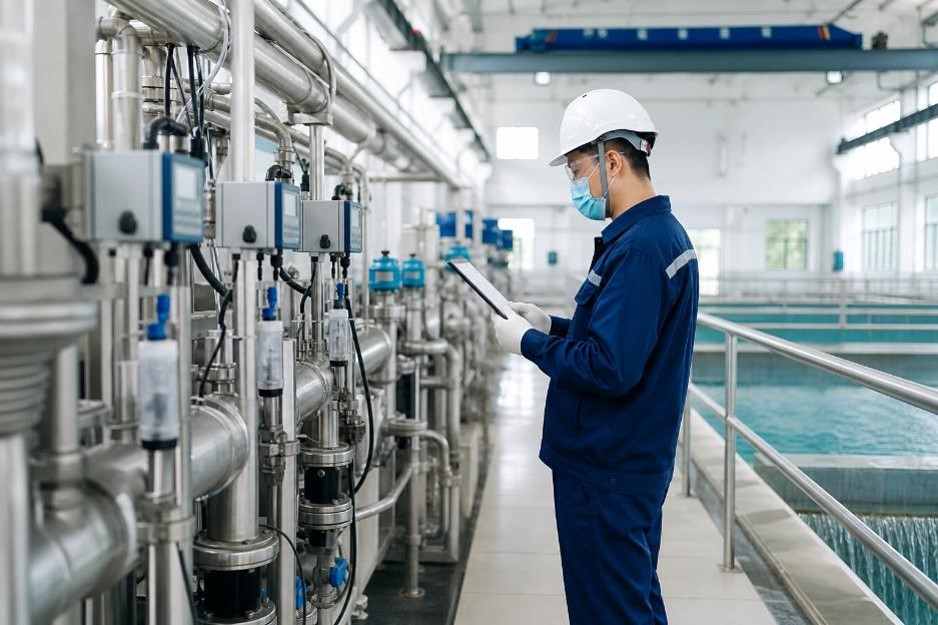
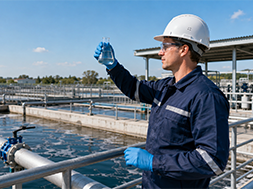
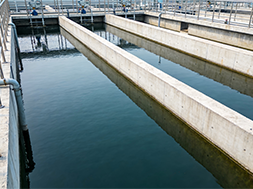
Figure 1. Water Treatment Process and Operational Inspection (Illustrative Scene)
On August 15, 2026, the Environmental Code of the People's Republic of China officially came into force. Previously, on March 12, the Code had been adopted by vote at the Fourth Session of the 14th National People's Congress. As the second law in China to bear the name “Code,” it consists of five books and 1,242 articles, systematically integrating major institutions in the field of ecological and environmental protection and establishing dedicated provisions on chemical pollution risk control within the Pollution Prevention and Control Book.
For the disinfection industry, this change is not merely a matter of updating a regulatory checklist. Article 644 of the Code brings the production, import, storage, transportation, sale, use, and disposal of chemical substances into the scope of risk control. The message is clear: when evaluating a green technology, it is not enough to look only at product specifications at the factory gate or at the final microbial inactivation result. It is also necessary to examine where raw materials come from, how products are stored and transported, how they are dosed on site, how abnormal situations are handled, and whether discharges can be verified.
Chlorine dioxide therefore enters a new development context. It achieves disinfection primarily through oxidation and has an established application base in drinking water, wastewater treatment, food-processing environments, aquaculture, and public environments. Under suitable conditions, compared with conventional chlorination processes, it generally has the potential to reduce the formation of certain halogenated organic disinfection by-products. However, “having green technology advantages” does not mean “having no environmental risks.” After chlorine dioxide is used, inorganic by-products such as chlorite and chlorate still require attention, while gaseous chlorine dioxide is a strong oxidant and presents an inhalation hazard. Whether a technology is genuinely green must ultimately be demonstrated through scientific product selection, precise dosing, process monitoring, standardized operation, and verifiable performance data.
The XIUBA chlorine dioxide system includes chlorine dioxide powders, tablets, liquids, and related generation and dosing equipment. A diverse range of dosage forms provides options for different application scenarios, but it also means that companies and users must avoid the assumption that “one product fits every application.”
Drinking water, wastewater from medical institutions, food-processing environments, and aquaculture water bodies differ in treatment objectives, source-water characteristics, load fluctuations, contact conditions, and discharge requirements. Different models under the same brand may also have different intended uses and technical requirements.
Therefore, the value of XIUBA chlorine dioxide disinfectants should not be reduced to a single concentration figure or the simple claim of being “environmentally friendly.” Instead, it should be demonstrated through four verifiable stages.
First, product selection must be evidence-based. Before a project begins, the label, instructions for use, hygiene and safety evaluation documentation, and applicable standards for the specific product should be checked. The treatment target, water-quality characteristics, target microorganisms, contact time, end-point limits, equipment conditions, and personnel capabilities should all be incorporated into product selection. The fact that a brand's product portfolio covers a particular industry does not mean that every model can be used directly without verification.
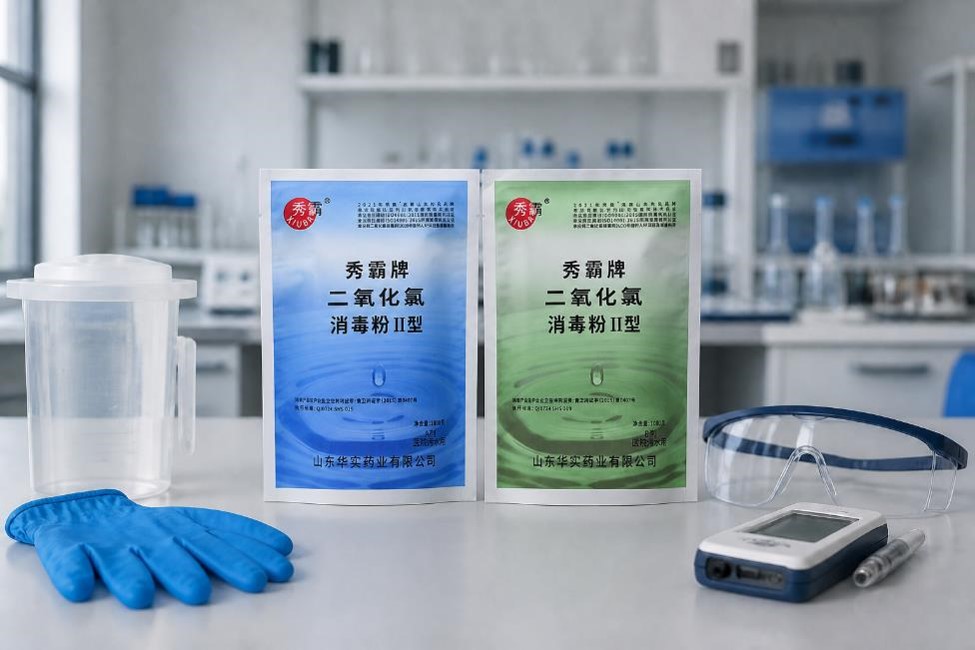
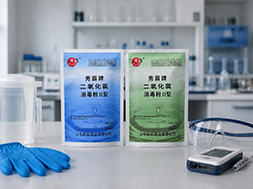
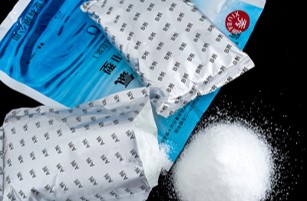
Figure 2. Two-Component Product and Safety Protection Configuration (Illustrative Scene with Equal-Sized Packaging)
Second, process operation must have defined boundaries. Preparation, dosing, and contact conditions should be determined according to actual site conditions rather than by relying solely on experience and fixed dosages. When water quality or loading changes, operating parameters should be adjusted through testing and process verification. For drinking-water applications, a balance must also be maintained among disinfection effectiveness, residual levels, and relevant disinfection by-product indicators.
Precise dosing does not simply mean “using less.” It means meeting the disinfection objective while keeping chemical consumption, residual risks, and environmental burdens within a reasonable range.
Third, safety measures must be practical and executable. Chlorine dioxide is a reactive oxidizing substance. Segregated storage of raw materials, protection from light, ventilation, compatibility management, spill response, personal protective equipment, and personnel training must all be properly implemented.
When chlorine dioxide is used in confined spaces or air-related applications, the intended use of the specific product and the applicable on-site safety procedures must be strictly followed. Chemical air disinfection must not be conducted while people are present. After treatment, adequate ventilation, testing and confirmation, and safe handover should be completed.
Fourth, operating results must be traceable. Information such as product batches, quantities issued, preparation records, dosing amounts, key water-quality parameters, disinfection results, by-product or characteristic indicators, equipment alarms, and abnormal-event handling should be documented in records appropriate to the scale of the project.
Compliance is not only about proving that something “was done.” It should also be possible to explain when it was done, who performed it, what basis was used, whether the result met requirements, and how deviations were corrected.
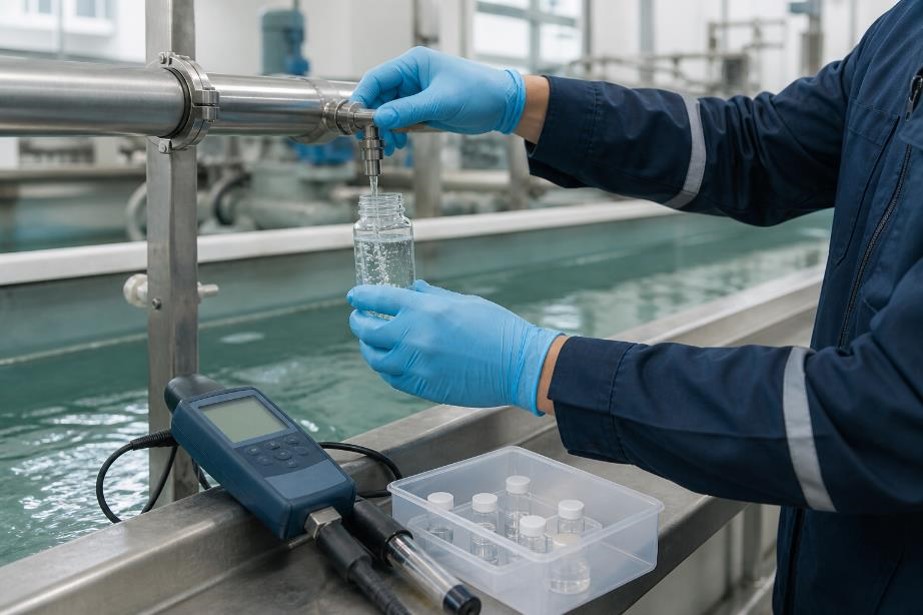
Figure 3. Sampling, Testing, and Operating Data Records (Illustrative Scene)
At the manufacturing stage, enterprises should identify environmental risks across raw and auxiliary materials, production processes, packaging and storage, pollution prevention and control facilities, solid waste, and liquid waste disposal.
Product stability, packaging integrity, and transportation suitability affect not only user experience but also the risks of chemical leakage, misuse, and loss of effectiveness. Different quality-control and risk-control requirements should be established for powders, tablets, liquids, and other dosage forms according to their characteristics. For generation and dosing equipment, design should incorporate prevention of incorrect operation, emergency shutdown, interlock alarms, leakage control, and ease of maintenance.
At the delivery and service stage, enterprises should move beyond simply “selling products” and begin delivering clearly defined and executable process boundaries.
For XIUBA, the service with greater long-term value is not to provide a single standardized answer detached from actual site conditions, but to help users identify the correct model, verify documentation, understand labels and instructions, establish standard operating procedures, and select necessary testing items according to water quality, load, and treatment objectives.
Any recommendations on dosage or operating parameters should have a clear product basis and clearly defined applicable conditions.
At the engineering application stage, disinfection effectiveness and ecological and environmental safety should be verified simultaneously.
Wastewater treatment projects should not focus exclusively on microbial indicators; they should also consider the requirements of the receiving water body, characteristics of the final effluent, and residual substances that may form after dosing.
Drinking-water projects should place microbiological safety first while reducing the risks associated with relevant by-products through standardized preparation and dosage control.
Food processing, aquaculture, and public-environment applications should separately consider the object being treated, material compatibility, personnel exposure, and requirements for subsequent cleaning or ventilation.
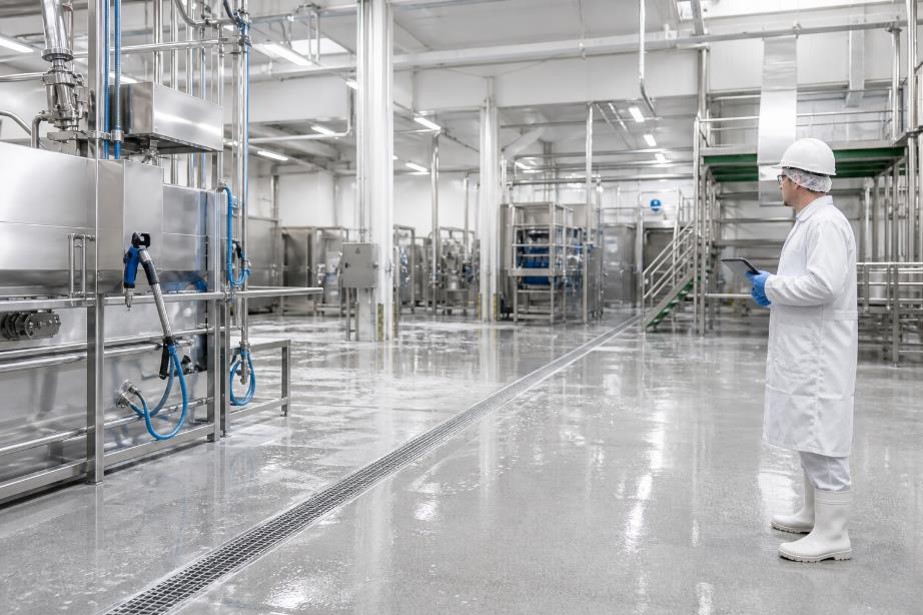
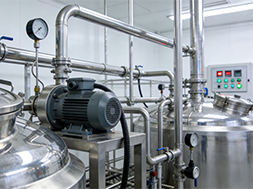
Figure 4. Standardized Cleaning and Disinfection Management in a Food-Processing Environment (Illustrative Scene)
At the waste-disposal stage, remaining chemicals, expired or ineffective products, contaminated packaging, and equipment-cleaning liquids should not be casually treated as ordinary waste before their properties have been identified.
Enterprises and users should determine appropriate routes for classified collection, temporary storage, transfer, and disposal according to the nature of the product, environmental impact assessment and pollutant discharge permit requirements applicable to the project, conclusions from hazardous-characteristic identification, and local regulatory requirements.
For waste whose properties cannot be directly determined, its nature should first be identified before a compliant disposal method is selected.
In the era of the Code, the dividing line in industry competition will shift from “who promotes themselves more loudly” to “who has the more complete chain of evidence.”
Whether a chlorine dioxide product is suitable for a specific application requires product documentation and, where necessary, a combination of on-site testing, process records, and test results.
Promotional materials should avoid absolute claims such as “zero risk,” “no by-products whatsoever,” or “suitable for all applications.” Disinfection products should also not be presented as medicines capable of preventing or treating disease.
For XIUBA chlorine dioxide disinfectants, capabilities worth continuously strengthening include clearly defining the application boundaries of different dosage forms and models, maintaining consistency between labels, instructions, and on-site service guidance, creating a closed loop between dosing and monitoring, establishing contingency plans for abnormal operating conditions, and enabling customers to evaluate performance based on data.
Only when “product—equipment—testing—records—service” are connected into a complete chain of evidence can green attributes move beyond slogans and become engineering capabilities that can be audited, reviewed, and continuously improved.
Technological innovation should follow the same logic. Stable preparation, precise dosing, online monitoring, low-corrosion materials, low-exposure operating methods, and improved chemical-utilization efficiency are all valuable directions for innovation.
However, any new formulation, new equipment, or new application should first undergo the necessary safety, effectiveness, and environmental impact assessments before being introduced into large-scale use.
The faster innovation progresses, the clearer the boundaries must be; the broader the application, the stronger the supporting data must be.
The implementation of the Environmental Code of the People's Republic of China brings both constraints and opportunities to the chlorine dioxide industry.
The constraint is that enterprises must respond to longer chains of responsibility, more transparent data, and stricter risk management.
The opportunity is that the market will increasingly require professional solutions capable of simultaneously achieving disinfection objectives, resource efficiency, occupational safety, and environmental risk control.
At this new starting point under the rule of law, XIUBA chlorine dioxide disinfectants can earn long-term trust not by attaching a more prominent “green” label, but by ensuring that every product selection has a basis, every dosage is controlled, every result is supported by data, and every abnormal situation has a response procedure.
For the industry as a whole, only by attaching equal importance to effectiveness and safety, products and services, and innovation and compliance can the technical value of chlorine dioxide be genuinely transformed into industrial value supporting high-quality development.
The rule of law defines the bottom line, science calibrates the standard, and responsibility determines how far an enterprise can go. Making green disinfection stand up to scrutiny throughout the entire process is the answer the industry should provide on the day the Code comes into force.
This article is intended as material for industry compliance communication and does not constitute product-selection, dosing, or legal advice for any specific project.
Actual use should be based on the label and instructions for the corresponding product model, hygiene and safety evaluation documentation, project process documents, and currently applicable laws, regulations, and standards.
Ministry of Ecology and Environment of the People's Republic of China: Environmental Code of the People's Republic of China, March 13, 2026.
State Administration for Market Regulation and Standardization Administration of China: GB/T 26366-2021, Hygienic Requirements for Chlorine Dioxide Disinfectants.
National Health Commission of the People's Republic of China: Notice of the General Office of the National Health Commission on Issuing the Guidelines for the Use of Disinfectants.
World Health Organization: Chlorine Dioxide, Chlorite and Chlorate.
U.S. Environmental Protection Agency: National Primary Drinking Water Regulations.
U.S. Centers for Disease Control and Prevention / NIOSH: Pocket Guide to Chemical Hazards – Chlorine Dioxide.
Official XIUBA website and publicly available product pages of Shandong Huashi Pharmaceutical Co., Ltd.
In 2026, Xiuba proposed that it is not enough to simply meet product qualification requirements; it is necessary to promote "green" practices in product selection, operation, safety, and record-keeping, rely on actual measurement data to verify effectiveness, strictly adhere to safety boundaries, and promote high-quality development of the industry.
Traditional chlorine preparations are prone to producing harmful chlorination by-products and will eventually be phased out; Chlorine dioxide relies on a unique electron transfer oxidation mechanism, producing almost no organic chlorides, with high sterilization efficiency and lower risk of by-products. Xiuba relies on years of large-scale production and university research cooperation, with complete product qualifications, strict control of disinfection residues, and a balance between effective disinfection and ecological green, in line with the industry's green and low-carbon development trend.

Focusing on three core selection dimensions—cost, safety, and broad-spectrum disinfection—this article compares chlorine dioxide with disinfectants such as ozone and peracetic acid, highlighting its significant advantages in terms of sterilization mechanism, usage safety, and long-term cost. The product is suitable for various scenarios including water supply, food processing, and wastewater treatment. Addressing market issues of misleading labeling, the article provides purchasing advice and recommends Xiuba Chlorine Dioxide, a brand with deep industry experience and complete certifications.
This article points out that during CIP cleaning, adding chlorine dioxide before alkaline washing and during acid-alkali rinsing has poor effects; the optimal point is after acid washing, when the acidic clean environment is suitable for the agent, and it is also necessary to drain residual acid, control the temperature, and circulate for 15-20 minutes to improve the disinfection effect.
This article compares the applicable scenarios of chemical and electrolytic chlorine dioxide generators, explaining the manufacturer selection criteria from five dimensions: qualifications, accessories, case studies, after-sales service, and process compatibility. It also introduces five major development trends, including intelligent and modular equipment. Xiuba XB series equipment complies with GB 28931-2024 standards, has complete qualifications, and offers 24/7 full-process service. It is suitable for multiple industries and can reduce maintenance costs and operational risks.
Chlorine dioxide is safe, efficient, and suitable for multiple industries, with the market continuously expanding and benefiting from ongoing policy support.Shandong Huashi Pharmaceutical's Xiuba division has been deeply involved in the industry for many years and can provide a full range of chlorine dioxide disinfection products and related technical services.
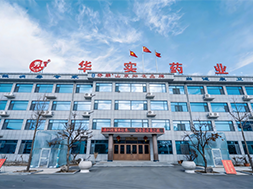
Xiuba has been deeply involved in chlorine dioxide disinfection for nearly 30 years, possessing mature technology and a rich product line. The brand has completed a strategic transformation, shifting from simply selling products to providing customized disinfection services throughout the entire process, integrating industry resources, and specifically addressing various disinfection pain points for companies in the drinking water, food, and medical fields.
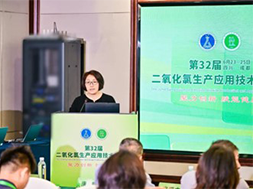
Shandong Huashi Pharmaceutical took part in the 32nd National Chlorine Dioxide Technology Symposium held in Chengdu this June. Our technical team shared professional research on chlorine dioxide disinfection for medical and public health scenarios and exchanged industry technologies with over 70 experts and manufacturers. This participation fully proves our solid R&D strength and professional standing in the chlorine dioxide disinfection field.
The rainstorm in many places in Shandong has caused the sediment, bacteria and organic matter in the water source to exceed the standard seriously. The traditional chlorine disinfection is prone to carcinogens and unstable sterilization, which makes it difficult to deal with sudden water pollution. High purity Xiuba chlorine dioxide has high sterilization efficiency and no harmful by-products. Combined with the three-level treatment process of the water plant, it can comprehensively ensure the safety of the water plant, secondary water supply, and household water use.
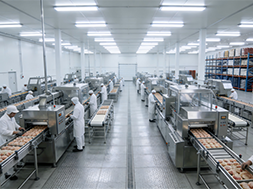
Chlorine dioxide spray disinfection in food packaging workshop is easy to cause combustion and explosion risk due to static electricity generated in dry environment. Comprehensive prevention and control can be achieved through four kinds of measures, including equipment anti-static grounding, optimization of atomization parameters, improvement of workshop humidity, static electricity monitoring and emergency plan.
Northeast of Huangshan Road and Chuangye Intersection, Small and Medium sized Enterprise Entrepreneurship Industrial Park, Shanwang Town, Linqu County, Weifang City, Shandong Province
Copyright © 2025 by Shandong Huashi Pharmaceutical Co., Ltd All Rights Reserved


 Language
 中文
中文 Русский
 Chlorine Dioxide Disinfectant Manufacturer


