Welcome to Our Factory for a Visit! Free customized disinfection solutions

As China continues to advance high-quality development and modernization, the “dual-carbon goals” have become an important indicator shaping the direction of industrial and social development. This also means that increasingly stringent requirements for green development are driving a profound transformation. Traditional disinfection methods are now being evaluated according to new standards, with greater emphasis on green development and regulatory compliance.
Conventional chlorine-based disinfectants may gradually face increasing restrictions as environmental and health requirements become more stringent. At present, the market still includes chlorine-containing disinfectant products associated with concerns over potentially harmful chlorinated by-products. To understand why the disinfection industry is moving toward safer and more environmentally compatible technologies, it is necessary to examine the future development of compliant disinfectants from multiple perspectives and evaluate market trends from a longer-term and more scientific viewpoint. Only in this way can enterprises make more forward-looking choices and achieve sustainable development.
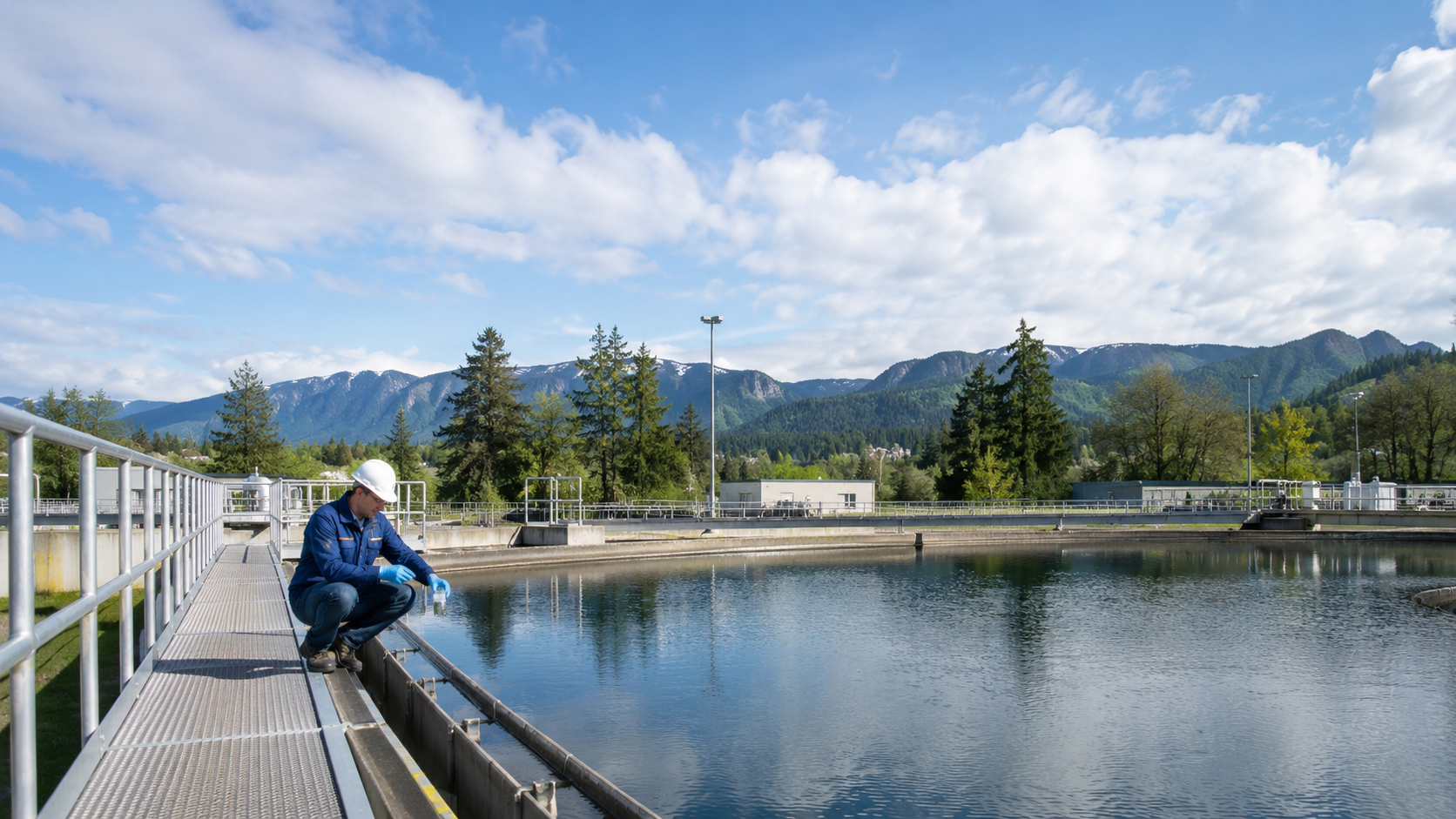
The reaction pathway between chlorine dioxide and naturally dissolved organic matter in water is far more complex than it may initially appear.
Unlike many conventional chlorinating oxidants, chlorine dioxide mainly participates in oxidation reactions through electron transfer rather than chlorination substitution reactions that form organic chlorinated compounds. Its molecular structure gives it strong electron-accepting characteristics, enabling it to oxidize various contaminants effectively.
This reaction mechanism is also one of the reasons chlorine dioxide has strong penetration and oxidation capabilities. During oxidation, chlorine dioxide can interfere with enzymes, proteins, and other key cellular components of microorganisms, reducing their biological activity and preventing normal cellular functions and reproduction.
These characteristics give chlorine dioxide a distinctive role in water-treatment disinfection and microbial control.
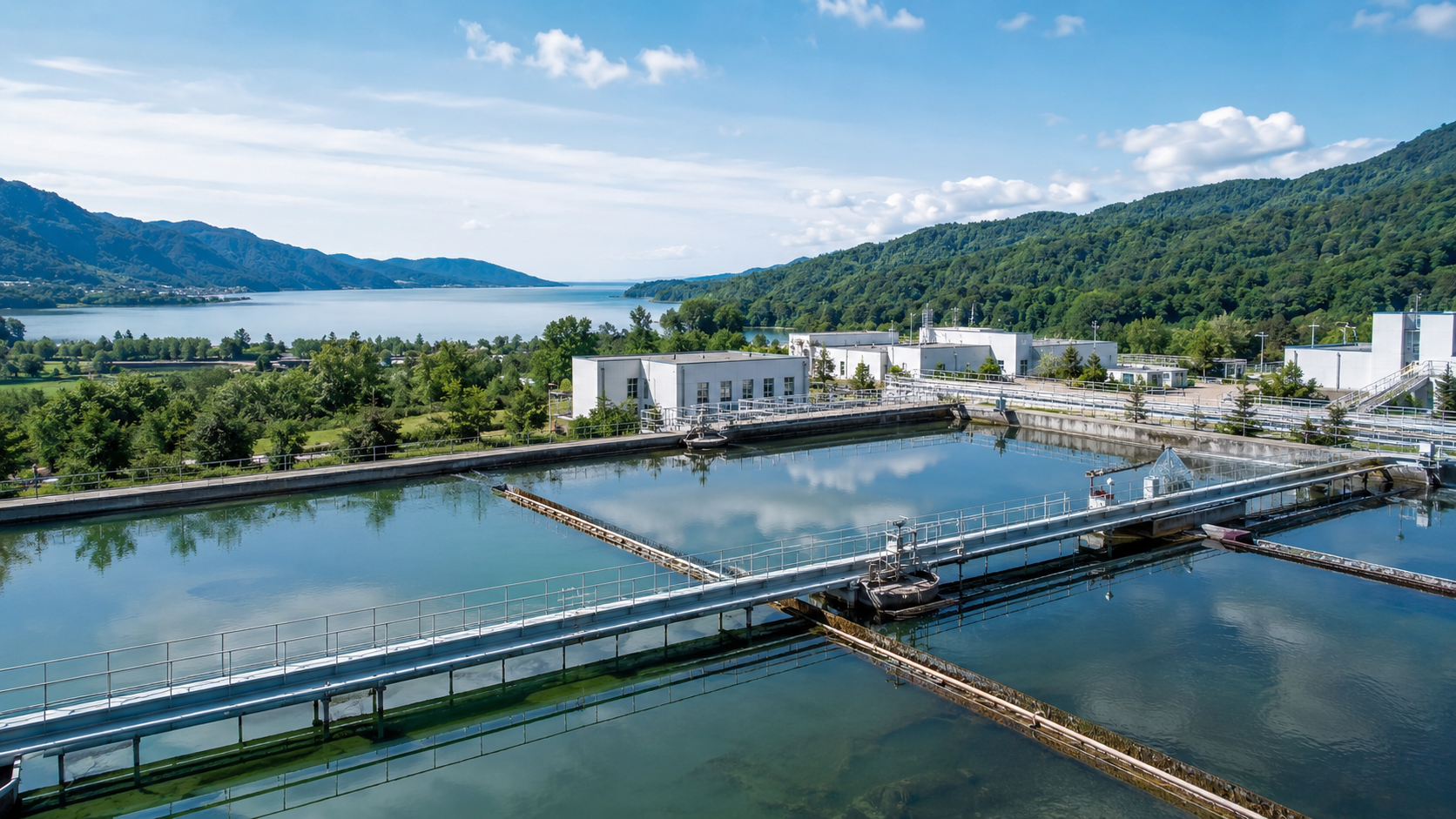
Consumers have long been sensitive to the characteristic “disinfectant smell” sometimes associated with treated water. At the same time, the control of inorganic disinfection by-products has become an increasingly important issue for the water-treatment industry.
Although end-of-pipe treatment technologies can be used to reduce certain by-products, controlling their formation at the source and throughout the treatment process is generally more systematic and efficient.
Modern disinfection management therefore places increasing emphasis on process control rather than relying solely on higher disinfectant dosages. This requires coordinated optimization of the entire disinfection system, including reactor selection, disinfectant selection, dosing strategy, reaction conditions, and process design.
China’s Standards for Drinking Water Quality have been continuously revised and improved, reflecting increasingly stringent requirements for chlorite and other related water-quality indicators. This development highlights the importance of controlling disinfection by-products throughout the entire treatment process.
For example, in algae-rich source water, an appropriately designed pre-oxidation process using chlorine dioxide can provide effective microbial and algae control at comparatively low dosages. Compared with some conventional chlorine-based treatment methods, optimized chlorine dioxide processes may reduce certain chlorinated by-product risks when properly designed and controlled.
The key to ecological and safety performance is therefore not simply the disinfectant itself, but the coordinated management of dosage, reaction conditions, water quality, and the overall treatment process.
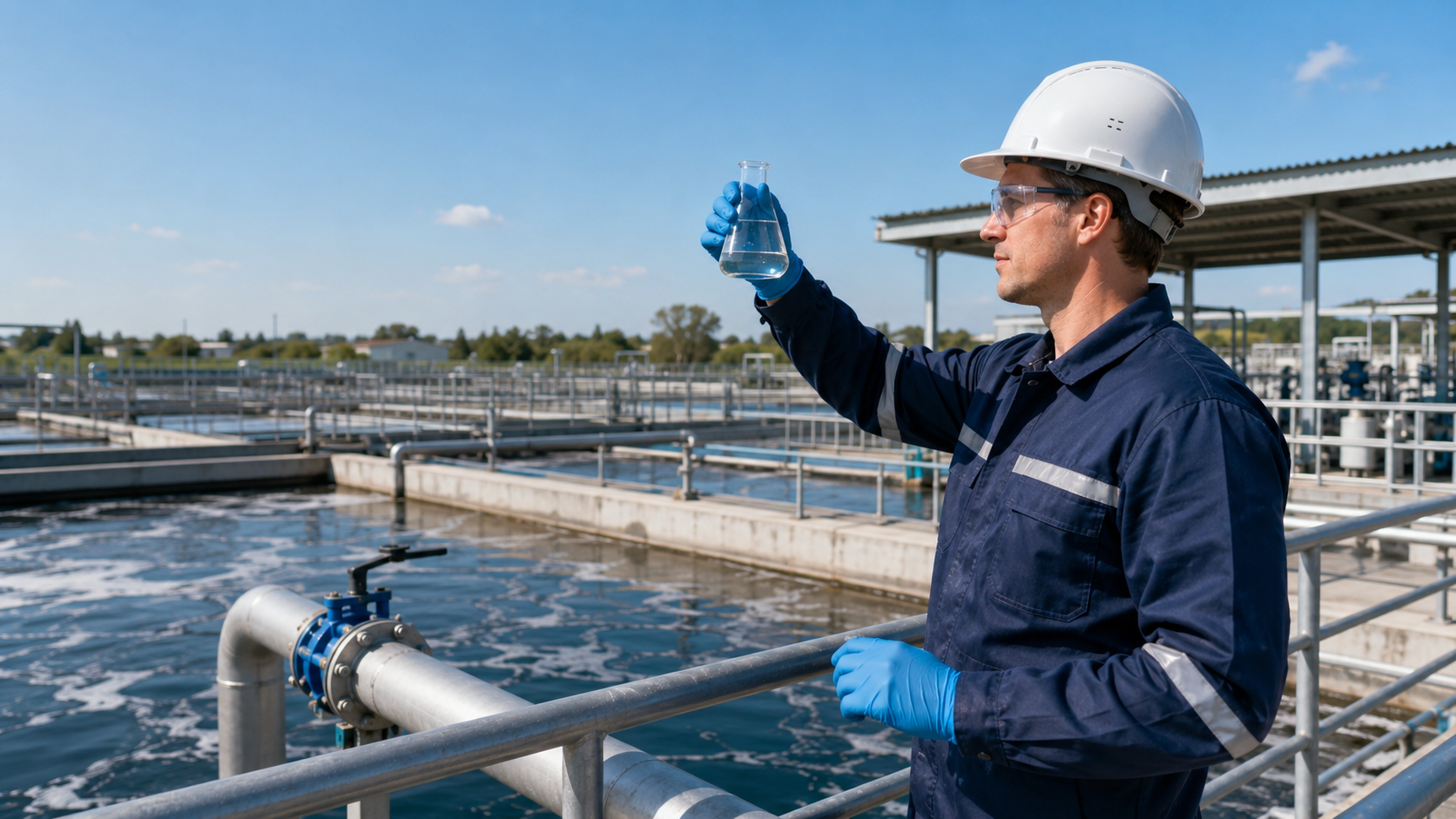
Driven by these market and environmental trends, XIUBA has continued to develop chlorine dioxide products by combining their physicochemical properties with increasingly stringent environmental requirements.
Through continuous technological development and product optimization, XIUBA has sought to improve product performance and expand the application of chlorine dioxide in environmentally responsible disinfection.
Shandong Huashi Pharmaceutical Co., Ltd., the company behind the XIUBA brand, has accumulated decades of manufacturing experience. With an annual production capacity exceeding 10,000 tons and a large-scale production base, the company has gradually developed a more intensive and systematic manufacturing system.
Chlorine dioxide technology itself has developed rapidly in China over the past several decades. As environmental industries continue to expand and green treatment technologies become increasingly widespread, chlorine dioxide is expected to find broader applications in industrial and water-treatment disinfection.
From a technological perspective, chlorine dioxide has gradually become an important option in many disinfection applications. As the disinfection industry continues to evolve, it may provide additional possibilities for balancing strong microbial control with environmental considerations.
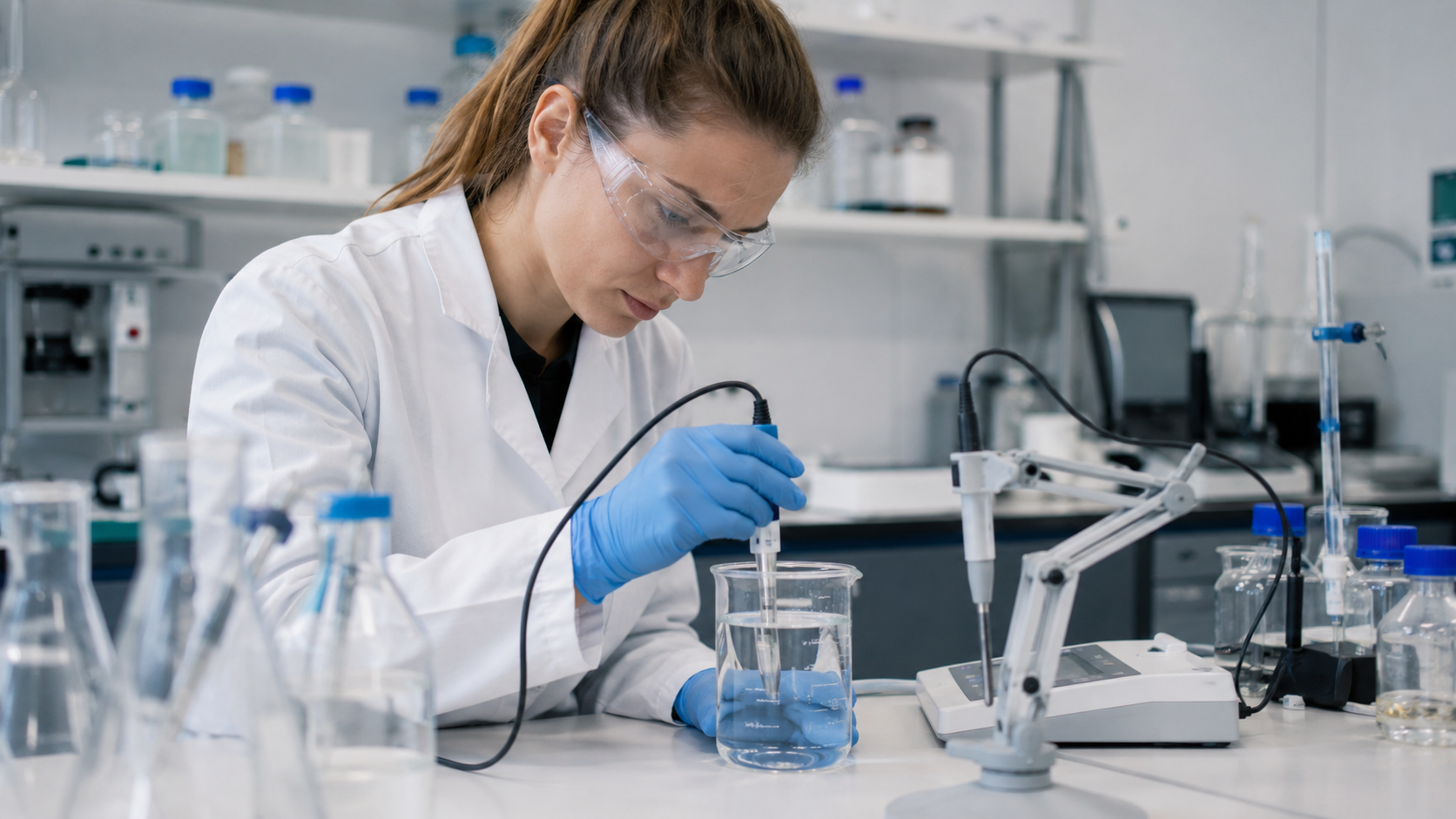
XIUBA chlorine dioxide products are developed through continuous technical research rather than relying solely on marketing concepts.
The company has carried out research cooperation with universities and scientific institutions, including Tongji University, to support product development and innovation. Its product portfolio covers powders, tablets, water-treatment products, and products used in food-processing applications.
Products are tested and evaluated according to applicable regulatory and technical requirements before being marketed. XIUBA also holds multiple relevant approvals and supporting qualification documents for its chlorine dioxide products.
The brand emphasizes accurate product labeling, technical verification, and standardized application as important elements of product quality and long-term credibility.
Through decades of manufacturing and practical application experience, XIUBA has developed technical capabilities covering product development, production, disinfection-process design, and on-site technical support.
Today, XIUBA chlorine dioxide products are used in food processing, drinking-water treatment, and other disinfection applications. By optimizing preparation methods, dosage, concentration, contact time, and process conditions, chlorine dioxide can be applied with controlled residual levels while maintaining effective microbial control.
The goal is to achieve a practical balance between disinfection efficiency, residual control, material compatibility, and environmental considerations.
XIUBA continues to promote the concept of “purer disinfection, more reliable hygiene, and greater confidence in treatment results,” providing users with systematic chlorine dioxide products and technical support.
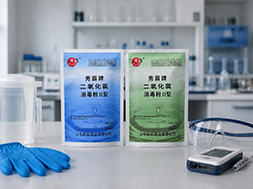
In 2026, Xiuba proposed that it is not enough to simply meet product qualification requirements; it is necessary to promote "green" practices in product selection, operation, safety, and record-keeping, rely on actual measurement data to verify effectiveness, strictly adhere to safety boundaries, and promote high-quality development of the industry.
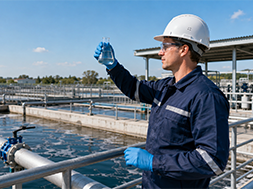
Traditional chlorine preparations are prone to producing harmful chlorination by-products and will eventually be phased out; Chlorine dioxide relies on a unique electron transfer oxidation mechanism, producing almost no organic chlorides, with high sterilization efficiency and lower risk of by-products. Xiuba relies on years of large-scale production and university research cooperation, with complete product qualifications, strict control of disinfection residues, and a balance between effective disinfection and ecological green, in line with the industry's green and low-carbon development trend.
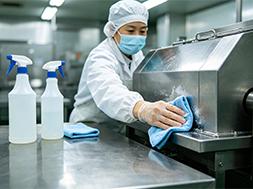
Focusing on three core selection dimensions—cost, safety, and broad-spectrum disinfection—this article compares chlorine dioxide with disinfectants such as ozone and peracetic acid, highlighting its significant advantages in terms of sterilization mechanism, usage safety, and long-term cost. The product is suitable for various scenarios including water supply, food processing, and wastewater treatment. Addressing market issues of misleading labeling, the article provides purchasing advice and recommends Xiuba Chlorine Dioxide, a brand with deep industry experience and complete certifications.
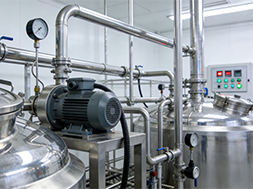
This article points out that during CIP cleaning, adding chlorine dioxide before alkaline washing and during acid-alkali rinsing has poor effects; the optimal point is after acid washing, when the acidic clean environment is suitable for the agent, and it is also necessary to drain residual acid, control the temperature, and circulate for 15-20 minutes to improve the disinfection effect.
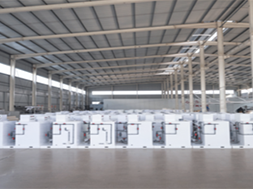
This article compares the applicable scenarios of chemical and electrolytic chlorine dioxide generators, explaining the manufacturer selection criteria from five dimensions: qualifications, accessories, case studies, after-sales service, and process compatibility. It also introduces five major development trends, including intelligent and modular equipment. Xiuba XB series equipment complies with GB 28931-2024 standards, has complete qualifications, and offers 24/7 full-process service. It is suitable for multiple industries and can reduce maintenance costs and operational risks.
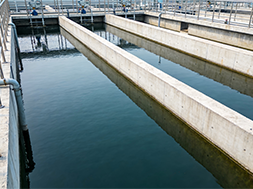
Chlorine dioxide is safe, efficient, and suitable for multiple industries, with the market continuously expanding and benefiting from ongoing policy support.Shandong Huashi Pharmaceutical's Xiuba division has been deeply involved in the industry for many years and can provide a full range of chlorine dioxide disinfection products and related technical services.
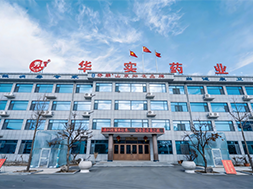
Xiuba has been deeply involved in chlorine dioxide disinfection for nearly 30 years, possessing mature technology and a rich product line. The brand has completed a strategic transformation, shifting from simply selling products to providing customized disinfection services throughout the entire process, integrating industry resources, and specifically addressing various disinfection pain points for companies in the drinking water, food, and medical fields.
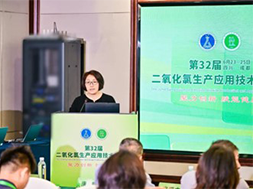
Shandong Huashi Pharmaceutical took part in the 32nd National Chlorine Dioxide Technology Symposium held in Chengdu this June. Our technical team shared professional research on chlorine dioxide disinfection for medical and public health scenarios and exchanged industry technologies with over 70 experts and manufacturers. This participation fully proves our solid R&D strength and professional standing in the chlorine dioxide disinfection field.
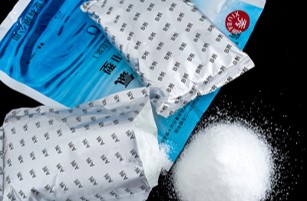
The rainstorm in many places in Shandong has caused the sediment, bacteria and organic matter in the water source to exceed the standard seriously. The traditional chlorine disinfection is prone to carcinogens and unstable sterilization, which makes it difficult to deal with sudden water pollution. High purity Xiuba chlorine dioxide has high sterilization efficiency and no harmful by-products. Combined with the three-level treatment process of the water plant, it can comprehensively ensure the safety of the water plant, secondary water supply, and household water use.
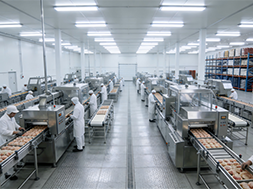
Chlorine dioxide spray disinfection in food packaging workshop is easy to cause combustion and explosion risk due to static electricity generated in dry environment. Comprehensive prevention and control can be achieved through four kinds of measures, including equipment anti-static grounding, optimization of atomization parameters, improvement of workshop humidity, static electricity monitoring and emergency plan.
Northeast of Huangshan Road and Chuangye Intersection, Small and Medium sized Enterprise Entrepreneurship Industrial Park, Shanwang Town, Linqu County, Weifang City, Shandong Province
Copyright © 2025 by Shandong Huashi Pharmaceutical Co., Ltd All Rights Reserved


 Language
 中文
中文 Русский
 Chlorine Dioxide Disinfectant Manufacturer


