Welcome to Our Factory for a Visit! Free customized disinfection solutions

In an era of increasing attention to hygiene and safety, disinfectant selection should consider the target microorganism, application, concentration, contact time, and safety requirements. Chlorine dioxide is a strong oxidizing disinfectant that can be used to control many types of bacteria in drinking water, food processing, environmental hygiene, and other applications. However, it is not a universal disinfectant that performs equally well against every microorganism in every situation. The following sections discuss its role and technical boundaries in controlling Gram-positive bacteria, Gram-negative bacteria, bacterial spores, and biofilms.
(1) Staphylococcus aureus: A Common Opportunistic Pathogen
Staphylococcus aureus is commonly found on the skin and in the nasal cavity and can cause skin and soft-tissue infections, food poisoning, and other infections. Chlorine dioxide can oxidize proteins, sulfur-containing amino acids, and other essential cellular components, disrupting cell function and resulting in microbial inactivation. Under suitable concentration, contact time, and cleaning conditions, it can also inactivate methicillin-resistant S. aureus (MRSA). Antibiotic resistance and disinfectant tolerance are not the same phenomenon, so it is incorrect to assume that bacteria with greater antibiotic resistance are necessarily easier or harder to inactivate with chlorine dioxide.
(2) Streptococci: Different Species, Different Infection Risks
Streptococci include many species and groups with different health impacts. Group A streptococci can cause pharyngitis, tonsillitis, and scarlet fever, while Group B streptococci are particularly important for newborns and certain high-risk groups. Chlorine dioxide can oxidize bacterial proteins, membrane-associated structures, and other key biomolecules, interfering with normal metabolism and leading to inactivation. Actual performance still depends on concentration, contact time, temperature, organic load, and the specific strain.
(3) Listeria: A Pathogen That Can Grow Under Refrigeration
Listeria monocytogenes is an important foodborne pathogen capable of growing at refrigeration temperatures and poses higher risks to pregnant women, newborns, older adults, and immunocompromised individuals. Chlorine dioxide may be used as one component of hygiene control in food-processing environments and related process water. However, low temperatures can slow many disinfection reactions, so its strong oxidizing properties do not mean that identical inactivation performance will always be achieved rapidly in every cold environment. Operating parameters should follow the product instructions and the facility's validated sanitation program.
(4) Enterococcus faecalis / Enterococcus faecium: Opportunistic Pathogens from the Intestinal Flora
E. faecalis and E. faecium are commonly found in the intestinal tract of humans and animals and can cause urinary tract, intra-abdominal, bloodstream, and other infections under certain conditions. Some strains also have substantial antibiotic resistance. Under appropriate process conditions, chlorine dioxide can inactivate these bacteria, but the correct wording is microbial inactivation rather than 'suppression of pathogenicity.' For vancomycin-resistant enterococci (VRE), effectiveness should likewise be confirmed by the actual concentration, contact time, and microbiological validation.
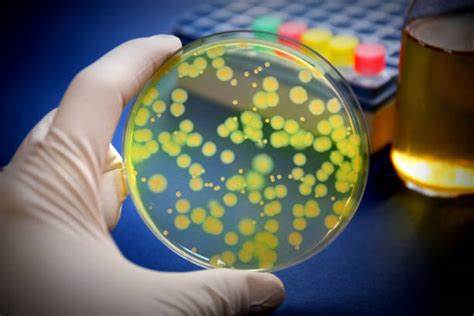
(1) Escherichia coli: A Common Hygiene Indicator and, in Some Strains, a Pathogen
E. coli is widely present in the intestinal tract of humans and animals. Most strains are harmless, while some pathogenic strains can cause gastrointestinal or other diseases. Chlorine dioxide can inactivate E. coli through multi-target oxidation involving the cell membrane, proteins, and other cellular components. The actual level of inactivation should be evaluated in relation to water quality, organic load, temperature, concentration, and contact time.
(2) Pseudomonas aeruginosa: An Opportunistic Pathogen in Healthcare and Water Systems
Pseudomonas aeruginosa is an important opportunistic pathogen of concern in healthcare environments, wet surfaces, and some water systems, where it can cause respiratory, wound, and burn-associated infections. It has substantial antibiotic resistance and readily forms biofilms, which makes hygiene control more difficult. Chlorine dioxide can oxidize the cell membrane, proteins, and multiple essential cellular components and can inactivate planktonic P. aeruginosa. Mature biofilms, however, generally require cleaning, organic-soil removal, and a validated disinfection procedure, so it is overly simplistic to describe this organism as simply 'very sensitive' to chlorine dioxide.
(3) Vibrio cholerae: An Important Waterborne Pathogen
Vibrio cholerae can spread through contaminated water and food and may cause serious public-health events. Under appropriate drinking-water treatment conditions, chlorine dioxide can inactivate V. cholerae and other bacteria and can therefore be used as one disinfection technology. Outbreak control, however, cannot depend on a single disinfectant; safe source water, proper treatment, distribution-system management, monitoring, and broader public-health measures are also required.
(4) Salmonella and Shigella: Important Foodborne and Enteric Pathogens
The genus Salmonella includes many serotypes, some of which can cause typhoid, paratyphoid fever, or gastroenteritis, while Shigella can cause bacillary dysentery. Chlorine dioxide can be used to control these bacteria in drinking water, food-processing water, and permitted environmental hygiene applications. Actual performance must follow the approved scope of the product, concentration, contact time, and validation results; it should not be interpreted as a universal recommendation for direct treatment of all food surfaces.
(5) Legionella: A Key Water-System Control Target
Legionella can occur in cooling towers, hot-water systems, piping, and other engineered water systems and can cause Legionnaires' disease through contaminated aerosols. Chlorine dioxide may form part of a Legionella control program, but effectiveness depends on temperature, residual concentration, water age, biofilm, pipe materials, and overall system design. Established biofilms usually also require cleaning, flushing, and systematic maintenance, so chlorine dioxide dosing alone should not be presented as a guaranteed way to greatly reduce infection risk.
(6) Campylobacter: A Common Foodborne Pathogen
Campylobacter is a common foodborne pathogen that can cause gastroenteritis. In validated food-processing water or environmental sanitation programs, chlorine dioxide may help reduce contamination risks from Campylobacter and other target organisms. However, statements that it can 'effectively eliminate' the bacterium during food disinfection should not be generalized without specifying concentration, contact time, food type, and regulatory requirements.
Bacterial spores are highly resistant dormant structures formed by certain bacteria under adverse conditions and can withstand many routine disinfection conditions. At sufficient concentration and contact time, chlorine dioxide can inactivate some bacterial spores, but performance depends strongly on spore species, temperature, organic load, and treatment conditions. It is not appropriate to state broadly that chlorine dioxide is 'far superior' to chlorine or sodium hypochlorite for spores, nor should routine disinfection be described as 'close to sterilization.' If medical-device sterilization or high-level disinfection is required, the process must be specifically validated and comply with the relevant regulatory and equipment requirements.
(1) Broad-Spectrum Activity: Effective Against Many Types of Bacteria
Under appropriate process conditions, chlorine dioxide can inactivate many Gram-positive and Gram-negative bacteria, including S. aureus, E. coli, and P. aeruginosa. Antibiotic-resistant organisms such as MRSA and VRE can also be inactivated by oxidation in environmental, water-system, or equipment hygiene applications. However, 'broad-spectrum' does not mean that every microorganism can be controlled with the same concentration and contact time; operating parameters must be matched to the target organism and application.
(2) High Oxidizing Reactivity: Not Automatically Equivalent to Lower Dose or Lower Cost
Chlorine dioxide has high oxidizing reactivity and can provide strong disinfection performance under certain water-quality and microbial conditions, while its disinfection performance is relatively less affected by pH changes than that of free chlorine. However, compared with chlorine or other disinfectants, the required dose, reaction speed, and total operating cost do not have a universal advantage in every application. Organic matter, temperature, target microorganisms, generation method, monitoring requirements, and by-product control all affect performance, so process validation and life-cycle cost evaluation are necessary.
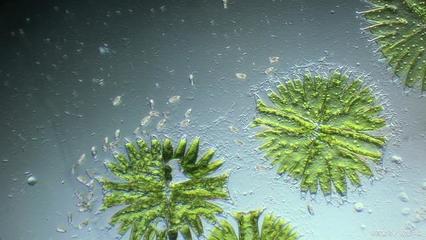
(3) Antibiotic-Resistant Bacteria Can Still Be Controlled in Environmental Applications
MRSA and VRE describe resistance to specific antibiotics and do not imply an identical mechanism of resistance to chemical disinfectants. As a multi-target oxidizing agent, chlorine dioxide can inactivate these bacteria under suitable conditions and can therefore be used in relevant environmental, water-system, or equipment hygiene programs. It cannot, however, be used to 'treat antibiotic-resistant infections' and does not replace antimicrobial therapy, hand hygiene, cleaning, or other infection-control measures.
(4) Biofilm Control Is Possible, but It Must Be Combined with Cleaning
Chlorine dioxide has diffusion and oxidation capabilities that can contribute to biofilm control on some water-system and equipment surfaces. Mature biofilms, however, have complex extracellular polymeric matrices that consume oxidants and protect microorganisms located deeper within the structure. It is therefore inaccurate to claim that chlorine dioxide can always 'fully penetrate biofilms and completely eliminate hidden pathogens.' A more reliable approach is to reduce biofilm load through mechanical or chemical cleaning first, then apply a validated chlorine dioxide concentration and contact time and confirm the result through microbiological monitoring.

Overall, chlorine dioxide is a strong oxidizing disinfectant with a relatively broad range of antibacterial activity and can be used for bacterial control in drinking water, food-processing water, selected equipment, and environmental hygiene applications. Its value lies in its reaction mechanism and appropriate range of use, not in being 'irreplaceable against all bacteria.' More difficult conditions such as spores, mature biofilms, low temperatures, or high organic loads require particular attention to cleaning, concentration, contact time, temperature, and validation results.
Important reminder: chlorine dioxide concentration and contact time should be determined according to the product instructions, approved use, target microorganism, and actual environmental conditions. Drinking water, food-contact surfaces, medical devices, and other applications are governed by different requirements and should not share one set of operating parameters across all scenarios.

Chlorine dioxide and potassium persulfate are commonly used for disinfection of hospital wastewater. The former has a fast sterilization speed and low cost, but it has a pungent odor and requires supporting equipment, making it suitable for large hospitals. The latter has a long-lasting sterilization time, is environmentally friendly and easy to use, but is more expensive, making it suitable for small and medium-sized medical institutions. The two can also be used in combination.
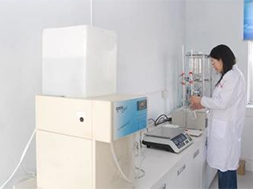
AB agent dosing devices generate free radicals through agent mixing to oxidize organic matter. They are easy to operate, quick to deploy, and have low hazardous chemical risks, but the agent cost is relatively high. Chlorine dioxide generators produce chlorine dioxide on-site, providing long-lasting disinfection and are more cost-effective for large-scale use, but their hazardous chemical management and maintenance are complex. For small water volumes, emergency situations, and degradation of persistent organic matter, AB agent dosing devices are recommended. For large water volumes, those focusing on sterilization, and those requiring professional operation and maintenance, chlorine dioxide generators are preferable. A comprehensive five-step selection process is possible, or both can be used in combination. It is recommended to conduct small-scale water sample testing to determine the optimal solution.
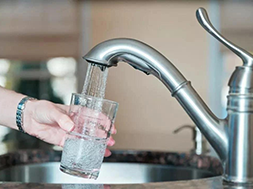
Chlorine dioxide is a broad-spectrum and highly effective disinfectant. With its strong oxidizing properties, it can kill Gram-positive and Gram-negative bacteria, drug-resistant bacteria, and bacterial spores. It can also penetrate bacterial biofilms. It can take effect quickly even at low concentrations and is often used for disinfection of drinking water, food, and medical products. However, it is necessary to control the concentration and duration of action when using it.
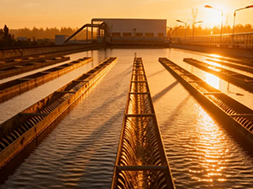
Chlorine dioxide disinfection pipelines in water plants are prone to blockage due to salt crystallization caused by disproportionation reactions. This can be prevented by optimizing the purity of the solution, designing the pipeline properly, regularly flushing and insulating, and conducting thorough inspections and chemical cleaning (hydrochloric acid should not be used). These multi-dimensional measures can help prevent crystallization and ensure the stable operation of the disinfection system.
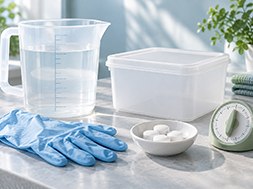
The pestis pestis leakage incident in the Russian laboratory reminded the public that pestis can be spread by fleas, infected animals, and droplets. The prevention and control should focus on the environment and rat flea management, instead of blind disinfection and sterilization. Xiuba chlorine dioxide disinfection tablet can only be used for preventive disinfection of object surface according to instructions. It has no special killing effect of pestis bacilli, and cannot be used as special epidemic prevention materials for pestis. It needs to be operated in a standardized way. Do not over disinfect due to network rumors.
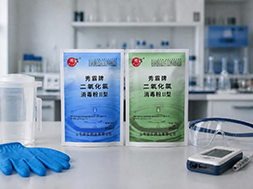
In 2026, Xiuba proposed that it is not enough to simply meet product qualification requirements; it is necessary to promote "green" practices in product selection, operation, safety, and record-keeping, rely on actual measurement data to verify effectiveness, strictly adhere to safety boundaries, and promote high-quality development of the industry.

Traditional chlorine preparations are prone to producing harmful chlorination by-products and will eventually be phased out; Chlorine dioxide relies on a unique electron transfer oxidation mechanism, producing almost no organic chlorides, with high sterilization efficiency and lower risk of by-products. Xiuba relies on years of large-scale production and university research cooperation, with complete product qualifications, strict control of disinfection residues, and a balance between effective disinfection and ecological green, in line with the industry's green and low-carbon development trend.

Focusing on three core selection dimensions—cost, safety, and broad-spectrum disinfection—this article compares chlorine dioxide with disinfectants such as ozone and peracetic acid, highlighting its significant advantages in terms of sterilization mechanism, usage safety, and long-term cost. The product is suitable for various scenarios including water supply, food processing, and wastewater treatment. Addressing market issues of misleading labeling, the article provides purchasing advice and recommends Xiuba Chlorine Dioxide, a brand with deep industry experience and complete certifications.
Northeast of Huangshan Road and Chuangye Intersection, Small and Medium sized Enterprise Entrepreneurship Industrial Park, Shanwang Town, Linqu County, Weifang City, Shandong Province
Copyright © 2025 by Shandong Huashi Pharmaceutical Co., Ltd All Rights Reserved


 Language
 中文
 Русский
 Chlorine Dioxide Disinfectant Manufacturer