Welcome to Our Factory for a Visit! Free customized disinfection solutions

In October 2026 (local time), a high-risk biosafety incident occurred at a laboratory in the Irkutsk Oblast of Siberia, Russia. A leak of a deadly pathogen took place at a local anti-plague research institute, resulting in the tragic death of a young researcher who was exposed to *Yersinia pestis* (the plague bacterium) due to an operational error. Local health authorities urgently activated their highest-level epidemic prevention protocol and placed 189 close contacts under centralized medical quarantine and observation, sparking heightened vigilance across Russia's public health sector.
An account about plague in Russia has prompted concerns about everyday environmental safety. Such concerns are understandable, but claims about deaths, changes in bacterial strains and border measures require reliable confirmation. Deaths alone do not establish that an engineered strain exists. Effective protection begins with establishing the facts.
Plague is a bacterial infectious disease caused by Yersinia pestis. According to WHO, infection can occur through infected flea bites or contact with infected animal tissues; pneumonic plague can also spread through respiratory droplets. Prompt recognition and treatment are essential. Treating prevention as simply spraying disinfectant everywhere can overlook the risks that actually need attention.[1]
Communities, property managers and workplaces should start with sanitation: remove waste promptly, store food securely and inspect gaps through which rodents can enter buildings. Do not handle unexplained dead rodents or wild animals with bare hands; report unusual findings to local professionals. Where plague risk is involved, follow expert guidance on the sequence of flea and rodent control. Unplanned rodent killing can increase the chance of fleas moving to new hosts.[1]
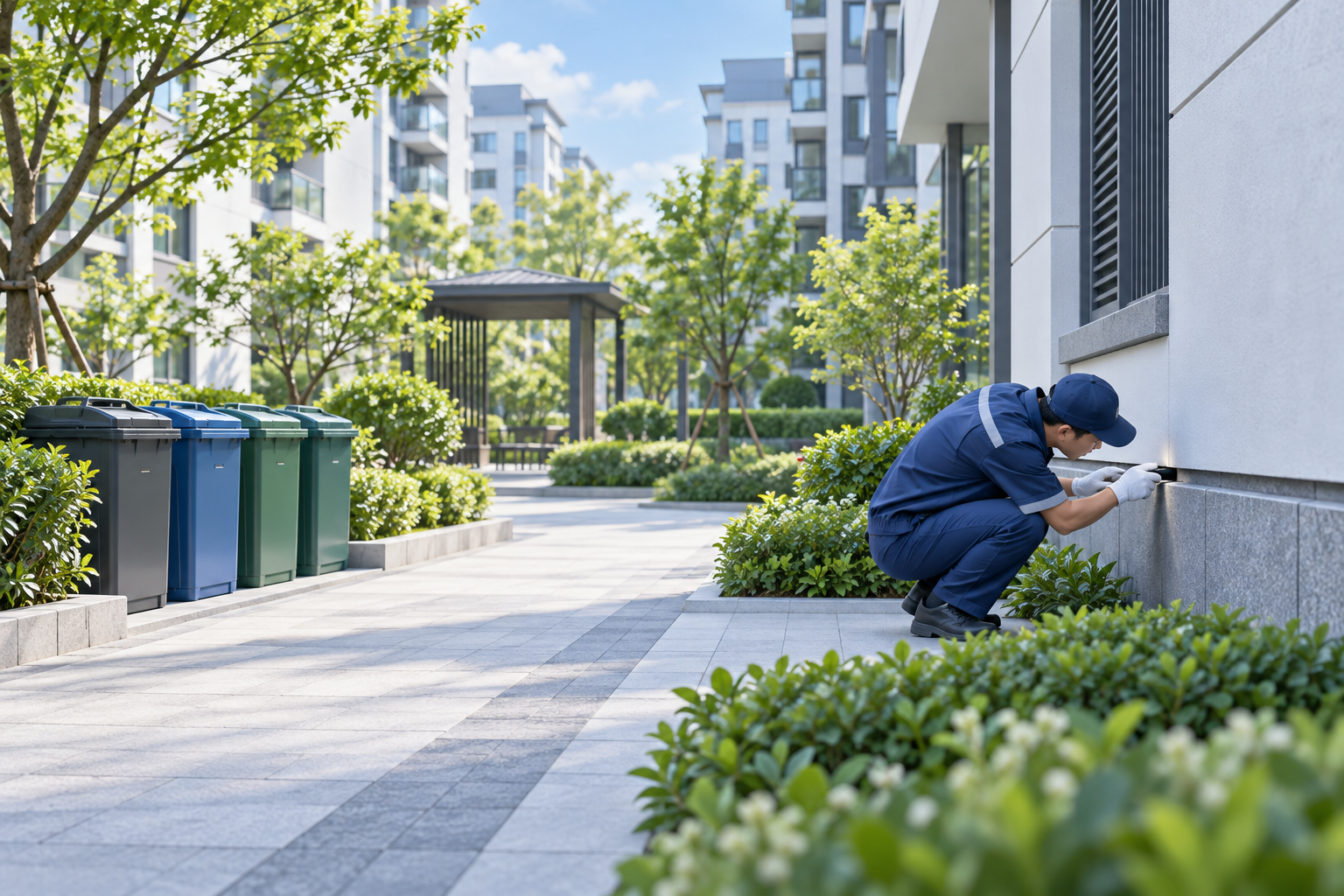
Community sanitation and management of rodent entry points Conceptual scene
Environmental disinfection is one part of prevention. Cleaning and disinfection of door handles, stair rails, lift buttons, shared worktops and washrooms should reflect frequency of use, contamination and management requirements. For homes without a specific contamination risk, routine cleaning and ventilation are the priorities; online reports alone do not justify repeated large-scale disinfection.[2]
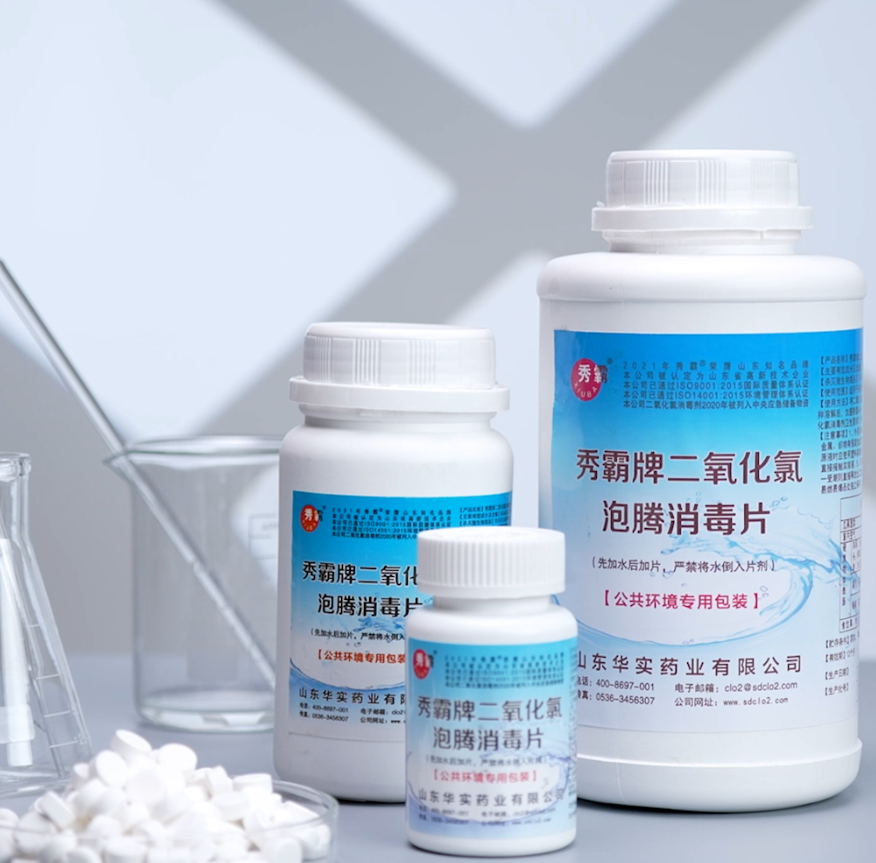
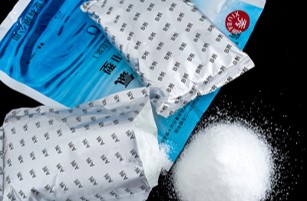
Schematic diagram of xiuba chlorine dioxide effervescent disinfectant tablets
How can Xiuba chlorine dioxide disinfectant tablets fit into this work? Select a specific product whose instructions explicitly permit use on environmental surfaces, and check its active ingredient content, hygiene safety evaluation materials and permitted uses. Once these conditions are met, prepare the working solution as instructed and apply it by wiping or another approved method. Tablets facilitate storage in separate packs and planned distribution, but effectiveness still depends on correct preparation and application.[3][4]

Proper wipe disinfection of frequently touched surfaces Conceptual scene
For ordinary surfaces, remove visible dirt before disinfection. Measure water accurately and follow the dissolution or activation procedure for the specific product. Do not guess tablet quantities or borrow dilution instructions from another model. Keep surfaces adequately wet for the required contact time, then remove residues with clean water where the instructions require it. Staff should use appropriate protection, verify working-solution concentrations with a method suitable for chlorine dioxide when needed, and record preparation times and locations. Suspected infectious contamination requires professional handling.[3]
Concentration and contact time depend on the situation. Routine preventive disinfection and management of suspected contamination have different requirements; general parameters cannot serve as a plague decontamination protocol. The available material also does not establish product-specific efficacy of any Xiuba model against Yersinia pestis, so it cannot support promises of dedicated plague prevention or guaranteed interruption of transmission. Relevant sites require assessment and a plan from public health professionals.
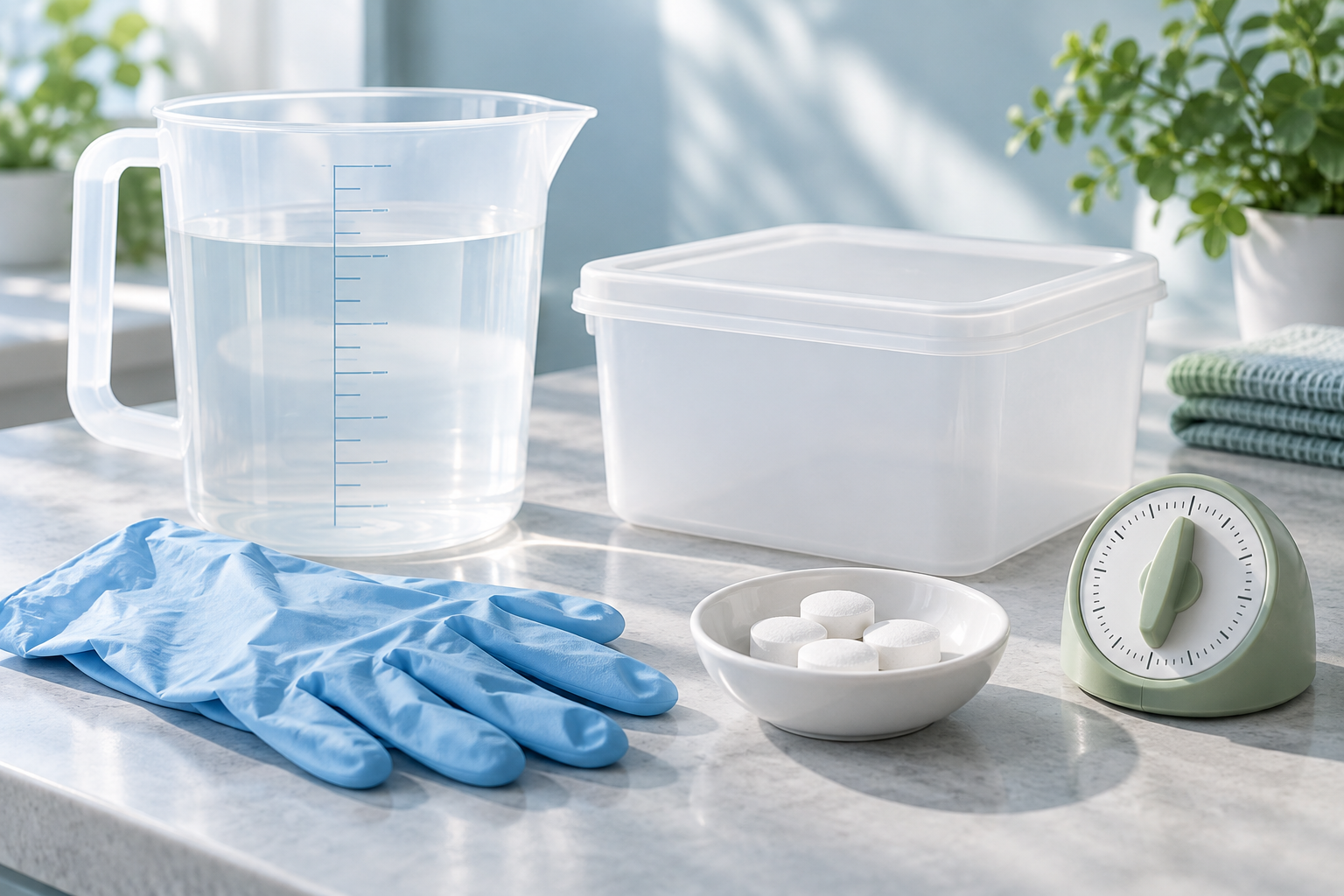
Disinfectant preparation and protective equipment Conceptual scene
Observe the limits of use. Do not spray environmental disinfectant onto people, chemically disinfect indoor air while people are present, or mix it casually with other cleaning or disinfecting products. Consider corrosion and colour-fading risks for metals and fabrics. Store the product sealed as instructed and out of children's reach.[3]
For managers, useful preparedness means defining cleaning areas, disinfection targets, operating procedures and reporting arrangements for unusual findings. Within the uses permitted by its instructions, Xiuba chlorine dioxide disinfectant tablets can serve as one tool in environmental hygiene management alongside proper cleaning, rodent and flea control, and health management. Performing each step correctly is more useful than increasing disinfection in response to a single report.
1 WHO Plague
https://www.who.int/news-room/fact-sheets/detail/plague
2 NHC Guidance on proportionate disinfection
https://www.nhc.gov.cn/jkj/c100063/202205/b2e8e816acdc484aae8f114ea43499d5.shtml
3 NHC Disinfectant use guidelines
https://www.nhc.gov.cn/xcs/zhengcwj/202002/5ea4a3616c224df7b3c2460bfc278577.shtml
4 Xiuba chlorine dioxide tablet catalogue
https://www.sdclo2.com/clo2xiaodupian.xiuba
The pestis pestis leakage incident in the Russian laboratory reminded the public that pestis can be spread by fleas, infected animals, and droplets. The prevention and control should focus on the environment and rat flea management, instead of blind disinfection and sterilization. Xiuba chlorine dioxide disinfection tablet can only be used for preventive disinfection of object surface according to instructions. It has no special killing effect of pestis bacilli, and cannot be used as special epidemic prevention materials for pestis. It needs to be operated in a standardized way. Do not over disinfect due to network rumors.
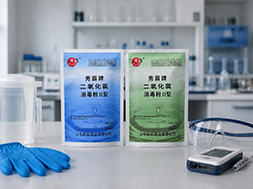
In 2026, Xiuba proposed that it is not enough to simply meet product qualification requirements; it is necessary to promote "green" practices in product selection, operation, safety, and record-keeping, rely on actual measurement data to verify effectiveness, strictly adhere to safety boundaries, and promote high-quality development of the industry.

Traditional chlorine preparations are prone to producing harmful chlorination by-products and will eventually be phased out; Chlorine dioxide relies on a unique electron transfer oxidation mechanism, producing almost no organic chlorides, with high sterilization efficiency and lower risk of by-products. Xiuba relies on years of large-scale production and university research cooperation, with complete product qualifications, strict control of disinfection residues, and a balance between effective disinfection and ecological green, in line with the industry's green and low-carbon development trend.
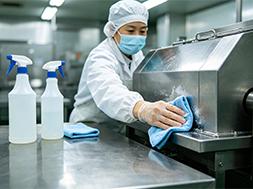
Focusing on three core selection dimensions—cost, safety, and broad-spectrum disinfection—this article compares chlorine dioxide with disinfectants such as ozone and peracetic acid, highlighting its significant advantages in terms of sterilization mechanism, usage safety, and long-term cost. The product is suitable for various scenarios including water supply, food processing, and wastewater treatment. Addressing market issues of misleading labeling, the article provides purchasing advice and recommends Xiuba Chlorine Dioxide, a brand with deep industry experience and complete certifications.
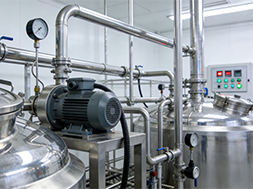
This article points out that during CIP cleaning, adding chlorine dioxide before alkaline washing and during acid-alkali rinsing has poor effects; the optimal point is after acid washing, when the acidic clean environment is suitable for the agent, and it is also necessary to drain residual acid, control the temperature, and circulate for 15-20 minutes to improve the disinfection effect.
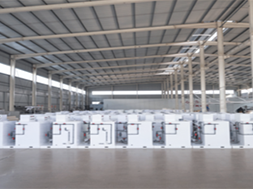
This article compares the applicable scenarios of chemical and electrolytic chlorine dioxide generators, explaining the manufacturer selection criteria from five dimensions: qualifications, accessories, case studies, after-sales service, and process compatibility. It also introduces five major development trends, including intelligent and modular equipment. Xiuba XB series equipment complies with GB 28931-2024 standards, has complete qualifications, and offers 24/7 full-process service. It is suitable for multiple industries and can reduce maintenance costs and operational risks.
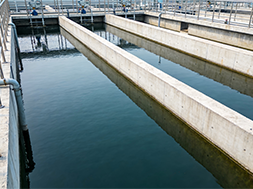
Chlorine dioxide is safe, efficient, and suitable for multiple industries, with the market continuously expanding and benefiting from ongoing policy support.Shandong Huashi Pharmaceutical's Xiuba division has been deeply involved in the industry for many years and can provide a full range of chlorine dioxide disinfection products and related technical services.
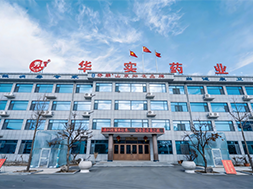
Xiuba has been deeply involved in chlorine dioxide disinfection for nearly 30 years, possessing mature technology and a rich product line. The brand has completed a strategic transformation, shifting from simply selling products to providing customized disinfection services throughout the entire process, integrating industry resources, and specifically addressing various disinfection pain points for companies in the drinking water, food, and medical fields.
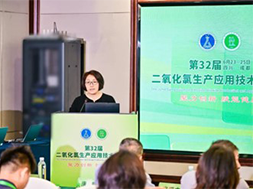
Shandong Huashi Pharmaceutical took part in the 32nd National Chlorine Dioxide Technology Symposium held in Chengdu this June. Our technical team shared professional research on chlorine dioxide disinfection for medical and public health scenarios and exchanged industry technologies with over 70 experts and manufacturers. This participation fully proves our solid R&D strength and professional standing in the chlorine dioxide disinfection field.
The rainstorm in many places in Shandong has caused the sediment, bacteria and organic matter in the water source to exceed the standard seriously. The traditional chlorine disinfection is prone to carcinogens and unstable sterilization, which makes it difficult to deal with sudden water pollution. High purity Xiuba chlorine dioxide has high sterilization efficiency and no harmful by-products. Combined with the three-level treatment process of the water plant, it can comprehensively ensure the safety of the water plant, secondary water supply, and household water use.
Northeast of Huangshan Road and Chuangye Intersection, Small and Medium sized Enterprise Entrepreneurship Industrial Park, Shanwang Town, Linqu County, Weifang City, Shandong Province
Copyright © 2025 by Shandong Huashi Pharmaceutical Co., Ltd All Rights Reserved


 Language
 中文
中文 Русский
 Chlorine Dioxide Disinfectant Manufacturer


