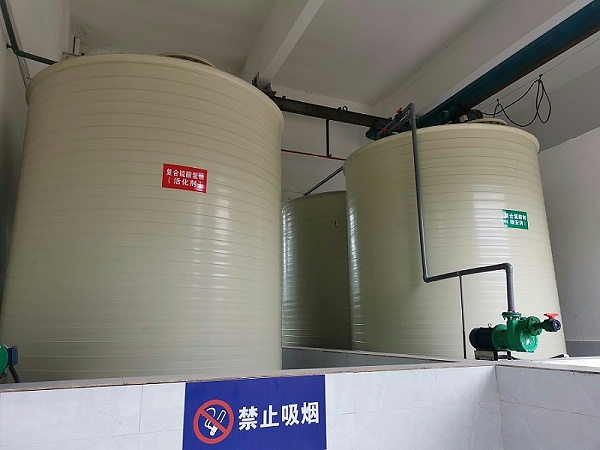
Welcome to Our Factory for a Visit! Free customized disinfection solutions

Chlorine dioxide has been used in drinking-water treatment, wastewater disinfection, food processing, and environmental hygiene for many years. It is a strong oxidizing and disinfecting agent, and its reaction characteristics differ from those of free chlorine, giving it particular advantages in some applications.
However, chlorine dioxide should not be described as a “universal disinfectant,” and no single concentration can be applied safely to every industry and every product.
Different applications may require different product approvals, working concentrations, contact times, residual controls, material-compatibility checks, and safety measures.
A scientifically sound approach begins by identifying the treatment target and then determining the operating parameters according to the specific product instructions, applicable requirements, and validated process conditions.
The following eight scenarios illustrate where chlorine dioxide may play a useful role.
Water treatment is one of the more established applications of chlorine dioxide.
Under appropriate concentration, contact time, temperature, and water-quality conditions, chlorine dioxide can control various microorganisms and can also oxidize certain forms of iron, manganese, sulfides, and selected taste- and odor-causing compounds.
For emergency drinking-water treatment or certain approved purification products, chlorine dioxide may be used as one disinfection option. However, it is not technically appropriate to claim that adding 1–2 mg/L and waiting 15–30 minutes will always make water safe for direct consumption.
Water safety also depends on turbidity, chemical contamination, metals, pesticides, and other parameters.
Chlorine dioxide mainly provides oxidation and microbial control. It does not replace filtration, metal removal, or other required treatment processes.
Compared with free chlorine, chlorine dioxide can reduce the formation of some typical halogenated organic by-products, but it should not be described as producing no harmful by-products. Chlorite and chlorate may still need to be controlled.
Household products should therefore be used strictly according to their own labels and instructions rather than a universal concentration found online.
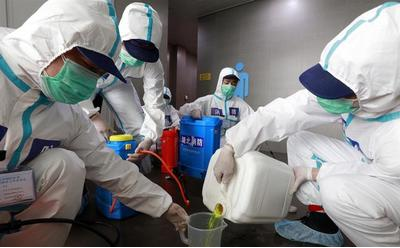
Medical wastewater can contain significant microbial loads, and chlorine dioxide may be used as one disinfection technology.
However, a single recommendation such as 20–40 mg/L for 30–60 minutes should not be presented as universally applicable.
The actual dosage should be determined according to wastewater quality, treatment capacity, target microorganisms, contact-system design, and validated disinfection requirements.
Compliance should ultimately be confirmed using the applicable discharge standard, local requirements, permit conditions, and microbiological and pollutant indicators rather than dosage alone.
Chlorine dioxide also should not be described as completely removing antibiotic residues. The oxidation of pharmaceutical contaminants depends on molecular structure, dosage, and reaction conditions and may require additional advanced treatment.
Swimming pools are continuously occupied water environments, so disinfectant use must take into account residual levels, microbiological safety, pH, circulation, filtration, swimmer exposure, and applicable health requirements.
A single chlorine dioxide concentration such as 0.5–1 mg/L should not be treated as a universal pool-control value.
Chlorine dioxide may be effective against some microorganisms, but resistant pathogens such as Cryptosporidium require consideration of validated CT conditions rather than a general statement that a low concentration will eliminate them.
Pool odor and irritation are also influenced by many factors and should not be attributed simply to urea or sweat.
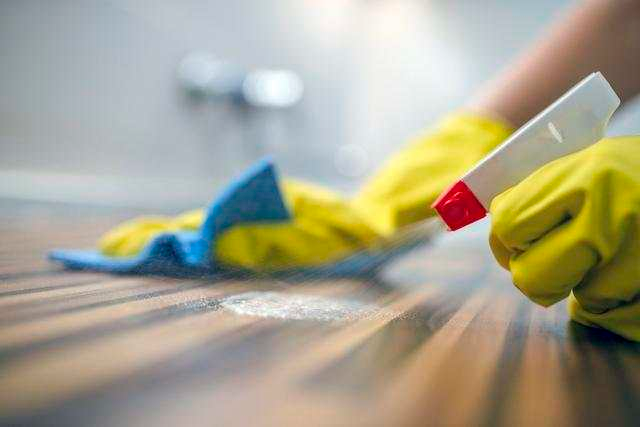
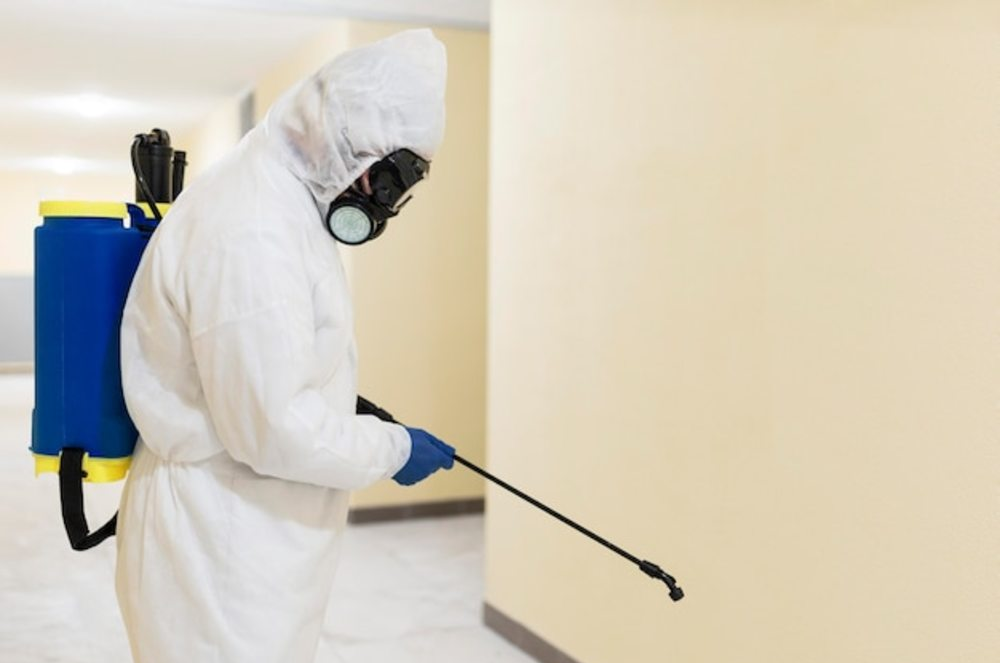 Surface disinfection is an important potential application, but disinfection cannot replace cleaning.
Organic soils such as grease, proteins, and food residues can reduce disinfectant effectiveness. The correct sequence is cleaning first, followed by disinfection and any required rinsing or post-treatment.
Frequently touched surfaces such as door handles, tables, and bathroom fixtures may be cleaned and disinfected when appropriate.
However, a fixed recipe such as 50–100 mg/L for 10 minutes should not be presented as valid for every chlorine dioxide product.
ATP fluorescence testing indicates the presence of ATP and organic contamination and is useful for hygiene trending, but it is not a direct bacterial count. A change from a “red” to a “green” ATP reading does not itself prove a 99.9% bacterial kill.
Chlorine dioxide gas or solution can be used in certain validated medical-device or environmental decontamination systems.
However, it is not appropriate to state that every precision medical device can simply be placed in a chlorine dioxide chamber for three hours and become sterile with no residue and no corrosion.
Material compatibility, device geometry, loading pattern, microbial challenge, and validation all matter.
In addition, disinfection and sterilization are different technical concepts and should not be used interchangeably.
Chlorine dioxide can be used in selected food-processing water, equipment, piping, and hygiene-management applications.
Actual use should follow the specific product instructions, approved scope, applicable food-safety requirements, and the facility’s validated sanitation program.
Claims such as a 1,000-fold microbial reduction or a 30% increase in equipment life should not be generalized without documented test conditions.
Whether food-contact surfaces require rinsing also depends on the product instructions and validated process.
Air disinfection is one of the areas where chlorine dioxide is most frequently overpromoted.
Chlorine dioxide gas is a strong oxidant and can irritate the respiratory tract. A continuous level such as 0.3 ppm should therefore not be presented as a general “human-compatible” operating condition.
Chemical space treatment should follow the specific product authorization, validated equipment procedure, and safety requirements.
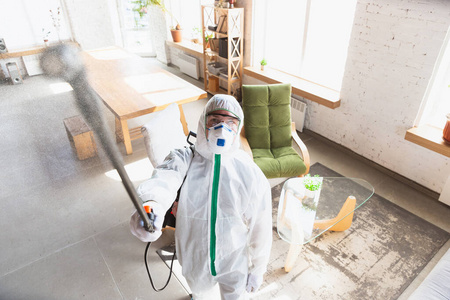
Higher-intensity chemical decontamination is generally conducted in unoccupied spaces, followed by ventilation and safety confirmation before re-entry.
Schools, offices, and hospitals should not assume that continuous chlorine dioxide release is safe simply because the concentration is described as low.
Ventilation, filtration, cleaning, and infection-control practices remain fundamental.
Chlorine dioxide may help reduce surface microbial loads on certain fruits, vegetables, food-processing environments, and packaging systems.
However, shelf life depends on variety, maturity, temperature, humidity, packaging, and cold-chain conditions.
Appropriate chlorine dioxide treatment may help reduce microbial spoilage risks on certain produce.
However, a statement such as “10–20 mg/L for three minutes extends shelf life by five days” should not be treated as universal.
Different produce varieties have different tolerance to oxidants and different regulatory requirements.
Chlorine dioxide can react with ethylene, but the entire preservation effect should not be attributed simply to suppression of ethylene production.
Cold-chain food safety depends primarily on raw-material control, temperature management, hygienic production, packaging, and logistics.
Chlorine dioxide may be useful for certain environmental and equipment disinfection applications.
However, claims that misted chlorine dioxide reduces a particular virus by 99.99% on all food surfaces and penetrates packaging gaps require specific evidence for the product, virus, dose, and experimental system involved.
Laboratory findings should not automatically become a universal operational recommendation.
Schools, nursing facilities, and other densely occupied settings require a combination of ventilation, hygiene management, hand hygiene, environmental cleaning, and appropriate disinfection.
Continuous release of low-level chlorine dioxide gas should not be presented as a general solution for reducing influenza incidence.
Claims such as an 82% reduction in airborne bacteria or a 45% reduction in influenza should be removed unless they are supported by reliable project data and appropriate controls.
Long-term exposure in occupied spaces also requires careful health-risk evaluation.
Chlorine dioxide has been used in some terminal environmental decontamination applications.
However, statements such as “high-concentration mist plus fumigation inactivates 99.99% of SARS-CoV-2 in one hour” or claims about specific hospitals should not be presented as established facts without authoritative documentation.
Terminal chemical decontamination normally involves treatment after personnel leave the space, followed by appropriate ventilation and safety verification.
It should not be confused with continuous use in occupied environments.
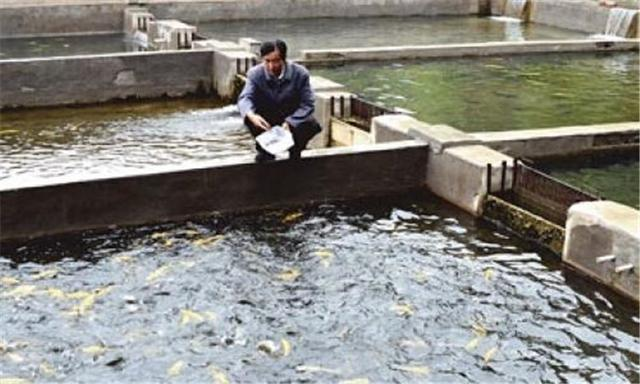
Chlorine dioxide may be used in selected aquaculture applications for microbial and water-quality control.
Its effect depends on the species, temperature, organic load, salinity, dosing method, and target microorganism.
Claims such as increasing shrimp survival from 50% to 85% or reducing drug cost by 60% should not be generalized without documented field evidence.
Chlorine dioxide can oxidize certain sulfides and nitrite-related compounds under appropriate conditions, but it does not guarantee clear water or improved survival.
Overdosing can also harm aquatic organisms.
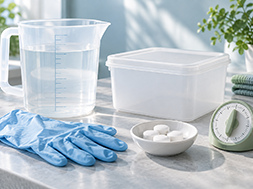
Household chlorine dioxide products should be used strictly according to their own instructions.
A consumer should not assume that one tablet can automatically be prepared into 50, 100, 200, or 500 mg/L solutions for electronics, tableware, washing machines, and bathroom pipes simply because the active ingredient is chlorine dioxide.
These applications differ in material compatibility, contact time, rinsing requirements, and exposure conditions.
Claims such as “antistatic,” “more thorough than cleaners,” or “eliminates drain flies” also require specific evidence.
“Food grade” is not a universal safety label. What matters is whether the particular product is permitted for the intended application and what concentration, contact time, rinsing, and safety measures are required.
There is also no universal 2,000 mg/L concentration ceiling applicable to every chlorine dioxide product.
High concentrations increase corrosion, gas-release, and exposure risks and must be managed according to the product instructions and SDS.
Similarly, metal surfaces do not always require rinsing after every application; this depends on material compatibility and product instructions.
Ventilation after gas treatment should not be fixed at 30 minutes for every application. It depends on treatment concentration, room volume, ventilation rate, and safety verification.
Finally, pH paper cannot measure chlorine dioxide concentration, and “pH below 6 gives the best result” is not a universal rule. Chlorine dioxide performance is relatively less dependent on pH than free chlorine, but actual effectiveness still depends on concentration, contact time, temperature, and target microorganism.
From its discovery in the nineteenth century to its role in modern water treatment and hygiene management, the value of chlorine dioxide does not come from being able to “do everything.”
Its value comes from its distinctive oxidation and disinfection characteristics and from using them in the correct application.
A reliable principle is:
Use the right product in the right application, at an appropriate concentration and contact time, according to the instructions, and verify the actual result.
Only when the approved application, operating method, safety management, and effectiveness validation are all clearly defined can chlorine dioxide function as a stable and controllable disinfection tool.
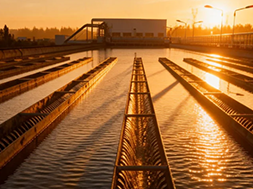
Chlorine dioxide disinfection pipelines in water plants are prone to blockage due to salt crystallization caused by disproportionation reactions. This can be prevented by optimizing the purity of the solution, designing the pipeline properly, regularly flushing and insulating, and conducting thorough inspections and chemical cleaning (hydrochloric acid should not be used). These multi-dimensional measures can help prevent crystallization and ensure the stable operation of the disinfection system.
The pestis pestis leakage incident in the Russian laboratory reminded the public that pestis can be spread by fleas, infected animals, and droplets. The prevention and control should focus on the environment and rat flea management, instead of blind disinfection and sterilization. Xiuba chlorine dioxide disinfection tablet can only be used for preventive disinfection of object surface according to instructions. It has no special killing effect of pestis bacilli, and cannot be used as special epidemic prevention materials for pestis. It needs to be operated in a standardized way. Do not over disinfect due to network rumors.
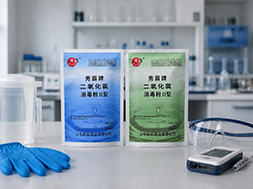
In 2026, Xiuba proposed that it is not enough to simply meet product qualification requirements; it is necessary to promote "green" practices in product selection, operation, safety, and record-keeping, rely on actual measurement data to verify effectiveness, strictly adhere to safety boundaries, and promote high-quality development of the industry.
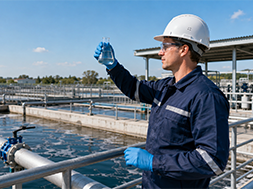
Traditional chlorine preparations are prone to producing harmful chlorination by-products and will eventually be phased out; Chlorine dioxide relies on a unique electron transfer oxidation mechanism, producing almost no organic chlorides, with high sterilization efficiency and lower risk of by-products. Xiuba relies on years of large-scale production and university research cooperation, with complete product qualifications, strict control of disinfection residues, and a balance between effective disinfection and ecological green, in line with the industry's green and low-carbon development trend.
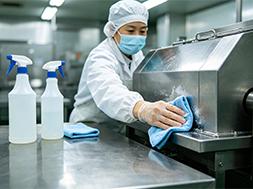
Focusing on three core selection dimensions—cost, safety, and broad-spectrum disinfection—this article compares chlorine dioxide with disinfectants such as ozone and peracetic acid, highlighting its significant advantages in terms of sterilization mechanism, usage safety, and long-term cost. The product is suitable for various scenarios including water supply, food processing, and wastewater treatment. Addressing market issues of misleading labeling, the article provides purchasing advice and recommends Xiuba Chlorine Dioxide, a brand with deep industry experience and complete certifications.
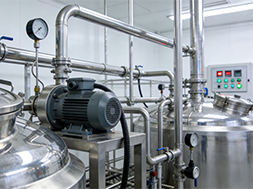
This article points out that during CIP cleaning, adding chlorine dioxide before alkaline washing and during acid-alkali rinsing has poor effects; the optimal point is after acid washing, when the acidic clean environment is suitable for the agent, and it is also necessary to drain residual acid, control the temperature, and circulate for 15-20 minutes to improve the disinfection effect.
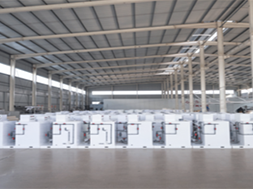
This article compares the applicable scenarios of chemical and electrolytic chlorine dioxide generators, explaining the manufacturer selection criteria from five dimensions: qualifications, accessories, case studies, after-sales service, and process compatibility. It also introduces five major development trends, including intelligent and modular equipment. Xiuba XB series equipment complies with GB 28931-2024 standards, has complete qualifications, and offers 24/7 full-process service. It is suitable for multiple industries and can reduce maintenance costs and operational risks.
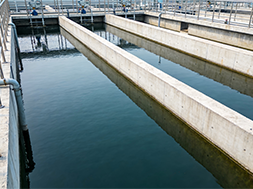
Chlorine dioxide is safe, efficient, and suitable for multiple industries, with the market continuously expanding and benefiting from ongoing policy support.Shandong Huashi Pharmaceutical's Xiuba division has been deeply involved in the industry for many years and can provide a full range of chlorine dioxide disinfection products and related technical services.
Northeast of Huangshan Road and Chuangye Intersection, Small and Medium sized Enterprise Entrepreneurship Industrial Park, Shanwang Town, Linqu County, Weifang City, Shandong Province
Copyright © 2025 by Shandong Huashi Pharmaceutical Co., Ltd All Rights Reserved


 Language
 中文
中文 Русский
 Chlorine Dioxide Disinfectant Manufacturer