Welcome to Our Factory for a Visit! Free customized disinfection solutions

CIP operation, early addition can easily cause accidental injury, and late addition can result in reduced effectiveness. It really makes it difficult for engineers to control accurately. Which node should be added appropriately? Where can chlorine dioxide be combined with alkali and work in synergy with acid washing?
The key point is to establish procedural addition criteria, so as not to confuse these issues anymore. Understanding the essence of the basic work of chlorine dioxide is more important than looking at hundreds of cases and memorizing a few application formulas. Below, we will analyze the essential differences in disinfection based on the problem of mixing chlorine dioxide during CIP alkali washing and acid washing processes, and specifically see how to correctly apply chlorine dioxide disinfectant.
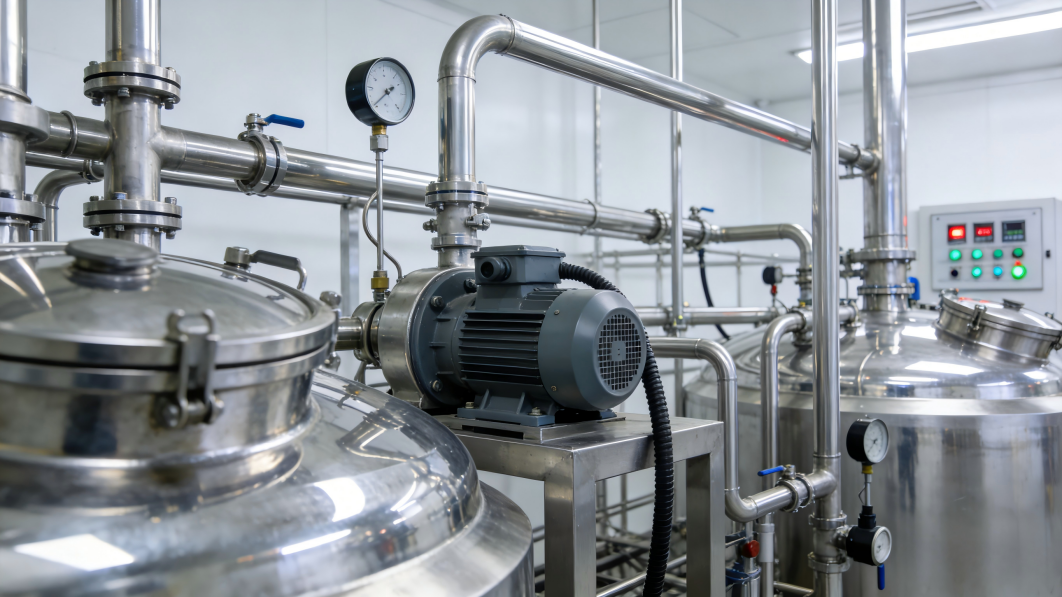
Misconception 1: Add before alkaline washing? Be careful of strong collisions
Some masters often think that early prevention is enough and simply add in advance. The alkaline washing cycle has not ended yet, and chlorine dioxide disinfectant is directly mixed in.
Little did they know that strong alkali and strong oxidant are vastly incompatible, and this is a case of stewing in a pot.
1、 Chlorine dioxide has relatively lively chemical properties. In a strong alkaline environment (pH>9), although chlorine dioxide can be active in a large pH range, the alkaline washing temperature in the CIP pipeline is usually 70-85 ℃. The conflict lies in this, which can cause the two to interfere with each other, decompose chlorite and chlorate ions, which could have passed smoothly. However, the mixing of chlorine dioxide makes the alkaline washing work complex and unstable, which directly reduces the internal disinfection of CIP.
2、 Alkali washing technology relies on chemical dissolution and physical stripping of surfactants to remove oil and protein. Chlorine dioxide has a clear function of sterilization and oxidation. During the alkaline washing process, adding other chemicals directly can easily lead to the consumption of a large amount of organic matter. This is actually counterproductive and causes some waste of disinfectants and other materials.
Misconception 2: Adding intermediate rinsing? The embarrassment of rushing back and forth
Imposing chlorine dioxide disinfectant during the alkaline washing process is obviously not feasible. Now let's talk about the intermediate flushing process of adding chlorine dioxide after alkali washing and before acid washing?
Firstly, it effectively avoids the problem of conflicting strong alkalis. But intermediate rinsing is not only to remove residual alkali solution, but also to prepare for acid washing. This part of the water has a fast flow rate, short residence time, and does not recycle repeatedly.
Adding chlorine dioxide at this stage will encounter two challenges:
Firstly, there is insufficient contact time.
Secondly, the temperature variability cannot stabilize the slow-release disinfectant.
In this environment, it is neither possible to directly attack the biofilm for inactivation, nor can the temperature affect the dissolution of chlorine dioxide from high to low. These operations are indirectly suppressing the disinfection ability of chlorine dioxide.
So, the investment in this stage is still not ideal and does not have any investment significance.
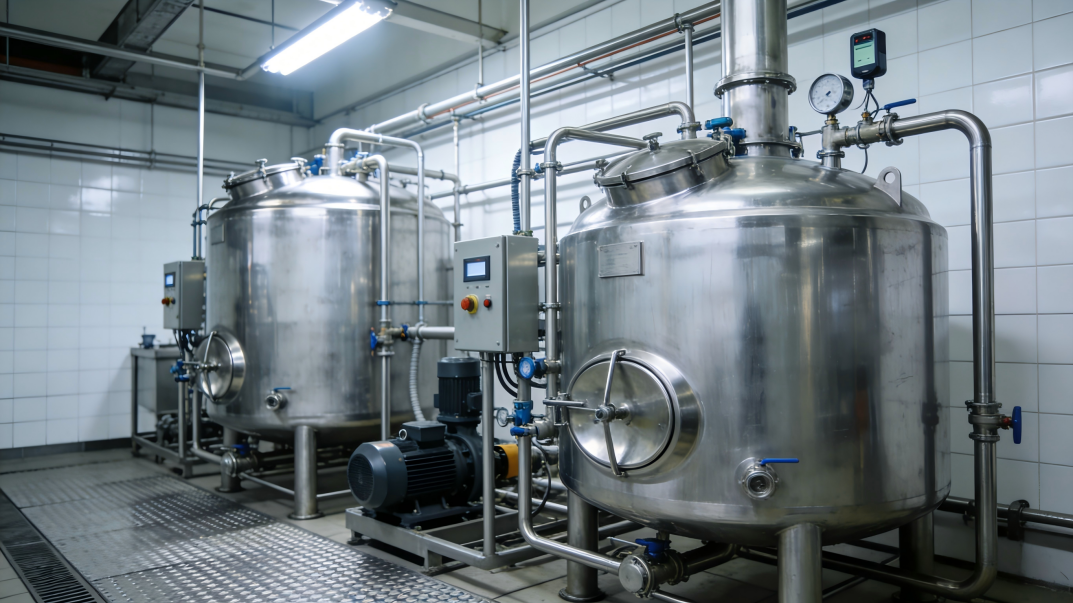
Correct solution moment: After acid washing, it is the true golden window
Next, the pickling process is left. I'm sure you naturally come to a unanimous answer: after acid washing, it is indeed suitable and even necessary to add chlorine dioxide disinfectant.
This is also a disinfection technique that has been widely studied and applied internationally in recent years. To demonstrate the advantages of this approach from three points:
1. Suitable disinfection environment
In the early stage of acid washing, it is common to remove oil, protein, scale, and minerals to keep the pipeline in a clean state during acid washing. Chlorine dioxide works at this time, without the need for excessive labor to kill numerous cell membrane populations, without trivial interference, and can fully focus on the cleaning of trace microbial residues.
2. Good disinfection status
After acid washing is completed, chlorine dioxide can only exert its effective strength when the pipeline water temperature reaches room temperature or even low temperature. Although chlorine dioxide has a higher solubility in low-temperature environments, it can also slow down its sterilization rate. This slow disinfection state will not result in any omissions. Chlorine dioxide will have a more complete antibacterial and bactericidal disinfection time inside the pipe wall, and can present an excellent disinfection result.
3. No disinfection burden or interference
Friendly reminder, chlorine dioxide disinfectant is closer to acidic environments. This perfectly fits the preference for chlorine dioxide, preventing it from being rejected, fully mobilizing its autonomy, stabilizing its performance, and improving work efficiency.
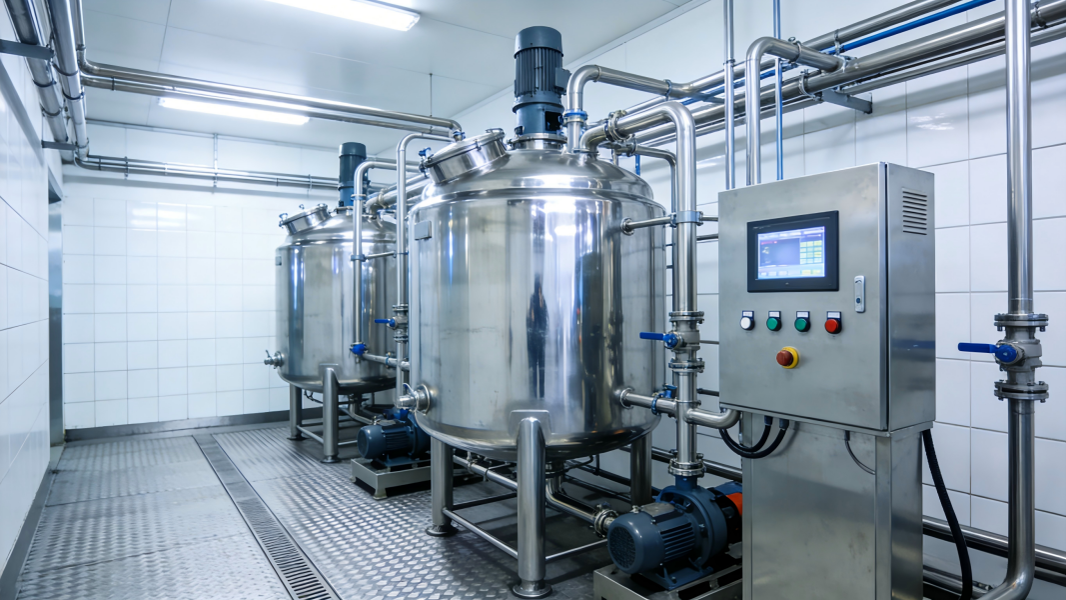
Practical tips: three key points to seize the opportunity
After determining the general direction of pickling, there are three details worth paying attention to in order to maximize the effect:
Be sure to remove any residual acid: Although it is soluble in acidic solutions, it is important to thoroughly rinse it to allow chlorine dioxide to effectively transition to the standard concentration ratio in clean water.
Pay attention to avoiding light and water temperature: store in a dark place to prevent component evaporation. It is recommended to control the temperature below 25 ℃, which is relatively suitable.
Concentration is proportional to time: When finally entering the clean water rinse, extend the circulation time by at least 15-20 minutes to fully cover the entire pipeline system with the medication.
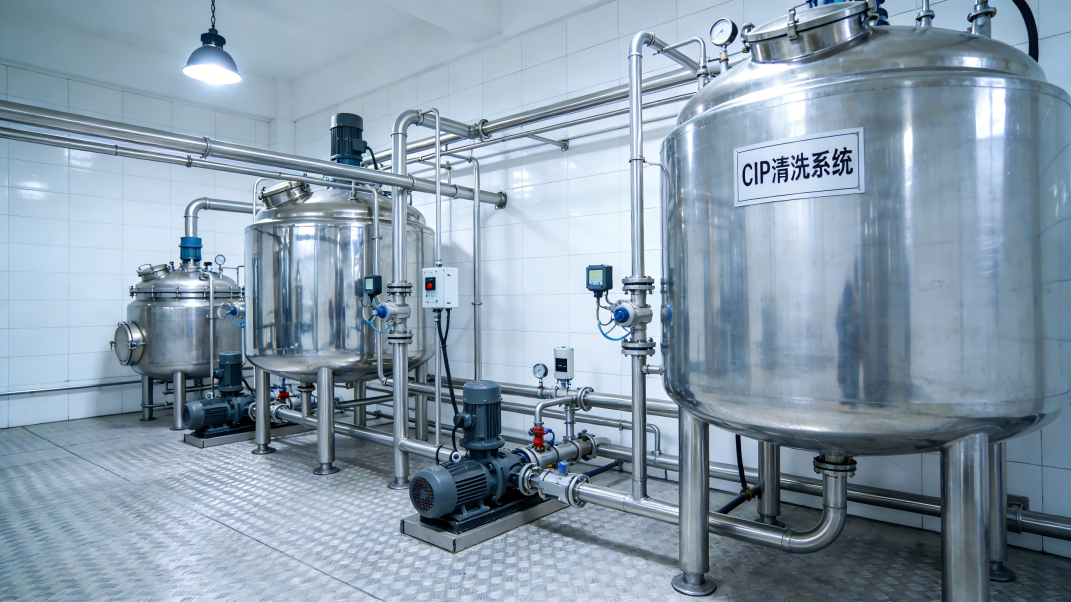
The application of chlorine dioxide in high-temperature CIP is better to place it in a clean and gentle environment after acid washing, rather than letting it break down by hard contact with high-temperature alkaline solution or rushing back and forth during intermediate flushing, to quietly protect the pipeline.
So, next time you adjust the CIP program, you may want to pay attention to this detail. Perhaps it's just a slight adjustment in timing, but it brings about a significant improvement in hygiene quality.
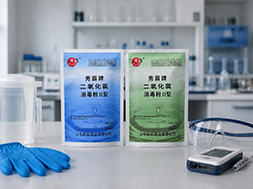
In 2026, Xiuba proposed that it is not enough to simply meet product qualification requirements; it is necessary to promote "green" practices in product selection, operation, safety, and record-keeping, rely on actual measurement data to verify effectiveness, strictly adhere to safety boundaries, and promote high-quality development of the industry.
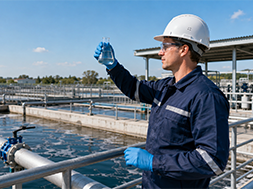
Traditional chlorine preparations are prone to producing harmful chlorination by-products and will eventually be phased out; Chlorine dioxide relies on a unique electron transfer oxidation mechanism, producing almost no organic chlorides, with high sterilization efficiency and lower risk of by-products. Xiuba relies on years of large-scale production and university research cooperation, with complete product qualifications, strict control of disinfection residues, and a balance between effective disinfection and ecological green, in line with the industry's green and low-carbon development trend.
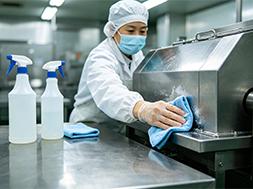
Focusing on three core selection dimensions—cost, safety, and broad-spectrum disinfection—this article compares chlorine dioxide with disinfectants such as ozone and peracetic acid, highlighting its significant advantages in terms of sterilization mechanism, usage safety, and long-term cost. The product is suitable for various scenarios including water supply, food processing, and wastewater treatment. Addressing market issues of misleading labeling, the article provides purchasing advice and recommends Xiuba Chlorine Dioxide, a brand with deep industry experience and complete certifications.
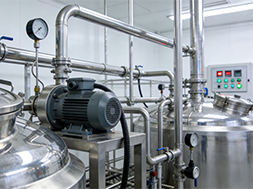
This article points out that during CIP cleaning, adding chlorine dioxide before alkaline washing and during acid-alkali rinsing has poor effects; the optimal point is after acid washing, when the acidic clean environment is suitable for the agent, and it is also necessary to drain residual acid, control the temperature, and circulate for 15-20 minutes to improve the disinfection effect.
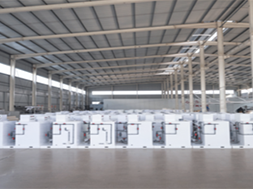
This article compares the applicable scenarios of chemical and electrolytic chlorine dioxide generators, explaining the manufacturer selection criteria from five dimensions: qualifications, accessories, case studies, after-sales service, and process compatibility. It also introduces five major development trends, including intelligent and modular equipment. Xiuba XB series equipment complies with GB 28931-2024 standards, has complete qualifications, and offers 24/7 full-process service. It is suitable for multiple industries and can reduce maintenance costs and operational risks.
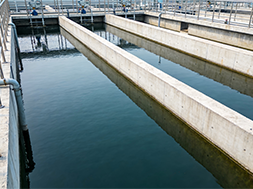
Chlorine dioxide is safe, efficient, and suitable for multiple industries, with the market continuously expanding and benefiting from ongoing policy support.Shandong Huashi Pharmaceutical's Xiuba division has been deeply involved in the industry for many years and can provide a full range of chlorine dioxide disinfection products and related technical services.
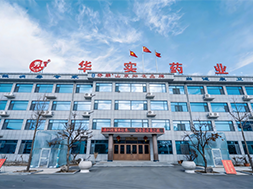
Xiuba has been deeply involved in chlorine dioxide disinfection for nearly 30 years, possessing mature technology and a rich product line. The brand has completed a strategic transformation, shifting from simply selling products to providing customized disinfection services throughout the entire process, integrating industry resources, and specifically addressing various disinfection pain points for companies in the drinking water, food, and medical fields.
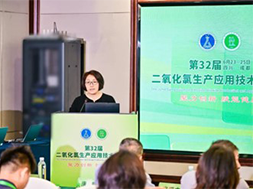
Shandong Huashi Pharmaceutical took part in the 32nd National Chlorine Dioxide Technology Symposium held in Chengdu this June. Our technical team shared professional research on chlorine dioxide disinfection for medical and public health scenarios and exchanged industry technologies with over 70 experts and manufacturers. This participation fully proves our solid R&D strength and professional standing in the chlorine dioxide disinfection field.
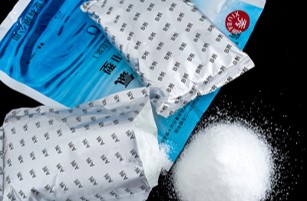
The rainstorm in many places in Shandong has caused the sediment, bacteria and organic matter in the water source to exceed the standard seriously. The traditional chlorine disinfection is prone to carcinogens and unstable sterilization, which makes it difficult to deal with sudden water pollution. High purity Xiuba chlorine dioxide has high sterilization efficiency and no harmful by-products. Combined with the three-level treatment process of the water plant, it can comprehensively ensure the safety of the water plant, secondary water supply, and household water use.
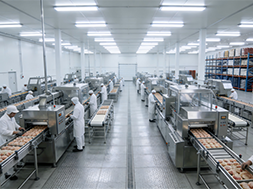
Chlorine dioxide spray disinfection in food packaging workshop is easy to cause combustion and explosion risk due to static electricity generated in dry environment. Comprehensive prevention and control can be achieved through four kinds of measures, including equipment anti-static grounding, optimization of atomization parameters, improvement of workshop humidity, static electricity monitoring and emergency plan.
Northeast of Huangshan Road and Chuangye Intersection, Small and Medium sized Enterprise Entrepreneurship Industrial Park, Shanwang Town, Linqu County, Weifang City, Shandong Province
Copyright © 2025 by Shandong Huashi Pharmaceutical Co., Ltd All Rights Reserved


 Language
 中文
中文 Русский
 Chlorine Dioxide Disinfectant Manufacturer


