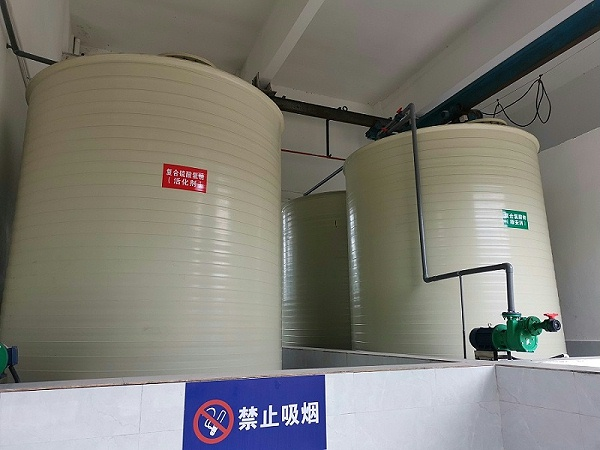
Welcome to Our Factory for a Visit! Free customized disinfection solutions

When a wastewater-treatment project reaches a technology-selection decision, choosing the right process matters more than choosing the equipment with the lowest purchase price.
A common question is: "For a new treatment line, should we use an AB chemical dosing system or a chlorine dioxide generator?" This is not a simple equipment comparison. The two options may serve very different treatment objectives, and a poor match can affect treatment performance, compliance, safety management, and total operating cost.
The comparison below therefore focuses on three issues: treatment mechanism, life-cycle cost, and application suitability. The key principle is that equipment should be selected only after the treatment objective and the chemistry of the actual chemicals have been defined.
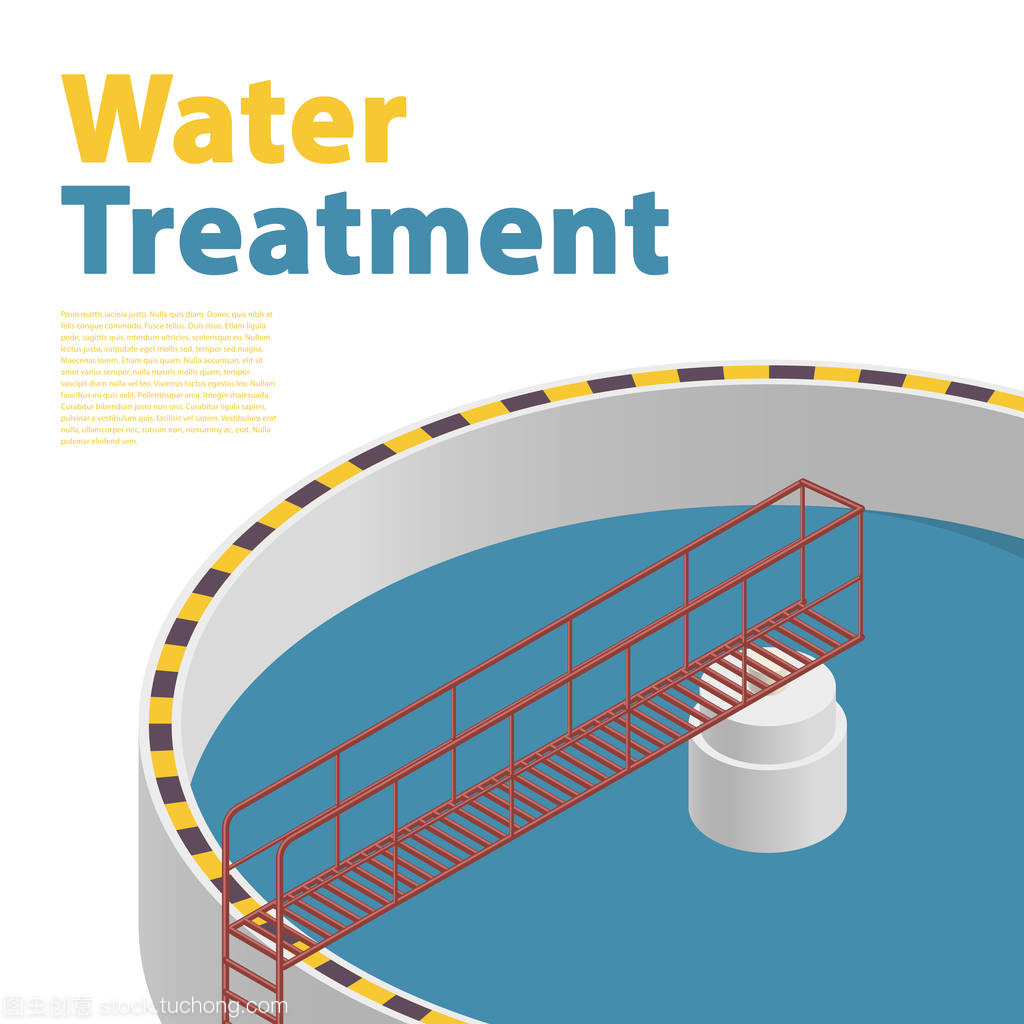
I. Core Principles: A Two-Component Dosing System vs. On-Site Chlorine Dioxide Generation
1. AB chemical dosing system: the equipment does not define the chemistry
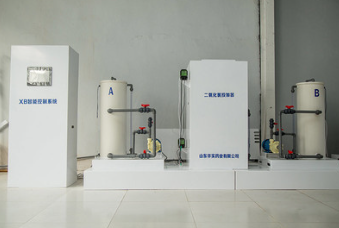
An "AB dosing system" is fundamentally a metering and mixing system for two chemical components. It is not, by itself, a specific advanced-oxidation technology. The chemical mechanism depends entirely on the actual A and B formulations. Some two-component products may be based on persulfate activation, peroxide/catalyst systems, or other oxidation chemistries; other AB products may be designed to generate chlorine dioxide. Therefore, the performance of an AB dosing system cannot be described generically as "producing sulfate and hydroxyl radicals." The equipment typically includes metering pumps, storage tanks, interlocks, and a mixing or reaction section, while dosage ratio, reaction conditions, and treatment capability must follow the specific product formulation and validated process.
For wastewater applications such as COD reduction or color removal, whether an AB chemical system is suitable should be confirmed by bench testing or pilot testing. A single project result, such as a particular COD decrease or decolorization percentage, should not be treated as a universal performance guarantee.
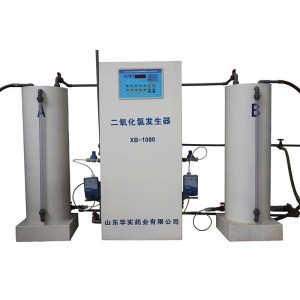
2. Chlorine dioxide generator: producing disinfectant on site
A chlorine dioxide generator produces chlorine dioxide through a controlled chemical reaction and doses the generated disinfectant into water. Different generator types use different feedstocks and reaction routes. For example, a sodium chlorate-hydrochloric acid route produces a mixed chlorine dioxide/chlorine disinfectant and is classified separately from a pure chlorine dioxide generator under GB 28931-2024.
A representative overall reaction for a sodium chlorate-hydrochloric acid mixed-disinfectant system can be written as: NaClO3 + 2HCl -> ClO2 + 1/2 Cl2 + NaCl + H2O. Actual generator chemistry, product purity, yield, and chlorine dioxide-to-chlorine ratio depend on the equipment design and operating conditions.
Chlorine dioxide acts mainly as a selective oxidant and disinfectant and can inactivate microorganisms by oxidizing multiple cellular components. Compared with free chlorine, its disinfection performance is relatively less affected by pH changes, but it is not correct to say that performance is virtually unchanged throughout pH 6-10 or that it produces no harmful by-products. Drinking-water applications must control the chlorine dioxide residual and relevant transformation products such as chlorite and, depending on the generator route, chlorate and chlorinated by-products. When chlorine dioxide is used under GB 5749-2022, the chlorine dioxide residual—not simply 'residual chlorine'—is the appropriate control term.
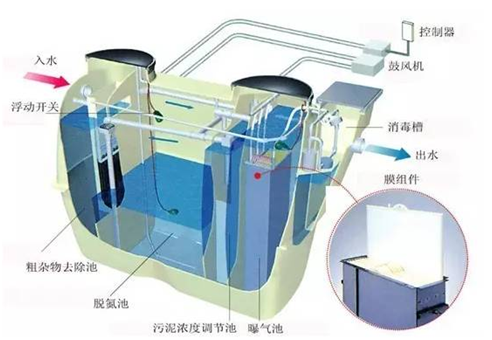
II. Advantages and Limitations: There Is No Perfect Technology, Only a Better-Matched Process
AB chemical dosing system: potential advantages when the chemistry and application are suitable
1. Relatively simple equipment configuration. A two-component dosing skid can be easier to install and operate than an on-site gas-generating system, but this does not mean that temperature, pH, chemical ratio, or reaction conditions can always be ignored. Operating requirements depend on the actual A/B chemistry, and operators still need training, chemical identification, metering checks, and safety procedures.
2. It may simplify chemical-safety management in some projects. If the selected AB chemicals are not classified or managed in the same way as hydrochloric acid and sodium chlorate, storage and compliance requirements may be different. However, 'AB chemicals' are not automatically low-risk; their SDS, oxidizing properties, corrosivity, incompatibilities, and local regulatory requirements must still be reviewed.
3. Start-up and modular deployment can be convenient. Small dosing skids may be installed or brought online relatively quickly, but fixed claims such as 'ready within 30 minutes' or 'a chlorine dioxide generator always needs more than two hours' are not universal. Commissioning time depends on equipment configuration, automation, site utilities, chemical preparation, and safety checks.
AB chemical dosing system: key limitations to evaluate
Chemical cost can be significant when treatment relies on continuous high chemical demand. However, statements such as '8 yuan per tonne for AB chemicals versus 3 yuan for chlorine dioxide' cannot be generalized without the same water quality, treatment target, chemical formulation, dose, purchase price, and sludge or downstream-treatment cost. Cost should be calculated from site-specific consumption and total operating requirements.
Control accuracy is determined mainly by the metering system, instrumentation, chemical demand, and control strategy rather than by the name 'AB dosing system.' It is also inappropriate to compare AB dosing accuracy with a drinking-water free-chlorine residual target unless the AB product itself is an approved drinking-water disinfectant for that purpose.
Chlorine dioxide generator: potential advantages for continuous disinfection duties
Raw-material cost may be favorable at sufficient and stable scale, but there is no universal rule that a chlorine dioxide generator is always cheaper. Total cost should include feed chemicals, conversion efficiency, electricity, monitoring, ventilation, safety systems, maintenance, labor, spare parts, waste handling, and compliance requirements. Feedstock market prices also change over time.
Chlorine dioxide can maintain a measurable residual under suitable water conditions and may help control microbial regrowth in distribution or recirculating systems. Its residual decay is not characterized by a universal two-hour half-life; it varies with water quality, temperature, pipe materials, residence time, organic matter, and other reducing substances.
Modern generators may use PLC-based automatic control and can be linked to flow and online monitoring signals. However, '24-hour unattended operation' should only be used where the equipment, alarms, interlocks, remote monitoring, chemical storage, and operating procedures have been specifically designed and validated for that mode.
Chlorine dioxide generator: key management and maintenance requirements
Generator operation requires correct feed ratios, interlocks, ventilation, leak detection, and trained operators. Incorrect chemical feeding or loss of control can create serious safety hazards; therefore, abnormal sounds, pressure changes, or gas release should be treated as safety events rather than described merely as routine maintenance incidents.
Sodium chlorate and acids require appropriate segregation, storage, labeling, moisture control where applicable, and compliance with the SDS and local chemical-management requirements. The specific legal classification of each feedstock depends on concentration, jurisdiction, and product form, so the safety requirement should not be reduced to a single statement about a 'hazardous-chemical warehouse.'
Maintenance frequency should follow water quality, generator design, operating hours, scaling or fouling trends, and manufacturer instructions. Fixed rules such as 'citric-acid cleaning every quarter, annual pipe replacement, and maintenance equal to 15% of equipment value' are not technically universal and should not be used as standard cost assumptions.
III. Application Matching: Select According to the Treatment Objective, Not by "Checking a Box"
When an AB dosing system may be worth evaluating
An AB dosing system can be suitable when a validated two-component chemical program is needed for a specific oxidation objective and the project favors modular installation. Examples may include certain industrial wastewater color, odor, or refractory-organic problems, but suitability depends on the actual AB formulation. It should not be recommended generically for rural drinking-water disinfection, mercury removal, or mixed medical wastewater simply because the equipment is small.
For emergency response, a portable or modular dosing system can sometimes be deployed quickly, but oxidant dosing does not automatically reduce turbidity. Sudden high-turbidity source water normally requires source control, coagulation, sedimentation, filtration, and other appropriate measures, with oxidants used only where justified by the contaminant and process design.
When a chlorine dioxide generator may be worth evaluating
1. Drinking-water disinfection. Chlorine dioxide can be considered where the plant has appropriate generation, monitoring, and by-product control capability. Under GB 5749-2022, chlorine dioxide used as a disinfectant has a contact-time requirement of at least 30 minutes, a finished-water and distribution limit of no more than 0.8 mg/L, a finished-water residual of at least 0.1 mg/L, and a distribution-end residual of at least 0.02 mg/L. Chlorite must also be monitored when chlorine dioxide is used. It is incorrect to summarize the standard as 'disinfection by-products <=0.7 mg/L' or to claim that chlorine dioxide by-products are simply one-fifth of those from chlorine.
2. Large recirculating water systems. Chlorine dioxide may be used for microbial, biofilm, odor, or algal control in some cooling-water and industrial recirculating systems, subject to material compatibility, water chemistry, discharge requirements, and validated operating conditions. A fixed 99.9% kill requirement should not be presented as universal unless it comes from a specific project specification.
3. High-hygiene applications. Chlorine dioxide may be used in certain food-processing water, piping sanitation, and wastewater disinfection applications when the product and process are permitted and validated. Statements such as 'spores must be killed within 30 minutes' or a single fecal-coliform limit for all hospital wastewater are too broad; required performance depends on the applicable standard, product instructions, target microorganism, and process validation.
IV. Five-Step Decision Method: Evaluate Water Quality, Operation, and Total Cost
1. Define the treatment objective first
If the main objective is COD reduction, decolorization, or oxidation of a refractory contaminant, first characterize the wastewater and compare appropriate oxidation options through bench or pilot testing. An AB chemical system may be one candidate, but it should not automatically be ranked first before its chemistry and consumption are verified.
If the main objective is microbial disinfection or maintaining a controlled disinfectant residual, a chlorine dioxide system may be worth evaluating. It should not be described as a universal 'sterilization' technology, and chlorine dioxide should not be selected on the basis of an unsupported claim that it reduces swimming-pool urea from one fixed value to another.
2. Characterize the water before choosing the process
|
Factor |
AB system: what to evaluate |
Chlorine dioxide: what to evaluate |
|
Primary treatment target |
Depends on the actual A/B chemistry; may suit specific oxidation or decolorization duties after testing |
Primarily microbial disinfection and oxidation where ClO2 is permitted and appropriate |
|
pH sensitivity |
Depends on the chemical formulation; it is incorrect to say that all AB reactions are unaffected by pH |
Relatively less pH-sensitive than free chlorine, but actual performance still depends on water quality and the target microorganism |
|
Metals |
Not a universal heavy-metal removal method; oxidation may change speciation for some metals but usually requires downstream separation |
Not a universal heavy-metal removal method; can oxidize certain Fe/Mn species but removal requires subsequent treatment |
3. Evaluate scale and hydraulic conditions, but do not use fixed tonnage thresholds
Small plants may prefer modular dosing equipment because of lower initial complexity, but daily flow alone does not determine the best technology. Chemical demand, required redundancy, automation, storage, safety, and treatment targets must also be considered.
At larger and more stable flow rates, an on-site chlorine dioxide generator may achieve favorable unit costs in some projects, but fixed thresholds such as 'below 500 tonnes choose AB, above 1,000 tonnes choose chlorine dioxide' or a guaranteed 40% operating-cost advantage are not universal. A life-cycle cost calculation is required.
4. Evaluate the management capability required by each option
A simpler dosing skid can reduce operating complexity, but it still requires trained personnel, chemical-management procedures, calibration of metering equipment, and emergency response arrangements. The absence of a specialist team is not, by itself, sufficient reason to select an AB system.
A chlorine dioxide generator requires personnel capable of managing chemical feedstocks, interlocks, ventilation, leak detection, online control, maintenance, and emergency response. Staffing and facility requirements should be determined from the equipment design, SDS, local regulations, and project risk assessment rather than a single personnel title.
5. Compare total cost over the same design basis
A meaningful cost comparison should use the same treatment flow, influent quality, effluent target, operating hours, chemical prices, power use, labor, maintenance, monitoring, safety facilities, depreciation, consumables, sludge or waste disposal, and compliance cost.
For an AB system, calculate equipment investment plus verified annual chemical consumption, calibration and maintenance, labor, and any downstream treatment costs.
For a chlorine dioxide system, calculate generator investment plus feed chemicals, power, monitoring instruments, ventilation and safety systems, maintenance, spare parts, labor, and by-product monitoring requirements.
Therefore, conclusions such as 'AB is always cheaper in the short term and chlorine dioxide is always cheaper after five years' should not be made without a site-specific life-cycle model. The lower-cost option can change with water quality, chemical demand, plant scale, feedstock prices, and compliance requirements.
V. Final Recommendation: Combined Processes Can Be Valuable, but Only When Each Step Has a Clear Function
In practice, the choice does not always have to be either-or. A validated oxidation process can be used upstream to reduce certain refractory organic loads, followed by chlorine dioxide or another disinfectant for microbial control. However, an 'AB pretreatment + chlorine dioxide disinfection' combination should only be recommended after confirming chemical compatibility, oxidant demand, residual effects, downstream by-products, and the specific treatment objective. Claims such as a fixed COD endpoint, coliform count, or 25% cost reduction require project-specific evidence and should not be generalized.
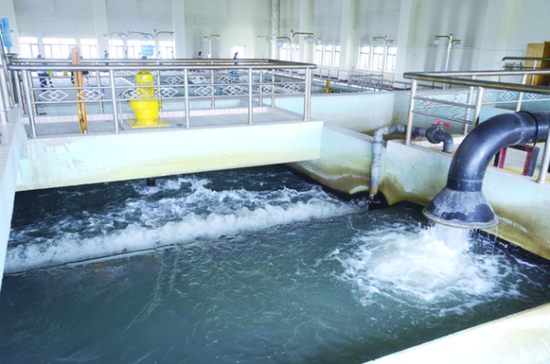
A practical three-step approach:
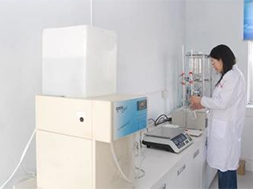
First, characterize the water. Test the parameters that actually relate to the problem, such as COD, BOD5, TOC, color, turbidity, target microorganisms, ammonia, metals, or specific pollutants. The test package and laboratory cost should be determined by the project rather than quoted as a fixed universal fee.
Second, conduct bench or pilot comparison under controlled conditions. Compare chemical demand, reaction time, residual oxidant, target-pollutant removal, by-products, sludge generation, energy use, material compatibility, and estimated operating cost. The test volume should be large enough to represent the process and need not always be fixed at 10 L.
Third, build a project-specific solution. The selected supplier should provide compatible equipment, chemicals, commissioning parameters, monitoring requirements, safety controls, maintenance responsibilities, and acceptance criteria so that performance and responsibility are clear throughout operation.
Water treatment is not a one-size-fits-all choice. An AB chemical dosing system and a chlorine dioxide generator are tools with different functions. The correct decision comes from matching the treatment mechanism to the actual contaminant, process target, operating capability, safety requirements, and life-cycle cost.
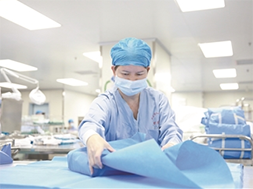
Chlorine dioxide and potassium persulfate are commonly used for disinfection of hospital wastewater. The former has a fast sterilization speed and low cost, but it has a pungent odor and requires supporting equipment, making it suitable for large hospitals. The latter has a long-lasting sterilization time, is environmentally friendly and easy to use, but is more expensive, making it suitable for small and medium-sized medical institutions. The two can also be used in combination.
AB agent dosing devices generate free radicals through agent mixing to oxidize organic matter. They are easy to operate, quick to deploy, and have low hazardous chemical risks, but the agent cost is relatively high. Chlorine dioxide generators produce chlorine dioxide on-site, providing long-lasting disinfection and are more cost-effective for large-scale use, but their hazardous chemical management and maintenance are complex. For small water volumes, emergency situations, and degradation of persistent organic matter, AB agent dosing devices are recommended. For large water volumes, those focusing on sterilization, and those requiring professional operation and maintenance, chlorine dioxide generators are preferable. A comprehensive five-step selection process is possible, or both can be used in combination. It is recommended to conduct small-scale water sample testing to determine the optimal solution.
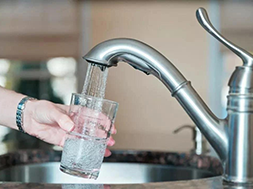
Chlorine dioxide is a broad-spectrum and highly effective disinfectant. With its strong oxidizing properties, it can kill Gram-positive and Gram-negative bacteria, drug-resistant bacteria, and bacterial spores. It can also penetrate bacterial biofilms. It can take effect quickly even at low concentrations and is often used for disinfection of drinking water, food, and medical products. However, it is necessary to control the concentration and duration of action when using it.
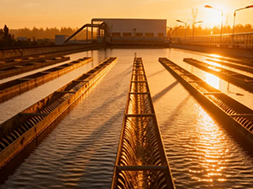
Chlorine dioxide disinfection pipelines in water plants are prone to blockage due to salt crystallization caused by disproportionation reactions. This can be prevented by optimizing the purity of the solution, designing the pipeline properly, regularly flushing and insulating, and conducting thorough inspections and chemical cleaning (hydrochloric acid should not be used). These multi-dimensional measures can help prevent crystallization and ensure the stable operation of the disinfection system.
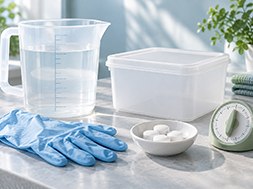
The pestis pestis leakage incident in the Russian laboratory reminded the public that pestis can be spread by fleas, infected animals, and droplets. The prevention and control should focus on the environment and rat flea management, instead of blind disinfection and sterilization. Xiuba chlorine dioxide disinfection tablet can only be used for preventive disinfection of object surface according to instructions. It has no special killing effect of pestis bacilli, and cannot be used as special epidemic prevention materials for pestis. It needs to be operated in a standardized way. Do not over disinfect due to network rumors.
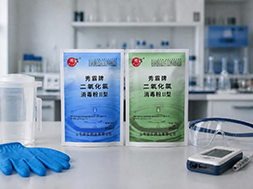
In 2026, Xiuba proposed that it is not enough to simply meet product qualification requirements; it is necessary to promote "green" practices in product selection, operation, safety, and record-keeping, rely on actual measurement data to verify effectiveness, strictly adhere to safety boundaries, and promote high-quality development of the industry.
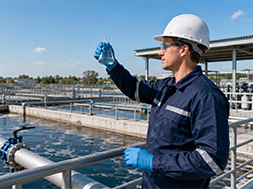
Traditional chlorine preparations are prone to producing harmful chlorination by-products and will eventually be phased out; Chlorine dioxide relies on a unique electron transfer oxidation mechanism, producing almost no organic chlorides, with high sterilization efficiency and lower risk of by-products. Xiuba relies on years of large-scale production and university research cooperation, with complete product qualifications, strict control of disinfection residues, and a balance between effective disinfection and ecological green, in line with the industry's green and low-carbon development trend.
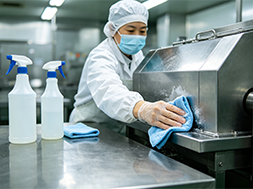
Focusing on three core selection dimensions—cost, safety, and broad-spectrum disinfection—this article compares chlorine dioxide with disinfectants such as ozone and peracetic acid, highlighting its significant advantages in terms of sterilization mechanism, usage safety, and long-term cost. The product is suitable for various scenarios including water supply, food processing, and wastewater treatment. Addressing market issues of misleading labeling, the article provides purchasing advice and recommends Xiuba Chlorine Dioxide, a brand with deep industry experience and complete certifications.
Northeast of Huangshan Road and Chuangye Intersection, Small and Medium sized Enterprise Entrepreneurship Industrial Park, Shanwang Town, Linqu County, Weifang City, Shandong Province
Copyright © 2025 by Shandong Huashi Pharmaceutical Co., Ltd All Rights Reserved


 Language
 中文
 Русский
 Chlorine Dioxide Disinfectant Manufacturer