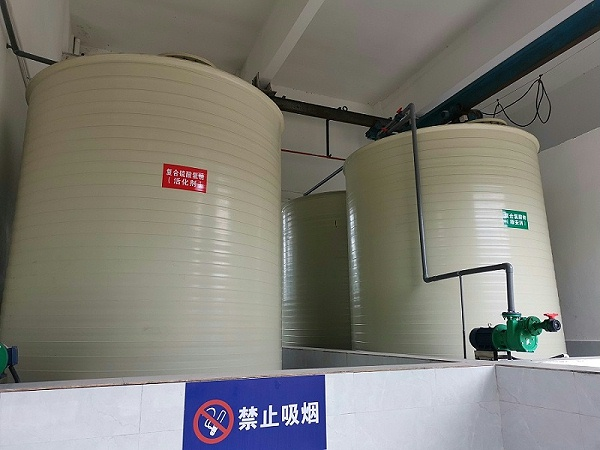
Welcome to Our Factory for a Visit! Free customized disinfection solutions

Disinfection is a critical barrier for ensuring the microbiological safety of drinking water. As source-water quality becomes more variable and treatment objectives become more demanding, a single disinfection technology may not always provide the best balance of microbial control, by-product management, and distribution-system protection. Chlorine dioxide, ultraviolet (UV) irradiation, ozone, and other technologies can therefore be combined as part of a multi-barrier treatment strategy.
A multi-barrier approach can improve overall process robustness when each technology is assigned a clear function. However, the benefits are not automatic. Poorly selected dosing points, insufficient separation between treatment stages, or an unsuitable sequence can increase oxidant demand, alter by-product formation, or reduce the performance of downstream processes. The most appropriate combination must therefore be determined from source-water characteristics, treatment objectives, hydraulic conditions, and validated operating data rather than from a fixed universal sequence.
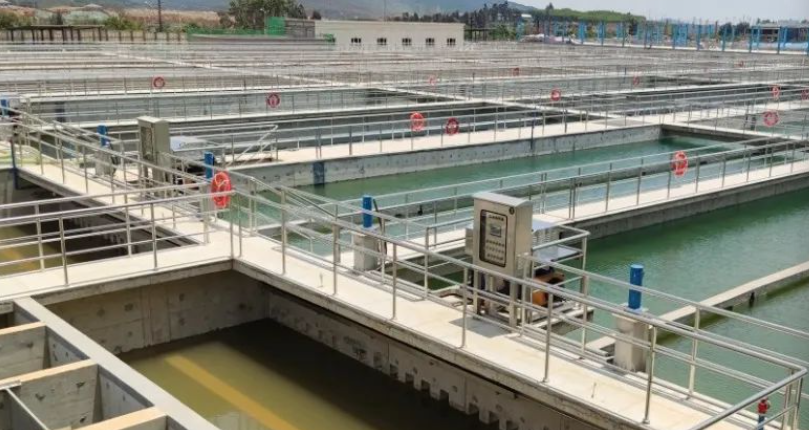
Common Chlorine Dioxide Combinations and Their Technical Roles
Chlorine dioxide is a strong oxidizing disinfectant whose disinfection performance is relatively less affected by pH than that of free chlorine. It does not form chloramines by reacting with ammonia in the same way as free chlorine, and it can oxidize certain phenolic and odor-causing compounds. Compared with free chlorine, it generally produces lower amounts of some typical halogenated organic disinfection by-products under suitable conditions, but it should not be described as producing no trihalomethanes or no organic halogenated by-products under every water-quality condition.
Chlorine dioxide also has important limitations. Its use requires control of generator performance, dose, residual concentration, and inorganic transformation products such as chlorite and, depending on the generation route and process conditions, chlorate. It is photosensitive and reacts with many reducing inorganic and organic substances, so actual chlorine dioxide demand and residual decay depend strongly on the treated water.
UV disinfection provides strong inactivation of chlorine-resistant protozoa such as Cryptosporidium and Giardia when the validated UV dose and water-transmittance conditions are achieved. UV provides no distribution-system residual. UV treatment generally avoids the continuous addition of a chemical disinfectant, but it should not be described as incapable of producing any chemical changes or photoproducts under all water-quality conditions.
Ozone is a powerful oxidant and disinfectant that can inactivate many bacteria and viruses and can help control selected taste, odor, color, and organic compounds. Its disadvantages include on-site generation, higher equipment and energy requirements in many installations, no persistent distribution residual, and the potential formation of bromate when bromide is present under favorable reaction conditions.
Combining chlorine dioxide with UV or ozone can create complementary treatment barriers, but the objective should be defined for each stage. A combined process should not be assumed to be superior simply because more disinfectants are used; the sequence must be validated against microbial targets, oxidant demand, UV transmittance, residual requirements, and by-product formation.
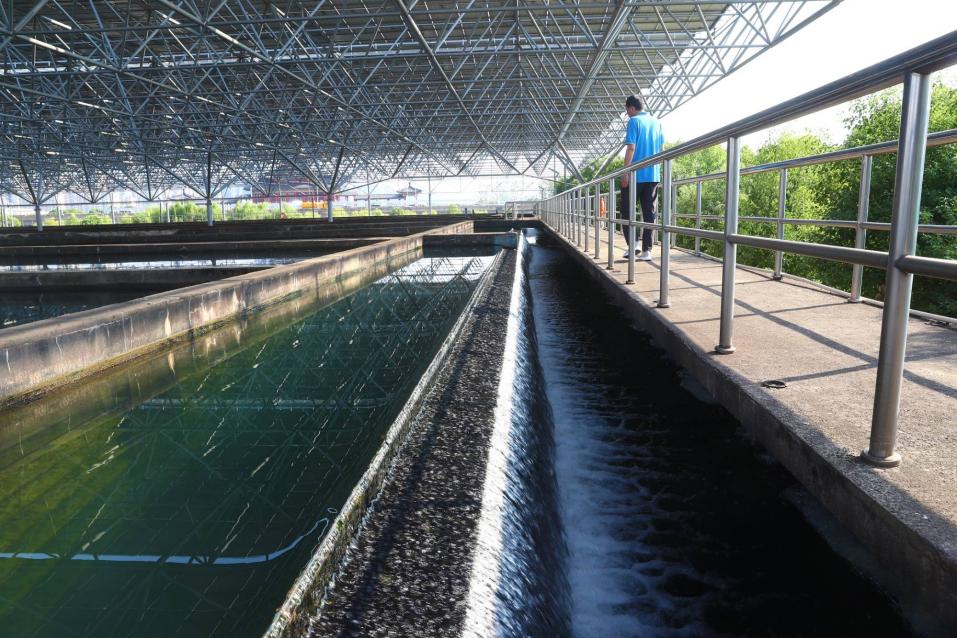
Main Forms of Interaction Between Combined Disinfection Processes
1. Chemical interaction. Oxidants used too close together can consume one another or change each other's reaction pathways. Ozone can react with chlorine dioxide and its related species, so the two processes should normally be separated by sufficient reaction time and an appropriate treatment stage rather than dosed into the same reaction zone without validation.
2. Optical and water-quality effects. UV performance is controlled primarily by UV transmittance, turbidity, particles, lamp condition, and delivered UV dose. Residual chlorine dioxide and its reaction products may absorb light to some extent, but it is too simplistic to state that any remaining chlorine dioxide will necessarily cause a significant loss of UV performance. The effect should be assessed from actual UV-transmittance measurements at the operating wavelength.
3. Sequence effects. Pre-oxidation can change particles, natural organic matter, microorganisms, and coagulability. These changes may improve a downstream process in some waters but reduce performance in others. For example, oxidation can alter particle size and aggregation behavior, so any effect on UV shielding or microbial exposure should be confirmed experimentally rather than assumed.
4. By-product pathways. Multiple oxidation and disinfection stages can create a more complex by-product profile. Ozone may create bromate in bromide-containing water, while chlorine dioxide can form chlorite and chlorate. The combined process should therefore be evaluated from the complete by-product profile rather than assuming that adding a second barrier always reduces total by-product risk.
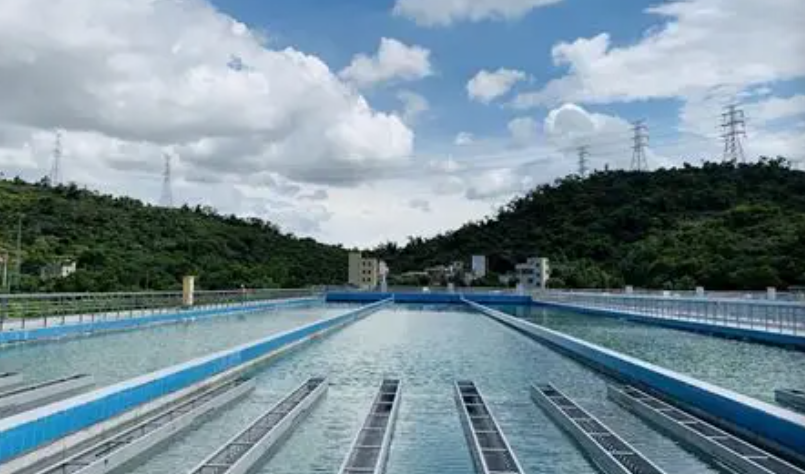
Strategies for Optimizing Sequence and Dosing Points
1. UV and chlorine dioxide
A commonly evaluated sequence is UV first, followed by chlorine dioxide when a distribution-system residual is required.
A typical arrangement places the UV reactor after filtration or another stage that provides stable, high UV transmittance, with chlorine dioxide added downstream at a point that provides adequate mixing and validated contact time before water enters storage or distribution.
The technical rationale is that UV can provide high inactivation of UV-sensitive and chlorine-resistant microorganisms without consuming a chemical residual, while chlorine dioxide can subsequently provide controlled chemical disinfection and, where appropriate, a measurable residual for downstream microbial control. The chlorine dioxide dose should still be based on actual oxidant demand and residual targets rather than being reduced automatically because UV is installed upstream.
2. Ozone and chlorine dioxide
A commonly evaluated sequence uses ozone as a pre-oxidation or intermediate oxidation step and chlorine dioxide later as the disinfectant providing the required downstream residual.
Ozone is generally placed before filtration or in an intermediate treatment stage where its oxidation products can be managed by subsequent treatment. Chlorine dioxide should be dosed sufficiently downstream to avoid unnecessary direct oxidant interaction and to provide the required contact time before storage or distribution.
Ozone can improve the treatability of selected organic compounds and odor problems, and in some waters it may improve downstream filtration or UV conditions. However, ozone does not necessarily mineralize refractory organic matter or reduce chlorine dioxide demand in every case. Pre-oxidation can also transform organics into more biodegradable compounds, so biological filtration, bromate control, and the resulting chlorine dioxide demand should all be assessed during pilot testing.
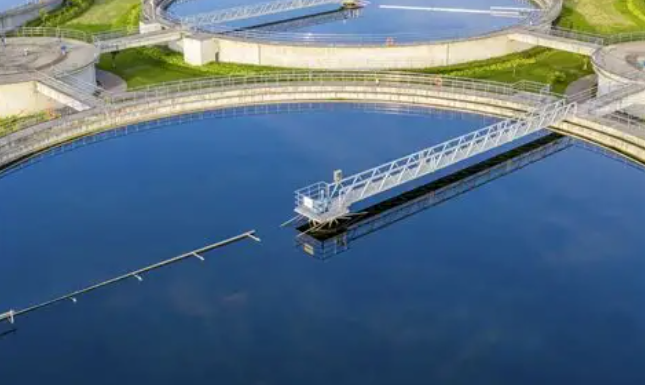
3. Ozone, UV, and chlorine dioxide as a multi-barrier system
One possible sequence is ozone followed by filtration, then UV, and finally chlorine dioxide. The exact placement should be determined from the function assigned to each barrier rather than from a fixed universal flow sheet.
In a typical design, ozone is used in a pre-oxidation or intermediate oxidation stage, filtration removes particles and manages oxidation products, UV is installed where UV transmittance is stable and sufficiently high, and chlorine dioxide is added downstream with adequate mixing and contact time before storage or distribution.
This arrangement can combine oxidation, physical removal, UV inactivation, and residual chemical disinfection. Ozone may improve certain aesthetic or organic-water-quality objectives; filtration improves particle control and can support UV performance; UV provides strong inactivation of selected resistant microorganisms; and chlorine dioxide can provide a downstream residual where required. Whether the full combination is justified should be determined from site-specific water-quality goals, by-product risks, energy demand, and life-cycle cost.
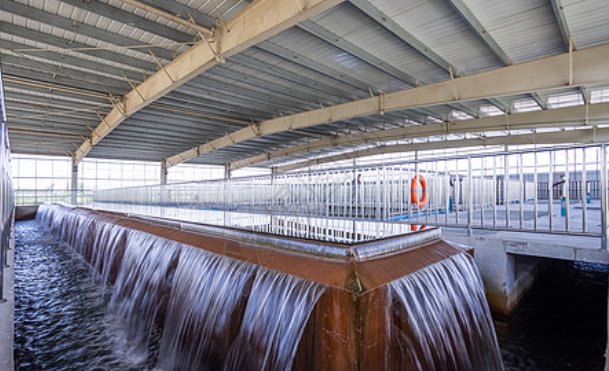
Implementation and Operational Optimization
Bench-scale and pilot testing should be used before full-scale implementation when the combined process materially changes the existing treatment train. Testing should establish the appropriate sequence, dosing points, oxidant doses, contact times, UV dose, hydraulic conditions, and by-product-control strategy under representative source-water conditions.
Monitoring should combine online operational measurements with laboratory verification. Parameters such as flow, turbidity, UV intensity or validated UV dose, chlorine dioxide residual, and ozone residual can often be monitored online where suitable instruments are installed. Chlorite, chlorate, bromate, and other regulated or process-relevant by-products generally require scheduled laboratory analysis rather than being described as universally available real-time measurements.
Automation can link disinfectant feed to flow, water-quality indicators, validated residual targets, UV reactor status, and alarm logic. The objective is stable process control, not simply maximizing disinfectant dose. Control limits, interlocks, calibration frequency, and fallback operating modes should be established during commissioning and verified during routine operation.
The plant should also maintain contingency procedures for chlorine dioxide feed interruption, ozone or UV equipment failure, analyzer malfunction, abnormal source-water conditions, and loss of power or communications. The response should define alternative treatment barriers, sampling requirements, alarm escalation, and conditions for returning to normal operation.
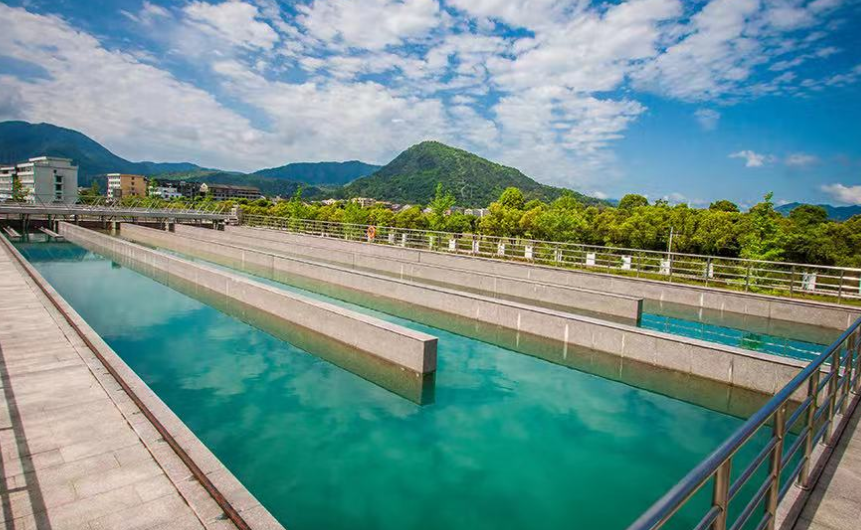
Combined disinfection is not an inevitable replacement for single-process disinfection, but it can be an effective multi-barrier strategy when each technology solves a clearly defined problem. Water treatment plants should select the combination on the basis of source-water quality, microbial targets, by-product limits, distribution-system needs, process reliability, and life-cycle cost. The optimal solution may use chlorine dioxide as one important barrier, but the final sequence and dose should be established through site-specific testing and validation.
When chlorine dioxide is used in combination with ultraviolet light and ozone for disinfection, the effects can be complementary and synergistic, and the disinfection byproducts can be reduced. It is necessary to control the order and location of addition, determine the parameters in conjunction with water quality test, and support online monitoring and intelligent addition to ensure that the wastewater disinfection meets the standards stably.

Compared to ozone and peracetic acid, chlorine dioxide has a broad-spectrum and highly effective bactericidal effect. It can remove biofilms, has high safety and low residual hazards, and requires less dosage and equipment wear, resulting in a more cost-effective overall product. It is a disinfectant with outstanding cost performance. The article concludes by introducing the five major advantages of Xiuba chlorine dioxide disinfectant and the manufacturer's information.

Chlorine dioxide and potassium persulfate are commonly used for disinfection of hospital wastewater. The former has a fast sterilization speed and low cost, but it has a pungent odor and requires supporting equipment, making it suitable for large hospitals. The latter has a long-lasting sterilization time, is environmentally friendly and easy to use, but is more expensive, making it suitable for small and medium-sized medical institutions. The two can also be used in combination.
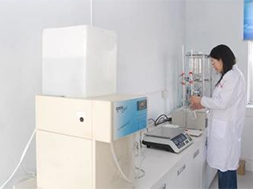
AB agent dosing devices generate free radicals through agent mixing to oxidize organic matter. They are easy to operate, quick to deploy, and have low hazardous chemical risks, but the agent cost is relatively high. Chlorine dioxide generators produce chlorine dioxide on-site, providing long-lasting disinfection and are more cost-effective for large-scale use, but their hazardous chemical management and maintenance are complex. For small water volumes, emergency situations, and degradation of persistent organic matter, AB agent dosing devices are recommended. For large water volumes, those focusing on sterilization, and those requiring professional operation and maintenance, chlorine dioxide generators are preferable. A comprehensive five-step selection process is possible, or both can be used in combination. It is recommended to conduct small-scale water sample testing to determine the optimal solution.

Chlorine dioxide is a broad-spectrum and highly effective disinfectant. With its strong oxidizing properties, it can kill Gram-positive and Gram-negative bacteria, drug-resistant bacteria, and bacterial spores. It can also penetrate bacterial biofilms. It can take effect quickly even at low concentrations and is often used for disinfection of drinking water, food, and medical products. However, it is necessary to control the concentration and duration of action when using it.
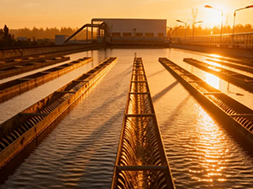
Chlorine dioxide disinfection pipelines in water plants are prone to blockage due to salt crystallization caused by disproportionation reactions. This can be prevented by optimizing the purity of the solution, designing the pipeline properly, regularly flushing and insulating, and conducting thorough inspections and chemical cleaning (hydrochloric acid should not be used). These multi-dimensional measures can help prevent crystallization and ensure the stable operation of the disinfection system.
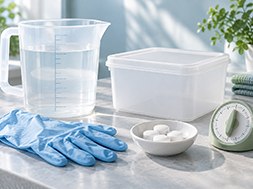
The pestis pestis leakage incident in the Russian laboratory reminded the public that pestis can be spread by fleas, infected animals, and droplets. The prevention and control should focus on the environment and rat flea management, instead of blind disinfection and sterilization. Xiuba chlorine dioxide disinfection tablet can only be used for preventive disinfection of object surface according to instructions. It has no special killing effect of pestis bacilli, and cannot be used as special epidemic prevention materials for pestis. It needs to be operated in a standardized way. Do not over disinfect due to network rumors.
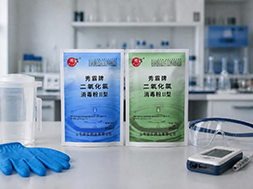
In 2026, Xiuba proposed that it is not enough to simply meet product qualification requirements; it is necessary to promote "green" practices in product selection, operation, safety, and record-keeping, rely on actual measurement data to verify effectiveness, strictly adhere to safety boundaries, and promote high-quality development of the industry.
Northeast of Huangshan Road and Chuangye Intersection, Small and Medium sized Enterprise Entrepreneurship Industrial Park, Shanwang Town, Linqu County, Weifang City, Shandong Province
Copyright © 2025 by Shandong Huashi Pharmaceutical Co., Ltd All Rights Reserved


 Language
 中文
 Русский
 Chlorine Dioxide Disinfectant Manufacturer