Welcome to Our Factory for a Visit! Free customized disinfection solutions

In the disinfectant market, ozone, peracetic acid and chlorine dioxide are all strong oxidizing technologies with broad antimicrobial activity. Each has its own advantages, limitations and suitable application range. Rather than naming a universal “winner,” a technically sound comparison should consider microbial targets, process conditions, personnel and equipment safety, by-product control, material compatibility and life-cycle cost. In many water-treatment applications, chlorine dioxide can offer a favorable balance, but its suitability still depends on the specific project.
Round One: Broad-Spectrum Disinfection — Effectiveness Depends on the Target and Process Conditions
The core purpose of a disinfectant is to achieve reliable microbial control. Ozone, peracetic acid and chlorine dioxide are all broad-spectrum oxidizing disinfectants, but their mechanisms, persistence and operating requirements differ.
Ozone is a very strong oxidant and can provide rapid microbial inactivation. Because it is unstable, it is normally generated on site and used immediately. Its short residual life can be an advantage where little residual oxidant is desired, but it also means that downstream residual protection is limited. Actual performance depends on ozone transfer efficiency, water quality, temperature, humidity in gas-phase applications and the target microorganism.
Peracetic acid has rapid antimicrobial action and can be effective against bacteria, fungi, viruses and bacterial spores under validated conditions, including some low-temperature applications. However, concentrated products require careful handling, and material compatibility must be evaluated because peracetic acid can corrode certain metals and may irritate the skin, eyes and respiratory tract.
Chlorine dioxide is a selective oxidizing disinfectant that reacts with multiple microbial targets, including proteins and sulfur-containing amino acids. It can inactivate many bacteria, viruses and other microorganisms under appropriate concentration, contact time, temperature and water-quality conditions. Its performance should not be reduced to a single “tyrosine-targeting” mechanism, and mature biofilms should not be described as being automatically penetrated and completely removed by chlorine dioxide alone.
Its broad-spectrum activity can be useful in drinking-water, wastewater, food-processing water and selected environmental hygiene applications when the product and process are permitted and validated. The required concentration and contact time must still be matched to the target organism.
Chlorine dioxide can contribute to biofilm control, but mature biofilms contain extracellular polymeric material and organic matter that consume oxidants and protect embedded microorganisms. Effective control usually requires cleaning, flushing and a validated disinfection program rather than relying on disinfectant penetration alone.
Compared with peracetic acid, chlorine dioxide may offer better material compatibility in some water-treatment systems, but corrosion performance is not universal. It depends on concentration, pH, temperature, chloride content, material grade and exposure time. A measurable residual may also help suppress microbial regrowth in some distribution or recirculating systems when appropriately controlled.
Overall, chlorine dioxide can provide a useful balance of broad antimicrobial activity and residual control in some water-treatment applications, but it is not inherently superior to ozone or peracetic acid in every microbial target or process environment.
Round Two: Safety — Compare the Whole System, Not Just the Chemical Name
The purpose of disinfection is to protect health, so chemical exposure, equipment safety, by-products and operating procedures must all be considered when selecting a technology.
Ozone is a powerful oxidizing gas. Occupational guidance commonly uses 0.1 ppm as an important exposure limit, and elevated concentrations can irritate the eyes and respiratory tract. Ozone systems therefore require appropriate containment, off-gas destruction or ventilation, monitoring and interlocks. Whether an application must be unoccupied depends on the process design and exposure assessment; a universal rule that all ozone treatment requires long post-treatment ventilation is too broad.
Peracetic acid formulations can be strongly oxidizing and irritating, and concentrated products require careful storage and handling. They may corrode copper, brass, bronze, plain steel and galvanized materials, although formulation additives and process conditions can modify compatibility. Whether rinsing is required after treatment depends on the registered product, application and validated procedure rather than a universal rule.
Chlorine dioxide is used and recognized internationally as a disinfectant in water treatment, but this does not mean it is “green,” harmless to people or free of by-products. Chlorine dioxide gas can irritate the respiratory tract, and on-site generation systems require ventilation, leak detection, interlocks and trained operators. In drinking-water applications, chlorite and chlorate are important transformation products that require control.
When used within an approved and validated process, chlorine dioxide can be managed safely; however, safety should be described in terms of controlled exposure, appropriate residual limits and operating procedures rather than “harmless to humans.”
Chlorine dioxide does not simply leave “no harmful residue.” Its by-product profile differs from free chlorine: it can reduce formation of some typical halogenated organic disinfection by-products, while chlorite and chlorate may need monitoring and control.
Material compatibility can be favorable in some systems compared with peracetic acid, but it is not universally less corrosive than chlorine or every other disinfectant. Compatibility should be confirmed for the actual material, concentration, temperature and exposure duration.
From a safety perspective, chlorine dioxide can be a well-controlled option when generation, dosing, ventilation, residual monitoring and material compatibility are properly managed, but it should not be presented as having zero residue or zero personnel risk.
Round Three: Life-Cycle Cost — The Lowest Cost Depends on the Application
Disinfectant economics should include more than chemical purchase price. Equipment, utilities, monitoring, maintenance, material replacement, labor, safety systems, downtime and compliance requirements all contribute to total life-cycle cost.
Ozone systems may require relatively high capital investment for generation, gas transfer, off-gas management and monitoring, and they consume electricity continuously during operation. In some applications these costs are significant, but ozone can still be economically attractive when strong oxidation without a persistent chemical residual is specifically required. It should therefore not be labeled universally as a “high-cost” technology without a project calculation.
Peracetic acid can be operationally simple because it can be dosed directly from a formulated product, but chemical consumption, storage, PPE, material compatibility and any required rinsing or downstream control all affect life-cycle cost. Its total cost is highly application-specific rather than automatically dominated by hidden corrosion expenses.

The economics of chlorine dioxide depend on the generation or product form, treatment scale and operating conditions rather than on a universal “storable, high-efficiency, low-loss” advantage.
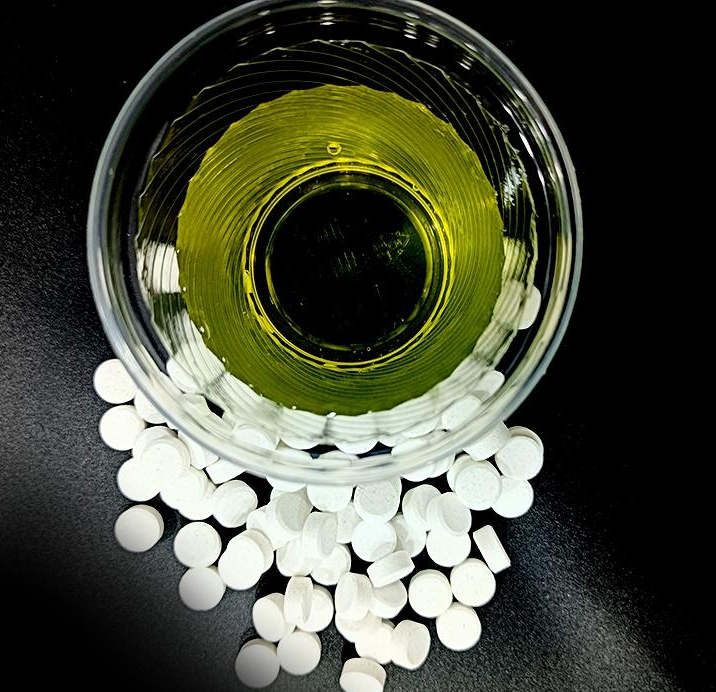
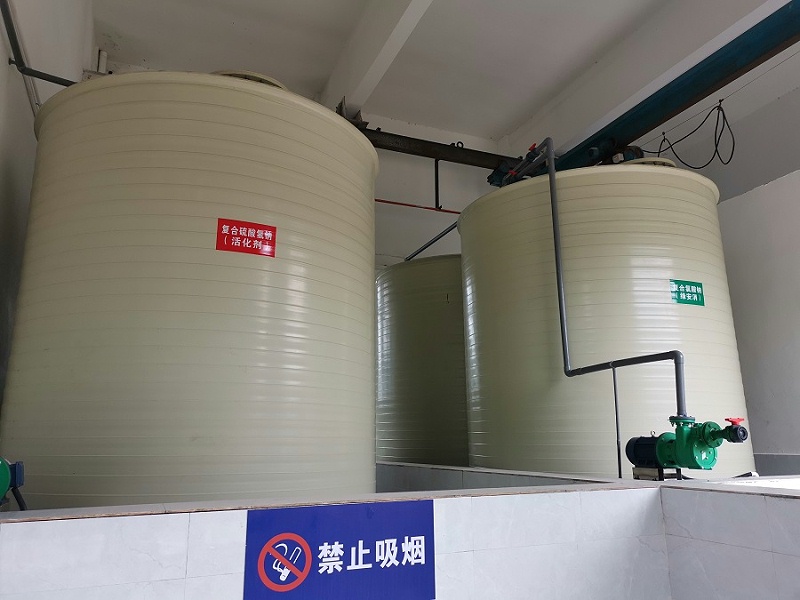
Chlorine dioxide can be generated on site from appropriate precursors or supplied through certain stabilized/activated product systems where legally permitted. On-site generation avoids storing concentrated chlorine dioxide itself, but it adds precursor storage, generation equipment, ventilation, monitoring and maintenance requirements. Initial and operating costs can therefore range from low to high depending on scale and configuration.
The required chlorine dioxide dose cannot be assumed to be lower than chlorine-based disinfectants in every application. Dose is determined by oxidant demand, target microorganism, contact time, water quality and the required residual. Cost-effectiveness must be calculated using equivalent treatment targets.
Chlorine dioxide may provide good material compatibility in some systems and may reduce certain maintenance burdens, but equipment-life benefits should not be claimed without material-specific compatibility data and site experience.
Therefore, there is no universal life-cycle cost winner among ozone, peracetic acid and chlorine dioxide. Chlorine dioxide can be highly competitive in many water-treatment projects, particularly where residual microbial control and flexible dosing are valuable, but the lowest-cost option should be determined through a site-specific life-cycle comparison.
Taken together, chlorine dioxide offers broad antimicrobial activity, a different by-product profile from free chlorine and useful residual-control characteristics in many water-treatment applications. These features can make it a strong candidate when technical conditions are suitable. However, ozone and peracetic acid retain important advantages in other applications, so the correct conclusion is not that chlorine dioxide always “wins,” but that the treatment objective, safety requirements and life-cycle economics should determine the choice.
Recommended Product
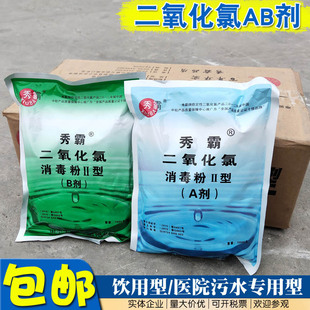
For projects in which chlorine dioxide is an appropriate technology, XIUBA chlorine dioxide disinfectant can be evaluated on the following five dimensions:
Use product-specific hygiene permits, test reports and technical documents that match the intended application. Claims such as “food-grade certification” or “full compliance with every food and drinking-water standard” should only be used where the exact certificate and permitted scope support them. For drinking-water or food-related applications, the registered/approved use and product instructions should be checked before use.
2. Microbial-control capability:
Under validated concentration and contact-time conditions, chlorine dioxide can inactivate many bacteria, viruses and other microorganisms and can contribute to biofilm control. For hospital wastewater or other high-load matrices, organic matter, suspended solids and biofilm can increase oxidant demand, so “rapid penetration and complete removal of resistant bacteria, viruses and spores” should not be guaranteed without project-specific validation.
3. Dosing and process stability:
Solid or two-component chlorine dioxide products can offer convenient transport and storage where permitted, while on-site generators provide continuous production for larger systems. Concentration control and dosing accuracy depend on product chemistry, preparation method, metering equipment, operator practice and online monitoring; no product form should be described as universally more controllable than all generator systems.
4. By-product management:
Compared with free chlorine, chlorine dioxide can reduce formation of some typical trihalomethanes and haloacetic acids under suitable conditions, but it is not a “by-product-free” disinfectant. Chlorite, chlorate and other relevant indicators should be considered according to the application and applicable requirements.
5. Technical service support:
A complete service system can include site assessment, dosing-plan development, equipment selection, commissioning, operator training and after-sales support. The final process should be based on the customer’s water quality, treatment objective, applicable requirements and validated operating data.
When chlorine dioxide is used in combination with ultraviolet light and ozone for disinfection, the effects can be complementary and synergistic, and the disinfection byproducts can be reduced. It is necessary to control the order and location of addition, determine the parameters in conjunction with water quality test, and support online monitoring and intelligent addition to ensure that the wastewater disinfection meets the standards stably.
Compared to ozone and peracetic acid, chlorine dioxide has a broad-spectrum and highly effective bactericidal effect. It can remove biofilms, has high safety and low residual hazards, and requires less dosage and equipment wear, resulting in a more cost-effective overall product. It is a disinfectant with outstanding cost performance. The article concludes by introducing the five major advantages of Xiuba chlorine dioxide disinfectant and the manufacturer's information.

Chlorine dioxide and potassium persulfate are commonly used for disinfection of hospital wastewater. The former has a fast sterilization speed and low cost, but it has a pungent odor and requires supporting equipment, making it suitable for large hospitals. The latter has a long-lasting sterilization time, is environmentally friendly and easy to use, but is more expensive, making it suitable for small and medium-sized medical institutions. The two can also be used in combination.
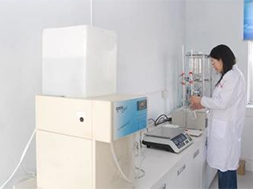
AB agent dosing devices generate free radicals through agent mixing to oxidize organic matter. They are easy to operate, quick to deploy, and have low hazardous chemical risks, but the agent cost is relatively high. Chlorine dioxide generators produce chlorine dioxide on-site, providing long-lasting disinfection and are more cost-effective for large-scale use, but their hazardous chemical management and maintenance are complex. For small water volumes, emergency situations, and degradation of persistent organic matter, AB agent dosing devices are recommended. For large water volumes, those focusing on sterilization, and those requiring professional operation and maintenance, chlorine dioxide generators are preferable. A comprehensive five-step selection process is possible, or both can be used in combination. It is recommended to conduct small-scale water sample testing to determine the optimal solution.
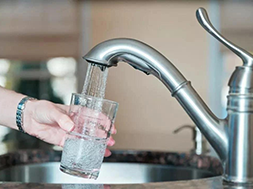
Chlorine dioxide is a broad-spectrum and highly effective disinfectant. With its strong oxidizing properties, it can kill Gram-positive and Gram-negative bacteria, drug-resistant bacteria, and bacterial spores. It can also penetrate bacterial biofilms. It can take effect quickly even at low concentrations and is often used for disinfection of drinking water, food, and medical products. However, it is necessary to control the concentration and duration of action when using it.
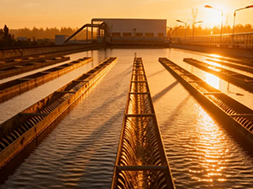
Chlorine dioxide disinfection pipelines in water plants are prone to blockage due to salt crystallization caused by disproportionation reactions. This can be prevented by optimizing the purity of the solution, designing the pipeline properly, regularly flushing and insulating, and conducting thorough inspections and chemical cleaning (hydrochloric acid should not be used). These multi-dimensional measures can help prevent crystallization and ensure the stable operation of the disinfection system.
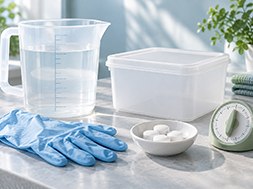
The pestis pestis leakage incident in the Russian laboratory reminded the public that pestis can be spread by fleas, infected animals, and droplets. The prevention and control should focus on the environment and rat flea management, instead of blind disinfection and sterilization. Xiuba chlorine dioxide disinfection tablet can only be used for preventive disinfection of object surface according to instructions. It has no special killing effect of pestis bacilli, and cannot be used as special epidemic prevention materials for pestis. It needs to be operated in a standardized way. Do not over disinfect due to network rumors.
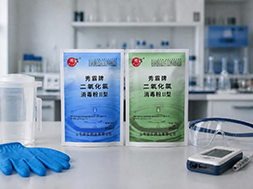
In 2026, Xiuba proposed that it is not enough to simply meet product qualification requirements; it is necessary to promote "green" practices in product selection, operation, safety, and record-keeping, rely on actual measurement data to verify effectiveness, strictly adhere to safety boundaries, and promote high-quality development of the industry.
Northeast of Huangshan Road and Chuangye Intersection, Small and Medium sized Enterprise Entrepreneurship Industrial Park, Shanwang Town, Linqu County, Weifang City, Shandong Province
Copyright © 2025 by Shandong Huashi Pharmaceutical Co., Ltd All Rights Reserved


 Language
 中文
 Русский
 Chlorine Dioxide Disinfectant Manufacturer