Welcome to Our Factory for a Visit! Free customized disinfection solutions

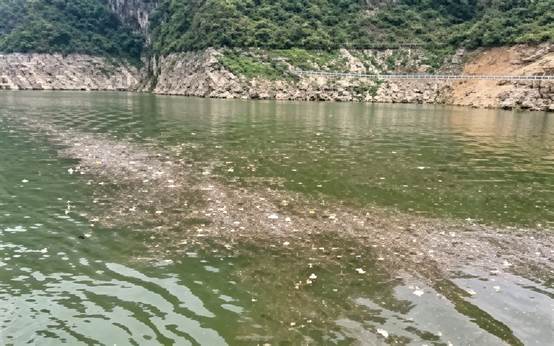
Recently, many places in Shandong have been hit by rainstorm, which has caused a lot of trouble in the city. Take Heze for example. The rainstorm in the early morning of July 21 made the maximum hourly precipitation in the urban area reach 85 mm, far exceeding the average monthly precipitation in July. The rainstorm poured down in a short period of time, and all the dust, oil stains and garbage washed away from the garbage cans on the street were involved in the nearby rivers, lakes and other water sources. These water sources were instantly invaded by a large amount of pollutants, causing the water to become extremely turbid, with turbidity soaring and microbial indicators severely exceeding the standard. Various impurities were visible to the naked eye suspended in the water.
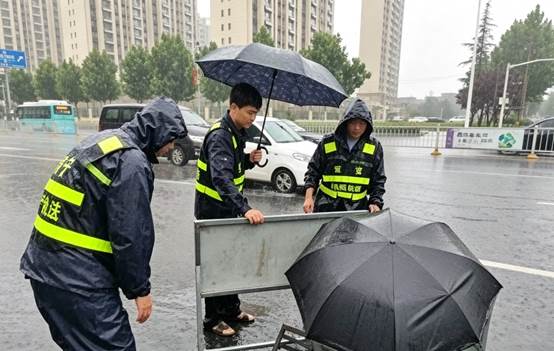
Due to the continuous rainstorm, the water quality around the water intake of some water plants deteriorated sharply, and the water plants had to adjust the water treatment process urgently. However, even so, it is difficult to completely eliminate the impact of pollutants on water quality. The rainstorm in July has already posed a serious threat to the safe supply of tap water in many cities in Shandong Province. The purification of water sources after the rainstorm is very critical, and it is also the top priority to effectively guarantee the life of one party.
Then, after the rainstorm recedes, the water from the faucet may look clear, but there is hidden danger. The turbid rainstorm is carrying sediment, garbage, bacteria, and even chemical waste, quietly polluting the water source. How to ensure the safety of drinking water at this time? The answer is hidden in a disinfectant called 'chlorine dioxide'.
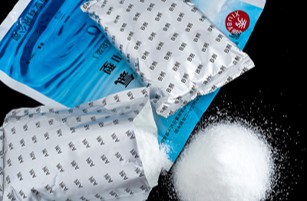
The rainstorm has caused great damage to the water supply system, and the water source has become a serious disaster area. There are three crises: first, the rainwater containing feces can breed microorganisms such as Escherichia coli, which may cause infectious diseases; Secondly, surface organic matter is washed into water sources and reacts with chlorine to produce carcinogens; Thirdly, bacteria are enveloped by sediment, rendering conventional disinfection ineffective. Traditional water treatment processes often struggle in the face of such sudden changes. At this moment, chlorine dioxide stood up.
Chlorine Dioxide: An All round Guard of Water Quality after rainstorm
Why can chlorine dioxide become a key defense line? Just look at its' superpowers' and you'll know.
The bactericidal power is 2.5 times stronger than chlorine gas, and it doesn't matter what the "environment" is
There is a big problem with ordinary chlorine disinfection: once the water quality fluctuates (such as pH changes or ammonia nitrogen in the water), the sterilization effect is greatly reduced. But chlorine dioxide is different. No matter how chaotic the water is, it can still function stably.
Experiments have shown that as long as 0.1 milligrams/liter of chlorine dioxide is used, pathogenic bacteria such as typhoid bacteria and Escherichia coli can be eliminated within 5 minutes. The "stubborn bacteria" in the water source after the rainstorm are almost "powerless to fight back".
Disinfection does not produce carcinogens and is safer
As mentioned earlier, disinfecting water with high organic content with chlorine gas may generate trihalomethanes. But when chlorine dioxide is used for disinfection, it hardly produces such harmful substances and does not produce toxins such as bromate. For the water source "rich in organic matter" after rainstorm, this is simply a "customized" advantage.
Xiuba disinfectant plays a significant role in ensuring water quality safety after rainstorm
High purity chlorine dioxide medicament such as Xiuba (purity ≥ 98%) is used. The powder can be dissolved and used immediately. It can be activated quickly in 5 minutes to meet the demand for sudden dosing during rainstorm
In terms of drinking water purification, treating polluted turbid water sources with a concentration of 0.2-0.8mg/L can kill harmful substances such as pathogenic bacteria and meet standards.
During disinfection of environment and related facilities, 30-200mg/L concentration shall be sprayed on the ground and wall corners flooded by rainstorm to effectively kill residual bacteria and avoid water pollution; Soaking household water pipes, water storage tanks, and other facilities can remove "hidden pollution" and prevent pollutants from entering the water.
In terms of ensuring the safety of secondary water supply, this disinfectant should be used at an appropriate concentration for cleaning and disinfecting secondary water tanks, reservoirs, etc. It can kill bacteria and microorganisms that grow in the water tank, remove pollutants from the dirt on the inner wall, and avoid water pollution during the secondary water supply process.
When dealing with complex pollution, its bactericidal effect is 2.6 times that of traditional chlorine containing disinfectants, and the dosage is only 1/10 of iodine. The effective concentration of the prepared aqueous solution can be maintained for 2-3 days. Even if there is organic interference, the disinfection effect is not affected, and it can continue to ensure safety in complex water pollution situations.
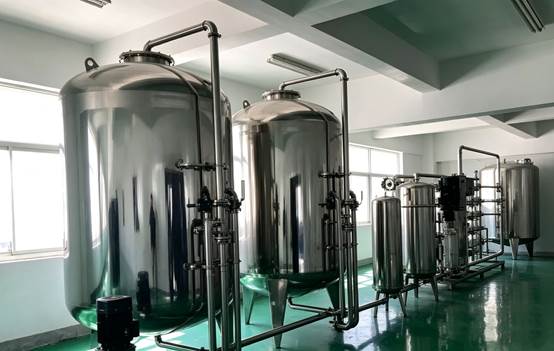
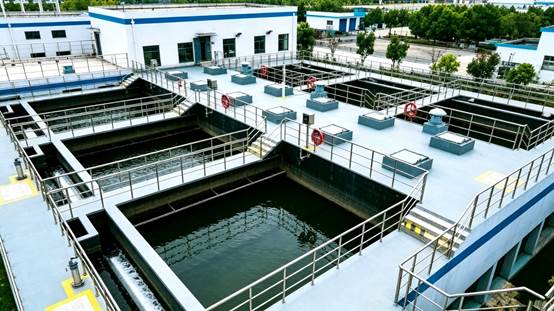
During the rainstorm, the water plant has to use combination punches
In the three-level defense system of the water plant after rainstorm, chlorine dioxide plays a crucial role in the core, and all links cooperate to form a strong protective network.
The first pre oxidation treatment: The pre oxidation stage opens the first line of defense with a chlorine dioxide dosage of 0.5mg/L, achieving triple cracking and capable of inactivating 99.99% of pathogens, including chlorine resistant cryptosporidium, within 5 minutes; At the same time, collaborative decontamination can remove 95% of algae and promote 90% of manganese oxidation precipitation, reducing disinfection by-products by 98% from the source.
The second membrane filtration technology, such as ultrafiltration and nanofiltration, benefits from pre oxidation to destabilize colloids, reducing membrane backwash frequency by 50% and extending the lifespan to 5 years; And the ring is energy-saving and precise in intercepting impurities, ensuring that the effluent turbidity is less than 0.2 NTU, and thoroughly removing residual viruses.
The third stage of UV+chlorine dioxide combined disinfection: The two form complementary protection. UV can instantly kill chlorine resistant microorganisms, while chlorine dioxide can maintain residual chlorine in the pipeline network at 0.2-0.4mg/L for 48 hours; In addition, the system can still maintain 90% bactericidal efficiency in high ammonia nitrogen water after rainstorm, and the dosage can be saved by 40%, showing strong adaptability to rainstorm environment.
The rainstorm will subside, but the protection of water quality safety cannot stop. In the face of the crisis of rainstorm, the application of chlorine dioxide technology has given us more confidence in the face of extreme weather. More importantly, from the water plant to the household, every link is always on the string of drinking water safety.
After all, the water from the faucet is not just water, but also the peace of mind for thousands of households. After the rainstorm, I hope we can all drink reassuring water. This requires technical strength, but also everyone's attention and action.
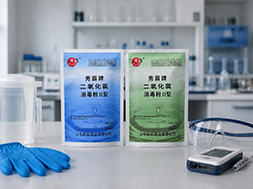
In 2026, Xiuba proposed that it is not enough to simply meet product qualification requirements; it is necessary to promote "green" practices in product selection, operation, safety, and record-keeping, rely on actual measurement data to verify effectiveness, strictly adhere to safety boundaries, and promote high-quality development of the industry.
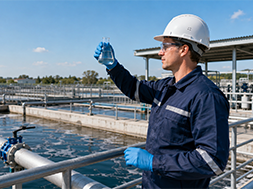
Traditional chlorine preparations are prone to producing harmful chlorination by-products and will eventually be phased out; Chlorine dioxide relies on a unique electron transfer oxidation mechanism, producing almost no organic chlorides, with high sterilization efficiency and lower risk of by-products. Xiuba relies on years of large-scale production and university research cooperation, with complete product qualifications, strict control of disinfection residues, and a balance between effective disinfection and ecological green, in line with the industry's green and low-carbon development trend.
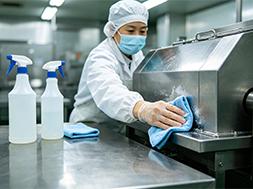
Focusing on three core selection dimensions—cost, safety, and broad-spectrum disinfection—this article compares chlorine dioxide with disinfectants such as ozone and peracetic acid, highlighting its significant advantages in terms of sterilization mechanism, usage safety, and long-term cost. The product is suitable for various scenarios including water supply, food processing, and wastewater treatment. Addressing market issues of misleading labeling, the article provides purchasing advice and recommends Xiuba Chlorine Dioxide, a brand with deep industry experience and complete certifications.
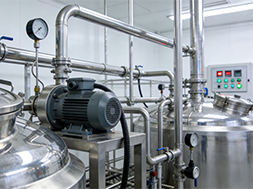
This article points out that during CIP cleaning, adding chlorine dioxide before alkaline washing and during acid-alkali rinsing has poor effects; the optimal point is after acid washing, when the acidic clean environment is suitable for the agent, and it is also necessary to drain residual acid, control the temperature, and circulate for 15-20 minutes to improve the disinfection effect.
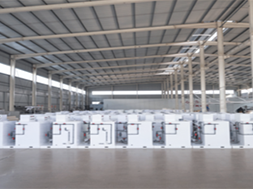
This article compares the applicable scenarios of chemical and electrolytic chlorine dioxide generators, explaining the manufacturer selection criteria from five dimensions: qualifications, accessories, case studies, after-sales service, and process compatibility. It also introduces five major development trends, including intelligent and modular equipment. Xiuba XB series equipment complies with GB 28931-2024 standards, has complete qualifications, and offers 24/7 full-process service. It is suitable for multiple industries and can reduce maintenance costs and operational risks.
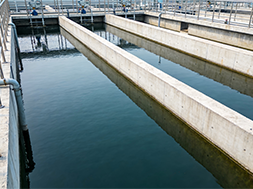
Chlorine dioxide is safe, efficient, and suitable for multiple industries, with the market continuously expanding and benefiting from ongoing policy support.Shandong Huashi Pharmaceutical's Xiuba division has been deeply involved in the industry for many years and can provide a full range of chlorine dioxide disinfection products and related technical services.
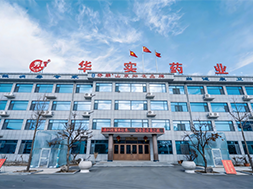
Xiuba has been deeply involved in chlorine dioxide disinfection for nearly 30 years, possessing mature technology and a rich product line. The brand has completed a strategic transformation, shifting from simply selling products to providing customized disinfection services throughout the entire process, integrating industry resources, and specifically addressing various disinfection pain points for companies in the drinking water, food, and medical fields.
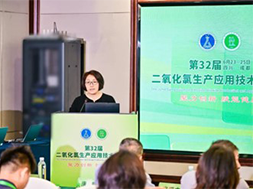
Shandong Huashi Pharmaceutical took part in the 32nd National Chlorine Dioxide Technology Symposium held in Chengdu this June. Our technical team shared professional research on chlorine dioxide disinfection for medical and public health scenarios and exchanged industry technologies with over 70 experts and manufacturers. This participation fully proves our solid R&D strength and professional standing in the chlorine dioxide disinfection field.
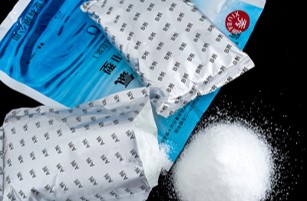
The rainstorm in many places in Shandong has caused the sediment, bacteria and organic matter in the water source to exceed the standard seriously. The traditional chlorine disinfection is prone to carcinogens and unstable sterilization, which makes it difficult to deal with sudden water pollution. High purity Xiuba chlorine dioxide has high sterilization efficiency and no harmful by-products. Combined with the three-level treatment process of the water plant, it can comprehensively ensure the safety of the water plant, secondary water supply, and household water use.
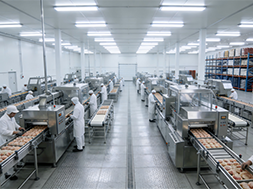
Chlorine dioxide spray disinfection in food packaging workshop is easy to cause combustion and explosion risk due to static electricity generated in dry environment. Comprehensive prevention and control can be achieved through four kinds of measures, including equipment anti-static grounding, optimization of atomization parameters, improvement of workshop humidity, static electricity monitoring and emergency plan.
Northeast of Huangshan Road and Chuangye Intersection, Small and Medium sized Enterprise Entrepreneurship Industrial Park, Shanwang Town, Linqu County, Weifang City, Shandong Province
Copyright © 2025 by Shandong Huashi Pharmaceutical Co., Ltd All Rights Reserved


 Language
 中文
中文 Русский
 Chlorine Dioxide Disinfectant Manufacturer


