Welcome to Our Factory for a Visit! Free customized disinfection solutions

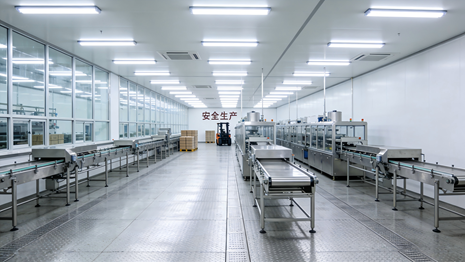
The packaging workshop is the decisive area for production, and it is the lifeline of food hygiene and safety. Many packaging involves materials that can easily generate static electricity. This is also a tricky issue during the disinfection process. The workshop environment is dry, and such charged packaging articles and packaging equipment are often placed directly. If chlorine dioxide disinfection spray is encountered to dry them into powder fog, even if the probability is small, there will be the possibility of electrostatic ignition.
Once such a disaster occurs, the scrap of the entire production process, not only raw materials, but also the manpower and material resources spent in many work links will turn into a foam, causing considerable economic losses. But please don't panic! The problem of static electricity is easy to avoid, and there is no need to worry too much about disinfection operations. Below is a disinfection trick for you to point out. To avoid some small hidden dangers in food production, it is to put a safety lock on the production.
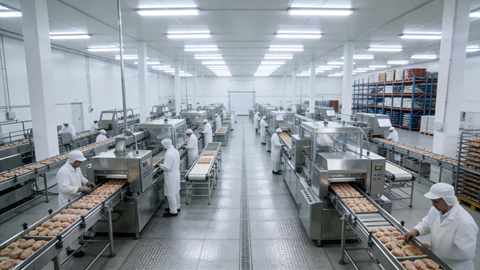
The first step of prevention: equipment grounding and anti-static design
As the saying goes, in order to do a good job, one must first sharpen their tools. Anti static spray equipment shall be arranged first. By controlling the droplets below 40 μ m, these small particles can reduce the friction and electricity generation between droplets, and also improve the utilization rate of the medication.
Disinfection equipment can be equipped with grounding devices to introduce static electricity into the ground and avoid static interference. Those conductive spray pipelines and nozzles can also be replaced with ordinary anti-static plastic materials. It is better to build and design an equipotential system connection according to the anti-static standard for the application in the whole spray system, so as to prevent trouble before it happens.
There are also some professional devices on the market specifically designed for waterproof electrical control, which have short-circuit, overcurrent, and overload protection functions, which can firmly prevent safety. The prevention and defense intervention of static electricity are reasonable measures to avoid the generation of static electricity, and chlorine dioxide disinfection operations can be easily and worry free implemented.
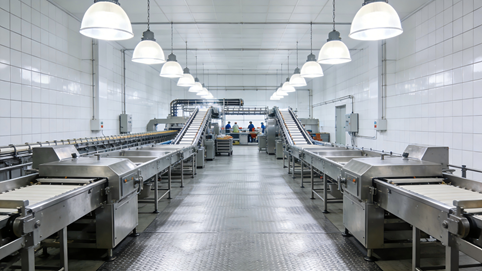
Second tip for prevention: Optimize atomization parameters and processes
The quality of atomization is also crucial. The size of droplets is a major reason for electrostatic triggering, so it is necessary to ensure that the droplets are small enough, but also to ensure the effectiveness of disinfection. It is necessary to adjust the diameter of the atomized particles appropriately to avoid electrostatic reactions during the disinfection process.
Excessive spray pressure will intensify the friction between droplets and increase the generation of static electricity. Reasonably control the pressure and flow rate of spray. This requirement is based on the actual workshop area, packaging volume and other specific conditions. After selecting the appropriate anti-static equipment, set 10 μ m, 30 μ m, 50 μ m and other atomization modes for spray, subtly adjust the atomization according to the centralized electrostatic area, and select small diameter atomized particles for atomization, so that it can be flexibly handled. Even if the spray lasts for a long time, some electrostatic concentration areas can avoid charge accumulation. Remember to adopt the habit of intermittent spray to fully release the accumulated charge for a period of time before supplementary disinfection.
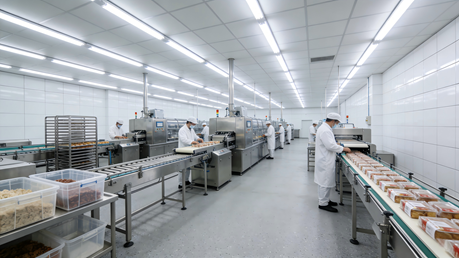
The third measure of prevention: environmental humidity control and process isolation
Static electricity is difficult to generate in high humidity environments. So the humidity in the packaging workshop can be adjusted to at least 60%, and the items will avoid friction due to surface water mist, which prevents the generation of static electricity.
What should we do if the humidity cannot be directly adjusted in the highly sensitive static areas of the packaging workshop? The direct method is to isolate other movable packaging materials and flammable materials. And standardize the anti-static clothing and footwear requirements for operators, and even standardize some daily work processes for electrostatic protection to avoid it.
The disinfection time should also be planned reasonably, and the intervals during which the production line is suspended should be selected. At this stage, there is no electrical threat to the packaging materials when they are left standing, and disinfection atomization can be quickly released through intermittent operation of the system even if it is rubbed.
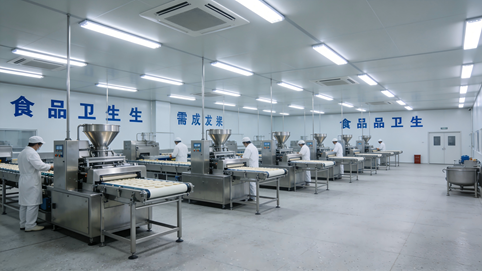
The fourth preventive measure: monitoring and emergency response plan
Attention should also be paid to spray in electrostatic sensitive areas: it is necessary to equip electrostatic monitoring equipment. The machine can accurately and timely capture whether the electrostatic potential exceeds the safety threshold, effectively and timely stop spray, and more accurately control the early warning of electrostatic removal in advance.
This operation process requires detailed operating procedures and emergency plans to be designed, and personnel training and operation must meet standardized requirements. Establish a regular awareness of anti-static production, and be able to promptly initiate emergency prevention and control measures when encountering frequent discharges or sparks.
Establishing inspection records for disinfection effectiveness and a review mechanism for safety monitoring not only optimizes the process, but also creates work feedback and enhances production responsibility.
A small reminder:
Before the spray operation, let the equipment spray empty for a few seconds to let the electrostatic ions fall to the ground wire for release, so that by driving away the charge, it will be safer for the formal atomization disinfection.
To summarize:
Chlorine dioxide spray disinfection is a powerful weapon to ensure food safety, but we cannot let it become an "arrow with Mars". Remember the mnemonic: grounding must be present, material must be conductive, environment must be moist, and movements must be meticulous. Although it is a minor hazard, it should be taken seriously enough, which is the cornerstone of stability for production enterprises.
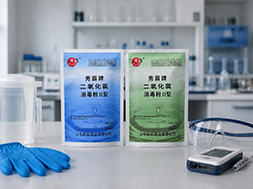
In 2026, Xiuba proposed that it is not enough to simply meet product qualification requirements; it is necessary to promote "green" practices in product selection, operation, safety, and record-keeping, rely on actual measurement data to verify effectiveness, strictly adhere to safety boundaries, and promote high-quality development of the industry.
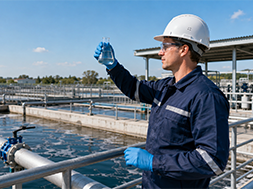
Traditional chlorine preparations are prone to producing harmful chlorination by-products and will eventually be phased out; Chlorine dioxide relies on a unique electron transfer oxidation mechanism, producing almost no organic chlorides, with high sterilization efficiency and lower risk of by-products. Xiuba relies on years of large-scale production and university research cooperation, with complete product qualifications, strict control of disinfection residues, and a balance between effective disinfection and ecological green, in line with the industry's green and low-carbon development trend.
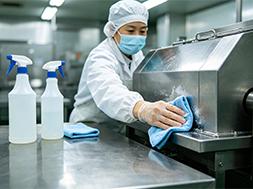
Focusing on three core selection dimensions—cost, safety, and broad-spectrum disinfection—this article compares chlorine dioxide with disinfectants such as ozone and peracetic acid, highlighting its significant advantages in terms of sterilization mechanism, usage safety, and long-term cost. The product is suitable for various scenarios including water supply, food processing, and wastewater treatment. Addressing market issues of misleading labeling, the article provides purchasing advice and recommends Xiuba Chlorine Dioxide, a brand with deep industry experience and complete certifications.
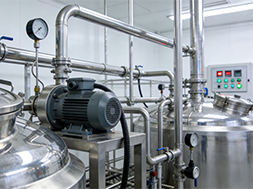
This article points out that during CIP cleaning, adding chlorine dioxide before alkaline washing and during acid-alkali rinsing has poor effects; the optimal point is after acid washing, when the acidic clean environment is suitable for the agent, and it is also necessary to drain residual acid, control the temperature, and circulate for 15-20 minutes to improve the disinfection effect.
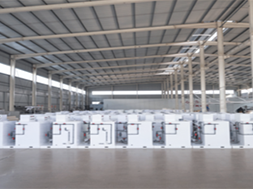
This article compares the applicable scenarios of chemical and electrolytic chlorine dioxide generators, explaining the manufacturer selection criteria from five dimensions: qualifications, accessories, case studies, after-sales service, and process compatibility. It also introduces five major development trends, including intelligent and modular equipment. Xiuba XB series equipment complies with GB 28931-2024 standards, has complete qualifications, and offers 24/7 full-process service. It is suitable for multiple industries and can reduce maintenance costs and operational risks.
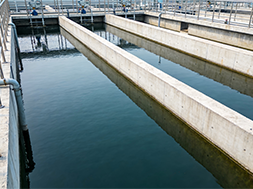
Chlorine dioxide is safe, efficient, and suitable for multiple industries, with the market continuously expanding and benefiting from ongoing policy support.Shandong Huashi Pharmaceutical's Xiuba division has been deeply involved in the industry for many years and can provide a full range of chlorine dioxide disinfection products and related technical services.
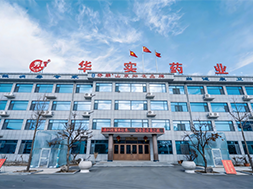
Xiuba has been deeply involved in chlorine dioxide disinfection for nearly 30 years, possessing mature technology and a rich product line. The brand has completed a strategic transformation, shifting from simply selling products to providing customized disinfection services throughout the entire process, integrating industry resources, and specifically addressing various disinfection pain points for companies in the drinking water, food, and medical fields.
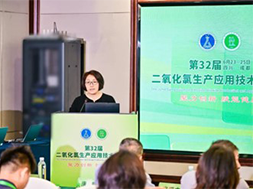
Shandong Huashi Pharmaceutical took part in the 32nd National Chlorine Dioxide Technology Symposium held in Chengdu this June. Our technical team shared professional research on chlorine dioxide disinfection for medical and public health scenarios and exchanged industry technologies with over 70 experts and manufacturers. This participation fully proves our solid R&D strength and professional standing in the chlorine dioxide disinfection field.
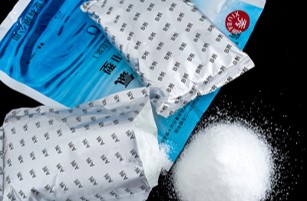
The rainstorm in many places in Shandong has caused the sediment, bacteria and organic matter in the water source to exceed the standard seriously. The traditional chlorine disinfection is prone to carcinogens and unstable sterilization, which makes it difficult to deal with sudden water pollution. High purity Xiuba chlorine dioxide has high sterilization efficiency and no harmful by-products. Combined with the three-level treatment process of the water plant, it can comprehensively ensure the safety of the water plant, secondary water supply, and household water use.
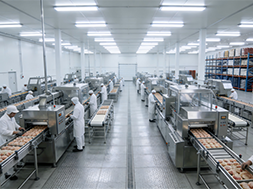
Chlorine dioxide spray disinfection in food packaging workshop is easy to cause combustion and explosion risk due to static electricity generated in dry environment. Comprehensive prevention and control can be achieved through four kinds of measures, including equipment anti-static grounding, optimization of atomization parameters, improvement of workshop humidity, static electricity monitoring and emergency plan.
Northeast of Huangshan Road and Chuangye Intersection, Small and Medium sized Enterprise Entrepreneurship Industrial Park, Shanwang Town, Linqu County, Weifang City, Shandong Province
Copyright © 2025 by Shandong Huashi Pharmaceutical Co., Ltd All Rights Reserved


 Language
 中文
中文 Русский
 Chlorine Dioxide Disinfectant Manufacturer


