Welcome to Our Factory for a Visit! Free customized disinfection solutions

The snack food market is constantly expanding, and pickled chicken feet, with their unique spicy and sour flavor and convenient preparation, have always been a popular product. However, as consumers' demands for food safety increase and the industry's "clean label" trend advances, the processing technology of pickled chicken feet is entering a critical stage of refinement and upgrading. Among these upgrades, the disinfection process, as the core of controlling product microbial indicators and ensuring food safety, is gradually shifting from traditional disinfection methods to chlorine dioxide disinfection technology. This shift not only effectively extends the product's shelf life but also directly reflects the company's production process level and quality control capabilities.
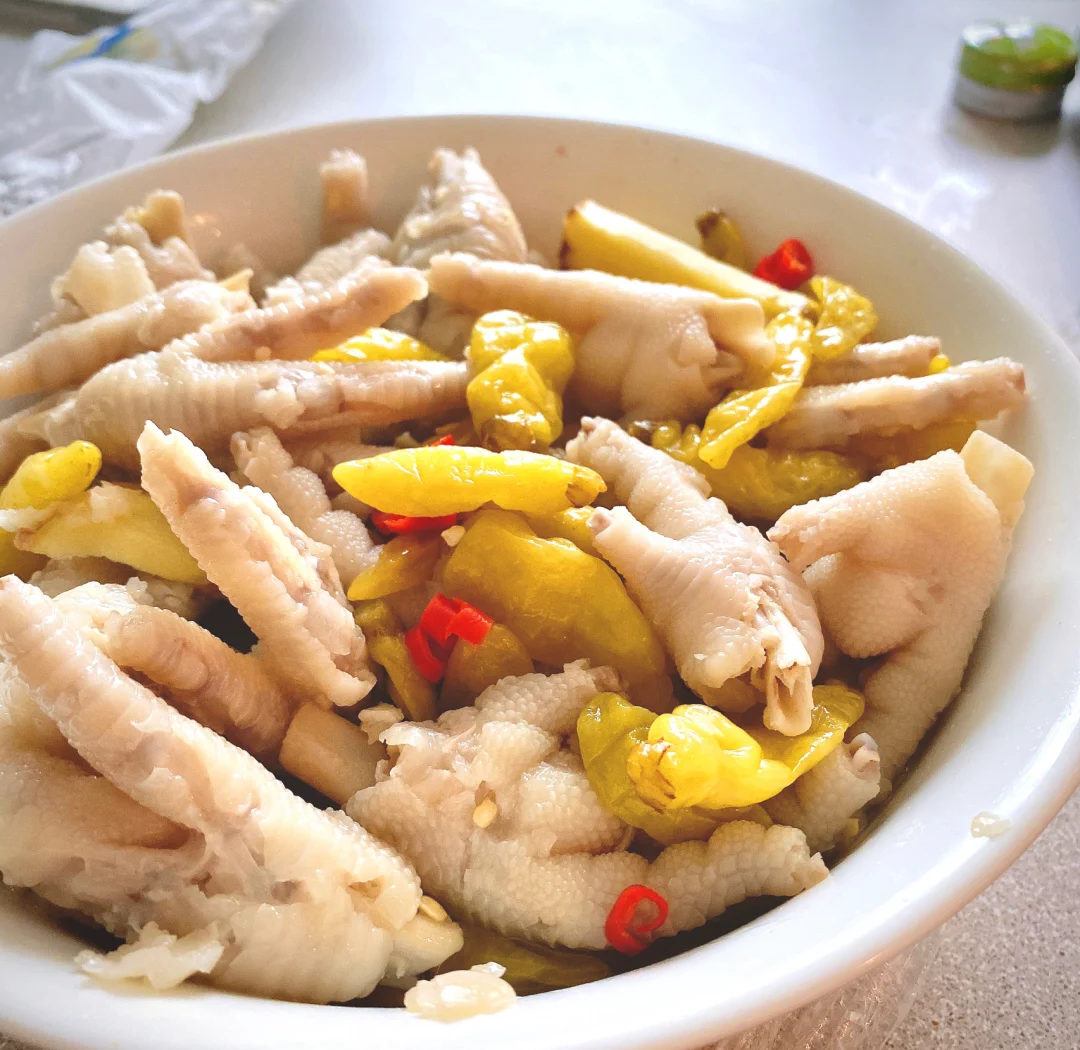
The processing of pickled chicken feet involves numerous interconnected steps, from thawing and cutting frozen chicken feet to pre-cooking, cooling, and soaking, and finally seasoning and marinating. Each step carries the potential risk of microbial contamination. The cooling stage after pre-cooking and the subsequent low-temperature soaking are particularly problematic, as the warm and moist conditions create ideal breeding grounds for microorganisms. The choice of disinfectant and the control of its concentration in these two stages directly determine whether the final product meets hygiene standards. To ensure proper disinfection during the processing of pickled chicken feet, a disinfection solution tailored to its processing characteristics is needed. Chlorine dioxide, with its inherent properties, has become the preferred choice for many manufacturers .
Chlorine dioxide: the disinfection choice for processing pickled chicken feet.
Among various disinfectants available for food processing, chlorine dioxide stands out as a "good helper" in the processing of pickled chicken feet because of its effectiveness , broad spectrum, low residue, and high compatibility with the processing technology of pickled chicken feet. Compared with traditional chlorine-containing disinfectants, chlorine dioxide has a stronger oxidizing and bactericidal ability. At lower concentrations, it can quickly kill various harmful microorganisms such as bacterial spores, viruses, and fungi, significantly improving disinfection efficiency. More importantly, chlorine dioxide does not exist in the form of molecular chlorine in aqueous solution, and when it reacts with organic matter, it does not produce harmful chlorination byproducts such as trihalomethanes. It does not change the original sour and spicy flavor of pickled chicken feet, nor does it have any negative impact on product quality.
In conjunction with the processing of pickled chicken feet, the application of chlorine dioxide mainly focuses on two key stages, forming two solid lines of defense for hygiene:
The first line of defense is in the raw material pretreatment stage. After the frozen chicken feet are thawed and cut, they are soaked in a 30-50 ppm chlorine dioxide solution for more than half an hour to sterilize them. At the same time, they are soaked in a 4% salt solution. This removes the blood from the chicken feet and significantly reduces the initial total number of colonies in the raw materials, reducing the possibility of microbial contamination from the source and laying a good hygienic foundation for subsequent processing.
The second line of defense is the cooling and disinfection stage after pre-cooking. After the chicken feet are pre-cooked at a high temperature of over 90℃ until just cooked through, they are immediately rinsed with running water to cool down, and then soaked again in water containing 30-50ppm of chlorine dioxide for disinfection. This step not only kills any microorganisms that may remain on the surface of the food during the pre-cooking process, but also inhibits bacterial growth in the chicken feet, effectively preventing the large-scale proliferation of bacteria during the subsequent low-temperature soaking stage and avoiding cross-contamination.
Chlorine dioxide is particularly suitable for processing pickled chicken feet because it perfectly complements the low-temperature, long-time soaking process. Pickled chicken feet typically need to be soaked at 0-4℃ for 18-24 hours in a solution containing acetic acid and lactic acid, making it acidic overall. This environment easily breeds psychrophilic bacteria and other microorganisms. However, the bactericidal effect of chlorine dioxide is not affected by pH; in fact, its bactericidal effect is stronger in an acidic environment. Furthermore, it has excellent penetrability, reaching deep into the folds and crevices of the chicken feet , achieving comprehensive and thorough sterilization . In addition, the decomposition products of chlorine dioxide are only chlorite and chloride ions, posing no carcinogenic or teratogenic risks and fully complying with national food processing safety standards, fundamentally ensuring the safety of pickled chicken feet for consumption.
Authoritative backing: Xiuba chlorine dioxide's quality and professional assurance
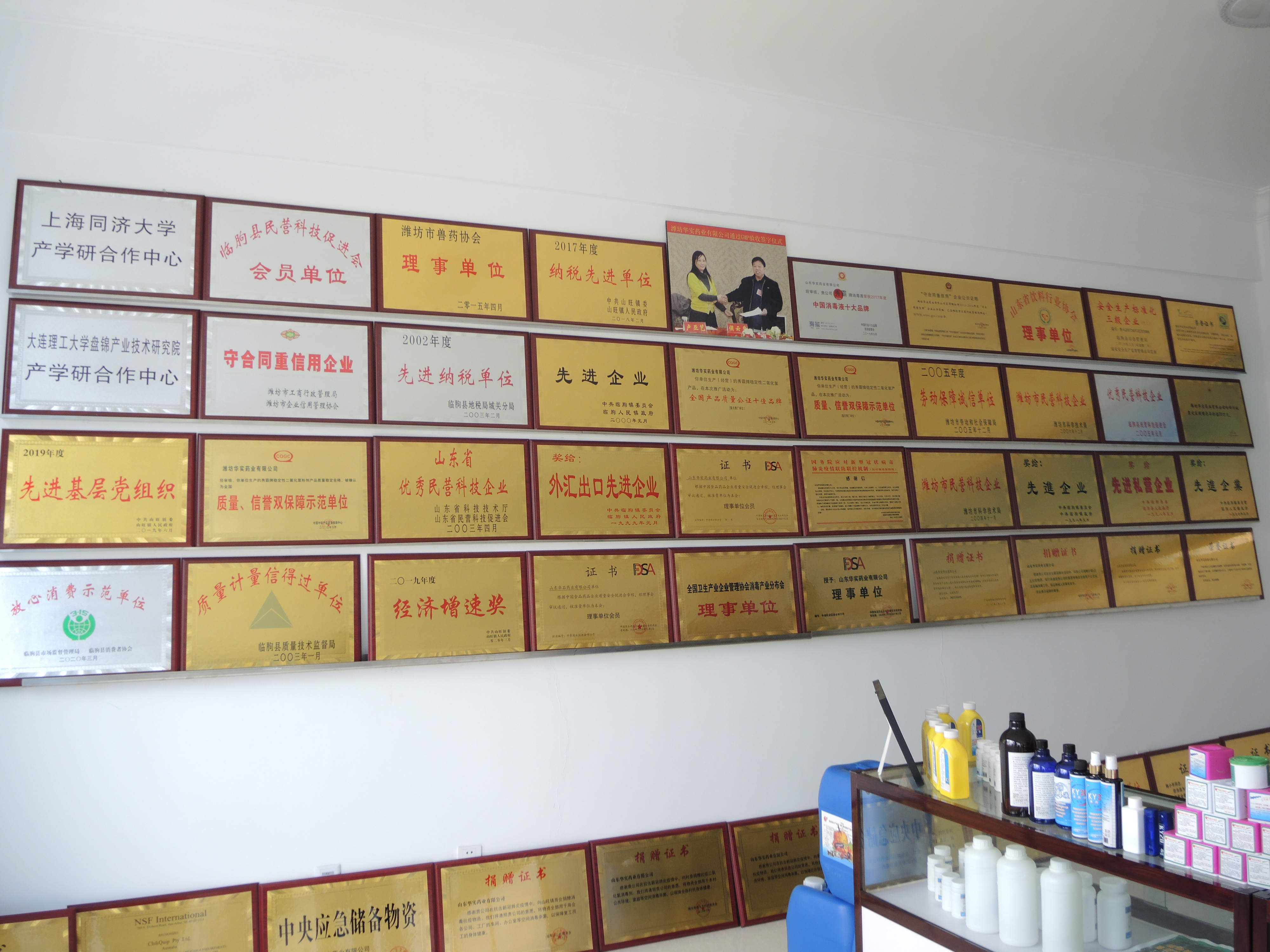
The core support for disinfection effectiveness lies in the quality of the disinfectant itself. Judging the quality of chlorine dioxide disinfectant hinges on the professionalism of the production end, the completeness of its qualification system, and whether the product strictly adheres to industry application standards. Xiuba Chlorine Dioxide has been rooted in the disinfection field for over forty years. With its solid technological accumulation, comprehensive qualification certifications, and rich experience in the food processing industry, it has become the trusted choice of many pickled chicken feet manufacturers. Its strong professional capabilities provide a solid guarantee for the product's effectiveness and safety.
Xiuba Chlorine Dioxide's professional expertise is primarily reflected in its strong technological R&D capabilities and deep involvement in industry standards. Its Technical Director, Chen Xiaoping, participated in drafting the national standard "Stable Chlorine Dioxide Solution (GBT 20783-2023)" and has also been deeply involved in the formulation of multiple disinfection-related standards in the chemical industry. He holds 9 invention patents and 26 utility model patents, and many of his developed chlorine dioxide products are at the highest industry standards. It is precisely because of this deep involvement in industry standard setting that Xiuba Chlorine Dioxide's R&D and production process closely adheres to the stringent requirements of food processing, ensuring professional quality assurance from the very beginning.
In terms of production control and certification, Xiuba chlorine dioxide has achieved comprehensive and high-standard coverage. The entire production process has passed three authoritative certifications: ISO9001 Quality Management System, ISO14001 Environmental Management System, and ISO45001 Occupational Health and Safety Management System. From raw material procurement and production processing to finished product delivery, each link has standardized quality control procedures to ensure the consistent quality of every product . It also possesses qualifications for central emergency reserve materials and hygiene permits for drinking water safety products. Each dosage form is accompanied by its own hygiene permit and third-party professional inspection report. All qualifications are verifiable and fully meet the stringent usage requirements of food processing enterprises.
Scientific Practice: Practical Application Solutions Adapted to Large-Scale Production
Xiuba chlorine dioxide not only boasts superior quality but also incorporates a simple, precise, and easy-to-use application solution tailored to the large-scale production process of pickled chicken feet. This solution ensures effective disinfection while meeting the actual production needs of businesses and improving production efficiency. In the crucial seasoning and soaking stage of pickled chicken feet, after boiling and cooling purified water (A) is mixed with seasonings such as white wine, flavor enhancers, acetic acid, and lactic acid (B), the chicken feet and soaking solution are placed in a sealed container at a ratio of 1:1.2-1.5. Adding 80ppm of Xiuba chlorine dioxide at this point allows it to synergistically work with food preservatives, effectively inhibiting the growth of microorganisms in the soaking solution. This ensures the hygiene of the chicken feet after soaking at 0-4℃ for 18-24 hours, extends the shelf life of the finished product at room temperature, and reduces spoilage and loss.
To address the entire process of pickled chicken feet processing, Xiuba Chlorine Dioxide offers a comprehensive product system in three dosage forms : powder, tablets, and liquid. Companies can flexibly choose the appropriate form based on their production scale and disinfection needs at different stages: liquid chlorine dioxide is easy to dilute and prepare, suitable for disinfection processes involving large volumes of water, such as raw material thawing and cooling soaking; effervescent tablets are convenient to use, dissolve quickly, and have a high activation rate, requiring no complex preparation, making them suitable for wiping and spraying disinfection of workbenches, pickling containers, conveying equipment, and other utensils in production workshops, as well as for disinfection of small areas; powder has a high effective content and is easy to store, suitable for large-scale production enterprises to prepare disinfectant solutions in large quantities, meeting the disinfection needs of continuous production. This comprehensive product portfolio fully adapts to the disinfection needs of each stage of pickled chicken feet processing, making disinfection work more efficient.
In addition, Xiuba Chlorine Dioxide boasts a mature technical service system. Leveraging over 40 years of practical experience serving more than 30,000 clients in the food processing, water treatment, and other industries, Xiuba can provide comprehensive technical guidance to pickled chicken feet manufacturers. From disinfectant concentration and soaking time to optimization of disinfection solutions for different processing stages, Xiuba's professional technical team provides 24-hour timely response whenever a company has a need, ensuring that chlorine dioxide disinfection technology can be truly implemented and effective, making process upgrades easier and smoother for businesses.
Conclusion
The upgrade of pickled chicken feet processing technology ultimately aims to better ensure food safety, and the scientific application of chlorine dioxide disinfection technology is the key to achieving this goal. Its safe , effective , and low-residue characteristics are highly compatible with the processing technology of pickled chicken feet, building a solid hygiene and safety barrier from source to finished product.
With over forty years of industry experience, professional expertise in participating in national standard setting, comprehensive authoritative certifications, and practical application solutions tailored to large-scale production, Xiuba chlorine dioxide provides a reliable option for the process upgrade of pickled chicken feet processing enterprises. In the current era of high-quality development in the snack food industry, for pickled chicken feet producers, choosing professional, compliant, and suitable disinfection products and establishing a scientific and comprehensive disinfection system from the source of the process is not only a necessary requirement for controlling product quality and ensuring food safety, but also a core path to enhancing market competitiveness and winning consumer trust.
(The process parameters and proportions described in this article are based on the actual application schemes of large-scale pickled chicken feet production enterprises. Please adjust them flexibly according to your own production conditions and local market supervision requirements.)
When using chlorine dioxide for disinfection in food production, the disinfectant concentration is a critical control point in the HACCP system. Test strips are convenient to use but have a relatively large margin of error; portable testing instruments offer higher accuracy but require regular calibration and maintenance. Enterprises can adopt a three-tiered monitoring solution: primarily online sensors, supplemented by portable instrument inspection and calibration, and emergency verification using test strips. This enables continuous monitoring, data retention and traceability, ensuring both disinfection effectiveness and food safety.
Chlorine dioxide fumigation can achieve thorough disinfection of food factory workshops, but it can easily produce residual odors that contaminate products. After 2-4 hours of disinfection, residual gases can be eliminated with the help of negative pressure exhaust, three-stage ventilation, neutralizing agents, and activated carbon. Raw material packaging should be removed or sealed in advance, easily absorbent parts should be protected, residues should be tested after disinfection, and sufficient ventilation should be ensured before production to guarantee food safety.

Microorganisms detected after disinfection in food factories often indicate secondary contamination. Do not blindly change disinfectants. Instead, identify the problem through three steps: on-site sampling and investigation, microbial tracing, and verification of the disinfection process. Then, classify and rectify the issues. Disinfection of workshops requires a combination of products, solutions, and services.
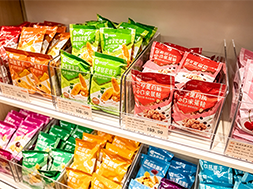
In 2022, a food factory in North China faced a downturn in offline channels and transformed its business by selling crispy pork powder on Douyin (TikTok). Within 18 months, it achieved monthly sales of 6 million yuan. Initially, the factory suffered losses from live-streaming sales, but managed to increase sales volume by supporting small and medium-sized influencers. It reversed the losses by reducing costs through various means and promoting high-margin packages. Optimizing shipping and after-sales service stabilized store traffic. Subsequently, it cultivated private domain traffic, expanded across multiple platforms, and even revitalized its offline channels. Traditional factories need to balance production and online operations to survive in the market.
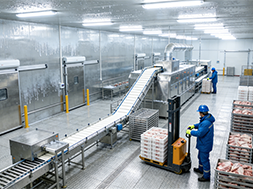
A large-scale recall of frozen food products in the US due to glass shards contaminated the food was highlighted. Physical foreign objects can carry microorganisms, cause temperature fluctuations on production lines, and create unsanitary areas in equipment, making frozen products susceptible to Listeria growth. Chlorine dioxide can achieve comprehensive disinfection of workshops, equipment, water, and tools, eliminating the risk of secondary contamination. Companies need to simultaneously conduct equipment inspections and standardized disinfection. Xiuba can provide complete disinfection solutions for the food industry.

AI is profoundly reshaping the food industry. Domestic and foreign food companies are implementing five major applications: intelligent production, AI quality inspection, formula development, supply chain prediction, and low-carbon production, to achieve cost reduction and quality improvement. In the future, the industry will move towards data assetization, full-chain collaboration, and the widespread application of AI technology in small and medium-sized factories.
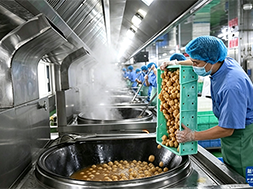
Mold easily grows in food factories during spring and summer, contaminating products and even producing carcinogenic toxins. This solution provides a complete practical guide to mold prevention in workshops, covering seven dimensions: environmental control, chemical and physical disinfection, equipment and raw materials, personnel management, and intelligent monitoring.
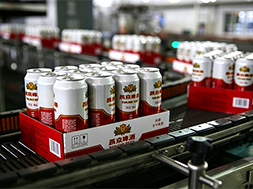
Biofilm growth in beverage and brewery pipelines can pose food safety risks. This article introduces the four-step CIP cleaning process, the advantages and disadvantages of various disinfectants, key points to avoid cleaning pitfalls, and recommends efficient disinfection solutions.
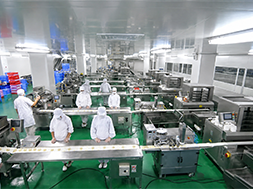
Chlorine dioxide is suitable for air and surface disinfection in food processing workshops. It has broad-spectrum and high-efficiency characteristics, but the concentration, time, ventilation and personnel protection must be strictly controlled, and the operation must be carried out in accordance with the instructions.
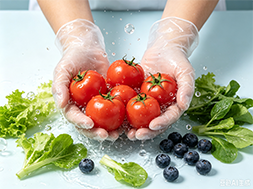
Disinfection in fruit and vegetable processing suffers from drawbacks such as the production of harmful byproducts, damage to nutritional value, and incomplete sterilization by traditional disinfectants. Chlorine dioxide, on the other hand, produces no toxic byproducts, is safe for use at low concentrations, and can also protect color and lock in nutrients. Xiuba food-grade chlorine dioxide boasts an activation rate exceeding 95%, a complete product range, and comprehensive certifications. With years of industry experience, Xiuba can provide complete solutions for cleaning and disinfecting food and fruits and vegetables.
Northeast of Huangshan Road and Chuangye Intersection, Small and Medium sized Enterprise Entrepreneurship Industrial Park, Shanwang Town, Linqu County, Weifang City, Shandong Province
Copyright © 2025 by Shandong Huashi Pharmaceutical Co., Ltd All Rights Reserved


 Language
 中文
中文 Русский
 Chlorine Dioxide Disinfectant Manufacturer


