Welcome to Our Factory for a Visit! Free customized disinfection solutions
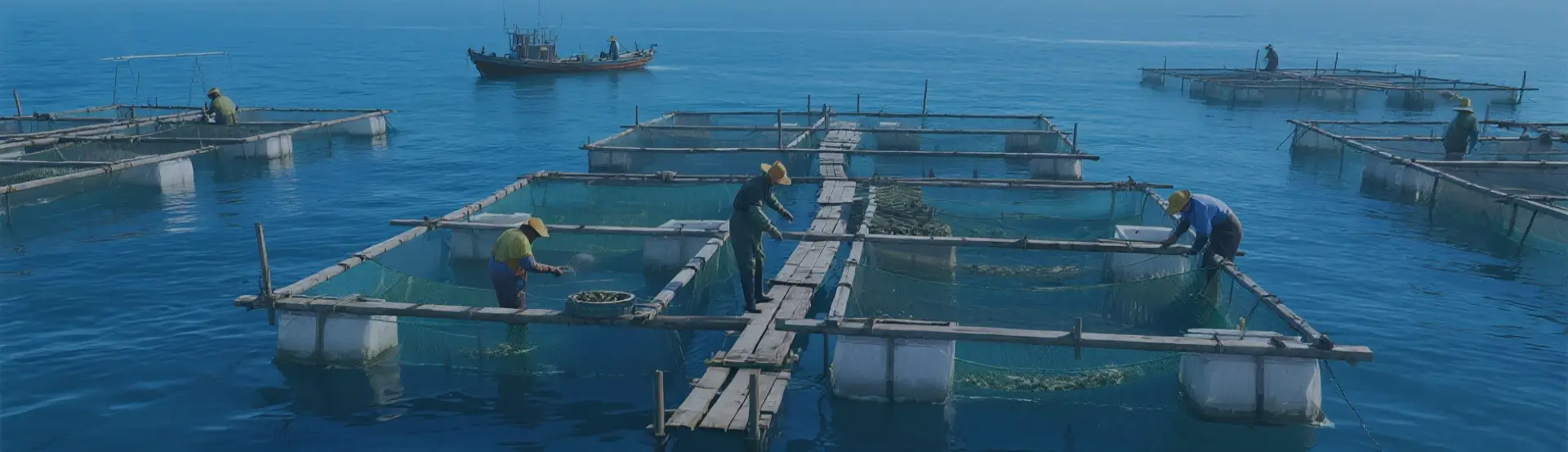
A couple of days ago, I was having dinner with a friend who works in the seafood industry when he received a phone call from his cousin. The cousin sounded flustered and said that the shrimp in his pond had been dying abnormally in the past two days, and he suspected that there was a problem with the water quality.
After listening, my friend only asked one question: When was the last time you disinfected?
My cousin stammered for a long time before finally managing to say that about two weeks ago, he used chlorine dioxide.
After my friend sighed and finished talking to him, he hung up the phone and turned to me, saying, " Look, it's another one who doesn't understand the principles of disinfection, treating fishpond disinfection as 'mysticism' and using it blindly."
Chlorine dioxide is widely used in aquaculture, but few people have carefully considered the nuances of its use. I asked my friend, "What constitutes indiscriminate use?" He said, "Many people buy chlorine dioxide and then haphazardly add it to the pond without considering the actual conditions of the pond, simply because the packaging instructions say it's safe to use. If used correctly, the pond will remain stable; however, if used incorrectly, it can lead to the pond overflowing ."
Hearing this made my heart skip a beat. Chlorine dioxide is, after all, a strong oxidizing chemical; used correctly, it's a powerful aid in aquaculture, but used incorrectly, it's a deadly poison. I've been gathering and compiling a lot of practical experience lately, and today I'll share it with you all.
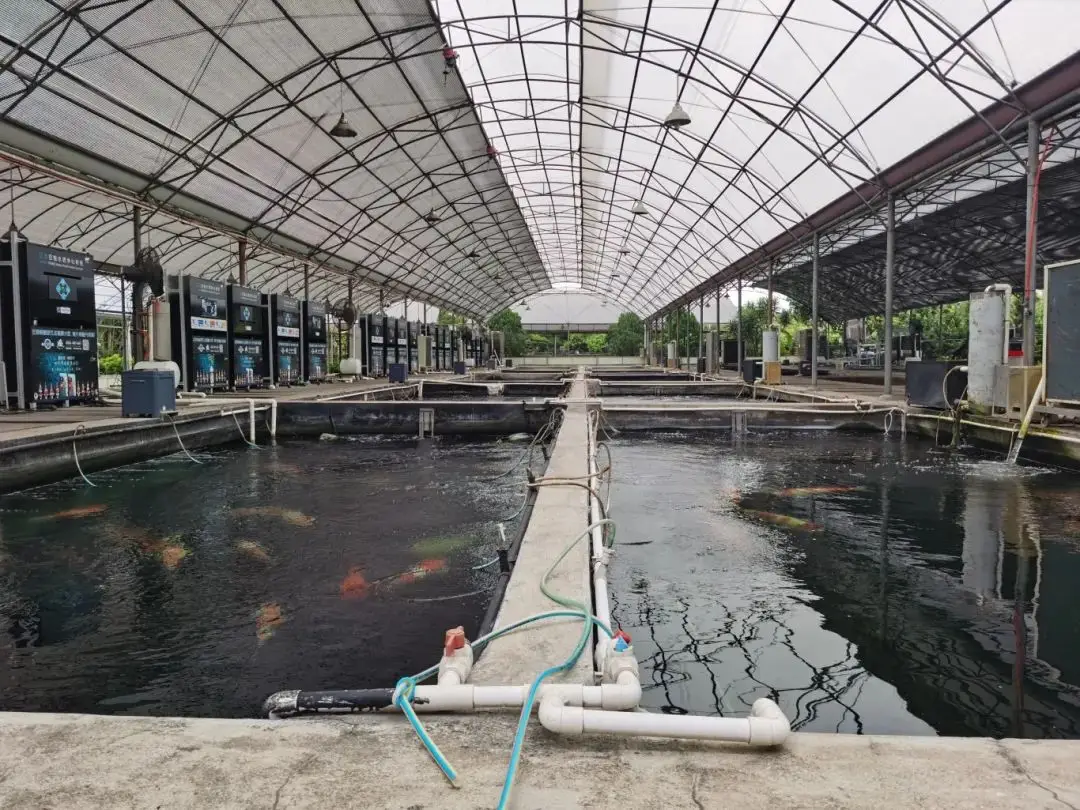
Why do farmers love to use chlorine dioxide?
There are many types of disinfectants on the market, such as bleaching powder, potassium permanganate, and quicklime, but why has chlorine dioxide become increasingly popular in recent years?
There are actually a few reasons. The most practical is its broad bactericidal range; it can kill bacteria, viruses, and fungi. It's especially effective against stubborn pathogens like Aeromonas hydrophila, which causes hemorrhagic disease in fish and shrimp. I know a yellow catfish farmer who used to rely on bleach for disinfection, resulting in annual hemorrhagic disease problems and significant losses. After switching to chlorine dioxide on advice and strictly following the correct application method, he's basically stopped experiencing hemorrhagic disease, saving him a lot of trouble.
Secondly, it has a wider safety margin. While not completely non-toxic, the difference between lethal and effective disinfection concentrations is significant. Even a slightly excessive amount of potassium permanganate can damage fish gills; excessive bleach can cause residual chlorine levels in the water to exceed safe limits, directly leading to the death of fish and shrimp. However, even if a little too much chlorine dioxide is added occasionally, it generally won't cause major problems.
Another advantage that few people notice is that it does not induce drug resistance. Many antibiotics and disinfectants become less effective as pathogens gradually adapt over time, but chlorine dioxide directly destroys the cell structure of pathogens, preventing them from adapting and evolving. No matter how many years it is used, its effectiveness remains stable.
When using it yourself, don't be careless about these details.
Knowing that chlorine dioxide is effective is important, but mastering the correct usage is even more crucial. Used correctly, it can save a pond; used incorrectly, it can destroy it. Every detail is critical. Among these, when to use it and how much to use are the two areas most prone to error.
Many people treat disinfection as routine maintenance, using it every few days, which is completely unnecessary. The frequency of emergency disinfection differs greatly from that of routine prevention. If you find fish and shrimp surfacing, exhibiting gill rot, or red spots on their bodies, or if the water becomes cloudy and smelly due to sudden weather changes such as heavy rain or high temperatures, you must disinfect immediately. For routine prevention, once every 7 to 10 days is generally sufficient. In high-density aquaculture, this can be shortened to 5 to 7 days, but it should never be used daily, as this will disrupt the water balance and allow pathogens to proliferate.
Dosage is a technical matter. The content of the active ingredient in chlorine dioxide varies greatly between different manufacturers, whether it's powder, tablets, or liquid. Generally, 0.1-0.2 ppm is used for preventative disinfection, and 0.3-0.5 ppm for therapeutic disinfection. To put that in perspective, a pond with a depth of 1 meter per acre (approximately 667 cubic meters of water) would require 67-133 grams of pure chlorine dioxide for preventative purposes.
I want to emphasize that I'm referring to the amount of pure chlorine dioxide. Many products on the market list a 10% precursor content, but the dosage must be doubled proportionally. A farmer once used it for the first time without carefully reading the instructions and applied the amount listed on the packaging as the pure amount . The next day, all the shrimp in his pond were belly-up. It's still heartbreaking to think about.
One more thing: chlorine dioxide should never be poured directly into the pond.
Chlorine dioxide releases toxic gas when it comes into contact with water. Directly pouring the powder will cause the concentration in some areas to exceed the safe level instantly, poisoning fish and shrimp on the spot. The correct method is to activate it first: most products are AB agents, which should be mixed in a bucket first and allowed to stand for 10 to 15 minutes to allow for full reaction. After dilution, it should be evenly sprinkled throughout the pond. Never try to save time by throwing the A and B agents directly into the water, otherwise, you will see a large number of fish and shrimp in the center of the pond die while those at the edges are fine, which is caused by uneven concentration in some areas.
Finally, it is absolutely crucial that these two methods not be used interchangeably.
Chlorine dioxide is a strong oxidizing agent and must not be used with reducing agents, organic matter, or alkaline substances. For example, it will neutralize and render vitamin C ineffective when used for detoxification or sodium thiosulfate for chlorine removal, and may even produce toxic substances. Similarly, many people habitually use quicklime to dilute water before disinfection, but quicklime is alkaline, and mixing it with chlorine dioxide will render both ineffective. The safest approach is to disinfect with chlorine dioxide first, and then wait 24 hours before using other disinfectants. If other products are used first, wait at least 12 hours before using chlorine dioxide.
veteran farmers must be remembered.
All of the above information can be found in aquaculture manuals, but those who truly avoid pitfalls are experienced farmers who have learned from their mistakes and accumulated practical experience. There are also a few details they repeatedly emphasized, which you must remember.
Never use it in bad weather. On rainy or humid days, the water is already low in oxygen. Chlorine dioxide disinfection consumes oxygen during the process and further decomposes organic matter, leading to oxygen depletion. Using it in these conditions can easily suffocate fish and shrimp. Using it on a sunny morning yields the best results and carries the lowest risk.
Use disinfectant with caution when fish and shrimp are in poor condition. If the fish and shrimp are already surfacing, swimming near the edge, and unresponsive, it indicates they are under severe stress. Using disinfectant at this time is like giving a seriously ill person strong liquor; it will only hasten their death. Change the water and add oxygen first , and only disinfect after the fish and shrimp have recovered.
Some people believe that the higher the concentration of chlorine dioxide, the better the effect, thinking that if 0.2 ppm can disinfect, then 0.5 ppm must be even more thorough. This idea is particularly dangerous. High concentrations of chlorine dioxide are very irritating to fish gills and can damage gill tissue, making fish and shrimp more susceptible to diseases . It should only be used in moderation .
In addition , special care should be taken when storing chlorine dioxide. Chlorine dioxide is sensitive to heat, moisture, and light. Once purchased , it must be stored in a cool, dry place and used as soon as possible after opening. If left unattended in the sun near a pond, the active ingredient will degrade and become ineffective after only half its usage.
Let's get back to the matter of my friend's cousin.
check on his cousin's pond and found that the problem wasn't with disinfection . It was due to aging water quality, deteriorating bottom sediment, and overfeeding. These problems had accumulated over time, causing the fish and shrimp to get sick. Disinfectants can only temporarily suppress the surface symptoms; they don't address the root cause , and the problem will recur. It's like a person having a fever and only taking antipyretics without addressing the underlying inflammation—the fever subsides, but the illness remains. Many fish farmers have this mentality: they only think about using medication to suppress the symptoms when problems arise, neglecting to put effort into water conditioning, bottom improvement, and proper feeding. Even the best chlorine dioxide cannot replace scientific daily management. Maintaining a good aquaculture environment regularly strengthens the fish and shrimp's resistance, allowing them to recover from minor problems on their own. Waiting until the fish and shrimp are severely ill before using medication is unlikely to save them, no matter how good the medication is.
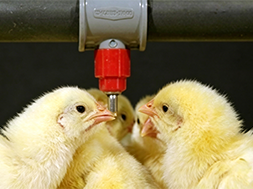
Water source pollution is the main cause of high incidence and declining efficiency of intestinal diseases in livestock and poultry farms. Scientific implementation of drinking water disinfection can significantly reduce the cost of breeding diseases and medication. Compared with the four mainstream drinking water disinfection technologies, chlorine dioxide has the best comprehensive performance. Livestock farms can select corresponding Xiuba disinfection products and intelligent equipment according to their inventory size to improve quality and efficiency.
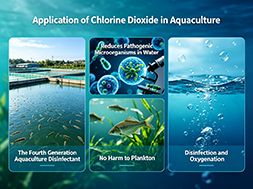
Chlorine dioxide is a highly effective and safe disinfectant for aquaculture. It sterilizes and purifies water, leaves no carcinogenic residues, and is superior to traditional chlorine-based disinfectants. It requires low dosage, has stable effects, and is highly safe, and has been widely used in coastal areas and is being promoted to inland aquaculture areas.
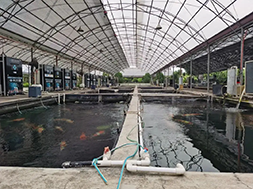
Aquaculture farmers often blindly use chlorine dioxide to disinfect fish ponds, a practice that frequently leads to the death of fish and shrimp. While chlorine dioxide is effective at killing bacteria, safe, and does not induce drug resistance—making it a common choice in aquaculture—it requires proper activation and precise dosage control prior to use. It should be applied on sunny days and never mixed with other substances. Ultimately, disinfection serves only as a symptomatic remedy; the true foundation of successful aquaculture lies in the proper management of water quality, pond sediment, and feeding practices.
Northeast of Huangshan Road and Chuangye Intersection, Small and Medium sized Enterprise Entrepreneurship Industrial Park, Shanwang Town, Linqu County, Weifang City, Shandong Province
Copyright © 2025 by Shandong Huashi Pharmaceutical Co., Ltd All Rights Reserved


 Language
 中文
中文 Русский
 Chlorine Dioxide Disinfectant Manufacturer


