Welcome to Our Factory for a Visit! Free customized disinfection solutions
In industrial wastewater and sewage treatment, ClO₂ primarily functions through oxidation reactions. Organic matter oxidized by ClO₂ is degraded into products mainly containing carboxyl groups, with no chlorinated organic compounds appearing. For phenolic substances and fused-ring compounds in wastewater, ClO₂ can oxidize them into non-toxic quinone-type branched compounds. For wastewater containing cyanide compounds, ClO₂ can oxidize them into cyanate, carbon dioxide, and nitrogen. Furthermore, ClO₂ is extremely effective in wastewater deodorization, decolorization, and the removal of Fe²⁺ and Mn²⁺.
Experiments by Zhao Zhenye et al. using ClO₂ to treat coal gas wastewater showed that ClO₂ can essentially remove degradable phenolic substances from coal gas wastewater, with some substances being completely mineralized. Moreover, product analysis indicated that no chlorinated organic compounds were formed during the removal of phenolic substances from wastewater by ClO₂, further demonstrating that ClO₂ can effectively control the formation of THMs (thin-hydrogen compounds). Experiments conducted by Xiao Jinyuan et al. on the catalytic oxidation of high-concentration phenol-containing wastewater using ClO₂ showed that ClO₂ can effectively reduce COD_Cr in phenol-containing wastewater, with a removal rate exceeding 90%. Liang Yulan conducted experiments on the treatment of cyanide-containing wastewater from mines using ClO₂, achieving a cyanide removal rate of over 99%, meeting the national Class I emission standard. Wang Fuxiang et al. used ClO₂ to treat dyeing and printing wastewater, achieving decolorization and COD removal rates of 97.5% and 80.3%, respectively, with the treated wastewater fully complying with national emission standards.
The Application Value of Chlorine Dioxide in Pollution Control and Environmental Protection The types and quantities of toxic and harmful substances in industrial wastewater and domestic sewage across the country are constantly increasing, and organic pollution of water bodies is already quite serious. Although my country has done a great deal of work in environmental protection over the years and achieved significant results, air, water, and solid waste pollution in many areas is still not well controlled. Chlorine dioxide has 2.63 times the oxidizing activity of chlorine and can react with a variety of inorganic and organic substances to make them non-toxic and harmless. For example, chlorine dioxide can react with iron, manganese, lead, nickel, cadmium, chromium, sulfides, cyanides, etc., to form salts. It can also react with many organic substances, such as naphthalene, anthracene, phenol, humic acid, small molecule organic acids, aniline, benzoquinone, phenol, amino acids, formaldehyde, diacetal, amines, thiols, thiourea, nitrophenol, etc., to turn them into non-toxic and harmless substances. Chlorine dioxide is easy to manufacture, inexpensive, and convenient to use. Utilizing the strong oxidizing properties of chlorine dioxide, pollution can be controlled, the environment protected, and the people benefited, which deserves high attention from environmental protection departments.
(1) Water Purification Agent: Liquid chlorine has been used to treat drinking water for more than 100 years. In 1974, chloroform and other chlorine compounds generated by the chlorination of liquid chlorine were detected in drinking water treated with liquid chlorine, and these substances were considered to have carcinogenic effects. Therefore, it is generally accepted that chlorine-based disinfectants such as liquid chlorine, sodium hypochlorite, and bleaching powder are unsuitable for drinking water disinfection. Chlorine dioxide has been chosen as an ideal alternative. It effectively disinfects, sterilizes, kills algae, prevents decay, deodorizes, and eliminates odors. It does not produce carcinogenic substances such as trihalomethanes in drinking water, making it particularly suitable for purifying rivers, lakes, and other bodies of water rich in humus. Consequently, chlorine dioxide has met the standards set by the U.S. Food and Drug Administration (FDA), and the World Health Organization (WHO) recommends its use worldwide as a drinking water treatment agent.
(2) Chlorine dioxide, a highly efficient purifier for industrial wastewater, is a strong oxidant that can oxidize and remove reducing acid radicals such as S²⁻, SO₂²⁻, SnO₂²⁻, AsO₃³⁻, NO₂⁻, and CN⁻ present in industrial wastewater; it can also remove metal ions such as Fe²⁺, Mn²⁺, and Ni⁺, as well as their complexes with phenols and CN⁻. Therefore, chlorine dioxide can be widely used in the treatment of industrial wastewater containing phenols, cyanides, organic matter, and metal ions. For example, coking plant wastewater has a high phenol content, and chlorine dioxide can remove phenols and other toxic substances from the wastewater. After removing phenols, organic chlorines are no longer present, so no dichlorophenols are generated. Chlorine dioxide has a high removal rate, low cost, and good effect in treating wastewater containing cyanides and other harmful substances from pharmaceutical plants. Chlorine dioxide has a highly efficient bactericidal and algaecidal effect on industrial circulating water. It has excellent peeling and cleaning effects on biological slime and dirt on equipment walls. It has the effect of deodorizing and oxidizing sludge in industrial wastewater ponds. It has the effect of thoroughly disinfecting and sterilizing hospital wastewater and removing other organic toxins. Wastewater discharged by electroplating, printing and dyeing, papermaking, fertilizer and other enterprises has caused serious pollution to some rivers. Chlorine dioxide treatment of wastewater discharged by these enterprises is a practical and low-cost method. Because chlorine dioxide has strong oxidizing properties, it can oxidize organic and inorganic harmful substances in wastewater, and at the same time, it can decolorize, deodorize, and significantly reduce COD and BOD values. Therefore, chlorine dioxide is a highly efficient purifying agent for treating industrial wastewater.
(3) Purifying agent for livestock, poultry, aquaculture and their processing plants. Livestock and poultry farms generally adopt the method of feeding and managing in groups living together in one house. The excrement of livestock and poultry, the body odor of livestock and poultry, etc., make the livestock and poultry pens smelly and the pollution very serious. This environment is very easy to breed bacteria, mold and other zoonotic pathogens. The discharge of livestock and poultry pens is the main source of pollution to the surrounding environment. Spraying the floor and manure pit of livestock pens with a 1×10⁻⁴ chlorine dioxide aqueous solution, while simultaneously spraying the pen space with a 5×10⁻⁵ chlorine dioxide solution, immediately eliminates odors and freshens the air. For 36 hours after this treatment, the pen remains odorless. After 36 hours, the odor gradually returns, and after 100 hours, the pen is completely unbearably smelly again. This demonstrates the significant importance of spraying (or misting) chlorine dioxide every two days for purifying livestock pens, disinfecting and sterilizing, and preventing the spread of diseases between livestock and poultry, and between humans and livestock. Chlorine dioxide is the ideal agent for air purification in livestock processing plants, disinfection of equipment, tools, and storage rooms, and for preserving meat. In aquaculture, chlorine dioxide reduces the number of pathogenic microorganisms in the water without harming plankton, while also increasing oxygen, improving water quality, deodorizing, preventing mold, and purifying the water, making it the preferred agent for preventing pollution of aquaculture water bodies.
(4) Air and Equipment Purifiers: These purifiers, applied through spraying or fumigation, disinfect and sterilize spaces, factory containers, tools, equipment, cold storage, pipes, household appliances, formaldehyde emitted from home renovations, and other sources such as restaurants, hotels, public vehicles, and fabrics. They are ideal for purifying the environment and equipment, and are also excellent air fresheners.
(5) Other Environmental Uses of Chlorine Dioxide: Chlorine dioxide can remove residual pesticides and insecticides. It can prevent dioxin pollution from chlorine bleaching during pulp bleaching. Diluted chlorine dioxide can replace pesticides in the prevention and control of diseases in vegetables, fruits, rice, wheat, and other crops, acting as a green pesticide. In metal smelting, chlorine dioxide can effectively remove H2S gas generated during the smelting process, protecting the air from H2S pollution.

The tidal discharge of hospital outpatient sewage leads to frequent on-off of chlorine dioxide disinfection system, posing efficiency, equipment and safety hazards. Relying on five layers of protection to ensure operational safety, cooperating with operation and maintenance measures such as phased operation, encrypted maintenance, and optimized drug supply, adjusting start and stop times reasonably, improving sewage disinfection efficiency, and building a solid public health defense line.
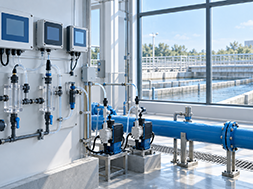
Xiuba chlorine dioxide can be used for advanced treatment of polluted water source. The front end pre oxidizes the odorant, iron and manganese, and the dosage is determined by test; The terminal disinfection shall comply with the requirements of the national standard to ensure the contact time and water margin. The product covers a variety of dosage forms and supporting equipment, which should be selected according to the national standard. Double dosing points are set, and the equipment is equipped with metering, monitoring and alarm functions to control the total dosage, monitor disinfection by-products, and ensure the water quality treatment effect by relying on detection test and whole process monitoring.
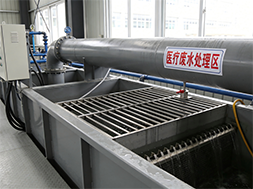
Regarding the control of hydrochloric acid and sodium chlorate raw materials for chlorine dioxide generators in hospital wastewater treatment, the quality requirements of raw materials are clearly defined in accordance with national standards such as GB28931-2024. On-site rapid acceptance can be carried out through visual inspection, odor identification, specific gravity and pH testing, and small-scale reaction. By implementing management measures such as raw material registration and sampling, separate storage, regular equipment cleaning, and monitoring of operating parameters, the disinfection effect can be stabilized, and cost reduction and efficiency improvement can be achieved.
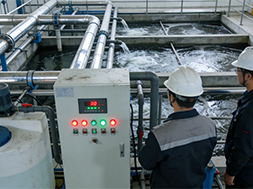
Hospital wastewater is prone to producing byproducts and residual resistant pathogens when disinfected alone. A chlorine dioxide-ozone-ultraviolet coupling process can be used for deep treatment. Chlorine dioxide is the main disinfection unit, ozone degrades recalcitrant pollutants, and ultraviolet light is used for final control. With the help of online monitoring, the reagents and energy consumption can be intelligently adjusted to balance treatment effect and cost. In the future, it will develop towards big data AI automatic control.
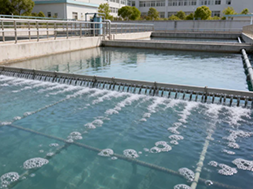
Sodium thiosulfate and other reducing substances in hospital wastewater may rapidly consume chlorine dioxide, leading to insufficient residual chlorine and reduced disinfection intensity in some areas. Solving this type of "disinfection gap" problem cannot rely solely on increasing the dosage. Instead, it requires a comprehensive disinfection assurance system built through measures such as source identification, homogenization adjustment, optimized mixing, rational dosage, upgraded monitoring, and supplementary disinfection.
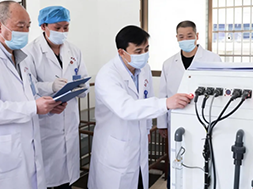
Chlorine dioxide kills bacteria through multi-target oxidation, and theoretically, it is unlikely to produce drug-resistant bacteria. However, long-term sublethal low-dose disinfection of wastewater systems can screen out resistant microorganisms, leading to bacterial succession. In such cases, it may be necessary to increase CT disinfection parameters to achieve the desired disinfection effect. The risk of increased microbial tolerance and the effectiveness of hospital wastewater disinfection can be mitigated by ensuring sufficient dosage and contact time, avoiding prolonged low-dose operation, combining UV/ozone disinfection, proper wastewater pretreatment, and regular monitoring of water quality microorganisms.
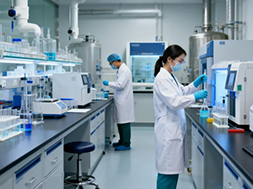
When chlorine dioxide is used to disinfect hospital wastewater, short-circuiting and disinfection dead zones can easily occur due to the short half-life of the agent. A three-stage mixing process, consisting of pipeline premixing, inlet enhanced mixing, and in-tank flow guidance, combined with an online intelligent control system and standardized equipment selection and daily operation and maintenance, can be used to achieve rapid and uniform distribution of chlorine dioxide in wastewater and ensure the disinfection effect of hospital wastewater.
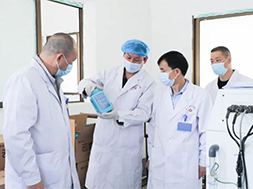
When hospital wastewater is disinfected with chlorine dioxide, pH directly affects the disinfection effect. The pH needs to be maintained within the range of 6.0–8.5. Water quality is controlled through monitoring, intelligent dosing, and coordinated regulation of upstream processes to ensure stable discharge compliance and save operating costs.
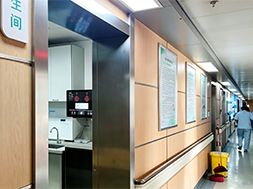
Excessive ammonia nitrogen in hospital wastewater stems from four main issues: pretreatment, biochemical processes, water volume, and process technology. This article provides a complete solution encompassing pretreatment, biochemical optimization, advanced treatment, and emergency nitrogen reduction, balancing stable compliance with operating costs, and simultaneously promoting solutions from chlorine dioxide disinfectant manufacturers.
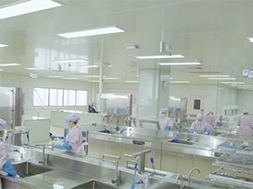
Abnormalities in hospital wastewater biochemical systems can lead to elevated COD and ammonia nitrogen levels, excessive consumption of chlorine dioxide causing disinfection failure, and posing a risk of pathogen leakage. This article introduces six emergency response measures and a corresponding long-term management plan to ensure wastewater meets discharge standards and safeguard public health and environmental safety.
Northeast of Huangshan Road and Chuangye Intersection, Small and Medium sized Enterprise Entrepreneurship Industrial Park, Shanwang Town, Linqu County, Weifang City, Shandong Province
Copyright © 2025 by Shandong Huashi Pharmaceutical Co., Ltd All Rights Reserved


 Language
 中文
中文 Русский
 Chlorine Dioxide Disinfectant Manufacturer


