Welcome to Our Factory for a Visit! Free customized disinfection solutions
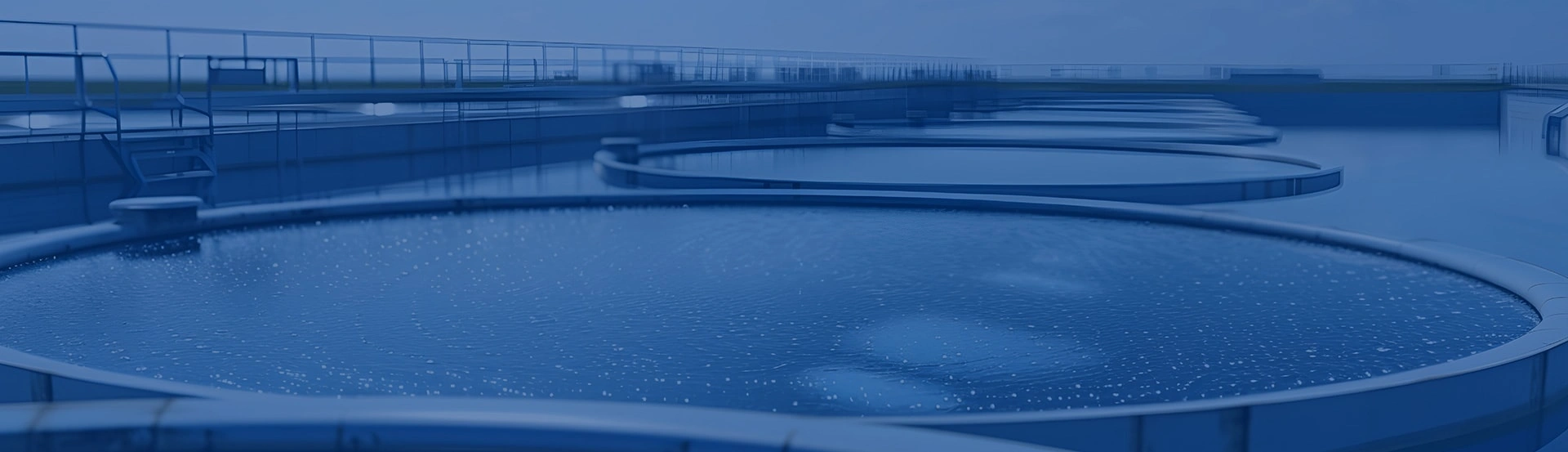
The surrounding area of hospital sewage treatment is more unique compared to other areas, which is reflected in the fact that ecological protection zones cannot be established and cannot become a direct source of domestic water. The composition of hospital wastewater is too complex: many pathogens, microorganisms, various chemical agents, and other high concentration components are included. Is routine monitoring of residual chlorine and fecal coliforms sufficient? And are other byproducts that are easily generated during disinfection included? Do many quantitative indicators need to be incorporated into the daily monitoring system when implemented in specific processing mechanisms? After all, these existences are inherently destructive and threatening, causing anxiety.
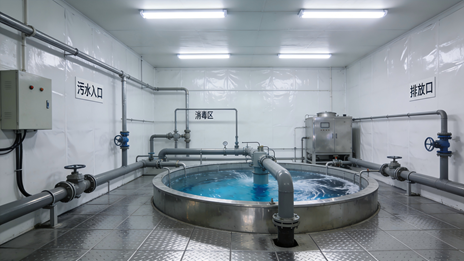
1、 Safety testing and selection of residual substances (chlorite and chlorite)
The mechanism of chlorine dioxide disinfection, in simple and understandable terms, is the physical destruction of microbial cell structure. When exposed to organic compounds or photocatalysts, it will quickly disintegrate, which is the specific reason why storage needs to be cool and sealed. So, this physical working principle may actually involve the generation of chlorite and chlorate due to some operational issues.
Related toxicological studies have shown that water containing chlorite can cause oxidative stress damage to oxygen rich organisms in the water. According to research data, the half effect concentration (EC50) of chlorite on large fleas is only 0.36mg/L (the original chlorine dioxide toxicity is even lower than 0.09mg/L at EC50), indicating that even trace amounts pose a lethal threat to aquatic invertebrates.
Long term exposure to chlorite and chlorite in water bodies rich in fish and aquatic plants can easily lead to growth inhibition, reproductive disorders, and even population decline, causing sustained damage to ecological imbalances.

2、 Monitoring blind spots for compliant emissions: whether ecological security is the goal
The conventional testing indicators for domestic hospital sewage treatment mainly include microbial indicators and several conventional physical and chemical indicators, such as the number of fecal coliforms COD、SS、 Ammonia nitrogen. Whether the water is safe enough and whether the residual chlorine meets the standard should be the key core elements.
In fact, chlorine dioxide is not toxic, and different processes can cause acute poisoning reactions after effluent treatment. Even if fecal coliforms are completely eliminated, the overall biological toxicity at the effluent is mainly increased by the presence of by-products, which has nothing to do with the efficiency of chlorine dioxide disinfection.
It is of great practical significance to increase by-product detection indicators and biological toxicity testing for hospital sewage treatment stations that gather sensitive water bodies and ecological protection areas in the surrounding area, for the stability of the surrounding ecology.
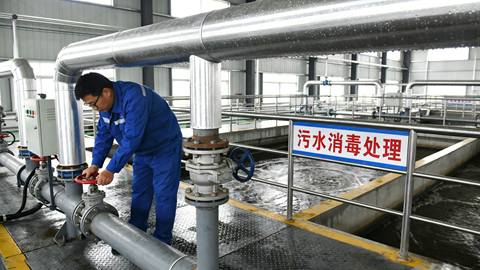
3、 Practical tip: Building a hierarchical monitoring system
So, how to achieve effective protection of sensitive water bodies under the premise of controllable costs? Here we propose a practical approach for a hierarchical monitoring system, which can serve as a reference for hospital managers and environmental peers.
Level 1: Risk source screening (quarterly)
The complete monitoring of chlorine dioxide may not be possible, but it can be appropriately or reasonably formulated according to actual needs. Controlling the pace mainly depends on the principle of setting the risk screening cycle:
1. Determine the properties of the receiving water body: within 3 kilometers upstream or 10 kilometers downstream of the outlet,
A more reasonable approach is to conduct targeted monitoring based on whether the water bodies in specific areas belong to nature reserves or wetland parks.
2. Determination of dilution ability: Connecting the outlet to the water source area does not necessarily mean that dilution can be easily achieved. This requires scientific estimation of dilution ratio. Especially for calm lakes with slow water flow, it is easy to not dilute quickly, resulting in an increase in toxicity risk values within a certain range. Even if it spreads completely, it cannot avoid causing certain damage.
Focusing on the water storage area as the research object is more reasonable for targeted consideration and avoidance.
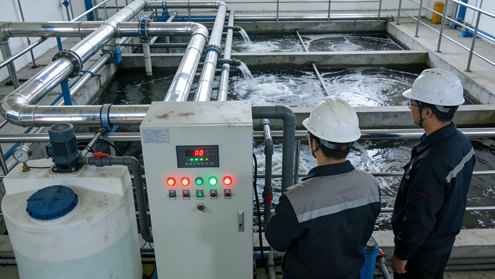
Level 2: Chemical monitoring of by-products (once every six months)
Add two key indicators to the regular monitoring table:
1. Chlorite: mainly monitored and traced with chlorine dioxide, once identified, the dosage of disinfectant can be directly regulated.
2. Chlorate: This is often present in unqualified chlorine dioxide raw materials, and is only produced after stable chlorine dioxide is mixed in the solution. Whether these two situations are safe is crucial.
The national standard for hospital sewage can currently refer to the limit values for chlorite (0.7mg/L) and chlorate (0.7mg/L) in the "Sanitary Standards for Drinking Water" for control. Actual monitoring is matched according to specific local standards, with strict restrictions and safe handling.
Level 3: Biological toxicity testing (once a year or emergency assessment)
Chemical indicators are only a result and cannot intuitively quantify the additional derivative effects of mixed pollutants. Biological toxicity testing based on the principle of water quality safety provides more comprehensive results.
1. Rapid testing method: Acute toxicity testing method can use luminescent bacteria such as Vibrio fischeri to conduct biological physiological response light testing. It is easy to operate and cost-effective, and can also maintain toxicity control monitoring for 24 hours.
2. Biological indicator method: Select large fleas or green algae organisms to directly monitor the growth and changes of water content in water quality.
3. Practical tip: When there are obvious indicators exceeding the standard or a large number of unknown aggregates, biological toxicity testing must be carried out to trace which link the toxic products belong to.
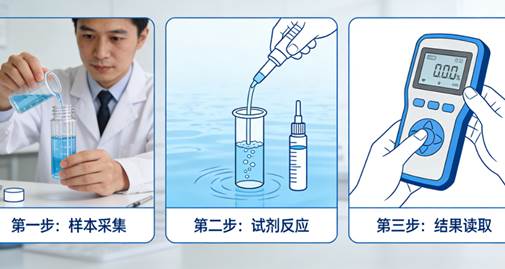
Level 4: Process Optimization and Source Reduction (Throughout)
The ultimate goal of monitoring is control. The following measures can be taken to address the issue of by-products:
Monitoring is a regulatory process in the system. The issue of by-products is also a unit that is prone to problems in sewage treatment discharge. The following measures can be implemented for monitoring:
1. Precise dosing control: Excessive dosing can cause excessive residual chlorine. To avoid residual chlorine problems, it is necessary to accurately control the dosage based on both water quantity and quality data.
2. Strong removal in the pre-processing front-end: Secondary biological treatment is used to reduce the burden of disinfection by-products, which is more conducive to reducing COD and ammonia nitrogen concentrations in water.
3. Terminal dechlorination/reduction: Placing the ferrous reduction process between the contact range of sensitive water bodies can effectively reduce the low toxicity of chlorite and reduce it to chloride ions for hydrolysis and release.
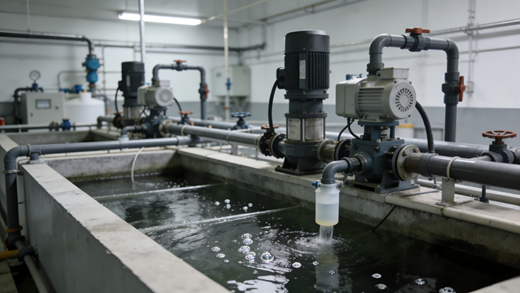
Hospital sewage treatment should be guided by the prevention of the spread of infectious diseases, and this pre quantitative standard implies responsibility for ecological health. Every water source is precious, and we cannot ignore a part of that effective resource just because it is small and insufficient. Build a strong defense line in advance to avoid greater ecological damage and the torment of long-term restoration. Prevention is the best medicine in hospitals, and the same goes for water treatment prevention and treatment. What do you think?
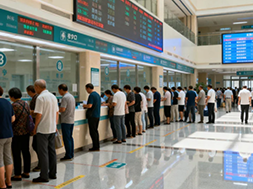
The tidal discharge of hospital outpatient sewage leads to frequent on-off of chlorine dioxide disinfection system, posing efficiency, equipment and safety hazards. Relying on five layers of protection to ensure operational safety, cooperating with operation and maintenance measures such as phased operation, encrypted maintenance, and optimized drug supply, adjusting start and stop times reasonably, improving sewage disinfection efficiency, and building a solid public health defense line.
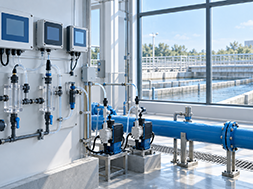
Xiuba chlorine dioxide can be used for advanced treatment of polluted water source. The front end pre oxidizes the odorant, iron and manganese, and the dosage is determined by test; The terminal disinfection shall comply with the requirements of the national standard to ensure the contact time and water margin. The product covers a variety of dosage forms and supporting equipment, which should be selected according to the national standard. Double dosing points are set, and the equipment is equipped with metering, monitoring and alarm functions to control the total dosage, monitor disinfection by-products, and ensure the water quality treatment effect by relying on detection test and whole process monitoring.
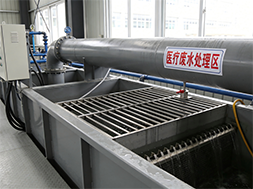
Regarding the control of hydrochloric acid and sodium chlorate raw materials for chlorine dioxide generators in hospital wastewater treatment, the quality requirements of raw materials are clearly defined in accordance with national standards such as GB28931-2024. On-site rapid acceptance can be carried out through visual inspection, odor identification, specific gravity and pH testing, and small-scale reaction. By implementing management measures such as raw material registration and sampling, separate storage, regular equipment cleaning, and monitoring of operating parameters, the disinfection effect can be stabilized, and cost reduction and efficiency improvement can be achieved.
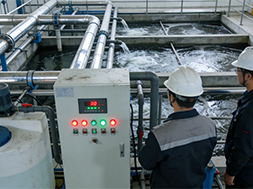
Hospital wastewater is prone to producing byproducts and residual resistant pathogens when disinfected alone. A chlorine dioxide-ozone-ultraviolet coupling process can be used for deep treatment. Chlorine dioxide is the main disinfection unit, ozone degrades recalcitrant pollutants, and ultraviolet light is used for final control. With the help of online monitoring, the reagents and energy consumption can be intelligently adjusted to balance treatment effect and cost. In the future, it will develop towards big data AI automatic control.
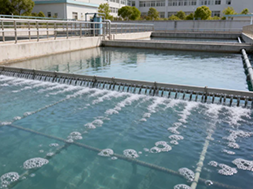
Sodium thiosulfate and other reducing substances in hospital wastewater may rapidly consume chlorine dioxide, leading to insufficient residual chlorine and reduced disinfection intensity in some areas. Solving this type of "disinfection gap" problem cannot rely solely on increasing the dosage. Instead, it requires a comprehensive disinfection assurance system built through measures such as source identification, homogenization adjustment, optimized mixing, rational dosage, upgraded monitoring, and supplementary disinfection.
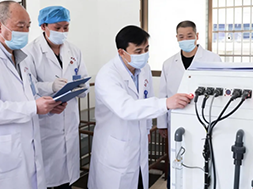
Chlorine dioxide kills bacteria through multi-target oxidation, and theoretically, it is unlikely to produce drug-resistant bacteria. However, long-term sublethal low-dose disinfection of wastewater systems can screen out resistant microorganisms, leading to bacterial succession. In such cases, it may be necessary to increase CT disinfection parameters to achieve the desired disinfection effect. The risk of increased microbial tolerance and the effectiveness of hospital wastewater disinfection can be mitigated by ensuring sufficient dosage and contact time, avoiding prolonged low-dose operation, combining UV/ozone disinfection, proper wastewater pretreatment, and regular monitoring of water quality microorganisms.
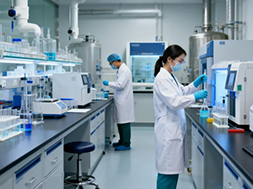
When chlorine dioxide is used to disinfect hospital wastewater, short-circuiting and disinfection dead zones can easily occur due to the short half-life of the agent. A three-stage mixing process, consisting of pipeline premixing, inlet enhanced mixing, and in-tank flow guidance, combined with an online intelligent control system and standardized equipment selection and daily operation and maintenance, can be used to achieve rapid and uniform distribution of chlorine dioxide in wastewater and ensure the disinfection effect of hospital wastewater.
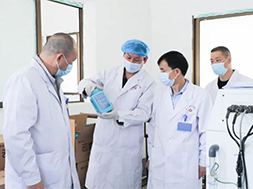
When hospital wastewater is disinfected with chlorine dioxide, pH directly affects the disinfection effect. The pH needs to be maintained within the range of 6.0–8.5. Water quality is controlled through monitoring, intelligent dosing, and coordinated regulation of upstream processes to ensure stable discharge compliance and save operating costs.
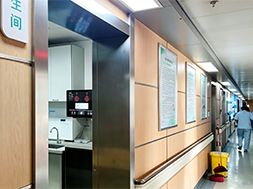
Excessive ammonia nitrogen in hospital wastewater stems from four main issues: pretreatment, biochemical processes, water volume, and process technology. This article provides a complete solution encompassing pretreatment, biochemical optimization, advanced treatment, and emergency nitrogen reduction, balancing stable compliance with operating costs, and simultaneously promoting solutions from chlorine dioxide disinfectant manufacturers.
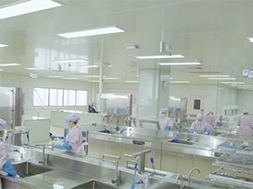
Abnormalities in hospital wastewater biochemical systems can lead to elevated COD and ammonia nitrogen levels, excessive consumption of chlorine dioxide causing disinfection failure, and posing a risk of pathogen leakage. This article introduces six emergency response measures and a corresponding long-term management plan to ensure wastewater meets discharge standards and safeguard public health and environmental safety.
Northeast of Huangshan Road and Chuangye Intersection, Small and Medium sized Enterprise Entrepreneurship Industrial Park, Shanwang Town, Linqu County, Weifang City, Shandong Province
Copyright © 2025 by Shandong Huashi Pharmaceutical Co., Ltd All Rights Reserved


 Language
 中文
中文 Русский
 Chlorine Dioxide Disinfectant Manufacturer


