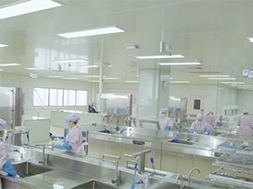
Welcome to Our Factory for a Visit! Free customized disinfection solutions
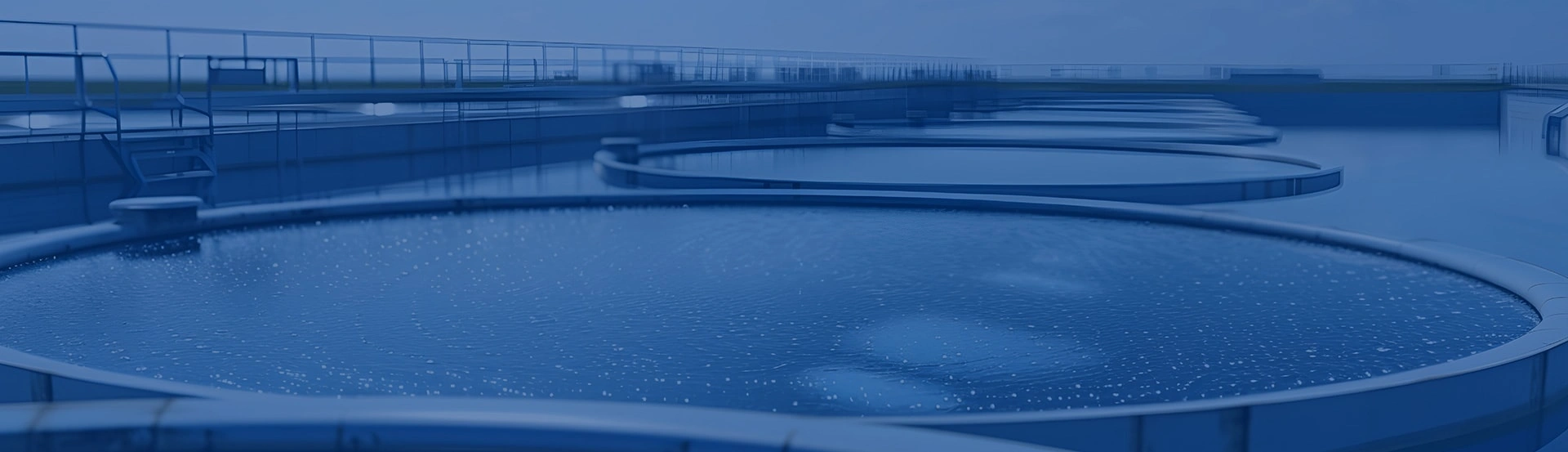
Do you know? The wastewater discharged from hospitals is fundamentally different from ordinary domestic wastewater. This type of wastewater contains harmful components such as pathogenic bacteria, viruses, and residual chemical agents, which are often difficult to detect with the naked eye. Once mishandled, it will lead to a series of serious problems.
Untreated hospital wastewater discharged directly poses a threat to the development of hospitals in multiple ways. In terms of legal compliance, those who violate relevant regulations may face administrative penalties, civil compensation, and in serious cases, criminal liability may also be pursued. In terms of reputation and brand, the public image has been damaged, the credibility of the industry has been weakened, and it has affected the number of medical visits and qualification recognition. The increase in operating costs requires bearing the costs of facility maintenance, environmental restoration, and other expenses, resulting in a large investment in compliance renovation. Medical services are affected and there are safety hazards that may lead to process interruptions. Stricter policy supervision and restricted development planning. It will also affect partner trust and talent attraction.
Hospital sewage, as one of the important channels for health and quarantine, if not treated properly, can cause a series of serious problems, and more seriously, threaten the health of surrounding residents, allowing diseases to spread silently. Such behavior of putting the cart before the horse must be strictly prevented and controlled, and its involvement in social health and safety hazards should not be underestimated. This is a systemic risk, with short-term economic losses and legal accountability, and long-term shaking of the foundation of survival. Therefore, sewage treatment needs to be included in core management.
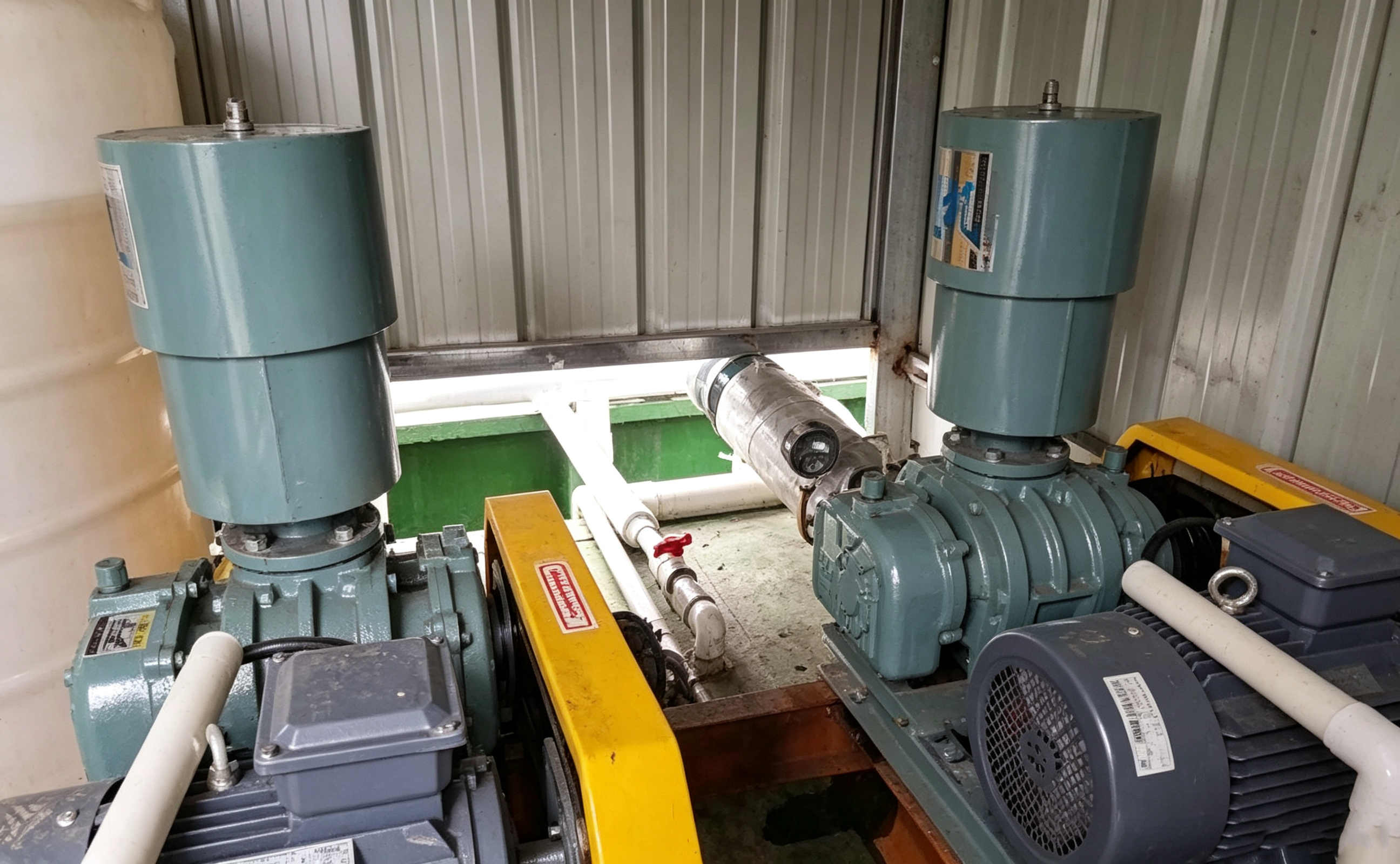
1、 The current situation of hospital sludge treatment: the tip of the iceberg in crisis
Nearly 40% of medical institutions' sewage treatment equipment is outdated, with low automation and stable operation like walking a tightrope. The lack of key processes from disinfection tanks to dehydration is like a weapon without a safety bolt. A large number of community clinics, small hospitals, and even basic treatment systems are not equipped, and the direct discharge of sludge is like laying "bacterial landmines" underground in the city. At the same time, medical institutions generally lack environmental protection technicians, equipment maintenance has become formalistic, and operation records are virtually non-existent. In addition, up to 60% of hospitals are facing the dilemma of skyrocketing treatment costs, while no one dares to guarantee the effectiveness of disinfection.
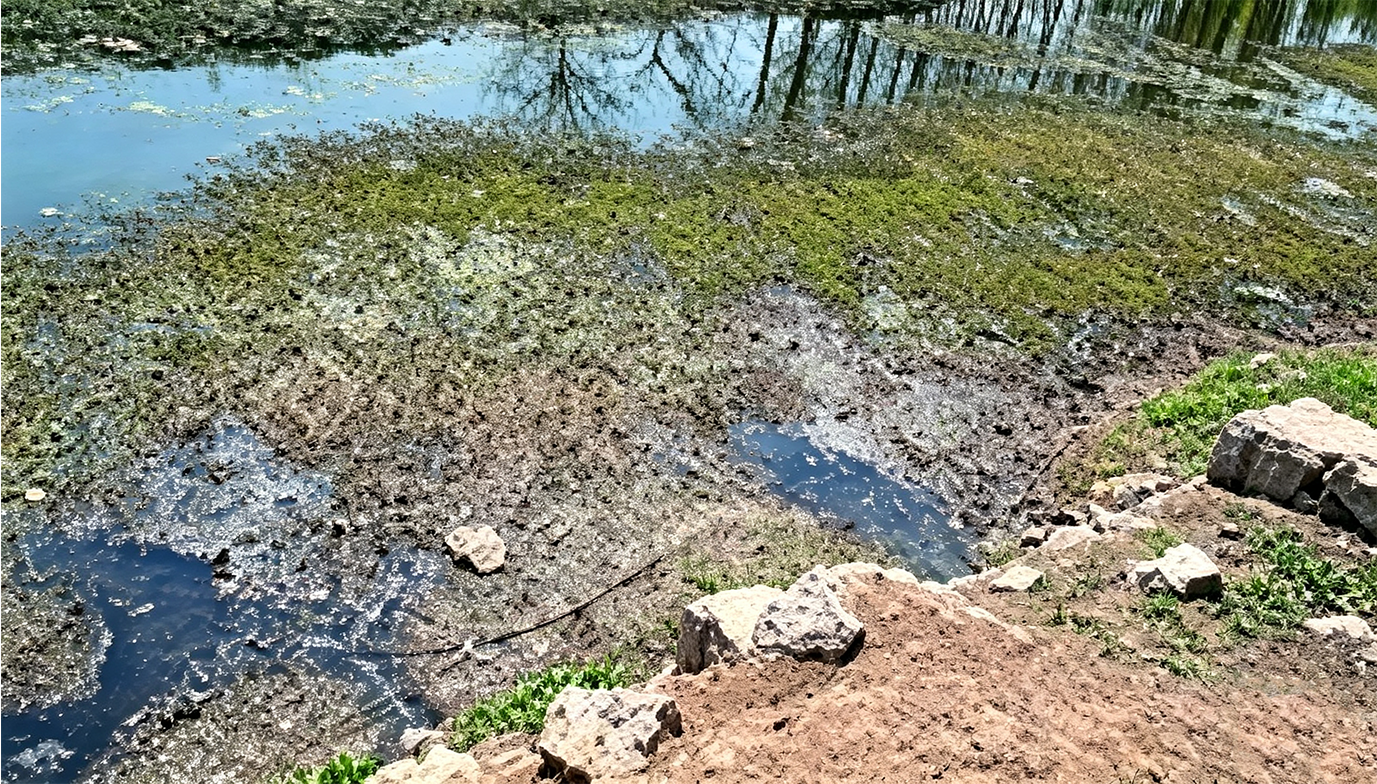
2. The Tragedy of Sludge: Invisible "Bacterial Bomb" and Critical Disinfection Barrier
The hazards of hospital sludge far exceed expectations. Each ton of sludge with 90% moisture content harbors millions of pathogenic microorganisms, including hepatitis B virus, Mycobacterium tuberculosis and even drug-resistant strains. Its concentrations of heavy metals and pharmaceutical residues are 5 to 8 times higher than those of domestic sludge. Classified as HW01 under the National Hazardous Waste List, it carries the same risk level as medical waste. Disinfection serves as the critical link to cut off pathogen transmission chains. For lime disinfection, lime shall be dosed at 15 g/L to raise the pH value to 11–12, followed by over 7 days of sealed retention. Bleaching powder solution shall be added at a volume ratio of 10%–15% to sludge under continuous stirring for 2 hours. Any negligence in operation will create disinfection blind spots and form mobile "bacterial culture dishes".
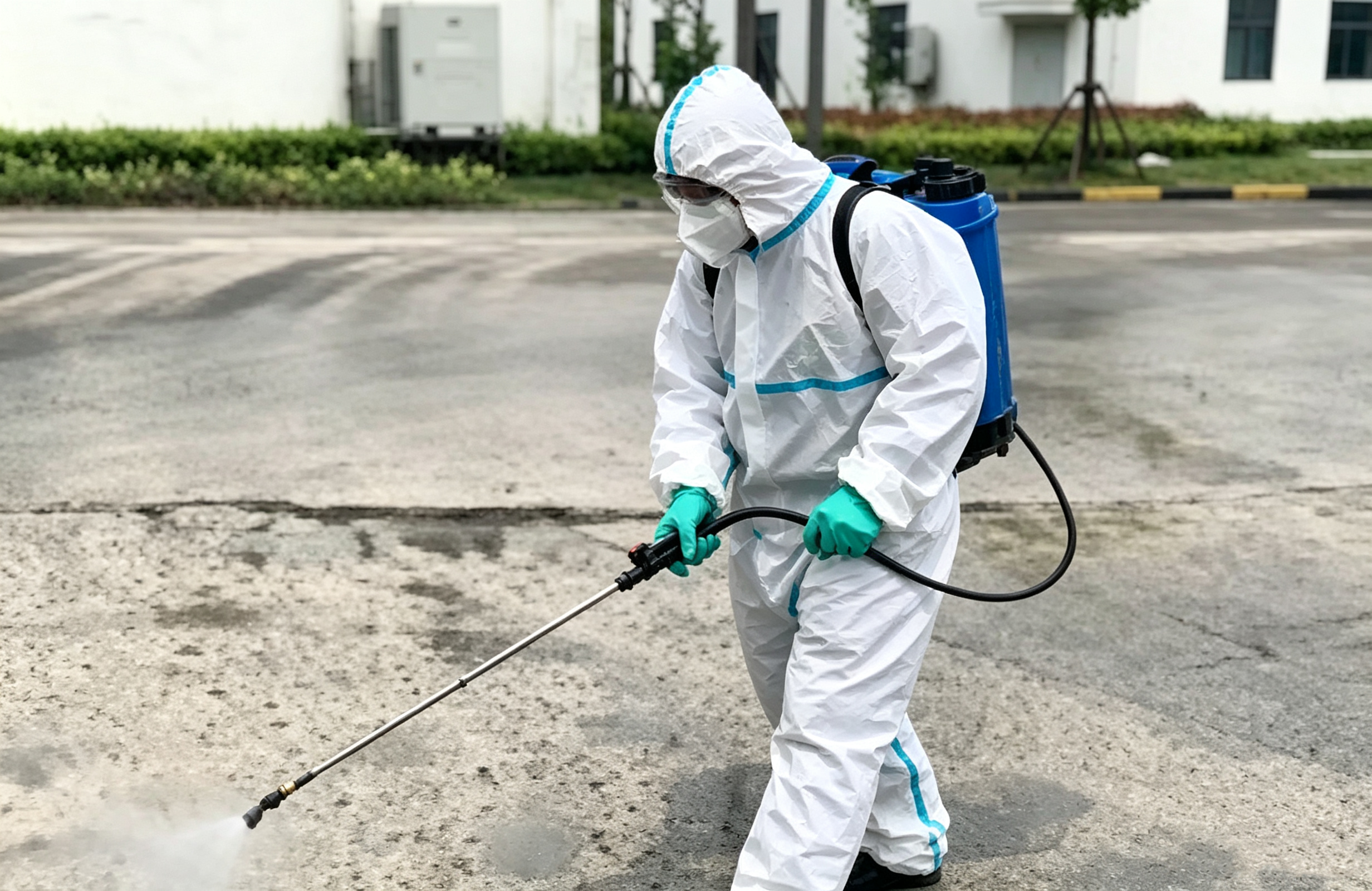
3. Dilemma of Traditional Treatment Solutions: A Tightrope Walk Between Cost and Risk
Current mainstream treatment processes are trapped in three core contradictions, and the four mainstream solutions all have inherent drawbacks:
Manual sodium hypochlorite dosing: Low cost and simple operation, adopted by small clinics with daily throughput below 5 tons. However, disinfection performance fluctuates drastically, and manual dosing errors frequently occur, leading to unstable and unreliable treatment results.
Automatic sodium hypochlorite equipment: Enables continuous operation and precise dosing, suitable for medium-sized hospitals with a daily treatment capacity of 50 tons. Nevertheless, the equipment suffers severe corrosion, high salt generation and high power consumption, bringing heavy long-term operating cost pressure.
Lime treatment: Though capable of simultaneous disinfection and dewatering, it easily causes equipment blockage and increases sludge volume by up to 30%. Obvious practical defects have rendered this method obsolete.
Centrifugal dewatering: High efficiency and small footprint, meeting the demands of large general hospitals. Yet it generates noise pollution that disturbs surrounding residents, accompanied by exorbitant maintenance costs. Frequent repairs further raise operational burdens.
These solutions all present conflicting pros and cons. Small-scale processes cannot guarantee stable disinfection effects; medium-sized equipment faces sustained cost pressure; phased-out technologies have prominent flaws; large-scale systems incur high operation and maintenance difficulty. All these issues hinder the efficient and stable operation of sludge disposal, creating an urgent demand for superior alternative technologies to break through bottlenecks. Worse still, the disposal cost of sludge with 80% moisture content is 2.3 times that of sludge at 60% moisture. Landfills rejecting high-moisture sludge have grown by 17% year on year.
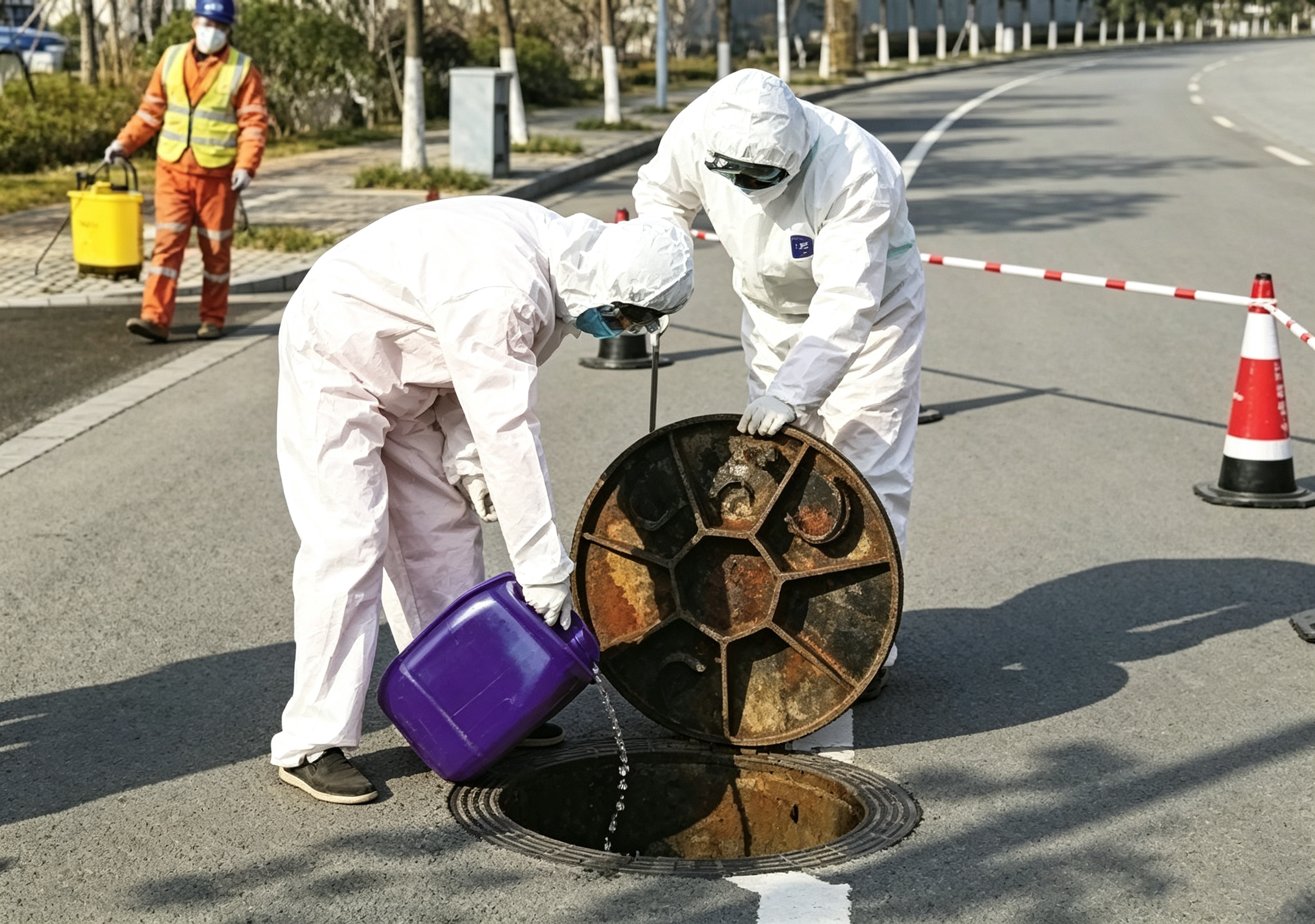
4. Breakthrough Solution: Four Core Steps to Build a Full Protective Barrier for Sludge Treatment
1. Upgrade of Biochemical Core Technology
The PPC bio-fluidized bed adopts porous biological sponge carriers with a specific surface area over 4,000 ㎡/m³. The biofilm formation speed is quadrupled, and residual sludge volume is reduced by 50%. MBR membrane technology forms a pathogen intercepting barrier with a pore size of 0.1 microns, delivering effluent turbidity close to drinking water standards.
2. Disinfectant Revolution
Using high-purity chlorine dioxide as the core and compounding stable efficiency enhancing factors, the sterilization rate reaches 99.99% within 30 minutes, which can kill bacteria, viruses, and other microorganisms of all lineages. Compared with traditional chlorine containing disinfectants, it has zero chlorine residue, decomposes only into sodium chloride and oxygen, and has no carcinogenic risk. Its strong oxidative effect destroys microbial nucleic acids, and its bactericidal ability is 2.6 times that of sodium hypochlorite, which is not affected by pH value. It has been included in the recommended disinfection standards and has become a new trend in green disinfection.
3. Dehydration and slimming surgery
In large hospitals, the screw stacking machine is the king of cost-effectiveness, with energy consumption 40% lower than that of centrifuges; Small institutions can construct anti-seepage mud storage tanks, which can be professionally transported by third parties to eliminate self disposal risks.
4. Cloud based intelligent control
Real time monitoring of IoT platform: real-time alarm for residual chlorine probe exceeding the standard; Automatic diagnosis of abnormal current in dehydrator; Handle electronic traceability of joint documents and plug loopholes in illegal dumping.
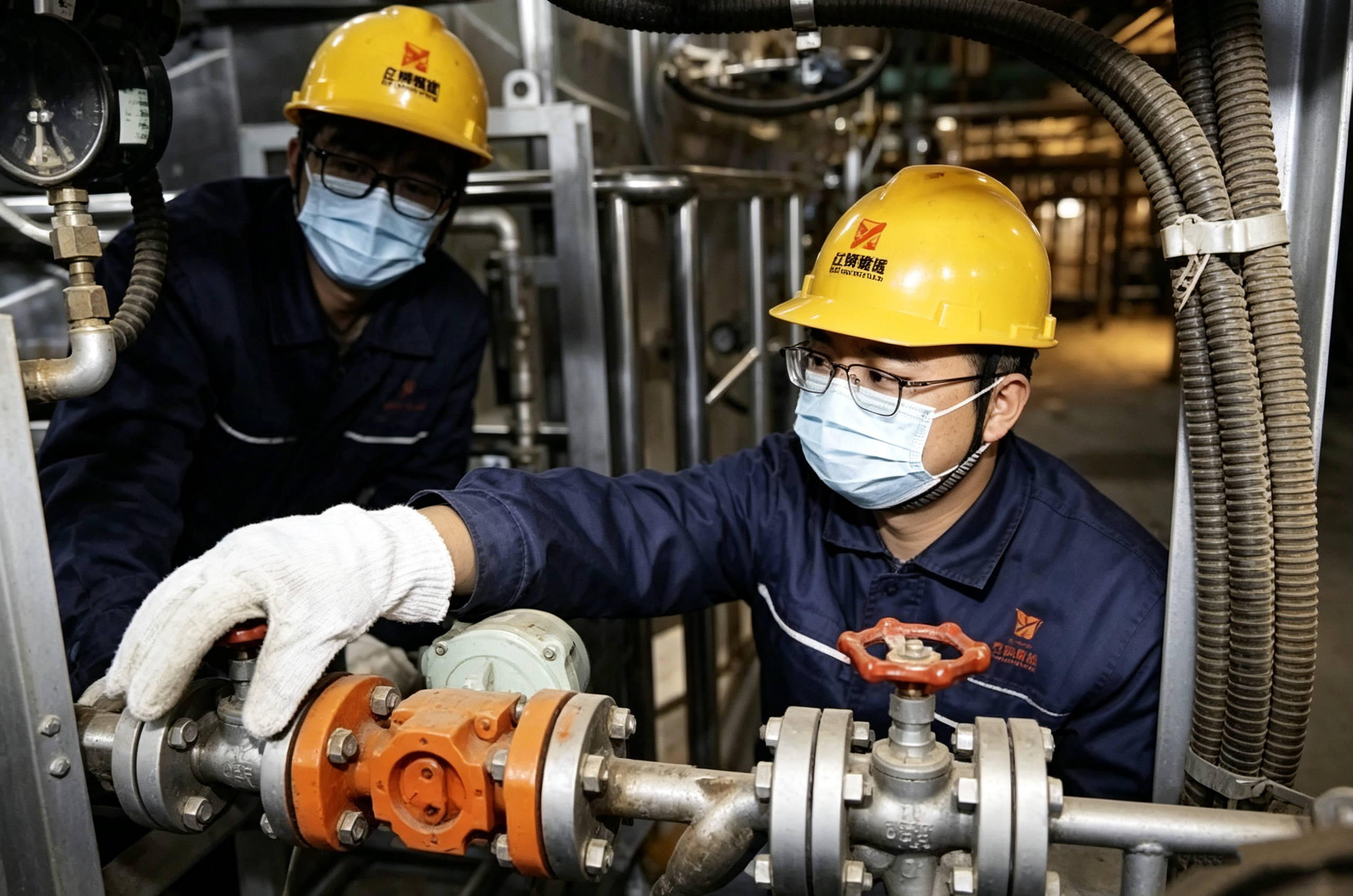
5、 Xiuba Plan: Adding Smart Locks to Hazardous Waste
When the industry is struggling with the efficacy of pharmaceuticals and equipment, the Xiuba Medical Sludge Disposal System has achieved a full chain closed-loop. The intelligent disinfection system adopts the high-efficiency chlorine dioxide disinfectant with the core formula of Xiuba, which has the characteristics of broad-spectrum sterilization. Combined with an intelligent chlorine dioxide generator, it can accurately control the concentration and reaction conditions of the disinfectant. By optimizing the fluid design and stirring process, it ensures sufficient mixing, and automatically labels and traces after sterilization meets the standard. The stacked screw dehydration tower adopts a 304 stainless steel anti-corrosion body, with no filter cloth design. The moisture content can be reduced to below 65% with one click, and the energy consumption is reduced by 50% compared to traditional equipment.
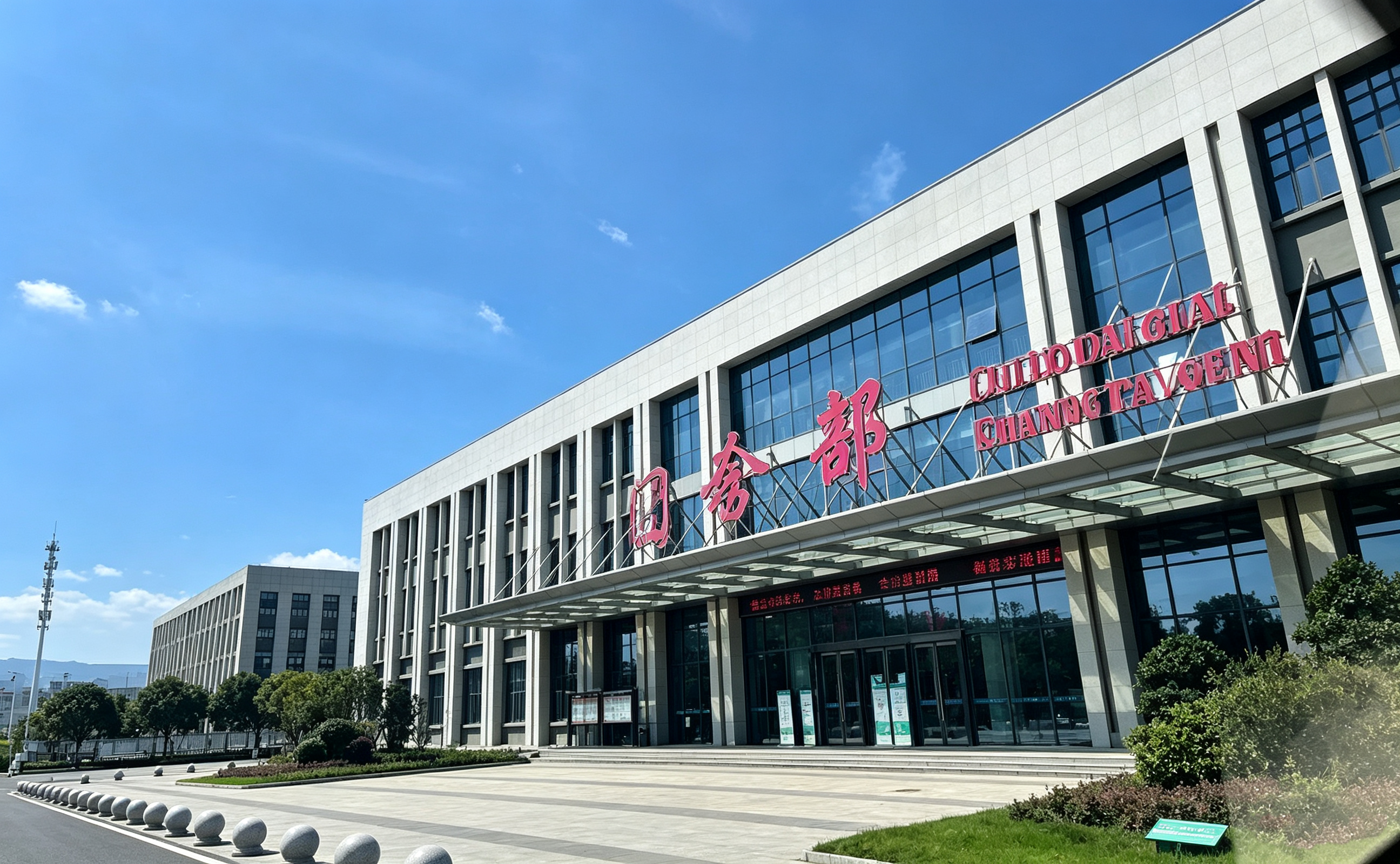
It is no longer necessary to worry about the sudden situation of the hospital drug-resistant sludge discharged directly into the rainwater pipe due to rainstorm. Through the hospital sludge intelligent disposal system, what beats on the monitoring screen is no longer the red warning, but the sludge reduction curve and the balance of the ecological account. In the coordinate system of smart water, safety and efficiency finally find the golden intersection.
The tidal discharge of hospital outpatient sewage leads to frequent on-off of chlorine dioxide disinfection system, posing efficiency, equipment and safety hazards. Relying on five layers of protection to ensure operational safety, cooperating with operation and maintenance measures such as phased operation, encrypted maintenance, and optimized drug supply, adjusting start and stop times reasonably, improving sewage disinfection efficiency, and building a solid public health defense line.
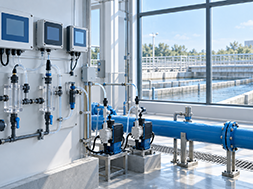
Xiuba chlorine dioxide can be used for advanced treatment of polluted water source. The front end pre oxidizes the odorant, iron and manganese, and the dosage is determined by test; The terminal disinfection shall comply with the requirements of the national standard to ensure the contact time and water margin. The product covers a variety of dosage forms and supporting equipment, which should be selected according to the national standard. Double dosing points are set, and the equipment is equipped with metering, monitoring and alarm functions to control the total dosage, monitor disinfection by-products, and ensure the water quality treatment effect by relying on detection test and whole process monitoring.
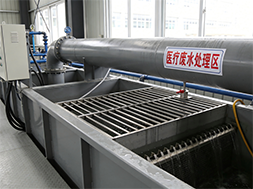
Regarding the control of hydrochloric acid and sodium chlorate raw materials for chlorine dioxide generators in hospital wastewater treatment, the quality requirements of raw materials are clearly defined in accordance with national standards such as GB28931-2024. On-site rapid acceptance can be carried out through visual inspection, odor identification, specific gravity and pH testing, and small-scale reaction. By implementing management measures such as raw material registration and sampling, separate storage, regular equipment cleaning, and monitoring of operating parameters, the disinfection effect can be stabilized, and cost reduction and efficiency improvement can be achieved.
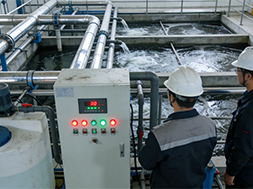
Hospital wastewater is prone to producing byproducts and residual resistant pathogens when disinfected alone. A chlorine dioxide-ozone-ultraviolet coupling process can be used for deep treatment. Chlorine dioxide is the main disinfection unit, ozone degrades recalcitrant pollutants, and ultraviolet light is used for final control. With the help of online monitoring, the reagents and energy consumption can be intelligently adjusted to balance treatment effect and cost. In the future, it will develop towards big data AI automatic control.
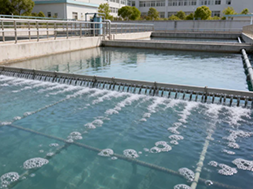
Sodium thiosulfate and other reducing substances in hospital wastewater may rapidly consume chlorine dioxide, leading to insufficient residual chlorine and reduced disinfection intensity in some areas. Solving this type of "disinfection gap" problem cannot rely solely on increasing the dosage. Instead, it requires a comprehensive disinfection assurance system built through measures such as source identification, homogenization adjustment, optimized mixing, rational dosage, upgraded monitoring, and supplementary disinfection.
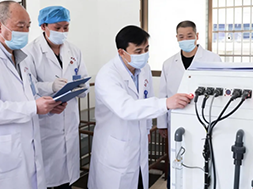
Chlorine dioxide kills bacteria through multi-target oxidation, and theoretically, it is unlikely to produce drug-resistant bacteria. However, long-term sublethal low-dose disinfection of wastewater systems can screen out resistant microorganisms, leading to bacterial succession. In such cases, it may be necessary to increase CT disinfection parameters to achieve the desired disinfection effect. The risk of increased microbial tolerance and the effectiveness of hospital wastewater disinfection can be mitigated by ensuring sufficient dosage and contact time, avoiding prolonged low-dose operation, combining UV/ozone disinfection, proper wastewater pretreatment, and regular monitoring of water quality microorganisms.
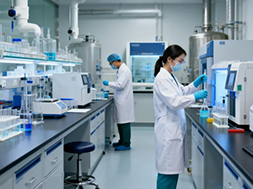
When chlorine dioxide is used to disinfect hospital wastewater, short-circuiting and disinfection dead zones can easily occur due to the short half-life of the agent. A three-stage mixing process, consisting of pipeline premixing, inlet enhanced mixing, and in-tank flow guidance, combined with an online intelligent control system and standardized equipment selection and daily operation and maintenance, can be used to achieve rapid and uniform distribution of chlorine dioxide in wastewater and ensure the disinfection effect of hospital wastewater.
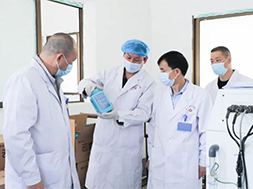
When hospital wastewater is disinfected with chlorine dioxide, pH directly affects the disinfection effect. The pH needs to be maintained within the range of 6.0–8.5. Water quality is controlled through monitoring, intelligent dosing, and coordinated regulation of upstream processes to ensure stable discharge compliance and save operating costs.
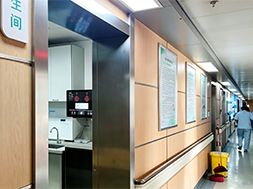
Excessive ammonia nitrogen in hospital wastewater stems from four main issues: pretreatment, biochemical processes, water volume, and process technology. This article provides a complete solution encompassing pretreatment, biochemical optimization, advanced treatment, and emergency nitrogen reduction, balancing stable compliance with operating costs, and simultaneously promoting solutions from chlorine dioxide disinfectant manufacturers.
Abnormalities in hospital wastewater biochemical systems can lead to elevated COD and ammonia nitrogen levels, excessive consumption of chlorine dioxide causing disinfection failure, and posing a risk of pathogen leakage. This article introduces six emergency response measures and a corresponding long-term management plan to ensure wastewater meets discharge standards and safeguard public health and environmental safety.
Northeast of Huangshan Road and Chuangye Intersection, Small and Medium sized Enterprise Entrepreneurship Industrial Park, Shanwang Town, Linqu County, Weifang City, Shandong Province
Copyright © 2025 by Shandong Huashi Pharmaceutical Co., Ltd All Rights Reserved


 Language
 中文
中文 Русский
 Chlorine Dioxide Disinfectant Manufacturer


