Welcome to Our Factory for a Visit! Free customized disinfection solutions

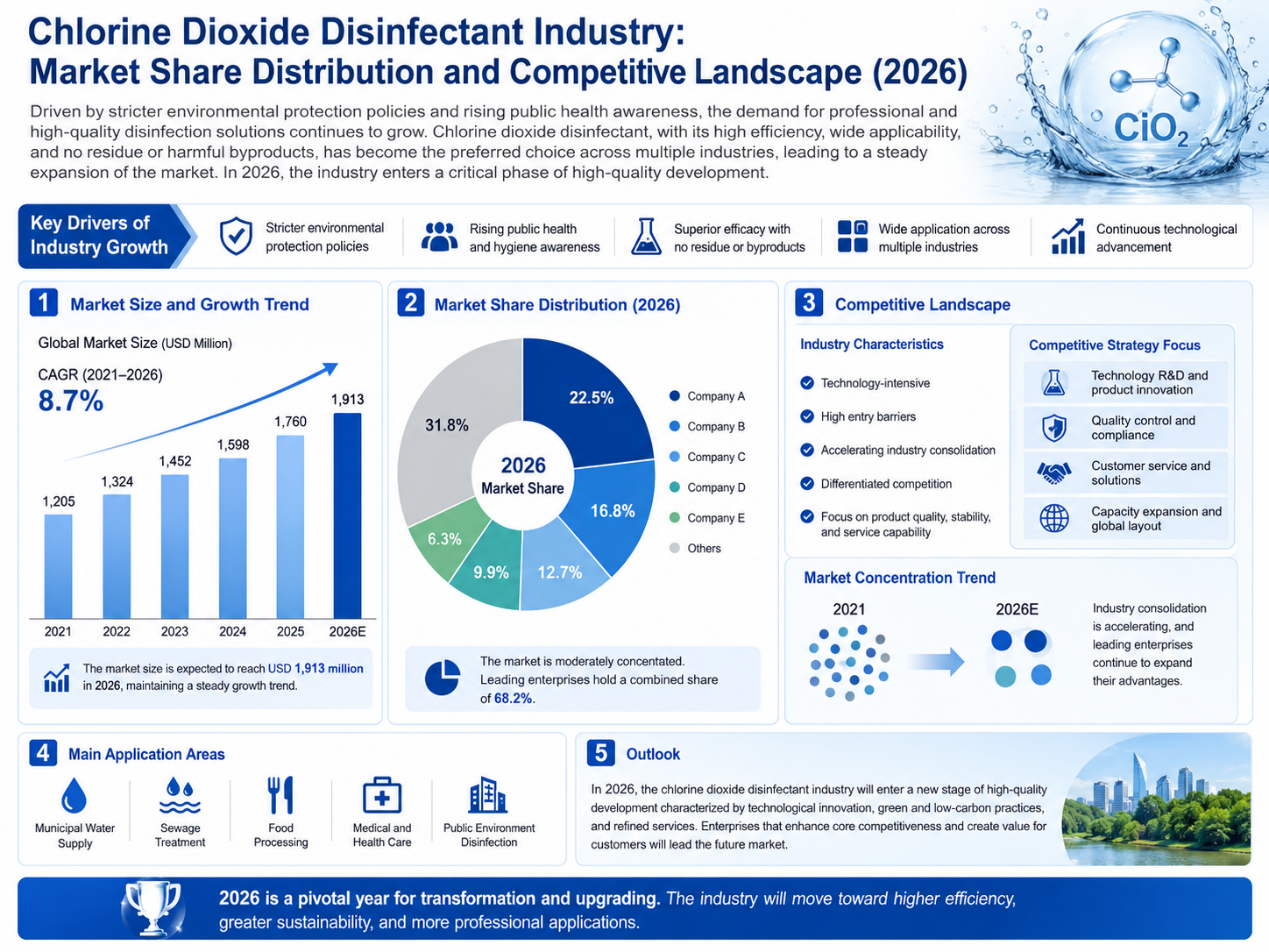
In recent years, domestic environmental protection policies have become increasingly stringent, and the public's awareness of public health and disease prevention has been continuously improving. Various industries are no longer demanding simple, basic disinfection, but rather a more professional and sophisticated approach. In this market environment, chlorine dioxide disinfectant, due to its high disinfection efficiency, wide applicability, and lack of residue and harmful byproducts, has become a commonly used product in municipal water supply, sewage treatment, food processing, medical and health care, and public environmental disinfection. Driven by these favorable conditions, the industry's market size has steadily grown. However, with continuous technological updates, accelerated industry consolidation, and changes in market demand, the competitive landscape of chlorine dioxide disinfectant has also undergone significant changes. 2026 is a crucial year for this industry's transformation towards high-quality development. The current market share distribution and competitive landscape not only directly reflect the industry's current development status but also predict future trends.
I. Overall Characteristics of China's Chlorine Dioxide Disinfectant Market Share in 2026
(i) The market size has grown steadily, but there are significant differences in market share among different product categories.
In 2026, the domestic chlorine dioxide disinfectant market maintained steady growth. The water treatment industry continued to promote standardization and upgrading, the food processing industry became increasingly strict in its food safety controls, and the public health sector's demand for routine disinfection further contributed to a significant increase in the overall market size compared to previous years. Looking at the market share of different product categories, powder and tablet chlorine dioxide disinfectants, due to their ease of transportation and simple operation, are suitable for the disinfection needs of small and medium-sized enterprises and grassroots sites, accounting for over 60% of the overall market share and are the mainstream choice for civilian disinfection. Stable chlorine dioxide solutions, with their high purity and stable disinfection effect, are mostly used in large-scale sewage treatment plants, municipal water supply systems, and large food processing enterprises, accounting for about 30% of the market share. Disinfectants配套 with chlorine dioxide generators, mainly used in conjunction with equipment to form integrated disinfection solutions, are generally used in large-scale industrial water treatment and environmental disinfection, accounting for about 10% of the market share. Moreover, with the intelligent upgrading of generator equipment, the market share of this category is gradually increasing.
(ii) The regional market is unevenly distributed, showing characteristics of strong in the east and weak in the west , and north-south differentiation.
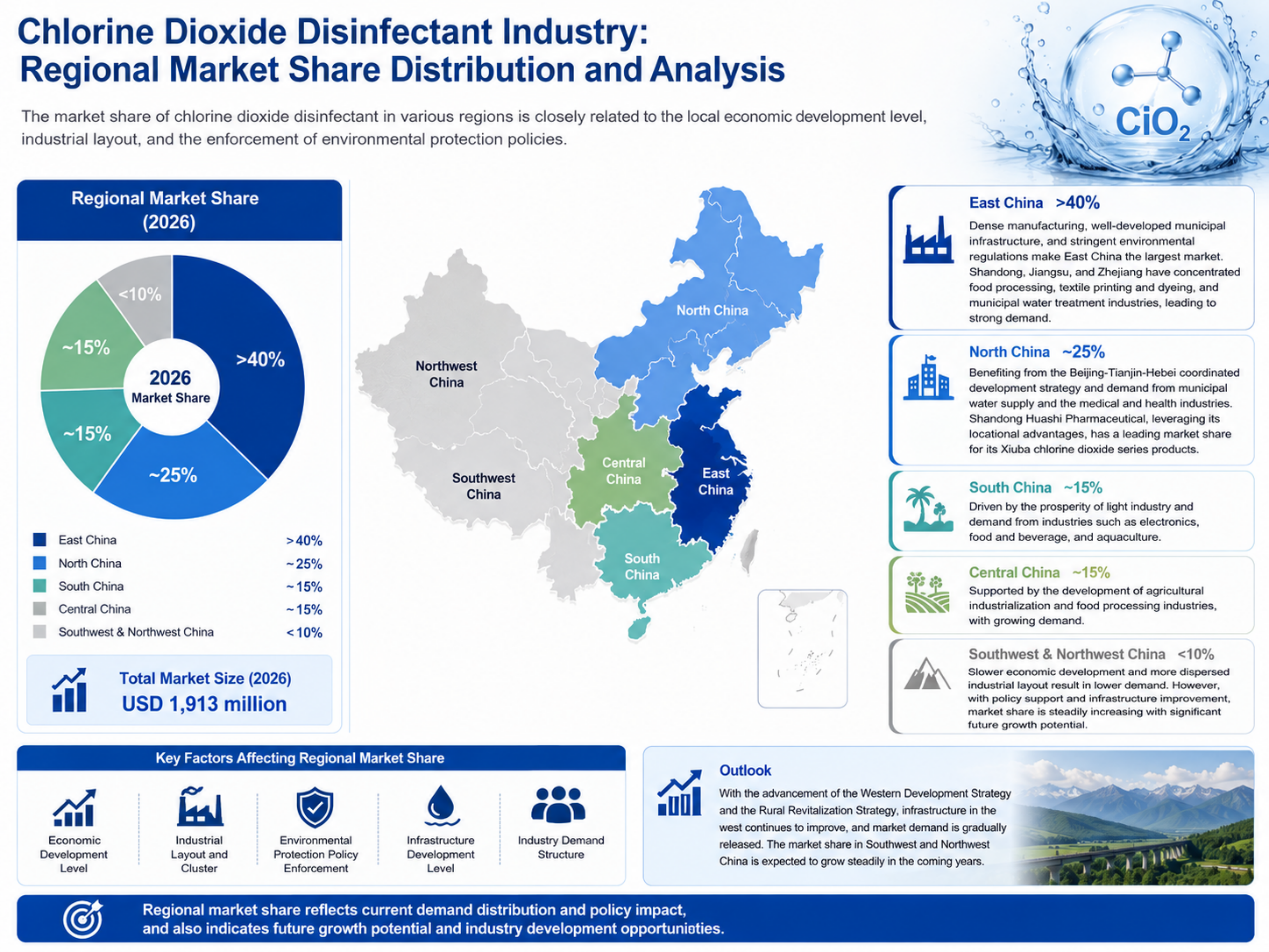
The market share of chlorine dioxide disinfectant in various regions is closely related to the local economic development level, industrial layout, and the enforcement of environmental protection policies. East China, with its dense manufacturing sector, well-developed municipal infrastructure, and stringent environmental regulations, has become a major consumer market for chlorine dioxide disinfectants in China , holding over 40% of the market share. Provinces like Shandong, Jiangsu, and Zhejiang, with their concentrated food processing, textile printing and dyeing, and municipal water treatment industries, have particularly high demand for this type of disinfectant. North China, benefiting from the environmental protection plans of the Beijing-Tianjin-Hebei coordinated development strategy, coupled with demand from municipal water supply and the medical and health industries , holds a market share of around 25%. Shandong Huashi Pharmaceutical, leveraging its locational advantages, has a leading market share for its Xiuba chlorine dioxide series products in North China. South China and Central China, benefiting from the prosperity of light industry and the development of agricultural industrialization respectively, each hold approximately 15% of the market share. Southwest and Northwest China have a slower pace of economic development and a more dispersed industrial layout, resulting in relatively lower demand for chlorine dioxide disinfectants, with a combined market share of less than 10%. However, with the advancement of the Western Development Strategy and the Rural Revitalization Strategy, local infrastructure is continuously improving, and the market share in this region is gradually increasing, indicating significant future growth potential.
(III) The proportion of leading enterprises has increased, and small and medium-sized brands are focusing on regional niche markets.
In 2026, the market concentration of the chlorine dioxide disinfectant industry increased significantly compared to previous years. The top four companies accounted for approximately 30% of the market share, and the top eight companies accounted for approximately 45%, forming a pattern of "leading companies establishing nationwide presence, while smaller brands cultivate regional markets." Leading companies possess strong technological R&D capabilities, large production capacity, and comprehensive brand certifications, giving them an advantage in large-scale national bidding projects and cross-regional cooperation, leading to a continuous concentration of market share in their favor. Meanwhile, numerous smaller brands, leveraging local industrial resources and localized service advantages, have secured market share in local small-to-medium-sized disinfection projects and regional specialty industries, such as local aquaculture and small food processing plants, becoming an important supplement to these regional niche markets. Among them, Shandong Huashi Pharmaceutical, with both technological strength and a well-established regional market presence, has seen its Xiuba chlorine dioxide series products steadily increase their market share in multiple niche markets in North and East China, becoming a significant competitor among the industry's leading players.
II. Core Competitive Landscape of China's Chlorine Dioxide Disinfectant Industry in 2026
In 2026, the domestic chlorine dioxide disinfectant industry was mainly divided into three tiers of competitors. Each tier of companies occupied its corresponding market share by relying on its own core advantages. The competition in the industry was no longer simply about price, but had become a comprehensive competition of technology, products, services, and brands. The overall competitive landscape had also become more rational and professional.
(a) First Tier: National leading enterprises that lead the market through technology and brand
The first tier consists of nationally leading enterprises in the industry. These companies are large in scale, possess outstanding technological R&D capabilities, have well-established sales networks nationwide, and standardized after-sales service systems. Their products have passed multiple authoritative certifications from the US Environmental Protection Agency (EPA), the World Health Organization (WHO), and the Chinese Ministry of Health. They primarily participate in large-scale national municipal projects, cooperative projects with central and state-owned enterprises , and export products, collectively holding approximately 30% of the market share. Shandong Huashi Pharmaceutical is a typical example . For many years, it has focused on the R&D, production, and sales of chlorine dioxide disinfectants and related generators. Its Xiuba chlorine dioxide series products include multiple categories such as effervescent tablets, AB powder, and stable solutions. The production process uses sodium chlorate chemical technology, resulting in high raw material conversion rates and low energy consumption during equipment operation. The accompanying intelligent control system can monitor parameters in real time and achieve automatic adjustment, truly solving the industry problems of complex operation and poor stability of traditional disinfection products. It is suitable for various application scenarios such as small and medium-sized water treatment, food processing, and public environment disinfection. The core advantages of these companies lie in high-end technology research and development and nationwide brand influence. For example, they continuously make breakthroughs in technologies such as high-purity chlorine dioxide preparation and intelligent disinfection equipment. Moreover, they do not only provide customers with single disinfection products, but also create integrated disinfection solutions. Their product range is also very comprehensive, including powders, tablets, solutions, and generator-compatible agents. Although the prices are relatively high, they occupy an absolute dominant position in the high-end market due to their superior product quality and guaranteed service.
(ii) Second Tier: Regional Leading Enterprises, Breaking Through with Location and Product Category Advantages
The second tier primarily consists of leading companies in their respective regions. These companies focus on cultivating specific regional markets, possessing standardized production bases and professional R&D teams. They have significant technological advantages in core product categories and collectively hold approximately 35% of the market share. Leveraging their locational advantages, they have built efficient localized service systems, enabling them to quickly respond to various customer needs, customize product specifications according to customer requirements, and provide professional technical support. They have become the preferred partners for SMEs and local municipal projects within the region. Furthermore, most companies in the second tier have considerable production capacity and have obtained comprehensive industry certifications. These companies are also gradually expanding their market presence across regions , developing towards becoming national brands, and have become significant competitors to the first tier companies.
(III) Third Tier: Small and medium-sized enterprises, which mainly use price competition as their means.
The third tier comprises a large number of small and medium-sized enterprises (SMEs) in the industry. These companies are generally small in scale, lack strong R&D capabilities, and have relatively limited product ranges, primarily producing low-end chlorine dioxide powder and tablets. They lack core technologies and authoritative product certifications, and collectively account for about 35% of the market share. These SMEs are mostly located in areas where chlorine dioxide-related industries are concentrated. Relying on local raw material resources and low-cost production methods, they primarily compete on price, serving local small businesses and scattered grassroots disinfection needs. Product quality and after-sales service are relatively weak. With the further tightening of environmental policies and industry standards in 2026, those SMEs lacking compliant production capabilities are gradually being eliminated from the market, accelerating industry consolidation, and the market share of the third tier is slowly declining.
III. Core Competitive Dimensions of China's Chlorine Dioxide Disinfectant Industry in 2026
In 2026, competition in the domestic chlorine dioxide disinfectant industry has shifted from traditional price competition to multi-dimensional comprehensive competition. Technological research and development, product compliance , scenario -based solutions , and brand certification have become the core of corporate competition. Companies at all levels are differentiating themselves around these core points, which is also driving the entire industry towards high-quality development.
(I) Technology Research and Development: Focusing on high purity, intelligence, and low energy consumption
Technological R&D capabilities have become a core threshold for enterprises to participate in market competition. In particular, technologies for preparing high-purity chlorine dioxide, improving product stability, and adapting to intelligent disinfection equipment are key R&D priorities for leading companies and second-tier leaders. Shandong Huashi Pharmaceutical has been continuously upgrading its Xiuba chlorine dioxide series products, focusing on improving activation rate and disintegration speed. The activation rate of its powder products can reach over 95%, and the disintegration time of effervescent tablets is controlled within 30 seconds. Simultaneously, the formulation of the generator-compatible reagents has been optimized, ensuring high compatibility between the reagents and equipment, effectively reducing the overall operating costs for customers. Meanwhile, small and medium-sized enterprises (SMEs) often lack sufficient R&D investment, resulting in stagnant technological levels and largely similar products, gradually losing their market competitiveness.
(ii) Product compliance : Authoritative certification has become a mandatory requirement for market access.
Chlorine dioxide disinfectants are products related to life safety, and the industry is increasingly stringent in its compliance requirements. Authoritative certifications such as the U.S. Environmental Protection Agency (EPA) registration standards, the Ministry of Health's hygiene permits for drinking water safety products in China , and ISO 9001 quality management system certification have become mandatory entry barriers for companies to participate in market competition. In 2026, whether it's large-scale bidding projects or cooperation negotiations between companies, product compliance certification will be the primary assessment indicator.
(III) Scenario -based solutions : Shifting from selling products to providing integrated services
As various industries increasingly demand more sophisticated disinfection solutions, customers are no longer simply purchasing disinfection products; they require integrated disinfection solutions tailored to their specific scenarios. A key competitive advantage lies in a company's ability to tailor product combinations, provide professional usage guidance, offer appropriate equipment, and provide comprehensive after-sales maintenance services based on the client's industry characteristics, scale of operations, and specific disinfection needs. Shandong Huashi Pharmaceutical has launched customized solutions for different application scenarios : for hospital wastewater treatment, they offer Xiuba chlorine dioxide AB powder and a small generator, precisely matching the hospital's wastewater discharge volume and disinfection requirements; for food factory disinfection, they offer food- grade Xiuba chlorine dioxide effervescent tablets, meeting food safety disinfection standards at every stage, including workshops, production equipment, and raw materials; and for public environment disinfection, they offer portable effervescent tablets for convenient and rapid disinfection. These scenario -based solutions , tailored to actual needs , have given Shandong Huashi Pharmaceutical a unique competitive edge in the market.
(iv) Brands and Channels: Regional brands focus on local markets, while national brands establish a presence across all channels.
Brand influence and channel development capabilities are crucial for enterprises to expand their market share. National leading enterprises leverage their brand advantages, establishing comprehensive online and offline sales channels, actively participating in international exhibitions, and exporting products to continuously enhance their global brand influence. Regional leaders like Shandong Huashi Pharmaceutical primarily cultivate local sales channels, establishing long-term and stable partnerships with local municipal departments, industry associations, and SMEs, gradually increasing brand awareness within their regions through word-of-mouth, while simultaneously expanding into online e-commerce channels and advancing cross-regional channel development. In contrast, most SMEs lack brand building awareness, have limited sales channels , rely mainly on scattered offline wholesale, and are less resilient to market changes.
IV. Industry Competition Trends and Market Development Opportunities
(I) Industry competition trends: Concentration continues to increase, and differentiation and high-end products become the mainstream.
In 2026 and beyond, the market concentration of the domestic chlorine dioxide disinfectant industry will continue to increase. Environmental policies and industry standards will become increasingly stringent, further accelerating the market exit of small and medium-sized enterprises (SMEs ). Companies with core technologies, compliant production capabilities , and brand advantages will see their market share expand further. Simultaneously, industry competition will move towards differentiation and high-end products. Companies will focus more on developing products and providing customized services for specific scenarios. High-purity, food-grade, and medical-grade chlorine dioxide disinfectants, as well as integrated products配套 with intelligent disinfection equipment, will become the focus of industry research and competition. Furthermore, green environmental protection is also an important development trend in the industry. Chlorine dioxide disinfectant products with low energy consumption, low residue, and biodegradability will be more popular with the market and customers.
(II) Market Development Opportunities: Upgrading Demand in Traditional Sectors, and Great Potential in Emerging Regions and Sectors
The market development opportunities for chlorine dioxide disinfectants are mainly reflected in two aspects. On the one hand, the demand in traditional fields is constantly upgrading. Municipal water supply and sewage treatment industries are promoting upgrading and transformation, the food processing industry is continuously strengthening its control over food safety, and the medical and health care industry has always had a demand for routine disinfection . These factors will continue to drive the market demand growth of high-end chlorine dioxide disinfectants. On the other hand, the market potential of emerging fields and regions is constantly being released. Emerging fields such as aquaculture, agricultural planting, and cold chain logistics are gradually generating demand for disinfection, opening up new market space for chlorine dioxide disinfectants. With the continuous improvement of infrastructure and the gradual upgrading of industrial layout in the southwest and northwest regions, the demand for chlorine dioxide disinfectants will grow rapidly, becoming a new growth pole for the industry.
For companies like Shandong Huashi Pharmaceutical, the future holds the potential to leverage the technological advantages of its Xiuba chlorine dioxide series products to further increase R&D investment and expand into high-end product categories. Simultaneously, it can accelerate its expansion into emerging regions like Southwest and Northwest China, perfecting its nationwide sales and service network, and evolving from a regional leader to a national brand. Furthermore , its mature scenario -based solution capabilities allow it to actively explore emerging fields such as aquaculture and cold chain logistics, deeply investigating new market demands and further increasing its market share.
V. Conclusion
In 2026, China's chlorine dioxide disinfectant market was at a critical stage of transformation from scale expansion to high-quality development. Market share was characterized by significant differences in segmented product categories, regional strength in the east and weakness in the west, and increasing concentration among leading companies. Industry competition had also formed a three-tiered structure: national leaders, regional leaders breaking through, and small and medium-sized enterprises gradually exiting the market. In a context where industry competition was shifting from simple price competition to comprehensive competition based on technology, products, services, and brand, only companies with core technology R&D capabilities, complete compliant production qualifications, the ability to provide professional scenario- based solutions , and a good brand reputation would be able to gain a foothold in the market.
Shandong Huashi Pharmaceutical, as a core enterprise in the industry, has secured a significant position in the competitive landscape thanks to its technological advantages, deep cultivation of regional markets, and efficient localized service capabilities. Looking ahead, with the continued increase in industry concentration and the development of emerging markets, companies that consistently increase R&D investment, steadily expand their national market presence, and accurately position themselves in emerging fields will undoubtedly further enhance their market share of chlorine dioxide products. The entire chlorine dioxide disinfectant industry will also continuously upgrade through healthy market competition, providing higher-quality and more professional disinfection solutions for China's environmental protection, public health, and food safety sectors.
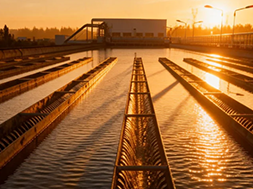
Chlorine dioxide disinfection pipelines in water plants are prone to blockage due to salt crystallization caused by disproportionation reactions. This can be prevented by optimizing the purity of the solution, designing the pipeline properly, regularly flushing and insulating, and conducting thorough inspections and chemical cleaning (hydrochloric acid should not be used). These multi-dimensional measures can help prevent crystallization and ensure the stable operation of the disinfection system.
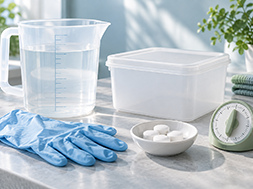
The pestis pestis leakage incident in the Russian laboratory reminded the public that pestis can be spread by fleas, infected animals, and droplets. The prevention and control should focus on the environment and rat flea management, instead of blind disinfection and sterilization. Xiuba chlorine dioxide disinfection tablet can only be used for preventive disinfection of object surface according to instructions. It has no special killing effect of pestis bacilli, and cannot be used as special epidemic prevention materials for pestis. It needs to be operated in a standardized way. Do not over disinfect due to network rumors.
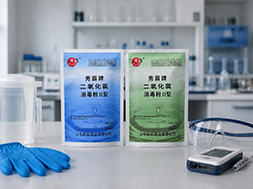
In 2026, Xiuba proposed that it is not enough to simply meet product qualification requirements; it is necessary to promote "green" practices in product selection, operation, safety, and record-keeping, rely on actual measurement data to verify effectiveness, strictly adhere to safety boundaries, and promote high-quality development of the industry.
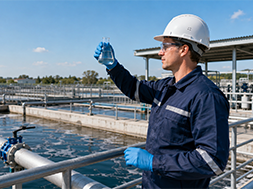
Traditional chlorine preparations are prone to producing harmful chlorination by-products and will eventually be phased out; Chlorine dioxide relies on a unique electron transfer oxidation mechanism, producing almost no organic chlorides, with high sterilization efficiency and lower risk of by-products. Xiuba relies on years of large-scale production and university research cooperation, with complete product qualifications, strict control of disinfection residues, and a balance between effective disinfection and ecological green, in line with the industry's green and low-carbon development trend.
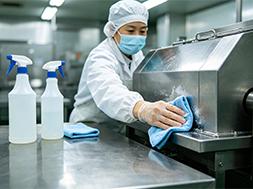
Focusing on three core selection dimensions—cost, safety, and broad-spectrum disinfection—this article compares chlorine dioxide with disinfectants such as ozone and peracetic acid, highlighting its significant advantages in terms of sterilization mechanism, usage safety, and long-term cost. The product is suitable for various scenarios including water supply, food processing, and wastewater treatment. Addressing market issues of misleading labeling, the article provides purchasing advice and recommends Xiuba Chlorine Dioxide, a brand with deep industry experience and complete certifications.
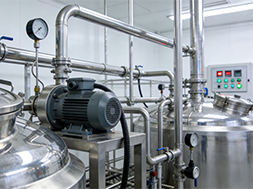
This article points out that during CIP cleaning, adding chlorine dioxide before alkaline washing and during acid-alkali rinsing has poor effects; the optimal point is after acid washing, when the acidic clean environment is suitable for the agent, and it is also necessary to drain residual acid, control the temperature, and circulate for 15-20 minutes to improve the disinfection effect.
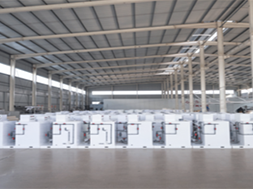
This article compares the applicable scenarios of chemical and electrolytic chlorine dioxide generators, explaining the manufacturer selection criteria from five dimensions: qualifications, accessories, case studies, after-sales service, and process compatibility. It also introduces five major development trends, including intelligent and modular equipment. Xiuba XB series equipment complies with GB 28931-2024 standards, has complete qualifications, and offers 24/7 full-process service. It is suitable for multiple industries and can reduce maintenance costs and operational risks.
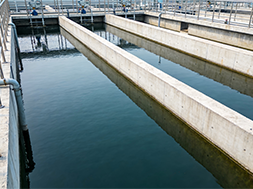
Chlorine dioxide is safe, efficient, and suitable for multiple industries, with the market continuously expanding and benefiting from ongoing policy support.Shandong Huashi Pharmaceutical's Xiuba division has been deeply involved in the industry for many years and can provide a full range of chlorine dioxide disinfection products and related technical services.
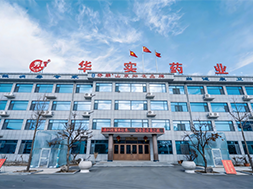
Xiuba has been deeply involved in chlorine dioxide disinfection for nearly 30 years, possessing mature technology and a rich product line. The brand has completed a strategic transformation, shifting from simply selling products to providing customized disinfection services throughout the entire process, integrating industry resources, and specifically addressing various disinfection pain points for companies in the drinking water, food, and medical fields.
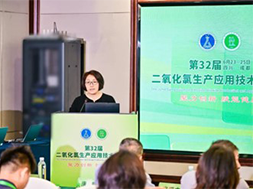
Shandong Huashi Pharmaceutical took part in the 32nd National Chlorine Dioxide Technology Symposium held in Chengdu this June. Our technical team shared professional research on chlorine dioxide disinfection for medical and public health scenarios and exchanged industry technologies with over 70 experts and manufacturers. This participation fully proves our solid R&D strength and professional standing in the chlorine dioxide disinfection field.
Northeast of Huangshan Road and Chuangye Intersection, Small and Medium sized Enterprise Entrepreneurship Industrial Park, Shanwang Town, Linqu County, Weifang City, Shandong Province
Copyright © 2025 by Shandong Huashi Pharmaceutical Co., Ltd All Rights Reserved


 Language
 中文
中文 Русский
 Chlorine Dioxide Disinfectant Manufacturer


