Welcome to Our Factory for a Visit! Free customized disinfection solutions

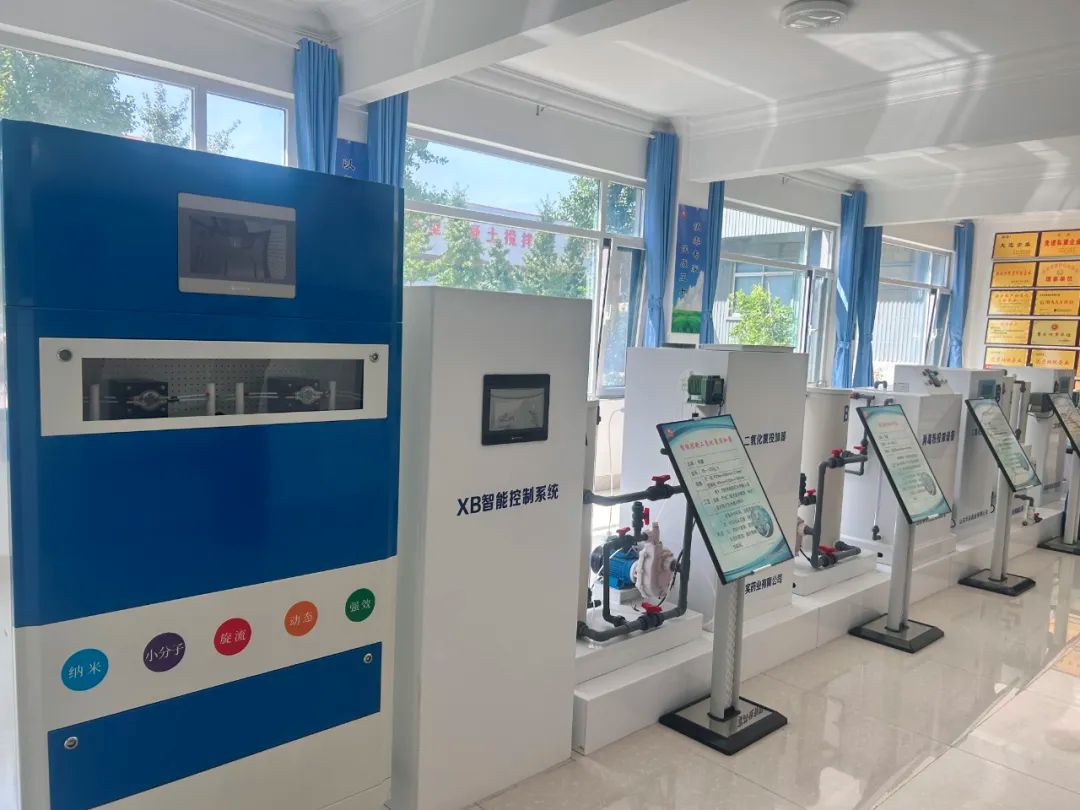
Chlorine dioxide generators are core supporting equipment in water treatment disinfection processes . They offer high disinfection efficiency, produce few harmful byproducts, and are adaptable to various water treatment scenarios, making them essential equipment in municipal water supply, sewage treatment, medical and health care, and food processing industries. In recent years, China's environmental protection policies have become increasingly stringent, public health prevention and control have become routine requirements, and the water treatment industry continues to upgrade and transform. Driven by these factors, the market size of chlorine dioxide generators has steadily increased, and the pace of technological innovation within the industry is accelerating. However, this market development has not been without its challenges. Prominent product homogenization, rising technological barriers, and increasingly stringent policy regulations all pose competitive risks that businesses must confront. 2026 is a crucial year for the industry's transformation towards intelligent, energy-saving, and customized solutions. The market competition landscape will further adjust, and new characteristics and trends will emerge on the demand side. Shandong Huashi Pharmaceutical has been deeply involved in the field of chlorine dioxide disinfection for many years. Its Xiuba chlorine dioxide series products and matching generator equipment have established a firm foothold in the industry competition and formed a unique advantage with solid technical research and development, complete compliance qualifications, and years of experience in scene adaptation. It is a participant in the market with both professional technical strength and service capabilities.
I. Current Status of China's Chlorine Dioxide Generator Market in 2026
(i) The market size is steadily expanding, and technological upgrading has become the core growth driver.
The increasingly standardized domestic water treatment industry has directly fueled the growth of the chlorine dioxide generator market, a trend expected to continue into 2026. With increasingly stringent requirements for water treatment and disinfection across various sectors, traditional chlorine dioxide generators, characterized by low efficiency and high energy consumption, are gradually being phased out. New-generation equipment that is intelligent, energy-efficient, and boasts high raw material conversion rates is becoming mainstream, making technological upgrades the core driver of market growth. Currently, domestic companies with independent R&D capabilities have comprehensively upgraded the intelligent control systems, core reaction components, and reagent compatibility of their equipment. For example , the intelligent dosing system integrated into the Xiuba chlorine dioxide generator can monitor water quality in real time and automatically adjust the reagent dosage, significantly improving equipment operating efficiency and stability, making it highly regarded in the market.
(ii) The market concentration is low and the competitive entities are developing in a tiered manner.
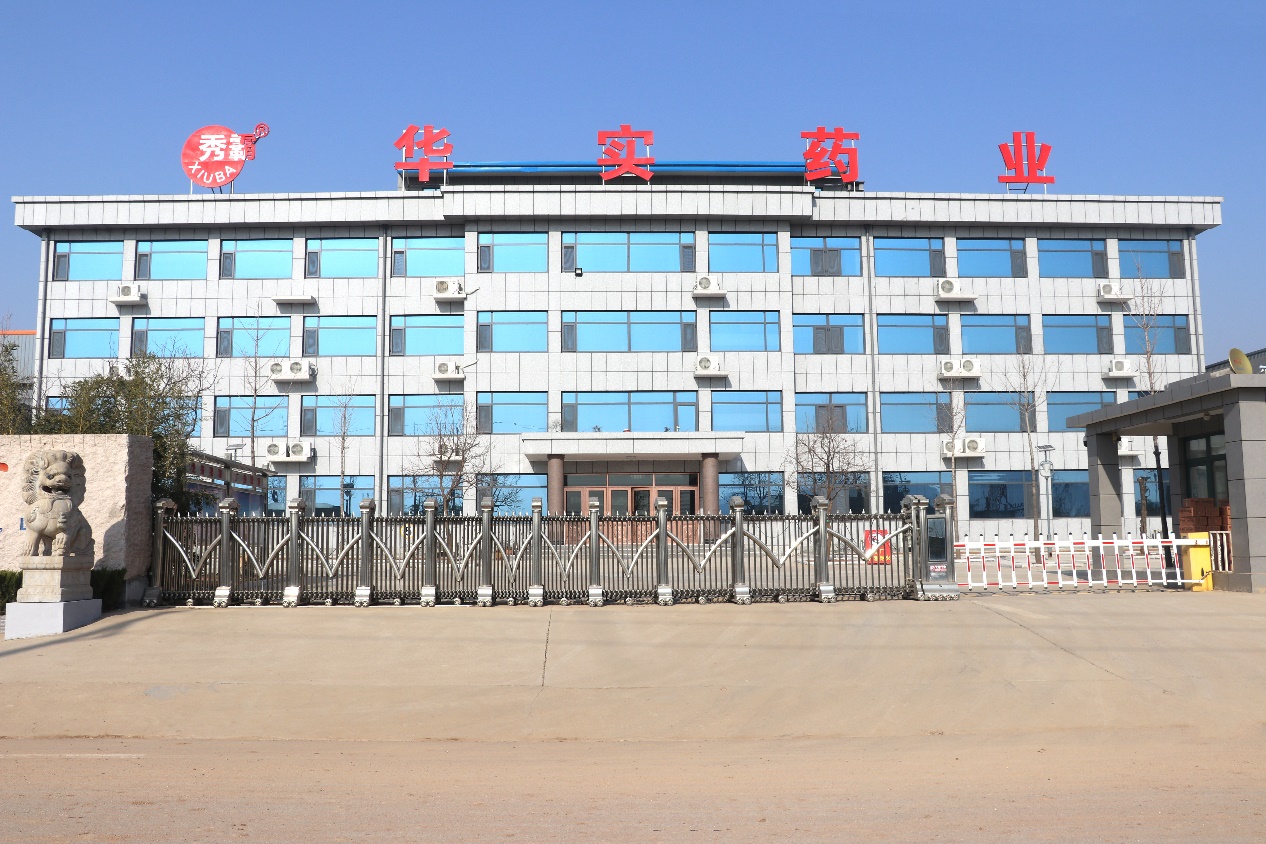
In 2026, the domestic chlorine dioxide generator industry will still maintain a low market concentration and a tiered development pattern among competitors. The top four companies in the industry will have a combined market share of about 30%, and the top eight companies will have a combined market share of about 45%. There is still no dominant company in the market. Currently, companies competing in the market can be divided into three tiers: The first tier consists of national leading enterprises that have been in the industry for decades, possessing comprehensive technical systems, nationwide sales networks, and various authoritative qualifications. They primarily undertake large-scale municipal water supply and sewage treatment projects, firmly occupying the high-end market . Shandong Huashi Pharmaceutical Co., Ltd. and Hunan Yuansheng Environmental Protection Equipment Co., Ltd. represent this tier . The second tier comprises companies that focus on specific regional markets, building advantages in core technologies, scenario adaptation, and localized services. They mainly serve the water treatment needs of municipal projects and small and medium-sized enterprises within their respective regions. Nanjing Huayuan Water Treatment Industrial Equipment Co., Ltd. and Nanjing Ligong Shuifu Environmental Protection Technology Co., Ltd. represent this tier . The third tier comprises a large number of small and medium-sized enterprises, numbering approximately 200. These companies have low technological levels, produce largely similar products, lack core competitiveness, and can only rely on price wars to seize market share, barely managing to survive in the low-end market . Examples will not be provided here .
(III) Application scenarios are constantly expanding and gradually extending to emerging fields.
The application scenarios for chlorine dioxide generators have long since expanded from traditional municipal water supply and urban sewage treatment to emerging fields such as medical wastewater, food processing wastewater, aquaculture water treatment, and rural safe drinking water. In 2026, with the advancement of the rural revitalization strategy, rural infrastructure is becoming increasingly complete, and environmental protection requirements for industries such as food processing and aquaculture are constantly increasing, leading to a continued rise in demand for chlorine dioxide generators in small and medium-sized applications. Shandong Huashi Pharmaceutical has customized and upgraded its Xiuba chlorine dioxide generators to meet the actual needs of different scenarios, launching small generators suitable for hospital wastewater, explosion-proof generators suitable for food processing, and portable generators suitable for rural drinking water applications. These solutions precisely address the disinfection needs of different scenarios, setting a good example for scenario- based solutions in the industry .
II. Core Competitive Risks in China's Chlorine Dioxide Generator Market in 2026
(i) The low-to-mid-end products are highly homogenized, and the price war is intensifying.
The most prominent competitive issue in the current domestic chlorine dioxide generator industry is the severe homogenization of products in the low-to-mid-end market , leading to increasingly fierce price wars. Many small and medium-sized enterprises lack core R&D capabilities and cannot achieve technological breakthroughs. They can only imitate the appearance and basic functions of mainstream products, resulting in products that lag far behind high-quality products in core indicators such as reaction efficiency, energy consumption control, and operational stability. To grab a limited market share, these companies can only relentlessly lower product prices, causing profit margins in the low-to-mid-end market to shrink. This not only lowers the overall profitability of the industry but also slows down technological upgrades and high-quality development. Companies with technological advantages, such as Shandong Huashi Pharmaceutical, have escaped the price war trap by leveraging the high conversion rate and low energy consumption of their Xiuba chlorine dioxide generators. They differentiate themselves through technology and service, effectively avoiding the competitive risks of the low-end market.
(ii) The industry's technological barriers continue to rise, and companies with weak R&D capabilities will be eliminated.
In 2026, with the continuous improvement of water treatment standards and the increasing application of intelligent technologies in the water treatment field, the technological threshold of the chlorine dioxide generator industry has been rising, placing higher demands on companies' R&D capabilities, process design capabilities, and equipment adaptability. The new generation of chlorine dioxide generators not only needs to produce high-purity chlorine dioxide and achieve high raw material conversion rates, but also needs to be equipped with intelligent control systems capable of remote monitoring, automatic dosing, and early warning of malfunctions. Furthermore, they must adapt to the personalized needs of different water qualities and scenarios. Small and medium-sized enterprises with insufficient R&D funds and weak technical teams simply cannot keep up with the pace of technological upgrades in the industry, and their products will eventually be eliminated by the market. Meanwhile, leading companies and regional leaders have been increasing their R&D investment. For example, Shandong Huashi Pharmaceutical has established a dedicated R&D team to continuously optimize the core reaction process and intelligent control system of its Xiuba chlorine dioxide generator. Currently, the raw material conversion rate of the equipment can reach over 95%, far exceeding the industry average, giving it a firm grip on the initiative in technological competition.
(III) Policy supervision continues to tighten, and compliance qualifications have become a hard threshold for market access.
Chlorine dioxide generators are both water-related products and environmental protection equipment. Their production, sales, and use are subject to strict policy regulations. By 2026, industry compliance requirements will be even stricter, and relevant qualifications will become a mandatory condition for market entry. On the one hand, equipment manufacturers must obtain core qualifications such as sanitary permits for drinking water safety products and sanitary licenses for disinfection product manufacturers. Their products must also meet national drinking water hygiene standards and environmental protection equipment technical standards. On the other hand, after the equipment is put into use, its operational performance must meet the water treatment discharge standards of various fields, such as the Class A standard for municipal wastewater and the special discharge standards for medical wastewater. Companies without compliance qualifications and whose product quality does not meet standards will be directly barred from the legitimate market and will have no opportunity to participate in market competition. Shandong Huashi Pharmaceutical's Xiuba chlorine dioxide series products and supporting generators have already obtained multiple authoritative qualifications, including sanitary permits for drinking water safety products. Their product quality also meets the relevant standards of the EPA, WHO, and domestic standards, forming their core advantage in compliant competition .
(iv) Cross-industry competition is intensifying, and the market is facing new challenges.
In 2026, the chlorine dioxide generator market will face intensified competition from other industries. As the water treatment industry expands, some companies originally producing environmental equipment and water treatment chemicals are entering the chlorine dioxide generator market. Leveraging their existing brand recognition, established sales channels, and stable customer base, these companies are quickly entering the market, significantly impacting traditional generator manufacturers. Furthermore, some foreign companies are entering the domestic high-end market with advanced technology and equipment, further intensifying competition. Faced with cross-industry competition and foreign investment, domestic companies must find their niche and enhance their competitiveness by strengthening technological research and development, improving service systems, and building localized advantages. For example, Shandong Huashi Pharmaceutical, relying on the high market recognition of its Xiuba chlorine dioxide brand, has integrated disinfectant products and generator equipment, providing customers with a complete "chemical + equipment + service" solution, creating a competitive advantage that is difficult for cross-industry companies to replicate.
(v) Fluctuations in upstream raw material prices increase the pressure on enterprises to control costs.
The production of chlorine dioxide generators requires various raw materials and components, including stainless steel, titanium alloys, smart sensors, and pumps and valves. Fluctuations in upstream raw material prices put significant pressure on companies' cost control . In 2026, influenced by factors such as international commodity price fluctuations and supply chain instability, the prices of core raw materials like stainless steel and titanium alloys remained uncertain. Meanwhile, the prices of components like smart sensors remained high due to tight chip supply and continuous technological upgrades. For companies lacking economies of scale and weak cost control capabilities, rising raw material prices directly increase production costs, and if they cannot adjust product prices promptly, their profits will be squeezed.
III. Forecast of Future Demand Trends for China's Chlorine Dioxide Generator Market in 2026
(i) Overall demand continued to increase, and the market size maintained steady expansion.
The overall demand for chlorine dioxide generators in China is expected to continue to increase in 2026, with the market size steadily expanding. This is driven by three main factors: First, increasingly stringent environmental policies have led to higher standards for the treatment of municipal sewage, industrial wastewater, and medical wastewater across various regions. Many companies' older equipment no longer meets these new requirements, creating a pressing need for upgrades . Second, the normalization of public health prevention and control has resulted in consistently high demand for disinfection in medical, food processing, and public environmental sectors, directly boosting the market demand for chlorine dioxide generators. Third, accelerated rural infrastructure construction, with the implementation of rural safe drinking water projects and rural sewage treatment projects, has created significant demand for equipment in small and medium-sized applications. It is projected that the domestic chlorine dioxide generator market will achieve steady growth in 2026 compared to previous years, indicating a promising future for the industry.
(II) The demand for intelligent and energy-saving equipment has become mainstream.
intelligent and energy-efficient chlorine dioxide generators will become mainstream in 2026. Customers are no longer satisfied with simple disinfection functions; they require equipment with intelligent features such as online water quality monitoring, automatic dosing, remote operation and maintenance management, and automatic fault warnings. Simultaneously, they demand low energy consumption, high raw material conversion rates, and reduced operating costs. For example, the intelligent operation and maintenance system integrated into the Xiuba chlorine dioxide generator can monitor the equipment's operating status in real time and automatically adjust the dosage of chemicals according to water quality conditions, reducing energy consumption by more than 20% compared to traditional equipment, making it a popular product in the market. In the future, equipment with intelligent and energy-saving advantages will occupy the majority of the market share.
The demand for customized and scenario- based solutions is becoming increasingly prominent.
In 2026, with the continuous expansion of chlorine dioxide generator application scenarios, the market demand for customized and scenario- based solutions will become increasingly prominent. Water treatment needs vary significantly across different fields and scenarios. For example, municipal water supply requires stable equipment operation and compliant disinfection effects; medical wastewater requires equipment with corrosion and explosion-proof functions; food processing wastewater requires equipment adapted to food-grade disinfection standards; and rural drinking water requires portable and easy-to-operate equipment. Standardized equipment alone can no longer meet market demands. Companies need to provide customized equipment and solutions based on the water quality characteristics, treatment standards, and usage requirements of different scenarios. Shandong Huashi Pharmaceutical, leveraging years of market experience, has launched customized solutions for its Xiuba chlorine dioxide generators for various scenarios, including hospitals, food factories, farms, and rural drinking water , becoming a benchmark for meeting market customization needs and confirming the industry trend of customization.
(iv) The demand for equipment in small and medium-sized scenarios is growing at an accelerated pace.
In 2026, the demand for chlorine dioxide generators in small and medium-sized applications will accelerate significantly , becoming a new growth engine for the industry. On the one hand, under the rural revitalization strategy, large-scale implementation of rural safe drinking water projects and rural sewage treatment projects has led to a surge in demand for small, portable, and easy-to-operate chlorine dioxide generators in rural areas. On the other hand, small and medium-sized enterprises such as small food processing plants, small farms, and township hospitals are gradually equipping themselves with chlorine dioxide generators due to increased environmental awareness and stricter environmental policies, resulting in substantial demand for equipment in small and medium-sized applications. The characteristics of equipment for small and medium-sized applications are small size, ease of operation, and high cost-effectiveness. Addressing this demand, Shandong Huashi Pharmaceutical launched the Xiuba small portable chlorine dioxide generator. This device is small in size, easy to install, and requires no professional personnel to operate, perfectly matching the needs of small and medium-sized applications, and its market sales continue to climb.
(v) The demand for integrated "equipment + reagents + services" has become the norm.
In 2026, the domestic chlorine dioxide generator market demand will shift from simple equipment purchases to integrated needs encompassing "equipment + chemicals + services," making full-cycle service capabilities a core element of corporate competitiveness. Customers not only require high-quality generator equipment but also compatible disinfectants, professional installation and commissioning, ongoing maintenance and repair, and technical guidance—a complete service chain. The market demand has long surpassed simply buying a qualified generator; a purely equipment manufacturing model is no longer sufficient to keep pace with the current market. Companies must build an integrated service system encompassing "equipment + chemicals + services." Shandong Huashi Pharmaceutical has already completed this strategic layout in the industry, integrating its Xiuba chlorine dioxide disinfectant—including effervescent tablets, AB powder, and stabilized solutions—with matching chlorine dioxide generators. Furthermore, it provides customers with comprehensive, full-cycle services such as installation and commissioning, operation training, regular inspections, and troubleshooting, forming a complete service loop. This not only precisely meets the market's integrated needs but also makes this model the mainstream direction of industry development.
IV. Strategies for Chlorine Dioxide Generator Companies to Cope with Competitive Risks and Grasp Demand Trends in 2026
(i) Increase R&D investment, strengthen technological innovation, and build unique core competitiveness.
Faced with increasingly high technological barriers and severe product homogenization in the industry, enterprises must prioritize R&D investment, focus on technological innovation, and build their own core competitiveness. On the one hand, they must focus on upgrading the core technologies of chlorine dioxide generators, prioritizing the development of high-conversion-rate, low-energy-consumption, and intelligent equipment, continuously optimizing core reaction processes and intelligent control systems, and upgrading the materials of core components. On the other hand, they must delve into the compatibility development of reagents and equipment, ensuring a high degree of integration between chlorine dioxide disinfectant and the generator, improving the overall disinfection effect, and creating a synergistic advantage between equipment and reagents. Shandong Huashi Pharmaceutical Co., Ltd. exemplifies this approach, consistently investing in R&D to continuously optimize the reaction process and intelligent system of its Xiuba chlorine dioxide generator, while refining disinfectant formulas, achieving seamless compatibility between reagents and equipment, and successfully building its own technological barriers.
(II) Improve compliance qualifications , uphold product quality, and consolidate the foundation for market development.
In the context of increasingly stringent industry regulations, perfecting compliance qualifications and adhering to product quality are fundamental for enterprises to gain a foothold in the market. Enterprises should proactively apply for authoritative qualifications such as hygiene permits for drinking water safety products and hygiene licenses for disinfection product manufacturers to ensure that their products fully comply with relevant national standards. At the same time, they must establish a strict product quality control system, rigorously controlling every step from raw material procurement and production processing to finished product testing, ensuring stable equipment operation and achieving disinfection effects to give customers peace of mind. Shandong Huashi Pharmaceutical has always prioritized compliance and quality. Its Xiuba chlorine dioxide series products and matching generators have obtained multiple authoritative certifications, and their product quality has withstood years of market testing. This is the core reason why the company has firmly won the trust of its customers.
(III) Deepen the development of scenario-based customization, create integrated solutions, and meet the personalized needs of the market.
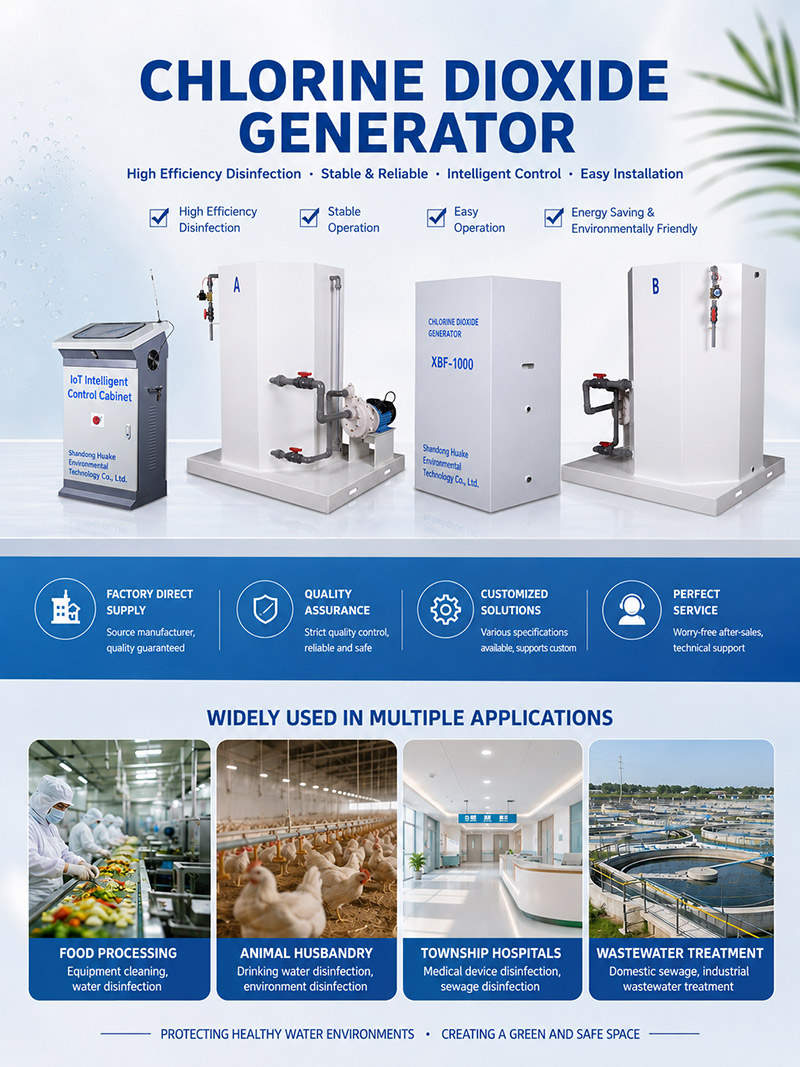
To meet the market's demand for customization and integration, enterprises must focus on refining and deepening their scenario-based customization efforts, creating integrated solutions encompassing "equipment + chemicals + services." On one hand, they need to assign professional personnel to conduct in-depth research into the specific water treatment needs of different scenarios, developing customized generator equipment based on actual requirements, such as corrosion-resistant equipment for medical wastewater and portable, simple equipment for rural drinking water. On the other hand, they must integrate their self-produced disinfectants with customized equipment, while simultaneously providing comprehensive services throughout the entire lifecycle, including installation, commissioning, daily maintenance, and troubleshooting, offering customers a one-stop solution and ensuring a worry-free experience.
(iv) Optimize cost control, establish a stable supply chain, and resist the risk of raw material price fluctuations.
To effectively mitigate the risks posed by fluctuations in upstream raw material prices, companies must strengthen cost control and establish a stable supply chain system. On one hand, they need to build long-term strategic partnerships with high-quality upstream raw material and component suppliers, achieving economies of scale through centralized procurement to reduce overall procurement costs. On the other hand, they must continuously optimize production and processing technologies, improve the utilization rate of core raw materials such as stainless steel and sensors, reduce material waste during production, and control costs effectively from the production end. Simultaneously, they must establish a raw material price monitoring mechanism, assigning dedicated personnel to monitor market price trends in real time, promptly grasp price fluctuation information, rationally plan inventory, and make advance cost adjustments to minimize the impact of raw material price fluctuations on the company's operations.
(V) Strengthen brand building, cultivate regional markets, and steadily improve market recognition.
Faced with intensifying cross-industry competition and fierce competition within the industry, enterprises must prioritize brand building, cultivate regional markets, and gradually enhance brand recognition and industry influence. On the one hand, they must accumulate customer reputation through high-quality products and attentive after-sales service, building a well-known brand in the region through tangible results. On the other hand, they must increase brand promotion through multiple channels, such as participating in industry exhibitions, establishing online e-commerce platforms, and relying on word-of-mouth recommendations from existing customers, to allow more customers to understand and recognize the brand. Shandong Huashi Pharmaceutical has been deeply rooted in the North and East China markets for many years. With its high-quality Xiuba chlorine dioxide product and comprehensive services, it has become a well-known brand in the regional markets, with continuously increasing market recognition, laying a solid foundation for the company's subsequent expansion into the national market.
In 2026, the Chinese chlorine dioxide generator market is in a stage of development characterized by both opportunities and challenges. On the one hand, increasingly stringent environmental policies, upgrades in the water treatment industry, and expanded application scenarios have brought about sustained market demand, with intelligentization, energy saving, customization, and integration becoming the mainstream development trends in the industry. On the other hand, the industry also faces multiple competitive risks, including product homogenization, rising technological barriers, tightening policy regulations, intensified cross-industry competition, and fluctuations in raw material prices. The market competition landscape will be further restructured. Companies with core technology R&D capabilities, complete compliance qualifications , scenario-based customization capabilities, and full-cycle service capabilities will gain an advantage in the competition, while small and medium-sized enterprises lacking core competitiveness will be gradually eliminated by the market.
Shandong Huashi Pharmaceutical has developed a unique competitive advantage by leveraging the technological strengths, compliance qualifications, scenario-based solutions, and integrated service capabilities of its Xiuba chlorine dioxide series products and supporting generators . This advantage allows it to address market competition risks and grasp market demand trends. Looking ahead, with the industry's high-quality development, Shandong Huashi Pharmaceutical can further enhance the market share of its Xiuba chlorine dioxide generators by continuously increasing R&D investment, expanding its national market, and deepening scenario-based customization. Simultaneously, the entire industry will continuously upgrade and iterate through healthy competition based on technological innovation, compliant development , and high-quality service, providing better equipment and solutions for the development of China's water treatment industry, the protection of the ecological environment, and public health safety.
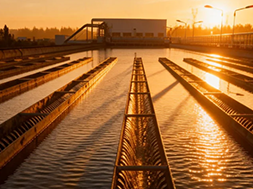
Chlorine dioxide disinfection pipelines in water plants are prone to blockage due to salt crystallization caused by disproportionation reactions. This can be prevented by optimizing the purity of the solution, designing the pipeline properly, regularly flushing and insulating, and conducting thorough inspections and chemical cleaning (hydrochloric acid should not be used). These multi-dimensional measures can help prevent crystallization and ensure the stable operation of the disinfection system.
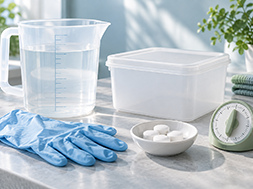
The pestis pestis leakage incident in the Russian laboratory reminded the public that pestis can be spread by fleas, infected animals, and droplets. The prevention and control should focus on the environment and rat flea management, instead of blind disinfection and sterilization. Xiuba chlorine dioxide disinfection tablet can only be used for preventive disinfection of object surface according to instructions. It has no special killing effect of pestis bacilli, and cannot be used as special epidemic prevention materials for pestis. It needs to be operated in a standardized way. Do not over disinfect due to network rumors.
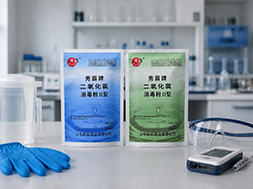
In 2026, Xiuba proposed that it is not enough to simply meet product qualification requirements; it is necessary to promote "green" practices in product selection, operation, safety, and record-keeping, rely on actual measurement data to verify effectiveness, strictly adhere to safety boundaries, and promote high-quality development of the industry.
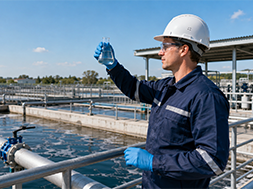
Traditional chlorine preparations are prone to producing harmful chlorination by-products and will eventually be phased out; Chlorine dioxide relies on a unique electron transfer oxidation mechanism, producing almost no organic chlorides, with high sterilization efficiency and lower risk of by-products. Xiuba relies on years of large-scale production and university research cooperation, with complete product qualifications, strict control of disinfection residues, and a balance between effective disinfection and ecological green, in line with the industry's green and low-carbon development trend.
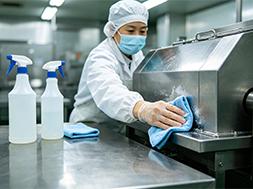
Focusing on three core selection dimensions—cost, safety, and broad-spectrum disinfection—this article compares chlorine dioxide with disinfectants such as ozone and peracetic acid, highlighting its significant advantages in terms of sterilization mechanism, usage safety, and long-term cost. The product is suitable for various scenarios including water supply, food processing, and wastewater treatment. Addressing market issues of misleading labeling, the article provides purchasing advice and recommends Xiuba Chlorine Dioxide, a brand with deep industry experience and complete certifications.
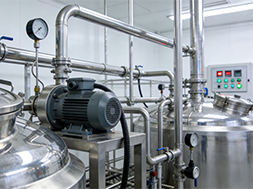
This article points out that during CIP cleaning, adding chlorine dioxide before alkaline washing and during acid-alkali rinsing has poor effects; the optimal point is after acid washing, when the acidic clean environment is suitable for the agent, and it is also necessary to drain residual acid, control the temperature, and circulate for 15-20 minutes to improve the disinfection effect.
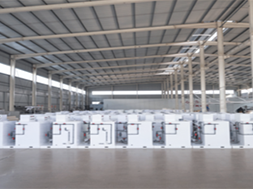
This article compares the applicable scenarios of chemical and electrolytic chlorine dioxide generators, explaining the manufacturer selection criteria from five dimensions: qualifications, accessories, case studies, after-sales service, and process compatibility. It also introduces five major development trends, including intelligent and modular equipment. Xiuba XB series equipment complies with GB 28931-2024 standards, has complete qualifications, and offers 24/7 full-process service. It is suitable for multiple industries and can reduce maintenance costs and operational risks.
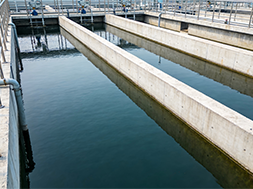
Chlorine dioxide is safe, efficient, and suitable for multiple industries, with the market continuously expanding and benefiting from ongoing policy support.Shandong Huashi Pharmaceutical's Xiuba division has been deeply involved in the industry for many years and can provide a full range of chlorine dioxide disinfection products and related technical services.
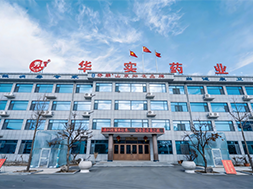
Xiuba has been deeply involved in chlorine dioxide disinfection for nearly 30 years, possessing mature technology and a rich product line. The brand has completed a strategic transformation, shifting from simply selling products to providing customized disinfection services throughout the entire process, integrating industry resources, and specifically addressing various disinfection pain points for companies in the drinking water, food, and medical fields.
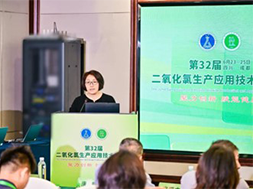
Shandong Huashi Pharmaceutical took part in the 32nd National Chlorine Dioxide Technology Symposium held in Chengdu this June. Our technical team shared professional research on chlorine dioxide disinfection for medical and public health scenarios and exchanged industry technologies with over 70 experts and manufacturers. This participation fully proves our solid R&D strength and professional standing in the chlorine dioxide disinfection field.
Northeast of Huangshan Road and Chuangye Intersection, Small and Medium sized Enterprise Entrepreneurship Industrial Park, Shanwang Town, Linqu County, Weifang City, Shandong Province
Copyright © 2025 by Shandong Huashi Pharmaceutical Co., Ltd All Rights Reserved


 Language
 中文
中文 Русский
 Chlorine Dioxide Disinfectant Manufacturer


