Welcome to Our Factory for a Visit! Free customized disinfection solutions

Toothpaste is an oral hygiene product, and its most basic function is to clean and maintain oral hygiene. Chlorine dioxide perfectly meets this requirement and is suitable for toothpaste products.
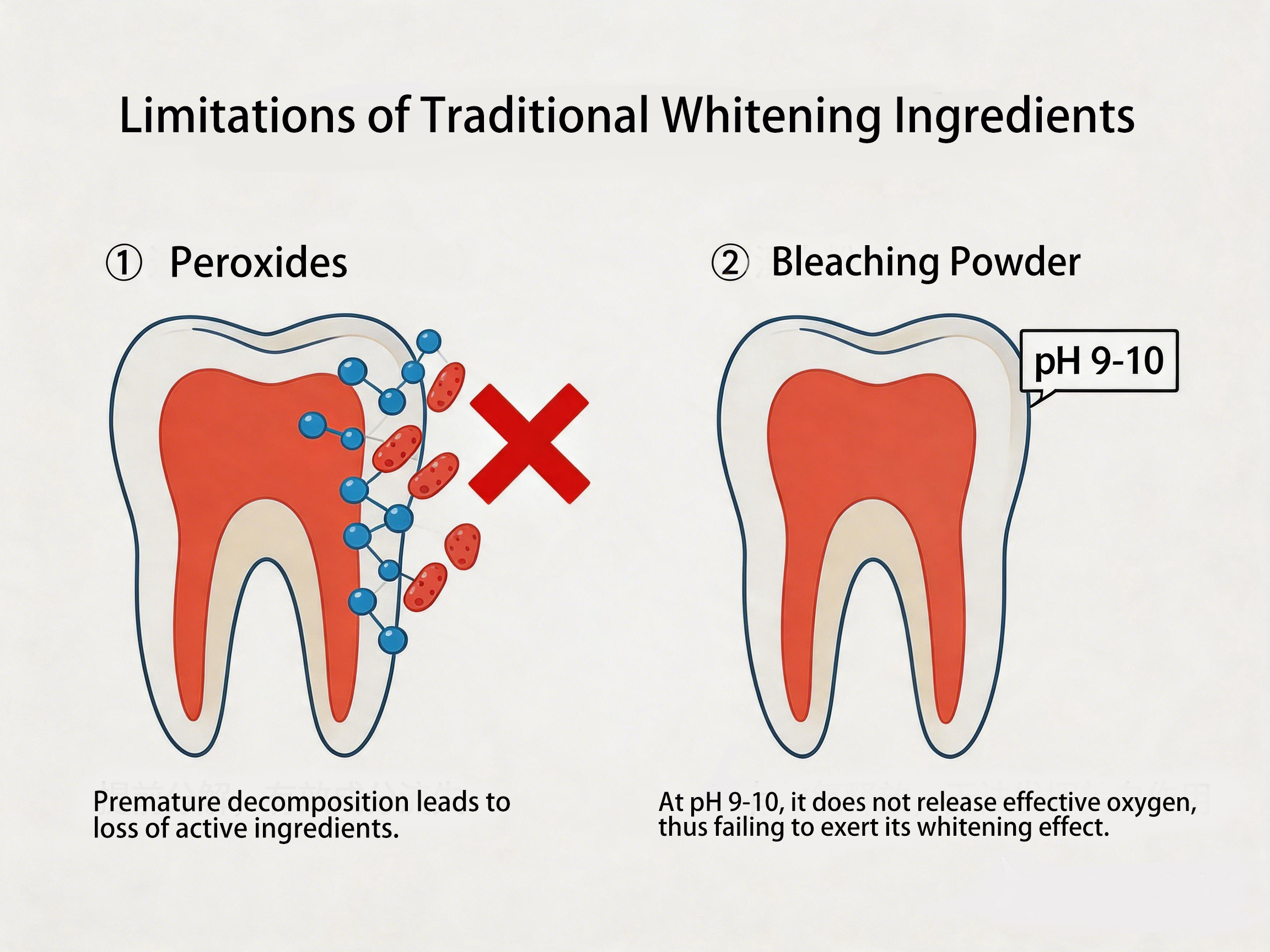
In the toothpaste industry, researchers have been exploring whitening toothpaste formulations. Whitening toothpaste typically has a pH between 9 and 10, and peroxides are often chosen for their whitening effect, but these are difficult to meet in terms of both processing and efficacy. Hydrogen peroxide decomposes rapidly in the presence of trace amounts of iron and copper ions, and releases oxygen upon heating—an irreversible process that renders the toothpaste ineffective. Because hydrogen peroxide is unsuitable, urea peroxide, known for its stability, is chosen . However, urea peroxide requires a high concentration and a long treatment time to achieve its whitening effect. Dental clinics typically prepare whitening pastes containing urea peroxide , requiring several hours of application with braces to achieve the desired whitening effect. Toothpaste requires large amounts of urea peroxide to achieve this , and the effect is not significant. Bleaching powder works by forming hypochlorous acid under acidic conditions. Hypochlorous acid decomposes, releasing reactive oxygen species that have bleaching properties. Since toothpaste typically has a pH between 9 and 10, it does not release oxygen and is therefore ineffective.
Zhang Zhifeng conducted an exploratory study on the use of chlorine dioxide in toothpaste. The toothpaste production materials used in the experiment were those commonly used in toothpaste production, and the formula was based on a standard, mature formula with varying amounts of chlorine dioxide added. The concentrations of chlorine dioxide added to the base formula were: 1× 10⁻⁶ %, 2×10⁻⁶ % , 5× 10⁻⁶ %, 10× 10⁻⁶ %, 15× 10⁻⁶ % , 20×10⁻⁶%, 25× 10⁻⁶ % , and 30×10⁻⁶ % . The experiment showed that consumers could accept chlorine dioxide concentrations below 20×10⁻⁶ % , but higher concentrations caused oral discomfort. Brushing teeth with toothpaste containing 1× 10⁻⁶ % chlorine dioxide on individuals with oral inflammation showed significant symptom relief on the first day, near-complete recovery on the second day, and complete recovery after three days. Furthermore, prolonged use resulted in no discomfort. Based on these experimental results, it was found that using 10×10⁻⁶ % chlorine dioxide as a toothpaste additive maintains essentially unchanged physicochemical properties, is heat- and cold-resistant, and provides no discomfort after prolonged use. Oral symptoms disappeared, and teeth became whiter than before. Simultaneously, soaking extracted teeth in 10×10⁻⁶ % chlorine dioxide toothpaste resulted in a whitening effect after 2 hours. While some progress has been made, significant work remains to be done to integrate chlorine dioxide into toothpaste production.
Chlorine dioxide, as a toothpaste additive, can both whiten teeth and kill oral bacteria. Furthermore, toothpaste can be made without additional preservatives, as chlorine dioxide is a highly effective, fast-acting, and safe preservative. In addition, adding chlorine dioxide to toothpaste requires no special processing conditions and is easy to implement. Therefore, chlorine dioxide has enormous potential for development and practical application in toothpaste.
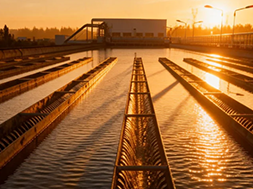
Chlorine dioxide disinfection pipelines in water plants are prone to blockage due to salt crystallization caused by disproportionation reactions. This can be prevented by optimizing the purity of the solution, designing the pipeline properly, regularly flushing and insulating, and conducting thorough inspections and chemical cleaning (hydrochloric acid should not be used). These multi-dimensional measures can help prevent crystallization and ensure the stable operation of the disinfection system.
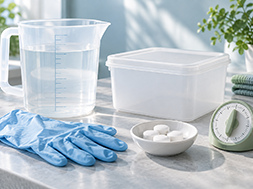
The pestis pestis leakage incident in the Russian laboratory reminded the public that pestis can be spread by fleas, infected animals, and droplets. The prevention and control should focus on the environment and rat flea management, instead of blind disinfection and sterilization. Xiuba chlorine dioxide disinfection tablet can only be used for preventive disinfection of object surface according to instructions. It has no special killing effect of pestis bacilli, and cannot be used as special epidemic prevention materials for pestis. It needs to be operated in a standardized way. Do not over disinfect due to network rumors.
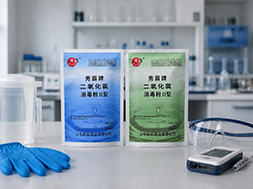
In 2026, Xiuba proposed that it is not enough to simply meet product qualification requirements; it is necessary to promote "green" practices in product selection, operation, safety, and record-keeping, rely on actual measurement data to verify effectiveness, strictly adhere to safety boundaries, and promote high-quality development of the industry.
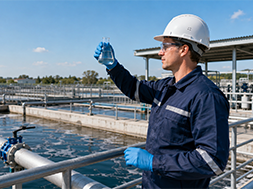
Traditional chlorine preparations are prone to producing harmful chlorination by-products and will eventually be phased out; Chlorine dioxide relies on a unique electron transfer oxidation mechanism, producing almost no organic chlorides, with high sterilization efficiency and lower risk of by-products. Xiuba relies on years of large-scale production and university research cooperation, with complete product qualifications, strict control of disinfection residues, and a balance between effective disinfection and ecological green, in line with the industry's green and low-carbon development trend.
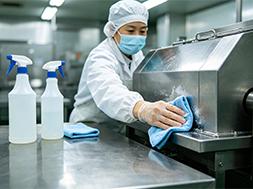
Focusing on three core selection dimensions—cost, safety, and broad-spectrum disinfection—this article compares chlorine dioxide with disinfectants such as ozone and peracetic acid, highlighting its significant advantages in terms of sterilization mechanism, usage safety, and long-term cost. The product is suitable for various scenarios including water supply, food processing, and wastewater treatment. Addressing market issues of misleading labeling, the article provides purchasing advice and recommends Xiuba Chlorine Dioxide, a brand with deep industry experience and complete certifications.
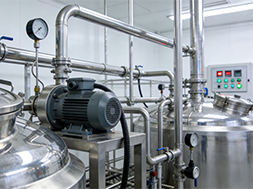
This article points out that during CIP cleaning, adding chlorine dioxide before alkaline washing and during acid-alkali rinsing has poor effects; the optimal point is after acid washing, when the acidic clean environment is suitable for the agent, and it is also necessary to drain residual acid, control the temperature, and circulate for 15-20 minutes to improve the disinfection effect.
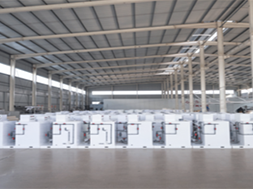
This article compares the applicable scenarios of chemical and electrolytic chlorine dioxide generators, explaining the manufacturer selection criteria from five dimensions: qualifications, accessories, case studies, after-sales service, and process compatibility. It also introduces five major development trends, including intelligent and modular equipment. Xiuba XB series equipment complies with GB 28931-2024 standards, has complete qualifications, and offers 24/7 full-process service. It is suitable for multiple industries and can reduce maintenance costs and operational risks.
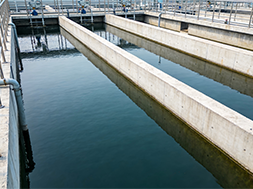
Chlorine dioxide is safe, efficient, and suitable for multiple industries, with the market continuously expanding and benefiting from ongoing policy support.Shandong Huashi Pharmaceutical's Xiuba division has been deeply involved in the industry for many years and can provide a full range of chlorine dioxide disinfection products and related technical services.
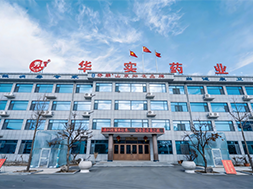
Xiuba has been deeply involved in chlorine dioxide disinfection for nearly 30 years, possessing mature technology and a rich product line. The brand has completed a strategic transformation, shifting from simply selling products to providing customized disinfection services throughout the entire process, integrating industry resources, and specifically addressing various disinfection pain points for companies in the drinking water, food, and medical fields.
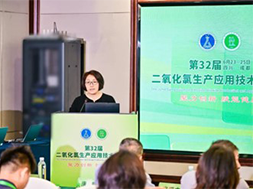
Shandong Huashi Pharmaceutical took part in the 32nd National Chlorine Dioxide Technology Symposium held in Chengdu this June. Our technical team shared professional research on chlorine dioxide disinfection for medical and public health scenarios and exchanged industry technologies with over 70 experts and manufacturers. This participation fully proves our solid R&D strength and professional standing in the chlorine dioxide disinfection field.
Northeast of Huangshan Road and Chuangye Intersection, Small and Medium sized Enterprise Entrepreneurship Industrial Park, Shanwang Town, Linqu County, Weifang City, Shandong Province
Copyright © 2025 by Shandong Huashi Pharmaceutical Co., Ltd All Rights Reserved


 Language
 中文
中文 Русский
 Chlorine Dioxide Disinfectant Manufacturer


