Welcome to Our Factory for a Visit! Free customized disinfection solutions
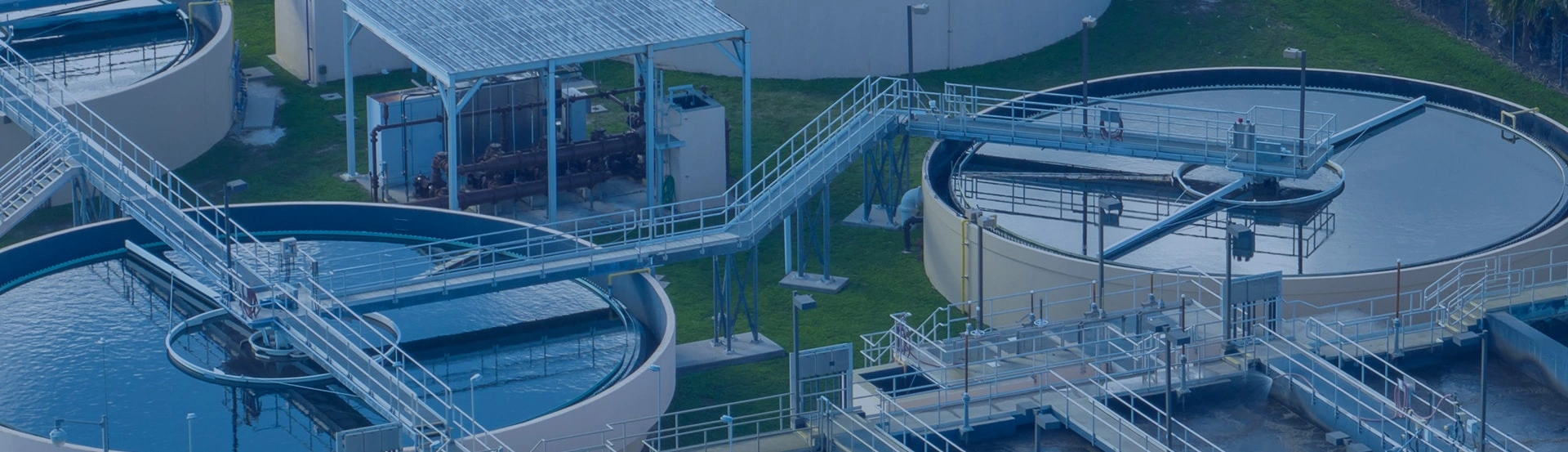
Hidden hazards and water-use risks inside storage tanks
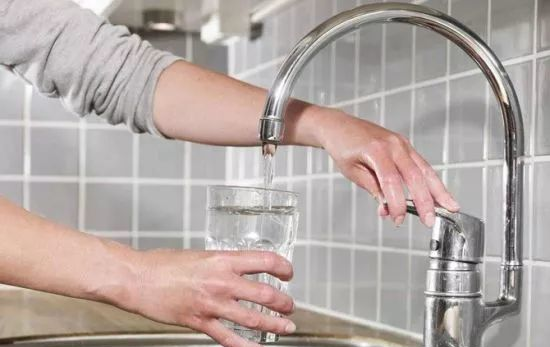
When the tap is turned on in the morning, the clear flow of water may seem ordinary. However, before water from the municipal network reaches residents' homes, some buildings rely on secondary water supply processes such as storage and pressurization. The storage tank is a key component. If it is not cleaned and maintained for a long time, if the cover is poorly sealed, or if the surrounding sanitation is inadequate, sediment, algae, rust, and microbial contamination may develop.
These contaminants may make the supplied water turbid, yellowish, or odorous and may increase the risk of excessive microbial levels. Tank cleaning involves both drinking-water hygiene and confined-space work safety. Property-management staff or residents should not mix chemicals or enter a tank based solely on experience. Questions about water quality, cleaning and disinfection, or facility maintenance should be reported to the water-supply operator, water authority, or health authority, and the work should be entrusted to a qualified professional organization.
Algae and Corrosion: Two Common Types of Tank Contamination
Algae: The Result of Light Exposure, Water Stagnation, and Inadequate Sanitary Protection
The presence of algae in a tank is usually associated with light entering the tank, excessively long water retention, or inadequate protection of the cover and air vents. Algae may discolor the water, cause odors, and provide conditions for microbial attachment and biofilm formation. It should be noted that not all visible green algae produce algal toxins. Some cyanobacteria may produce toxins under specific conditions. If abnormal algal growth is found, the tank should be taken out of service, cleaned promptly, and subjected to water-quality testing.
Corrosion: A Result of the Combined Effects of Material, Water Quality, and Maintenance
When metal components remain in long-term contact with water, oxygen, chloride ions, and other substances, corrosion may occur if welds are defective, surfaces are damaged, or maintenance is inadequate. Corrosion can introduce reddish-brown deposits into the water, affect sensory indicators, and accelerate equipment aging, leakage, or localized structural damage. Even stainless-steel tanks require regular inspection of welds, fittings, and inner-wall conditions.
Common questions include: "Why does algae reappear soon after the tank has been cleaned?" "How should the water outage be scheduled reasonably?" "How should disinfectants be selected, and how can excessive residues or by-products be avoided?" The key is not to apply experience-based formulas, but to establish standardized procedures for cleaning, disinfection, testing, and maintenance.
Operating Prerequisite: Confined-Space Work Must Be Carried Out by Professionals
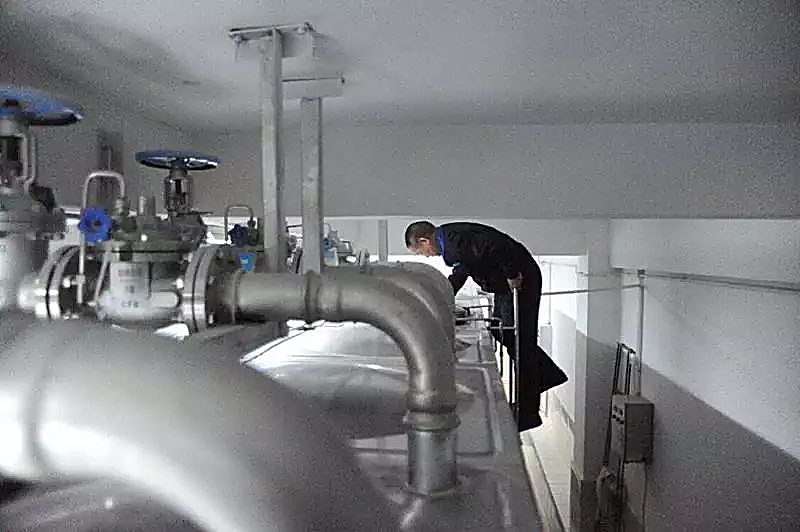
Before anyone enters the tank, the water outage must be announced, inlet and outlet pipes and power supplies must be isolated, work authorization must be completed, mechanical ventilation and gas testing must be performed, and an external attendant must be assigned. Anti-slip, electrical-safety, lighting, communication, and emergency-rescue equipment must be provided during the work. The principle of "ventilate first, test second, and enter only after confirmation" must be strictly followed. No person may enter the tank without training and safety confirmation.
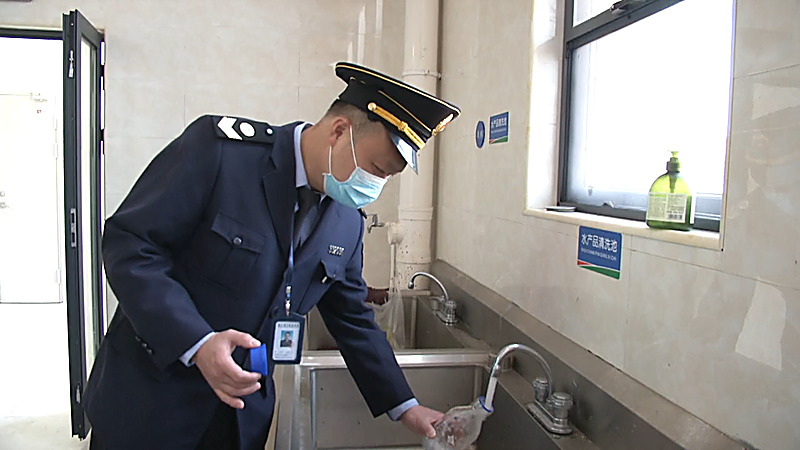
Standardized Cleaning: Three Steps to Control Algae, Corrosion, and Microorganisms
Step 1: Physical Cleaning - Drain First, Then Rinse and Scrub
After facility isolation and safety confirmation have been completed, professionals should drain the tank, pre-rinse it with clean water at low or appropriate pressure, and use nylon or soft-bristle brushes to remove sediment and attached matter from the bottom, supports, welds, corners, and other areas. Wastewater generated by scrubbing must be completely discharged. The access opening should be closed promptly and kept sealed whenever work is not in progress. Opening the cover and exposing the tank to sunlight cannot replace standardized disinfection.
When cleaning agents or disinfectants are required, products with appropriate sanitary safety assessment documentation and a clearly stated application to drinking-water facilities must be selected. Concentration, contact time, and rinsing methods must strictly follow the instructions for use. The active ingredients of different bleaches, acidic cleaners, and formulated products vary considerably. Experience-based ratios such as "one spoonful" or "1:3" should not be used for self-mixing, and baking soda or citric acid should not be treated as equivalent to disinfection.
Fish, shrimp, or any other aquatic organisms are strictly prohibited in drinking-water storage tanks. Biological algae control using algae-eating organisms is suitable only for ornamental water bodies that are completely isolated from drinking-water systems and must not be used in secondary water supply facilities. Recurrent algal growth should be controlled through light exclusion, sealing, shorter water retention, and standardized maintenance.
Step 2: Corrosion Treatment - Identify the Cause Before Selecting a Repair Method
A high-pressure water jet may be used to remove some loose deposits and rust layers, but excessive pressure may damage coatings, welds, or sealing components. Ordinary grinding wheels must not be used casually on stainless-steel inner walls or welds, because they may scratch the surface, damage the passive layer, or introduce iron contamination. Where corrosion is severe, professionals should assess whether local repairs, component replacement, or renewed surface treatment are required.
Vinegar, oxalic acid, citric acid, and specialized rust removers may all affect different metals, welds, sealing materials, and protective coatings. They cannot be generally described as harmless to materials. When chemical rust removal is necessary, professionals should select products that meet drinking-water contact requirements according to the tank material and degree of corrosion, follow the instructions for use, and rinse thoroughly after treatment. Passivation, repair, and acceptance inspection should be carried out where necessary.
Step 3: Standardized Disinfection - Control Dosage, Contact Time, and Conditions for Restoring Water Service
Ozone and ultraviolet light can be used in specific water-supply systems, but professional equipment that meets sanitary requirements and has validated operating parameters must be used. Ozone systems require control of the applied dose, treatment of off-gas, and attention to by-products such as bromate. Ultraviolet disinfection is generally applied through in-line equipment; its performance is affected by water quality, flow rate, lamp intensity, and scaling on the quartz sleeve. It cannot replace tank cleaning or subsequent contamination-prevention management.
Chlorine dioxide (ClO2) can be used to disinfect secondary water supply facilities and provides effective inactivation of various microorganisms. Compared with conventional chlorination, it generally forms lower amounts of some trihalomethanes, but it may still produce by-products such as chlorite and chlorate. It therefore must not be promoted as "absolutely residue-free" or as producing "no by-products." In practice, disinfectants or generation equipment that meet sanitary safety requirements should be selected, and dosage, contact time, and residual levels must be strictly controlled according to the instructions for use.
After disinfection, the tank must be completely drained and rinsed, refilled with compliant tap water, and sampled and tested as required. Testing should include turbidity, color, odor and taste, visible particles, microbiological indicators, and the disinfectant residuals and by-products corresponding to the disinfection method used. Water service may be restored only after the results meet the applicable requirements. If the results are unsatisfactory, the cause must be investigated again, followed by further cleaning, disinfection, and retesting.
Preventive Management: Six Principles for Routine Maintenance
Principle 1: Control Light Exposure and Water Stagnation
Keep the access opening, air vents, overflow pipes, and other protective components intact to prevent light, insects, and dust from entering. Adjust storage volume and water-supply operation reasonably to reduce prolonged water stagnation. The tank cover must not be left open for long periods for ventilation or so-called natural disinfection.
Principle 2: Material Selection and Corrosion Protection Must Meet Drinking-Water Requirements
Stainless-steel or non-metallic tank materials that meet sanitary safety requirements for drinking water may be selected according to water quality, operating conditions, and maintenance needs. Type 304 stainless steel can reduce the risk of corrosion, but it is not absolutely rust-proof under all conditions. Non-metallic materials such as PE also require attention to aging, deformation, cleaning, and maintenance. If an internal protective coating is required, products that meet the requirements for drinking-water transmission and distribution equipment and protective materials should be used, and construction and acceptance should be performed by a professional organization.
Principle 3: Combine Online Monitoring with Laboratory Testing
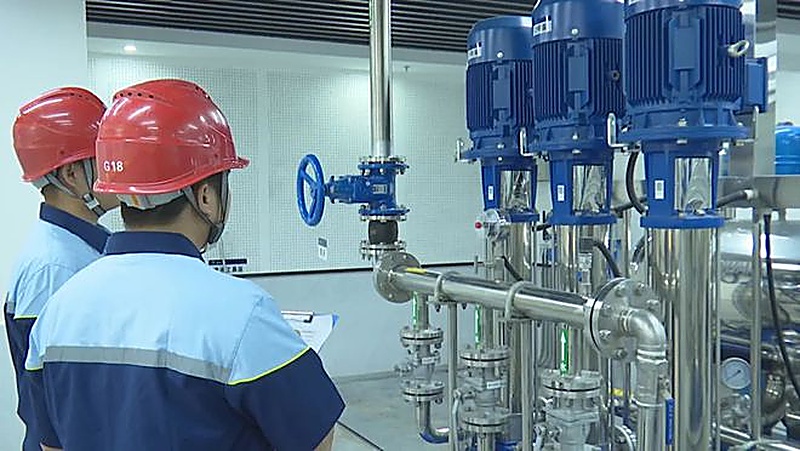
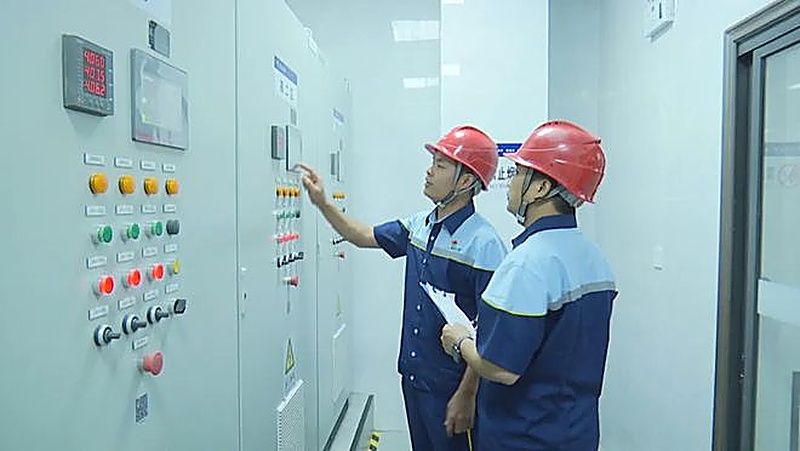
Depending on facility conditions, online monitoring may be installed for water level, turbidity, pH, disinfectant residual, and other parameters, while an electronic inspection system may record cleaning, maintenance, and abnormal-event handling. Online data are mainly used for operational early warning. They cannot replace laboratory water-quality testing required by regulations, and drinking-water compliance cannot be determined from only a few indicators.
Principle 4: Establish a Cleaning Schedule That Complies with Applicable Regulations
The frequency of tank cleaning and disinfection must comply with local regulations and management requirements. National standards require the work to be carried out at least once a year; where local rules impose higher requirements, those rules must be followed. Cleaning, disinfection, and water-quality testing should also be arranged promptly after abnormal water quality, contamination incidents, facility repairs, or recommissioning following a long shutdown. A standardized process includes: outage notice ⇒ facility isolation ⇒ safety inspection ⇒ draining ⇒ pre-rinsing ⇒ scrubbing and any necessary professional rust treatment ⇒ secondary rinsing ⇒ disinfection ⇒ draining and rinsing ⇒ refilling ⇒ sampling and testing ⇒ restoration of service after compliance is confirmed.
Principle 5: Disclose Information, but Do Not Compromise Safety Boundaries During Supervision
Before cleaning, the planned outage time, service provider, products to be used, and main procedure should be announced. After completion, water-quality test results should be disclosed. Residents may supervise through videos, photographs, work records, or observation from a safely isolated area. Unrelated persons must not be allowed to enter the tank or approach a confined-space work area.
Principle 6: Establish an Emergency Plan for Contamination Incidents
If odor, turbidity, reddish water, excessive microbial levels, or external contamination occurs, the need to suspend water supply should be assessed immediately, the site should be protected, and the water-supply operator and relevant authorities should be notified. Safe temporary drinking water should be provided where necessary, and emergency cleaning and disinfection, sampling and testing, and a cause investigation should be organized. Normal water service may be restored only after water quality has been confirmed to comply with requirements.
Typical Control Approach: From Repeated Complaints to Standardized Management
For older residential communities with frequent complaints about green discoloration, rust, odor, or yellowish water, the causes should first be investigated, including cover sealing, light entry, dead-water zones, weld corrosion, and operating management. A professional team can then carry out mechanical cleaning, targeted repairs, standardized disinfection, and light-exclusion and sealing improvements, followed by a system of cleaning records and regular disclosure of water-quality results. The effectiveness of the work should be evaluated using test results for turbidity, color, visible particles, microbiological indicators, and relevant disinfection parameters. Phenomena related to water hardness, such as whether a kettle still forms scale, must not be used as a substitute for water-quality evaluation.
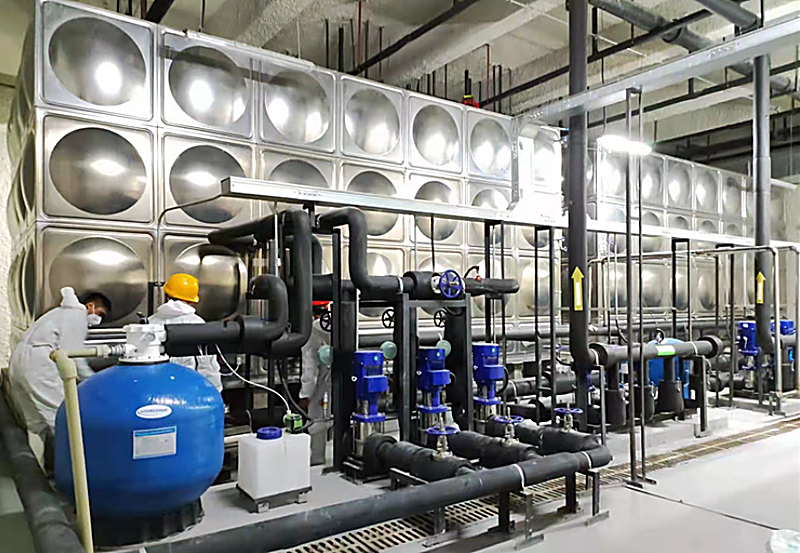
Cleaning a secondary water supply tank is not a simple scrubbing task. It is a systematic operation involving drinking-water hygiene, equipment maintenance, and confined-space safety. Standardized management should include investigation of contamination causes, professional cleaning, targeted corrosion repair, compliant disinfection, thorough rinsing, water-quality testing, and routine inspection. Only by integrating cleaning, disinfection, testing, and preventive measures can the risk of secondary contamination be continuously reduced and the safety of residents' water supply be protected.
Chlorine dioxide can efficiently disinfect drinking water, is not easy to generate carcinogenic disinfection by-products, and will produce chlorite and other residues, which must comply with the national standard limits. It shall be accurately added according to the water quality and equipped with qualified equipment and process. The safety of compliant use is high. Water supply enterprises need to do a good job in control and monitoring to ensure the safety of water quality.
Chlorine dioxide is a who Certified grade A1 safe disinfectant with high sterilization efficiency, few harmful by-products, strong water quality adaptability and multiple water purification functions; Compared with traditional chlorine disinfection, it is safer and more environmental friendly, and can be widely used in drinking water, sewage treatment, food and beverage disinfection and other fields.
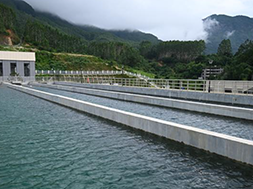
Chlorine dioxide can sterilize and remove odors in water treatment plants and is unlikely to generate trihalomethanes. However, in practical applications, it can fail to remove odors or even produce new unpleasant smells. Organic matter in the water source, bromide ions, and low temperatures can affect treatment effectiveness. Furthermore, its removal capacity for geosmin and 2-methylisoborneol is limited, and improper dosage can also cause odor problems. Water treatment plants need to strengthen water quality monitoring, dynamically adjust dosages, and, when necessary, combine ozone-activated carbon processes to ensure that the odor of the treated drinking water meets standards.
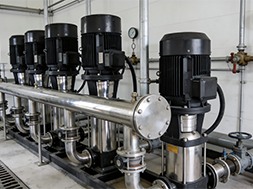
When adding chlorine dioxide to the water pumping station to maintain residual chlorine in the pipeline network, it is necessary to avoid pipeline corrosion caused by local high concentrations. The dosage should be accurately controlled by flow-linked dosing, pipeline mixing, and online residual chlorine monitoring, while also paying attention to under-scale corrosion, thus balancing disinfection and pipeline protection.
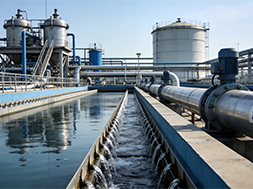
Pipeline network renovations can easily alter the hydraulic conditions of the network, increasing flow velocity and creating stagnant zones that consume chlorine dioxide, leading to fluctuations in water quality. Water plants can ensure the quality of water supplied to the end points through monitoring and prediction, dynamic chemical dosing, pipeline flushing, and the activation of contingency plans.
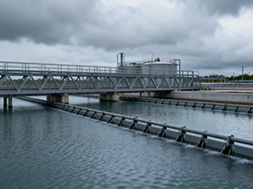
Traditional chlorine disinfection is prone to producing carcinogenic halogenated by-products; chlorine dioxide oxidizes and kills bacteria, with almost no such by-products, good inactivation effect, and the ability to remove odor and inhibit algae, but it generates by-products such as chlorite, requires higher raw material and operation and maintenance costs, and is suitable for water plants that can be upgraded and managed in a coordinated manner, rather than being simply and directly replaced.
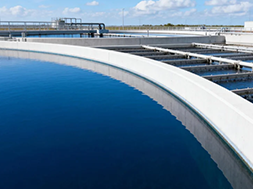
This study simulates a scenario where a small town's water plant experiences a sudden pollution outbreak caused by medical wastewater and the failure of chlorine dioxide disinfection. It analyzes the reasons why pollutants consume disinfectant and provides four-step emergency response measures. Furthermore, it proposes long-term improvement suggestions in terms of monitoring, supplies, contingency plans, and drills to enhance the emergency response capabilities of small and medium-sized water plants.
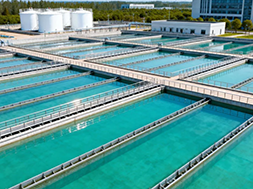
Switching from sodium hypochlorite to chlorine dioxide disinfection in water plants is not just about replacing equipment; it's a complete system upgrade. Chlorine dioxide disinfection is more effective, produces fewer byproducts, and has lower overall costs. However, many water plants only replace the hardware, neglecting personnel training and adapting management systems. The core of this transformation is shifting from experience-based to scientific operation.
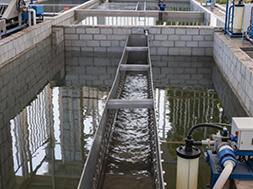
The actual dosage of chlorine dioxide at water treatment plants often exceeds the theoretical value, influenced by factors such as reducing agents in the water, sediment in the pipe network, water quality fluctuations, and byproduct consumption. By leveraging monitoring and local operational data to optimize dosage, we can provide water quality assessments and customized dosage solutions.
Northeast of Huangshan Road and Chuangye Intersection, Small and Medium sized Enterprise Entrepreneurship Industrial Park, Shanwang Town, Linqu County, Weifang City, Shandong Province
Copyright © 2025 by Shandong Huashi Pharmaceutical Co., Ltd All Rights Reserved


 Language
 中文
中文 Русский
 Chlorine Dioxide Disinfectant Manufacturer