Welcome to Our Factory for a Visit! Free customized disinfection solutions
A complete analysis from process selection, exhaust gas control to water quality by-product management
For barrel water plants, the disinfection process should not only ensure microbial safety, but also take into account the finished water outlet feel, disinfection by-products, equipment operation safety, and environmental compliance. Ozone and chlorine dioxide each have their own applicable conditions, and one process cannot be simply defined as "outdated", nor can another process be packaged as a natural "zero emission" process. A more reliable approach is to choose based on the quality of the raw water, the reaction route of the equipment, the closed absorption conditions, and the monitoring results.
1、 What are the difficulties of ozone technology?
Ozone has the characteristics of fast sterilization speed, strong oxidation ability, and no traditional chlorine containing aftertaste after reaction. It still has mature applications in the production of packaged drinking water. Its main management difficulty is not "poor disinfection effect", but rather gas-liquid mass transfer, exhaust gas treatment, and control of disinfection by-products.
Ozone cannot be fully utilized by water bodies after being added, and undissolved parts will escape from the contact system. Therefore, it is usually necessary to install exhaust gas collection and destruction devices. The exhaust volume is related to the amount of ozone added, mass transfer efficiency, water temperature, contact time, and equipment sealing degree; The exhaust gas destruction system is responsible for treating unused ozone, but it does not determine the disinfection effect of the front-end water body.
The odor or abnormal taste of the finished water cannot be simply attributed to "difficulty in exhaust gas treatment". A comprehensive investigation should be conducted on ozone dosage, contact time, organic matter and bromide ions in raw water, residual oxidants, packaging materials, and storage conditions. When using ozone, attention should also be paid to water quality indicators such as bromate.
2、 Advantages and boundaries of chlorine dioxide
Chlorine dioxide is a broad-spectrum oxidizing disinfectant that can be used in disinfection scenarios such as drinking water, object surfaces, and food processing equipment. Compared with traditional chlorine containing disinfectants, it can usually reduce the formation of some organic chlorine by-products and maintain good disinfection ability within a certain pH range. For bulk water plants that wish to reduce the burden of ozone tail gas treatment, chlorine dioxide can be an alternative solution.
However, 'less occurrence of chlorination reactions' does not mean that there are no by-products. When chlorine dioxide reacts and decays in water, it is necessary to focus on controlling chlorite; When using a chlorine dioxide and chlorine mixed disinfectant generator, attention should also be paid to indicators such as chlorate, trihalomethanes, and haloacetic acid. During the preparation process of the generator, salt reaction products, residual raw materials, and equipment cleaning wastewater may also be formed.
Chlorine dioxide also has volatility. When the concentration is high, the temperature rises, the aeration is disturbed, the negative pressure is unstable, or the equipment seal fails, it may still escape from the water phase. Therefore, 'chlorine dioxide is soluble in water' cannot be directly derived from 'no waste gas in the dosing room'.
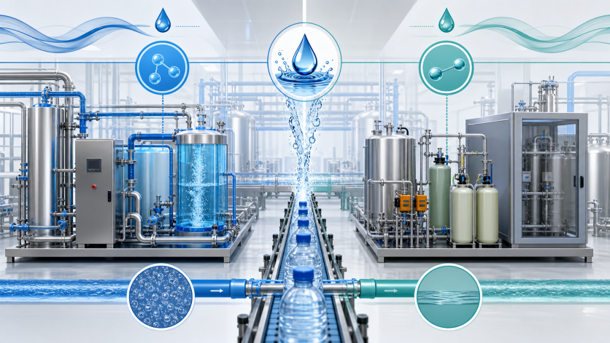
Figure 1: Ozone and chlorine dioxide processes each have their own applicable conditions, and the selection should be based on water quality and operational data
3、 To reduce the risk of exhaust emissions, the key is not just to choose high-purity equipment
Chemical chlorine dioxide generators on the market may generate high-purity chlorine dioxide or simultaneously produce chlorine dioxide and chlorine gas. Some sodium chlorate hydrochloric acid reaction routes may be accompanied by chlorine gas, but the specific by-product depends on the formula, reaction conditions, equipment performance, and control level. Therefore, we should not only look at the product names of "high-purity" or "composite", but also verify the reaction route, product purity, by-product gas data, and detection report.
In terms of engineering control, the generator, raw material feeding unit, and conveying pipeline should be kept sealed; A stable negative pressure can be formed using a water injector to introduce the reaction gas into a first or multi-stage absorption system. Whether the absorbed chlorine dioxide containing water can be directly used as a disinfectant requires confirmation of its concentration, purity, impurity level, and safe addition. Gas liquid absorption belongs to the process of pollutant transfer and recycling, and does not necessarily mean the natural disappearance of pollutants.
At the same time, negative pressure, flow rate, liquid level, and equipment failure interlocks should be set up to clarify the disposal measures for shutdown, emptying, maintenance, absorption system failure, and accident leakage. Only when the equipment is sealed, the negative pressure is stable, the absorption system is effective, and there is detection or material balance support under normal working conditions, is it suitable to express it as "low unorganized emission under normal working conditions" or "no conventional exhaust outlet is set after the exhaust gas is collected and absorbed", and it is not appropriate to declare it as "zero exhaust gas emissions" in a general way.
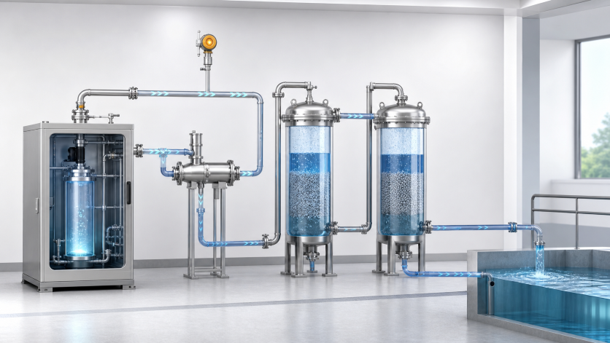
Figure 2: Closed preparation, stable negative pressure, and multi-stage absorption are key factors in controlling the release of chlorine dioxide (process schematic)
4、 Is it necessary to conduct a special atmospheric assessment if there are residential areas within 500 meters?
The answer is not simply 'yes' or' no '. For pollution impact projects that are subject to the technical guidelines for preparing environmental impact assessment forms for construction projects, atmospheric special assessments usually need to meet two conditions simultaneously: first, the exhaust gas emitted by the project contains toxic and harmful pollutants, dioxins, benzo [a] pyrene, cyanides, or chlorine gas as specified in the guidelines; Secondly, there are environmental air protection targets within 500 meters outside the factory boundary.
It needs to be clarified that chlorine gas is not included in the "List of Toxic and Harmful Air Pollutants (2018)", but is separately listed in the principles of atmospheric special evaluation in the technical guidelines for the preparation of the report form. Therefore, when the project adopts the process of possible associated chlorine gas generation, it should first verify whether there are actual chlorine containing waste gas emissions under normal and abnormal working conditions, and then make a judgment based on the environmental air protection targets within 500 meters and local approval requirements.
Replacing disinfectants does not mean that environmental management can be omitted. Environmental impact assessment, acceptance, and pollution management documents should still truthfully explain raw materials, production processes, pollution source strength, waste gas and wastewater treatment measures, solid waste destination, implementation standards, abnormal working conditions, environmental risks, and monitoring plans. The record of equipment maintenance costs cannot replace these legal or technical contents.
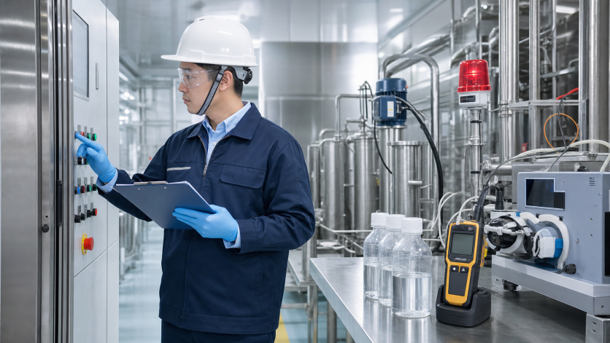
Figure 3: Environmental compliance still relies on on-site monitoring, interlocking control, standardized operation and maintenance, and safety management
5、 When selecting a bucket water plant, five key points should be emphasized
Key evaluation recommendations and practices
Verify the raw materials, chemical reaction routes, chlorine dioxide purity, chlorine gas and other by-product data, and do not use product names as a substitute for technical judgment.
Water quality verification is conducted on water bodies, storage tanks, pipelines, barrels, and barrel lids to verify effective concentration, contact time, flushing requirements, material compatibility, and residual water in finished products.
Implement closed preparation, stable negative pressure, multi-stage absorption, interlocking alarm, and abnormal working condition disposal for exhaust gas control, and verify the control effect through testing or material balance calculation.
Safety management focuses on the storage, operation, occupational exposure, and emergency risks of acidic raw materials, oxidants, chlorine dioxide, and potentially associated chlorine gas.
Compare the overall cost of equipment investment, drug consumption, electricity consumption, exhaust gas treatment, testing, maintenance, and personnel training throughout the entire life cycle, rather than just comparing individual electricity consumption.
Conclusion: The pursuit is verifiable low emissions, not slogan like "zero emissions"
Chlorine dioxide is not an unconditional replacement for ozone, nor can it automatically achieve environmental compliance simply by using high-purity generators. Its value lies in the opportunity to reduce the pressure of exhaust gas treatment in bulk water plants and simplify some operational processes, provided that the reaction route is reasonable, the equipment is sealed, negative pressure absorption is effective, water quality by-products are controlled, and safety management is in place.
For enterprises, the truly reliable method of "avoiding pitfalls" is not to replace one process with an absolute conclusion, but to prove the environmental performance under normal and abnormal working conditions through testing data, process validation, and compliance documents. From this perspective, "reducing the risk of exhaust emissions" is more accurate than "zero exhaust emissions" and can withstand environmental inspections more effectively.
Main basis
1. GB 5749-2022 "Sanitary Standards for Drinking Water".
2. GB 26366-2010 "Hygienic Standards for Chlorine Dioxide Disinfectants".
3. HJ/T 272-2006 "Technical Requirements for Environmental Protection Products - Chemical Method Chlorine Dioxide Disinfectant Generator".
4. Technical Guidelines for the Preparation of Environmental Impact Assessment Reports for Construction Projects (Pollution Impact Category) (Trial).
5. List of Toxic and Harmful Air Pollutants (2018).
Explanation: Specific projects should be judged based on the requirements of the local ecological environment department, the type of environmental impact assessment, equipment technical data, and on-site monitoring results.
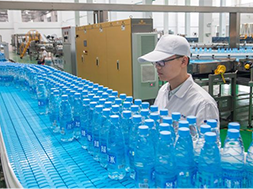
Chlorine dioxide can efficiently disinfect drinking water, is not easy to generate carcinogenic disinfection by-products, and will produce chlorite and other residues, which must comply with the national standard limits. It shall be accurately added according to the water quality and equipped with qualified equipment and process. The safety of compliant use is high. Water supply enterprises need to do a good job in control and monitoring to ensure the safety of water quality.
Chlorine dioxide is a who Certified grade A1 safe disinfectant with high sterilization efficiency, few harmful by-products, strong water quality adaptability and multiple water purification functions; Compared with traditional chlorine disinfection, it is safer and more environmental friendly, and can be widely used in drinking water, sewage treatment, food and beverage disinfection and other fields.
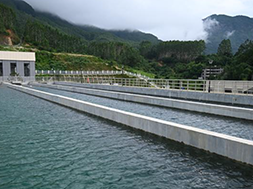
Chlorine dioxide can sterilize and remove odors in water treatment plants and is unlikely to generate trihalomethanes. However, in practical applications, it can fail to remove odors or even produce new unpleasant smells. Organic matter in the water source, bromide ions, and low temperatures can affect treatment effectiveness. Furthermore, its removal capacity for geosmin and 2-methylisoborneol is limited, and improper dosage can also cause odor problems. Water treatment plants need to strengthen water quality monitoring, dynamically adjust dosages, and, when necessary, combine ozone-activated carbon processes to ensure that the odor of the treated drinking water meets standards.
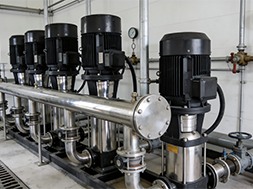
When adding chlorine dioxide to the water pumping station to maintain residual chlorine in the pipeline network, it is necessary to avoid pipeline corrosion caused by local high concentrations. The dosage should be accurately controlled by flow-linked dosing, pipeline mixing, and online residual chlorine monitoring, while also paying attention to under-scale corrosion, thus balancing disinfection and pipeline protection.
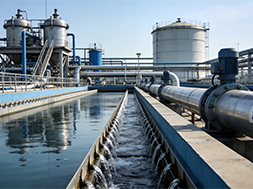
Pipeline network renovations can easily alter the hydraulic conditions of the network, increasing flow velocity and creating stagnant zones that consume chlorine dioxide, leading to fluctuations in water quality. Water plants can ensure the quality of water supplied to the end points through monitoring and prediction, dynamic chemical dosing, pipeline flushing, and the activation of contingency plans.
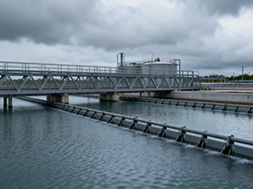
Traditional chlorine disinfection is prone to producing carcinogenic halogenated by-products; chlorine dioxide oxidizes and kills bacteria, with almost no such by-products, good inactivation effect, and the ability to remove odor and inhibit algae, but it generates by-products such as chlorite, requires higher raw material and operation and maintenance costs, and is suitable for water plants that can be upgraded and managed in a coordinated manner, rather than being simply and directly replaced.
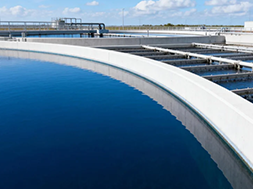
This study simulates a scenario where a small town's water plant experiences a sudden pollution outbreak caused by medical wastewater and the failure of chlorine dioxide disinfection. It analyzes the reasons why pollutants consume disinfectant and provides four-step emergency response measures. Furthermore, it proposes long-term improvement suggestions in terms of monitoring, supplies, contingency plans, and drills to enhance the emergency response capabilities of small and medium-sized water plants.
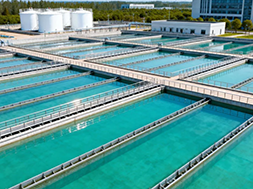
Switching from sodium hypochlorite to chlorine dioxide disinfection in water plants is not just about replacing equipment; it's a complete system upgrade. Chlorine dioxide disinfection is more effective, produces fewer byproducts, and has lower overall costs. However, many water plants only replace the hardware, neglecting personnel training and adapting management systems. The core of this transformation is shifting from experience-based to scientific operation.
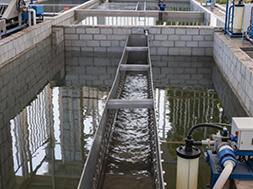
The actual dosage of chlorine dioxide at water treatment plants often exceeds the theoretical value, influenced by factors such as reducing agents in the water, sediment in the pipe network, water quality fluctuations, and byproduct consumption. By leveraging monitoring and local operational data to optimize dosage, we can provide water quality assessments and customized dosage solutions.
Northeast of Huangshan Road and Chuangye Intersection, Small and Medium sized Enterprise Entrepreneurship Industrial Park, Shanwang Town, Linqu County, Weifang City, Shandong Province
Copyright © 2025 by Shandong Huashi Pharmaceutical Co., Ltd All Rights Reserved


 Language
 中文
中文 Русский
 Chlorine Dioxide Disinfectant Manufacturer