Welcome to Our Factory for a Visit! Free customized disinfection solutions
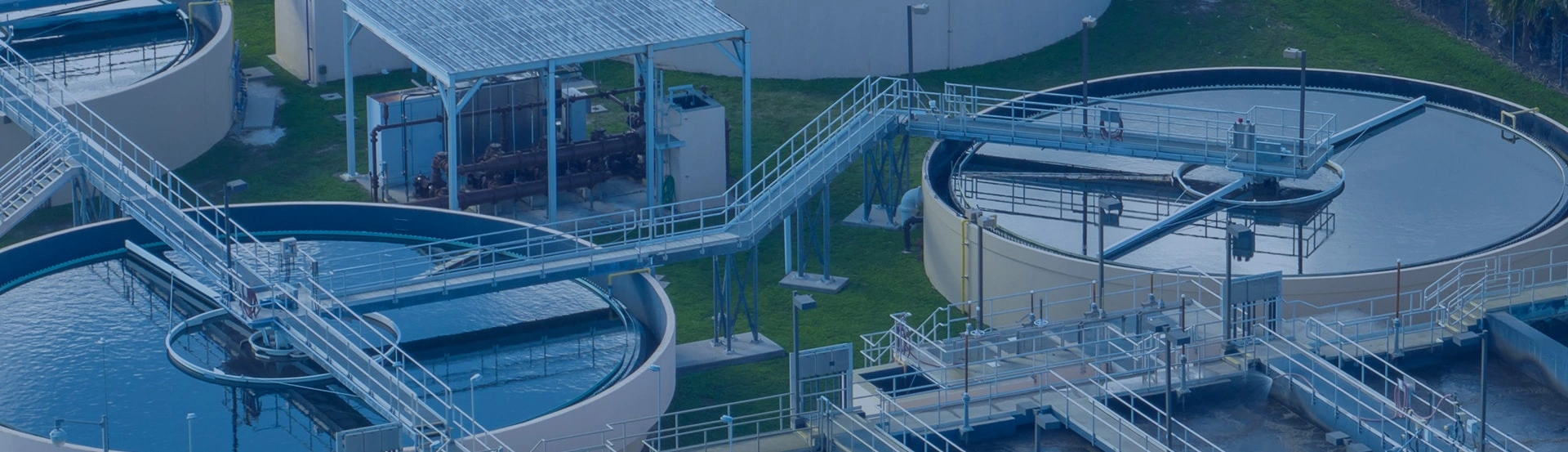
In tap water treatment processes, chlorine dioxide is widely adopted thanks to its powerful disinfection performance. It barely produces disinfection by-products such as trihalomethanes, making it a preferred disinfectant for water treatment plants.Chlorine dioxide travels through pipelines, safeguarding clean water from water plants along extensive pipe networks all the way to household taps. Significant consumption takes place during this long transportation. Hence, pump stations serving the "last mile" of water delivery deserve close attention. Secondary dosing of chlorine dioxide is often required at these facilities to maintain residual chlorine levels at pipe network endpoints.Still, operation and maintenance staff at water plants frequently face a dilemma. Even when residual chlorine test results within the pipe network meet standards, excessively high chemical concentrations often emerge locally on pipelines after terminal pumps, which frequently triggers pipeline corrosion.Today we will break down how to carry out this delicate dosing operation properly.I. Supplementary dosing is not blind over-dosing; uniform concentration is the top priorityMany practitioners hold a misunderstanding: to sustain residual chlorine in remote pipeline sections, adding more chlorine dioxide at pump rooms will always work. Nevertheless, chlorine dioxide is a strong oxidant. If it accumulates locally inside pipelines, it will continuously oxidize metal inner surfaces. Relevant research proves chlorine dioxide can alter the surface chemical properties of metal pipelines, and prolonged exposure to high concentrations accelerates pipe wall corrosion.Our core target is even distribution instead of localized high concentrations. Ideal supplementary dosing enables chlorine dioxide to blend into water smoothly, much like snowflakes melting gradually, rather than forming concentrated hotspots as if explosives were dropped locally.II. Three core measures for precise concentration controlHow can operators strike the proper balance in water supply pump rooms? Three practical field tips are shared below:
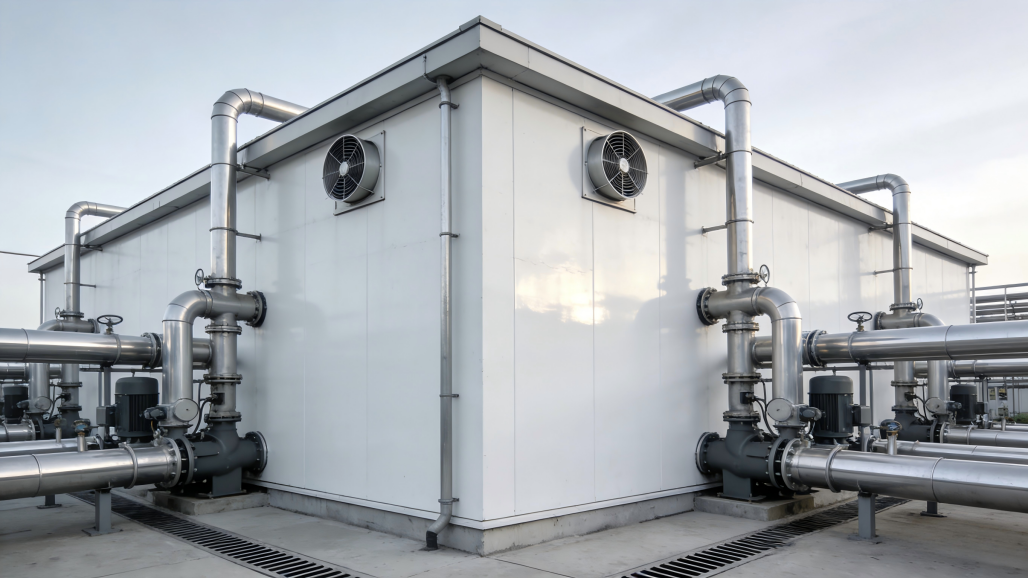
Dynamic follow-up: Match dosing rate to fluctuating water flow
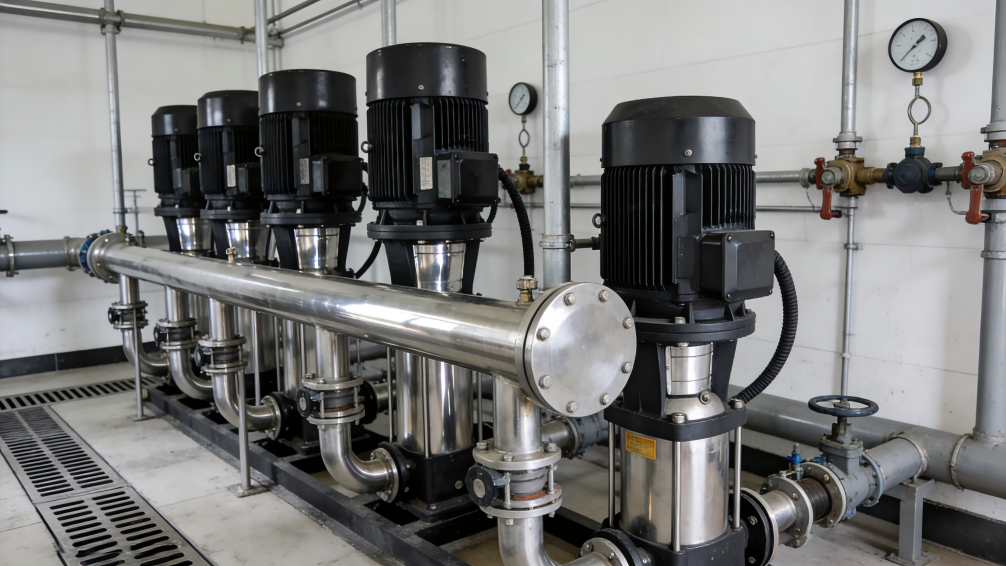
Water flow inside pump rooms varies drastically between peak hours and off-peak periods and never stays constant. If the dosing pump runs at a fixed output rate, chlorine dioxide concentration will surge when flow drops. Flow-proportional dosing is strongly recommended to link chemical dosage in real time with pump outlet flow. Flowmeter data can be transmitted directly to the dosing controller to realize automatic adjustment — deliver more chemical with higher water flow, and less chemical with lower flow. This prevents dramatic concentration fluctuations from the source.
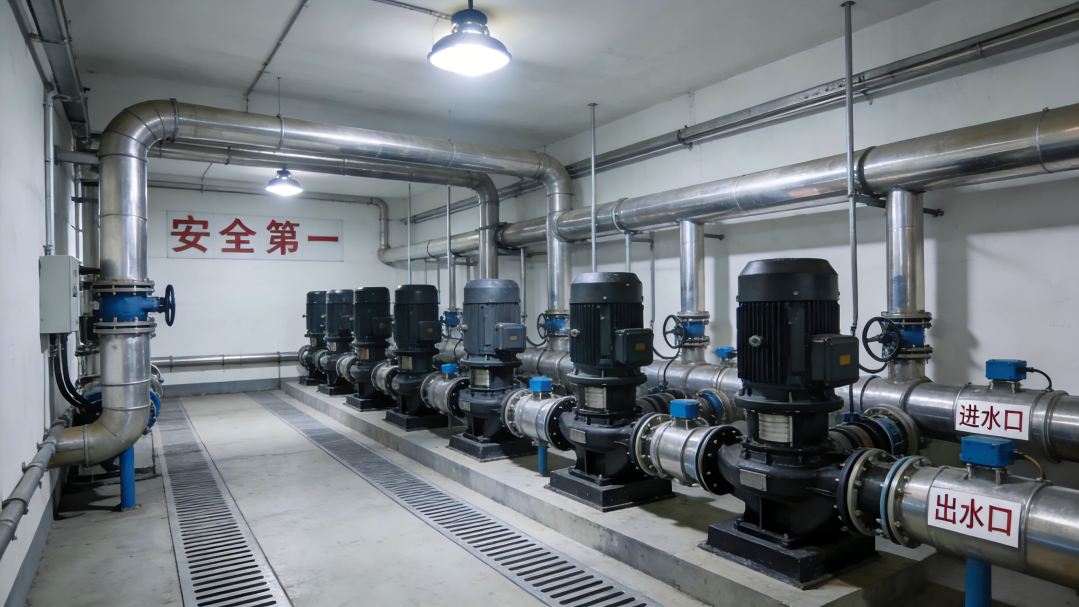
Set up a mixing buffer zone: Deploy inline static mixers
Many operators tend to arrange dosing points directly on pipelines downstream of pumps, yet this practice is inadvisable. Direct injection into the main water stream allows the chemical to creep along pipe walls before thorough diffusion. The proper approach is installing static inline mixers immediately after dosing points. Specially designed baffles inside the mixers continuously shear and swirl the water flow. This structure evenly disperses chlorine dioxide within tens of meters and prevents localized over-concentration.
Closed-loop verification: Online residual chlorine analyzers act as monitoring sentinels
Dosing effects must be judged based on real measured data. Operators can install online residual chlorine analyzers at suitable positions downstream of dosing points (ensuring full mixing of disinfectant and water) to supervise the whole dosing system. Set a target residual chlorine value (e.g. 0.5 mg/L). Once readings exceed the threshold, the system automatically cuts down dosing volume and avoids blind manual operation.
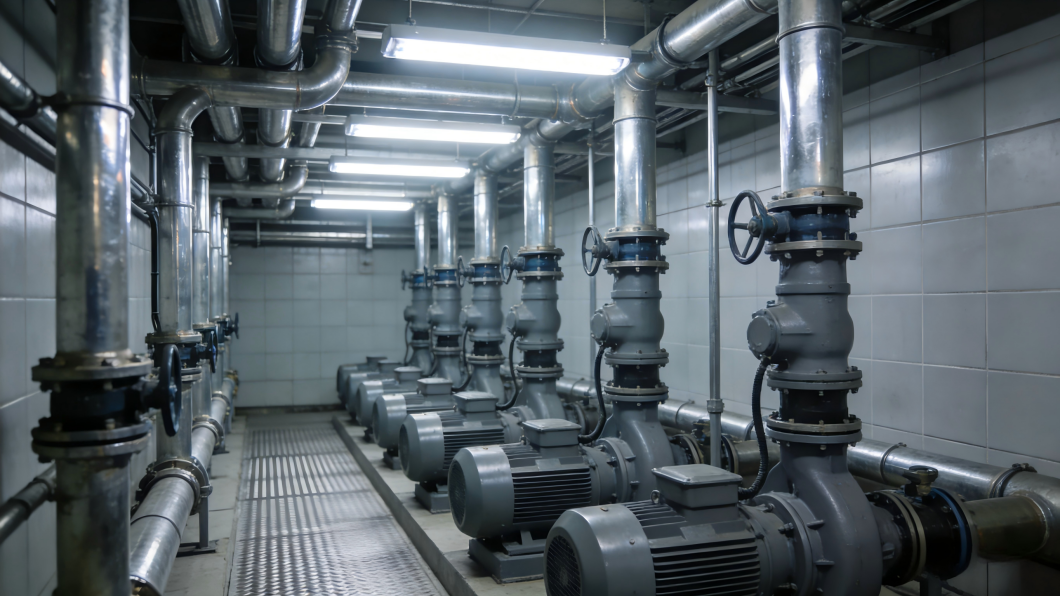
III. Hidden hazards to watch out for: Disinfection by-products and under-deposit corrosionStable concentration control is only fundamental. Operators also need to watch for oxygen-corrosion risks that may arise during chlorine dioxide preparation. Iron will be oxidized into ferric ions, which further combine with carbonate ions in water to form ferrous carbonate scale. Continuous buildup of iron scale leads to repeated localized corrosion, and may eventually cause pipeline perforation.Therefore, alongside residual chlorine monitoring, regular testing of dissolved oxygen levels and pipeline corrosion potential is essential. Moderate addition of corrosion inhibitors or appropriate pH adjustment often delivers unexpected pipeline protection effects.Uniform mixing of injected disinfectant, accurate dosing regulated via intelligent monitoring, and reduced local sedimentation through optimized hydraulic conditions — all these coordinated steps support systematic and stable water quality control. Proper management stops chlorine dioxide from triggering unintended damage to terminal water supply facilities.After all, disinfection is a long-term systematic task. The whole water supply system needs coordinated operation. We must avoid protecting water quality at the cost of damaging pipelines and auxiliary equipment, so every drop of supplied water can serve residents reliably.
Chlorine dioxide can efficiently disinfect drinking water, is not easy to generate carcinogenic disinfection by-products, and will produce chlorite and other residues, which must comply with the national standard limits. It shall be accurately added according to the water quality and equipped with qualified equipment and process. The safety of compliant use is high. Water supply enterprises need to do a good job in control and monitoring to ensure the safety of water quality.
Chlorine dioxide is a who Certified grade A1 safe disinfectant with high sterilization efficiency, few harmful by-products, strong water quality adaptability and multiple water purification functions; Compared with traditional chlorine disinfection, it is safer and more environmental friendly, and can be widely used in drinking water, sewage treatment, food and beverage disinfection and other fields.
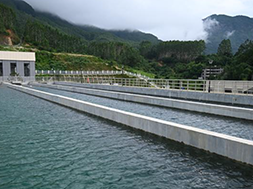
Chlorine dioxide can sterilize and remove odors in water treatment plants and is unlikely to generate trihalomethanes. However, in practical applications, it can fail to remove odors or even produce new unpleasant smells. Organic matter in the water source, bromide ions, and low temperatures can affect treatment effectiveness. Furthermore, its removal capacity for geosmin and 2-methylisoborneol is limited, and improper dosage can also cause odor problems. Water treatment plants need to strengthen water quality monitoring, dynamically adjust dosages, and, when necessary, combine ozone-activated carbon processes to ensure that the odor of the treated drinking water meets standards.
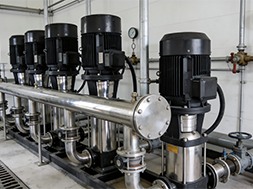
When adding chlorine dioxide to the water pumping station to maintain residual chlorine in the pipeline network, it is necessary to avoid pipeline corrosion caused by local high concentrations. The dosage should be accurately controlled by flow-linked dosing, pipeline mixing, and online residual chlorine monitoring, while also paying attention to under-scale corrosion, thus balancing disinfection and pipeline protection.
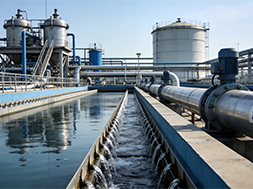
Pipeline network renovations can easily alter the hydraulic conditions of the network, increasing flow velocity and creating stagnant zones that consume chlorine dioxide, leading to fluctuations in water quality. Water plants can ensure the quality of water supplied to the end points through monitoring and prediction, dynamic chemical dosing, pipeline flushing, and the activation of contingency plans.
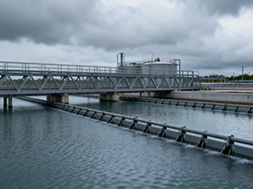
Traditional chlorine disinfection is prone to producing carcinogenic halogenated by-products; chlorine dioxide oxidizes and kills bacteria, with almost no such by-products, good inactivation effect, and the ability to remove odor and inhibit algae, but it generates by-products such as chlorite, requires higher raw material and operation and maintenance costs, and is suitable for water plants that can be upgraded and managed in a coordinated manner, rather than being simply and directly replaced.
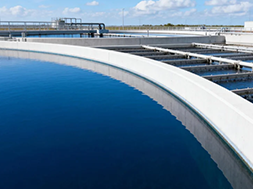
This study simulates a scenario where a small town's water plant experiences a sudden pollution outbreak caused by medical wastewater and the failure of chlorine dioxide disinfection. It analyzes the reasons why pollutants consume disinfectant and provides four-step emergency response measures. Furthermore, it proposes long-term improvement suggestions in terms of monitoring, supplies, contingency plans, and drills to enhance the emergency response capabilities of small and medium-sized water plants.
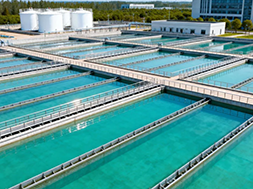
Switching from sodium hypochlorite to chlorine dioxide disinfection in water plants is not just about replacing equipment; it's a complete system upgrade. Chlorine dioxide disinfection is more effective, produces fewer byproducts, and has lower overall costs. However, many water plants only replace the hardware, neglecting personnel training and adapting management systems. The core of this transformation is shifting from experience-based to scientific operation.
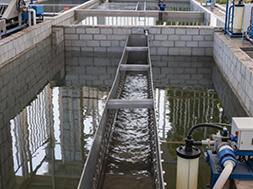
The actual dosage of chlorine dioxide at water treatment plants often exceeds the theoretical value, influenced by factors such as reducing agents in the water, sediment in the pipe network, water quality fluctuations, and byproduct consumption. By leveraging monitoring and local operational data to optimize dosage, we can provide water quality assessments and customized dosage solutions.
Northeast of Huangshan Road and Chuangye Intersection, Small and Medium sized Enterprise Entrepreneurship Industrial Park, Shanwang Town, Linqu County, Weifang City, Shandong Province
Copyright © 2025 by Shandong Huashi Pharmaceutical Co., Ltd All Rights Reserved


 Language
 中文
中文 Русский
 Chlorine Dioxide Disinfectant Manufacturer