Welcome to Our Factory for a Visit! Free customized disinfection solutions

Chlorine dioxide has become a core component of public health. It not only demonstrates irreplaceable advantages in drinking water treatment, food processing, and medical epidemic prevention, but is also recognized by the World Health Organization as an A1-level safe disinfectant. In China , as early as July 2025, the government directly adopted the "Hygienic Requirements for Chlorine Dioxide Disinfectant Generators" (GB 28931-2024) as the industry standard for strict regulation, indirectly reflecting the authority of chlorine dioxide's powerful disinfection effect.
Despite its recognized social standing, numerous user feedback reports indicate that chlorine dioxide's disinfection effect is "not as expected." This has led many users into misconceptions about the product. Is the problem with chlorine dioxide itself, or is it due to incorrect user usage? From a product technology perspective, this article provides a professional explanation of three typical misconceptions, revealing the truth about chlorine dioxide disinfection.
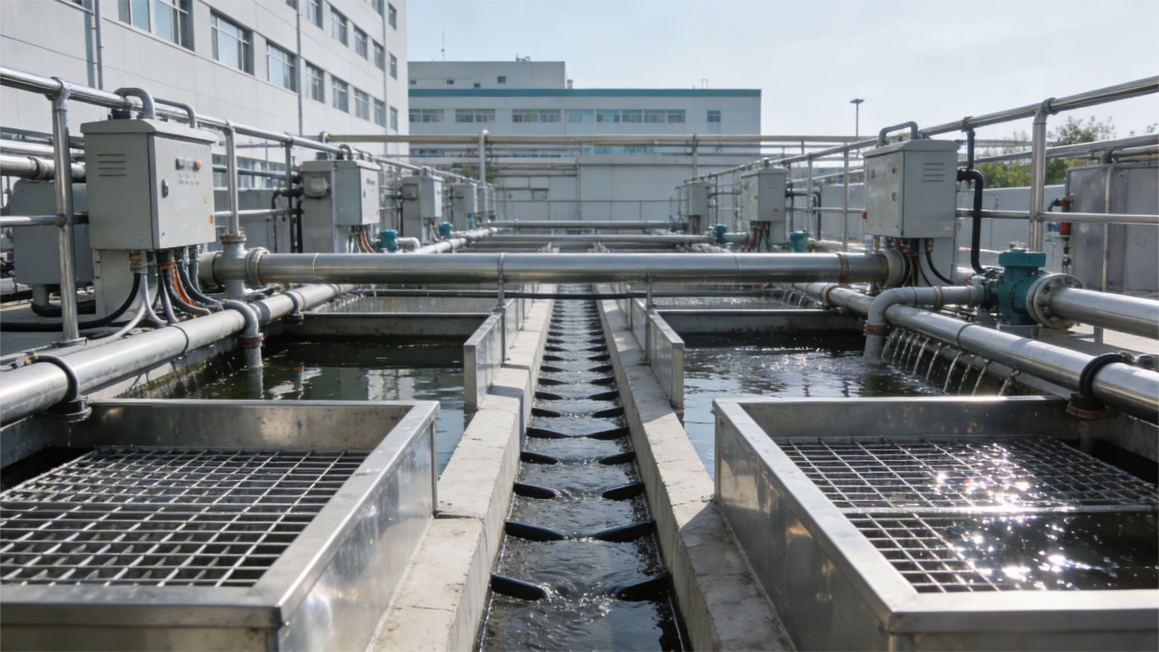
Myth 1: The higher the concentration, the better the disinfection effect.
Correction: The disinfection effect of chlorine dioxide is not determined by its concentration. Simply increasing the concentration not only increases costs and wastes resources, but also has the opposite effect—increasing odor and secondary pollution.
Many consumers believe that the more disinfectant they use, the more thorough it is. However, it's important to know that chlorine dioxide has a saturation threshold for degrading microbial cell membranes. The sterilization effect depends on the CT value, which is the product of concentration and time. Excessively pursuing high concentrations can actually lead to ineffective decomposition of the active ingredients due to excessive oxidation.
According to the "Guidelines for the Use of Disinfectants" (2022 edition) issued by the National Health Commission, there are strict concentration specifications for different disinfection targets: For surface disinfection, the recommended concentration is only 50mg/L-100mg/L, and an action time of 10-15 minutes is sufficient to achieve efficient inactivation. For drinking water, the recommended concentration is only 0.5mg/L-2mg/L, and an action time of 30 minutes is sufficient to completely inactivate enteric pathogens.
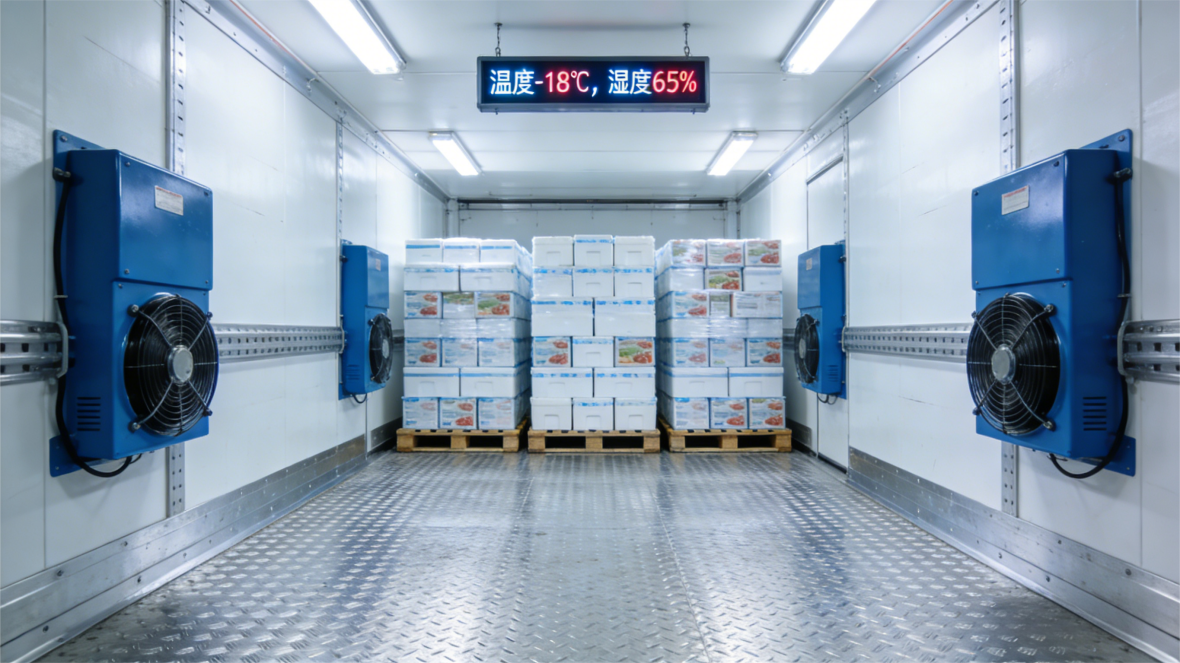
Myth 2: Ignoring material differences and lacking specificity
Correction: Chlorine dioxide is a strong oxidizing agent, and its tolerance varies depending on the material. Ignoring these differences in the materials used to disinfect the surfaces can easily cause corrosion and damage to the molecular structure, creating a new breeding ground for viruses.
Regarding metals: Chlorine dioxide is not a mild corrosive agent and is extremely corrosive to metals. Some moderately sensitive materials, such as 304 stainless steel and aluminum, are highly susceptible to pitting corrosion in a chlorine dioxide environment. Aluminum tools, in particular, will quickly develop pitting corrosion on their surfaces. If these tools are placed in a humid, high-temperature environment for extended periods, chlorine dioxide can cause them to corrode and crack.
In addition, many non-metallic materials, such as rubber mats on food factory floors and conveyor belts, will harden, crack, and lose elasticity if subjected to long-term wiping or atomized contact with chlorine dioxide. On the other hand, in special parts such as pump bodies, seals, and pipes, chlorine dioxide can seep into gaps, damaging the stable structure, causing component breakage, and in severe cases, directly leading to leakage or equipment damage.
It is evident that choosing a material-friendly disinfectant is essential. Xiuba chlorine dioxide offers a variety of industry-specific disinfectants tailored to specific production needs, easily matching materials in environments such as electronic cleanrooms, pharmaceutical GMP workshops, and food CIP systems. Without affecting sterilization activity, it significantly reduces oxidative corrosion to sensitive materials.
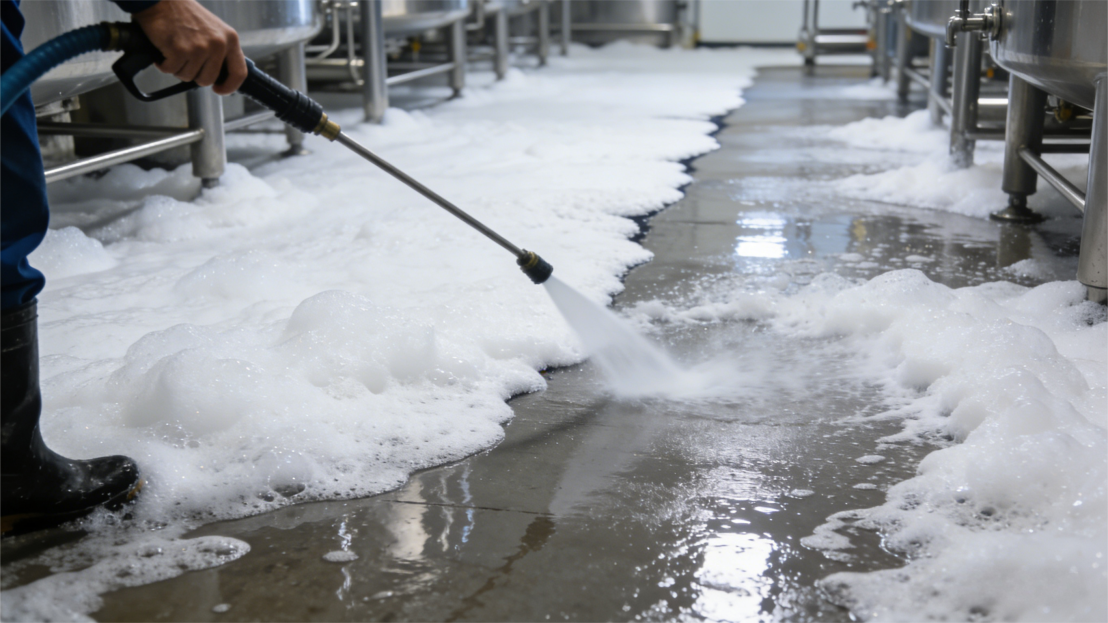
Myth 3: All disinfectants are the same, just choose the cheapest one.
Correction: The key to judging the quality of chlorine dioxide lies in its stability and activation rate. Low-priced products often fail to guarantee sufficient disinfection efficacy.
Qualified chlorine dioxide disinfectant products almost never react with organic matter in water to produce carcinogenic byproducts such as trihalomethanes. Many inferior products on the market may meet standards at the time of manufacture, but their effects can vary greatly due to differences in ingredients, coating technology, and the quality of surfactants.
1. Insufficient product activation
High-quality chlorine dioxide disinfectant powder can achieve an activation rate of over 96.5% (Xiuba's binary disinfectant A/B agent). Inferior or low-priced products may reduce the amount of chlorine dioxide used to cut costs, resulting in falsely labeled product content. Such products not only have a concentration far lower than the target concentration after the preparation process, but may also fail to kill bacteria and viruses, causing "false disinfection" of water sources, the environment, or equipment.
2. Excessive levels of by-products
Even if high-quality chlorine dioxide exceeds its shelf life by 12 months, it can still control the decay rate of its effective ingredients to below 10%. In contrast, inferior products that use cheap fillers have contents close to the lower limit right after leaving the factory. Coupled with prolonged storage, this can easily lead to incomplete activation of the chlorine dioxide, increasing the risk of residual byproducts.
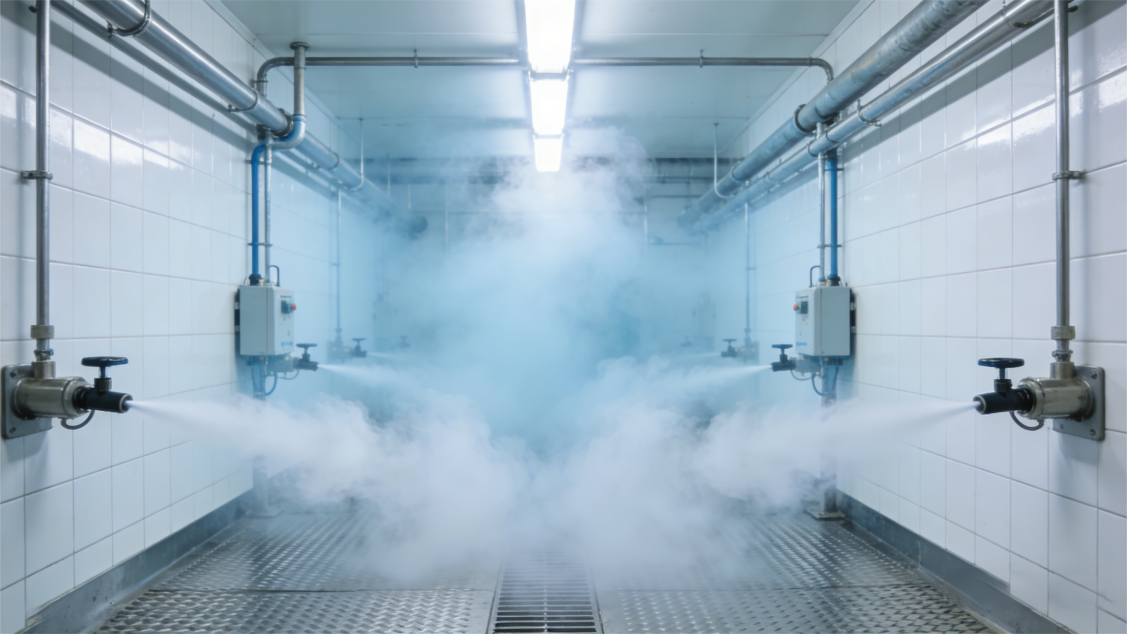
3. Poor stability
Many low-priced products use crude coating techniques. If this technique, which determines the product's effectiveness, is substandard, it directly affects the product's stability, leading to issues such as moisture absorption, premature decomposition, and the generation of chlorine gas, posing numerous safety hazards. This production process using inefficient ingredients and ineffective fillers directly reduces the disinfection efficacy of chlorine dioxide by a large margin.
The core indicator of chlorine dioxide is its oxidation efficiency. Choosing a "high-purity" chlorine dioxide product with stable and high disinfection effect and excellent activation rate is a decisive factor in ensuring the safety and compliance of the entire disinfection system.
Xiuba (mainly Shandong Huashi Pharmaceutical Co., Ltd.), a leading brand in the industry, originated during the development period of chlorine dioxide products in China. For decades, it has insisted on subjecting each batch of products to multiple quality inspection procedures before leaving the factory. The company possesses advanced R&D and production equipment and a stable quality control system, holding ISO9001 quality management system certification and high-tech enterprise qualification. Having cultivated the disinfection field for decades, the company has acquired cutting-edge, high-quality coating technology, a complete product preparation production line, and strictly controls and repeatedly tests the core indicator of conversion rate, achieving a technological advantage of high purity and minimal by-products in its products.
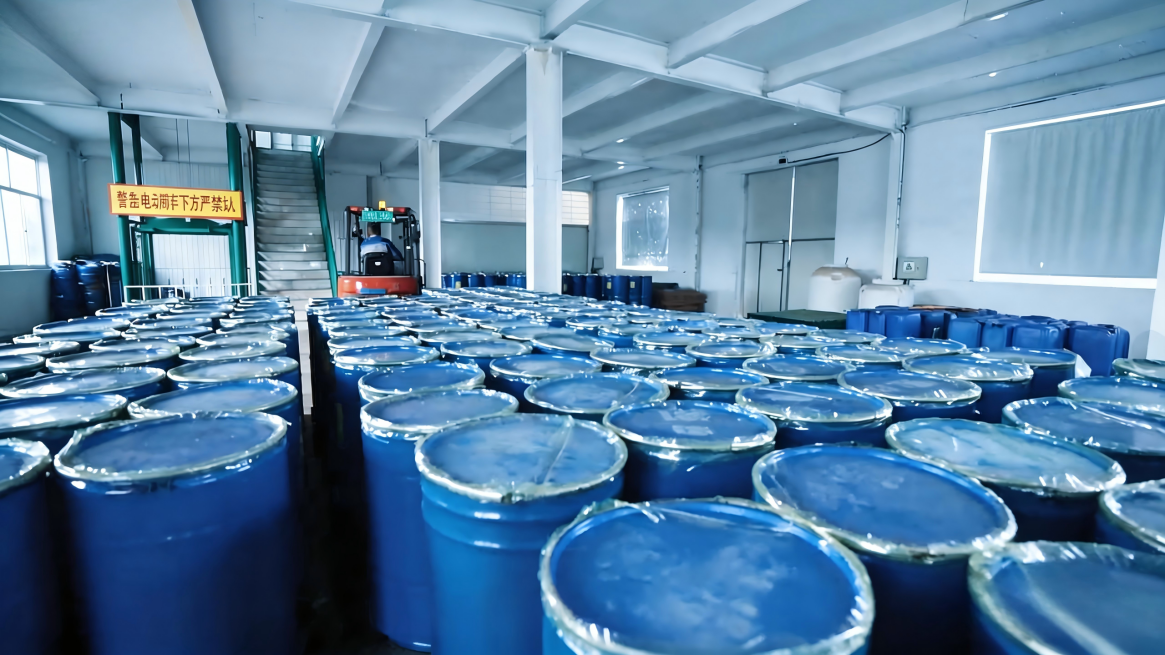
Xiuba rejects hype and empty promises; what we deliver is a traceable and verifiable technical commitment. This comprehensive after-sales technical maintenance stems from the confidence in our product quality and the boldness of the Xiuba brand itself. Xiuba has the confidence to be fully responsible to its customers; choosing Xiuba gives you complete peace of mind.
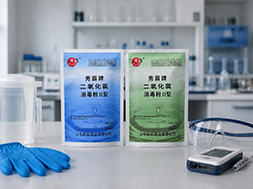
In 2026, Xiuba proposed that it is not enough to simply meet product qualification requirements; it is necessary to promote "green" practices in product selection, operation, safety, and record-keeping, rely on actual measurement data to verify effectiveness, strictly adhere to safety boundaries, and promote high-quality development of the industry.
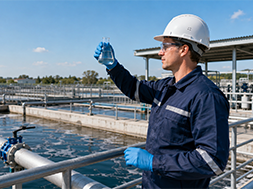
Traditional chlorine preparations are prone to producing harmful chlorination by-products and will eventually be phased out; Chlorine dioxide relies on a unique electron transfer oxidation mechanism, producing almost no organic chlorides, with high sterilization efficiency and lower risk of by-products. Xiuba relies on years of large-scale production and university research cooperation, with complete product qualifications, strict control of disinfection residues, and a balance between effective disinfection and ecological green, in line with the industry's green and low-carbon development trend.
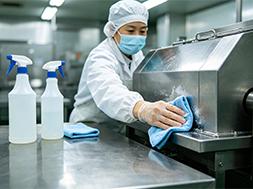
Focusing on three core selection dimensions—cost, safety, and broad-spectrum disinfection—this article compares chlorine dioxide with disinfectants such as ozone and peracetic acid, highlighting its significant advantages in terms of sterilization mechanism, usage safety, and long-term cost. The product is suitable for various scenarios including water supply, food processing, and wastewater treatment. Addressing market issues of misleading labeling, the article provides purchasing advice and recommends Xiuba Chlorine Dioxide, a brand with deep industry experience and complete certifications.
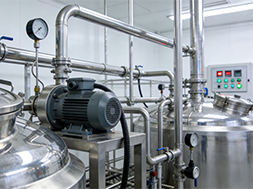
This article points out that during CIP cleaning, adding chlorine dioxide before alkaline washing and during acid-alkali rinsing has poor effects; the optimal point is after acid washing, when the acidic clean environment is suitable for the agent, and it is also necessary to drain residual acid, control the temperature, and circulate for 15-20 minutes to improve the disinfection effect.
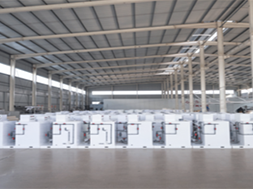
This article compares the applicable scenarios of chemical and electrolytic chlorine dioxide generators, explaining the manufacturer selection criteria from five dimensions: qualifications, accessories, case studies, after-sales service, and process compatibility. It also introduces five major development trends, including intelligent and modular equipment. Xiuba XB series equipment complies with GB 28931-2024 standards, has complete qualifications, and offers 24/7 full-process service. It is suitable for multiple industries and can reduce maintenance costs and operational risks.
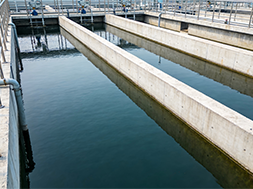
Chlorine dioxide is safe, efficient, and suitable for multiple industries, with the market continuously expanding and benefiting from ongoing policy support.Shandong Huashi Pharmaceutical's Xiuba division has been deeply involved in the industry for many years and can provide a full range of chlorine dioxide disinfection products and related technical services.
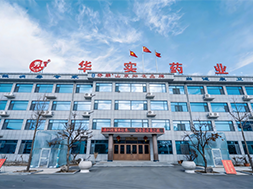
Xiuba has been deeply involved in chlorine dioxide disinfection for nearly 30 years, possessing mature technology and a rich product line. The brand has completed a strategic transformation, shifting from simply selling products to providing customized disinfection services throughout the entire process, integrating industry resources, and specifically addressing various disinfection pain points for companies in the drinking water, food, and medical fields.
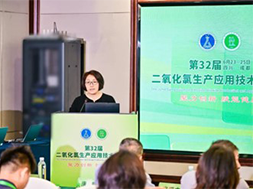
Shandong Huashi Pharmaceutical took part in the 32nd National Chlorine Dioxide Technology Symposium held in Chengdu this June. Our technical team shared professional research on chlorine dioxide disinfection for medical and public health scenarios and exchanged industry technologies with over 70 experts and manufacturers. This participation fully proves our solid R&D strength and professional standing in the chlorine dioxide disinfection field.
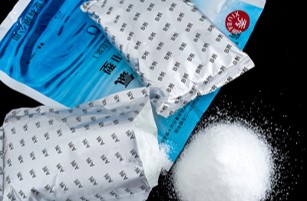
The rainstorm in many places in Shandong has caused the sediment, bacteria and organic matter in the water source to exceed the standard seriously. The traditional chlorine disinfection is prone to carcinogens and unstable sterilization, which makes it difficult to deal with sudden water pollution. High purity Xiuba chlorine dioxide has high sterilization efficiency and no harmful by-products. Combined with the three-level treatment process of the water plant, it can comprehensively ensure the safety of the water plant, secondary water supply, and household water use.
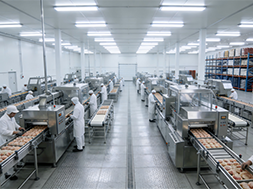
Chlorine dioxide spray disinfection in food packaging workshop is easy to cause combustion and explosion risk due to static electricity generated in dry environment. Comprehensive prevention and control can be achieved through four kinds of measures, including equipment anti-static grounding, optimization of atomization parameters, improvement of workshop humidity, static electricity monitoring and emergency plan.
Northeast of Huangshan Road and Chuangye Intersection, Small and Medium sized Enterprise Entrepreneurship Industrial Park, Shanwang Town, Linqu County, Weifang City, Shandong Province
Copyright © 2025 by Shandong Huashi Pharmaceutical Co., Ltd All Rights Reserved


 Language
 中文
中文 Русский
 Chlorine Dioxide Disinfectant Manufacturer


