Welcome to Our Factory for a Visit! Free customized disinfection solutions
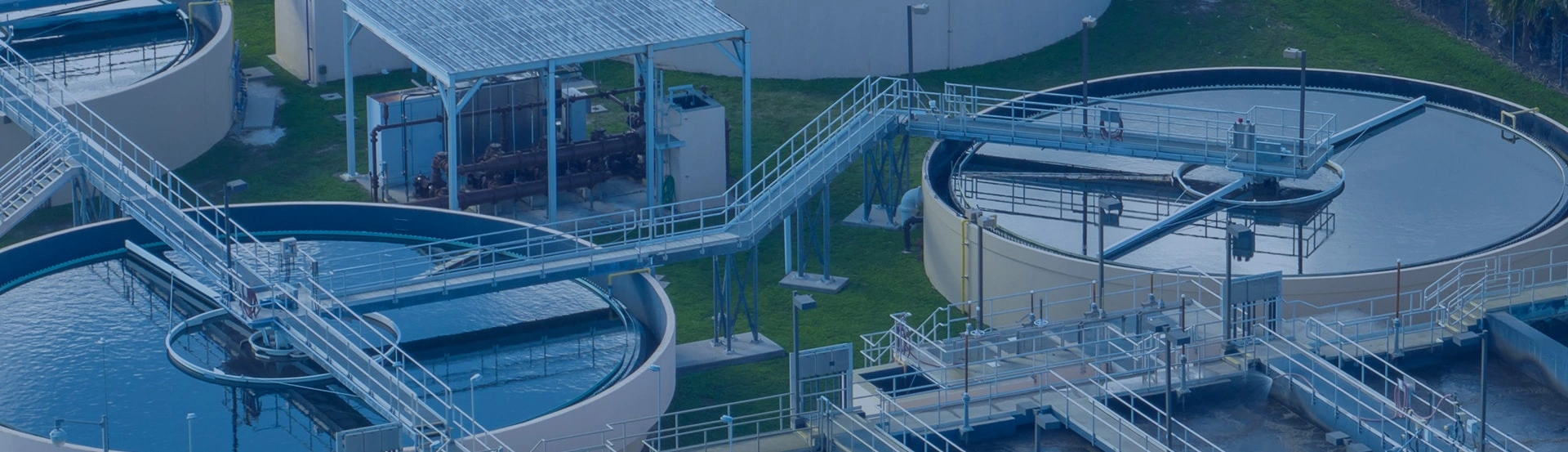
Water treatment is always challenged by the complexity of water quality. Sudden pollution events, water sources containing mixtures of silt and algae, and water bodies where highly acidic groundwater mixes with surface water can all bring severe challenges to the overall operating environment of water supply systems. In practical water treatment and disinfection, accurately identifying key water-quality variables can help achieve more precise disinfection results. When the pH of water fluctuates, what is the key to ensuring stable disinfection efficiency and compliant treatment results? The answer lies in the proper selection of disinfectants and the scientific design of the disinfection treatment system.
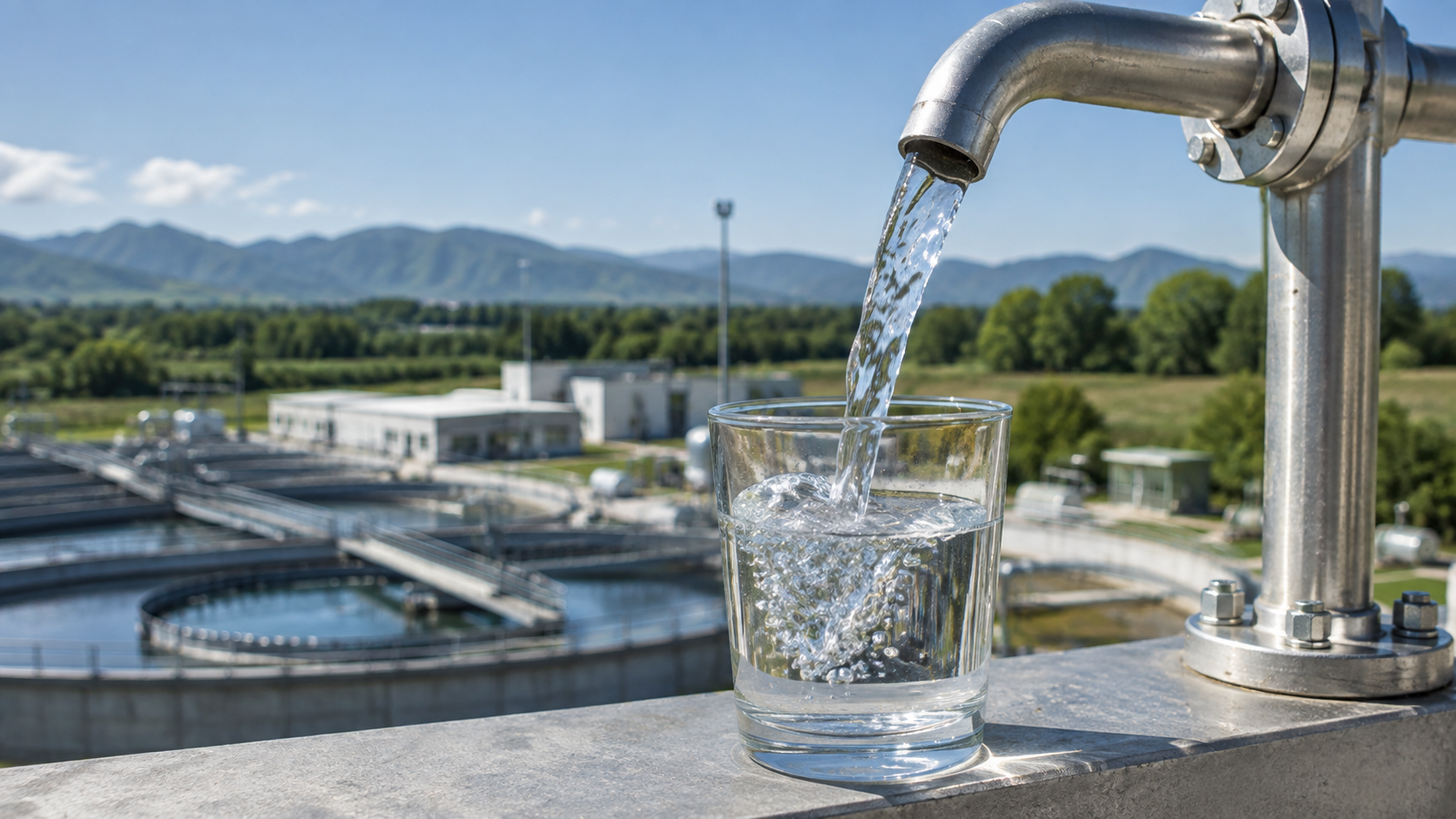
In China, water-source conditions vary greatly because of differences in population distribution and local environments. High-algae, high-pH, high-organic-matter and other complex water-quality conditions differ significantly from region to region. However, the disinfection of complex water sources is often still carried out using relatively standardized treatment models without sufficient adjustment to specific source-water conditions. As a result, it can be difficult to maintain long-term stability in daily water treatment. This is why scientific management of pH fluctuations has become an important issue in water treatment.
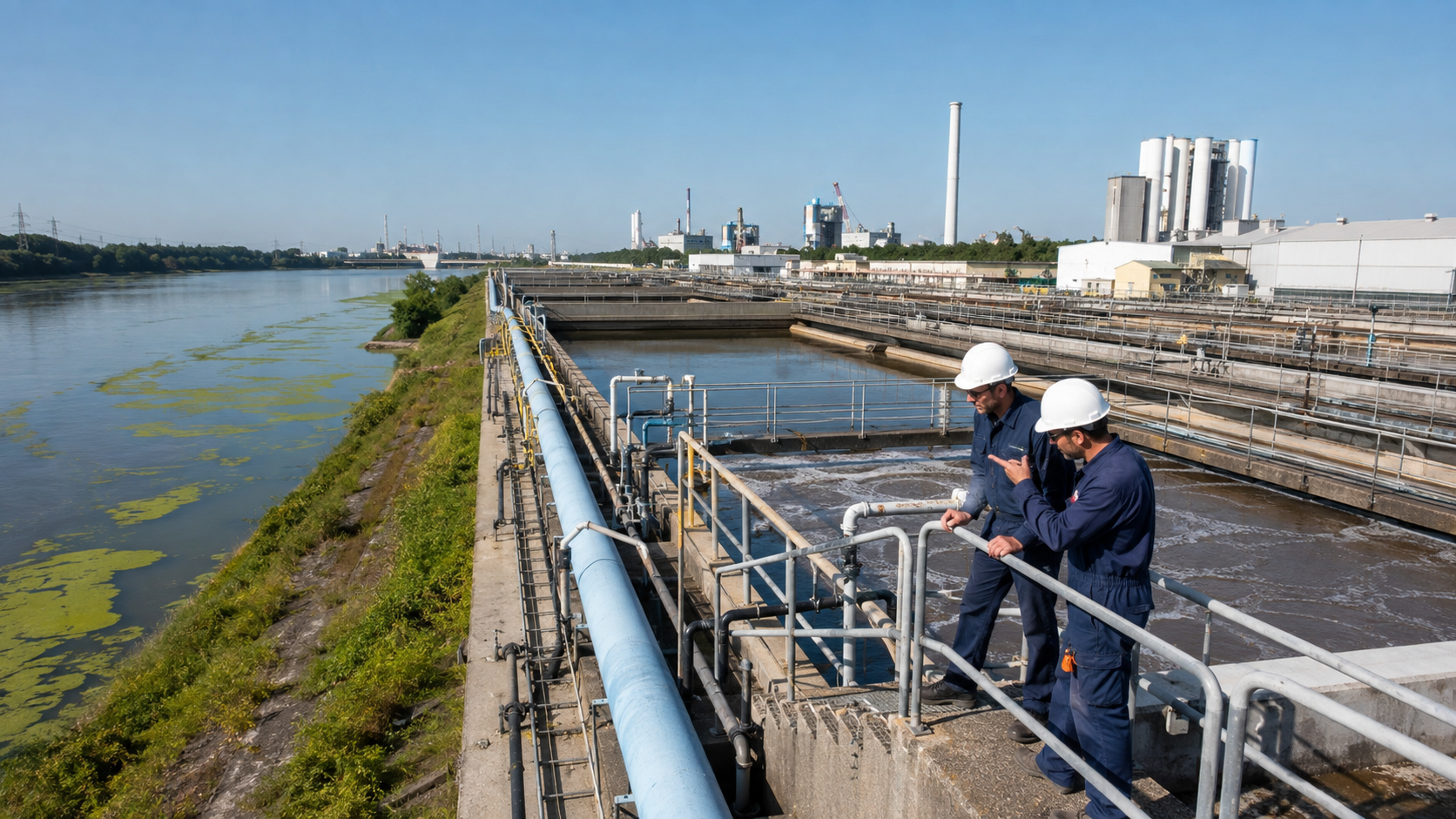
In the water treatment industry, pH monitoring is not only used to quantify the basic condition of the source water, but also provides a scientific basis for determining how subsequent disinfection processes should be adjusted.
In many cases, water treatment plants focus primarily on maintaining pH within the target range of 6–9, while overlooking the more subtle effects of pH fluctuations. For example, mildly acidic water may indirectly increase the corrosion risk of metal pipelines, which may contribute to yellow or reddish water after distribution.
In addition, excessive attention to meeting ammonia-nitrogen requirements while overlooking the cumulative effect of pH fluctuations may reduce the system’s ability to withstand sudden changes in influent water quality, forcing the disinfection process to be adjusted again.
Another issue is excessive pH adjustment. Some water treatment plants may consume unnecessary quantities of chemicals because the buffering effects of carbonates and phosphates in water are not fully considered, causing pH to rebound after adjustment and resulting in repeated chemical dosing.
Although pH is only one of many water-quality parameters, it is closely associated with biological activity, chemical consumption and water-quality safety. If pH is not managed as a dynamic variable, the entire water treatment system may remain difficult to control and difficult to keep consistently compliant. This is precisely why pH management deserves greater attention.
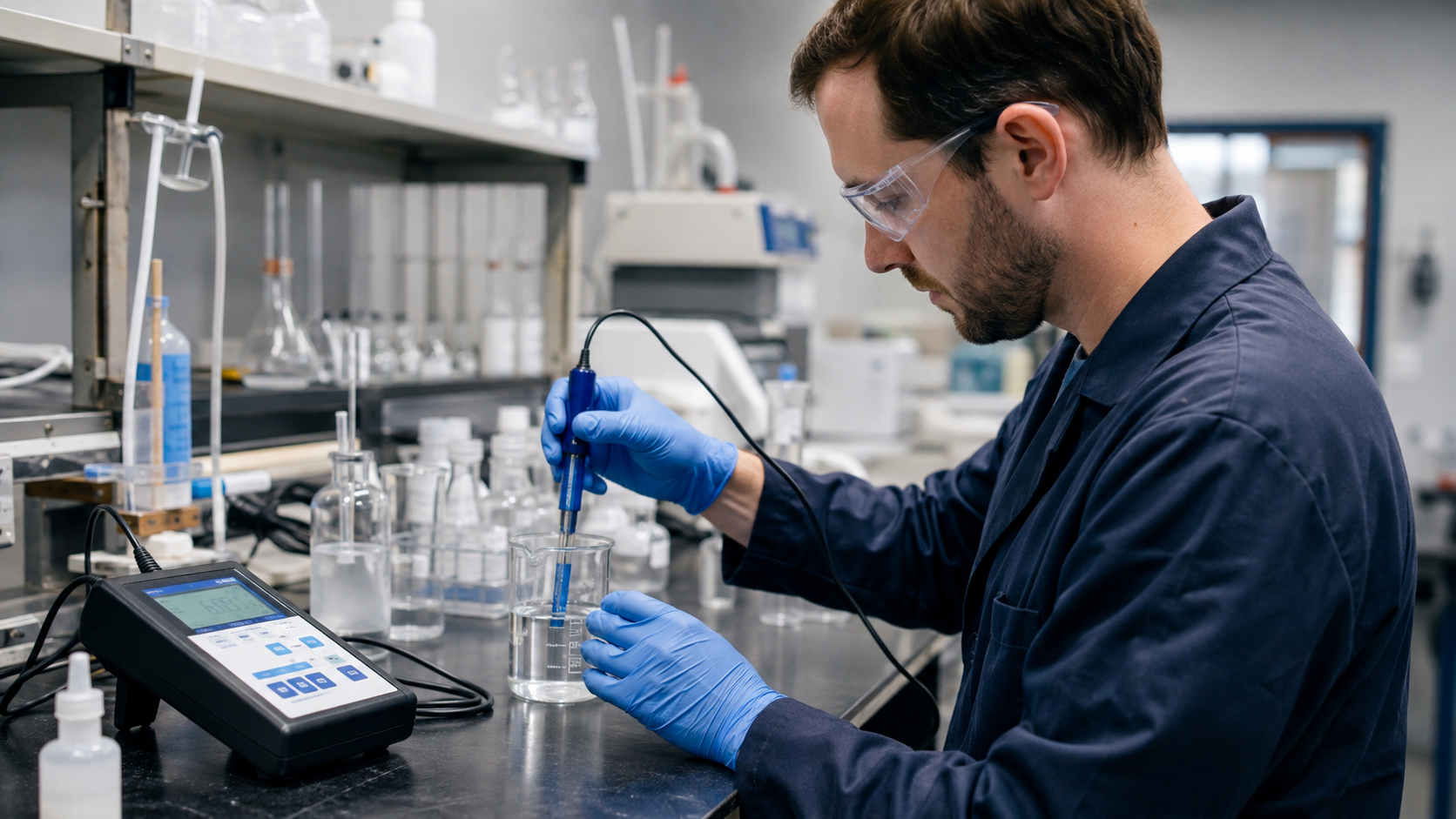
In water treatment and disinfection, chlorine dioxide is often highly regarded as a disinfectant. Although it would be an exaggeration to call it the “standard-setter” of disinfection, chlorine dioxide does demonstrate certain advantages when water pH fluctuates.
Studies have shown that chlorine dioxide can maintain disinfection activity across a relatively broad pH range of 4 to 10. This is mainly related to its single-electron transfer reaction mechanism. During oxidation reactions involving microbial cell structures in water, chlorine dioxide molecules consume relatively little H⁺ or OH⁻.
By comparison, many chlorine-containing disinfectants maintain stronger disinfection activity mainly within a narrower pH range, such as pH 6–8. When water conditions move outside the optimal range, their disinfection performance may decline, resulting in less stable treatment outcomes and potentially increasing the difficulty of controlling disinfection by-products.
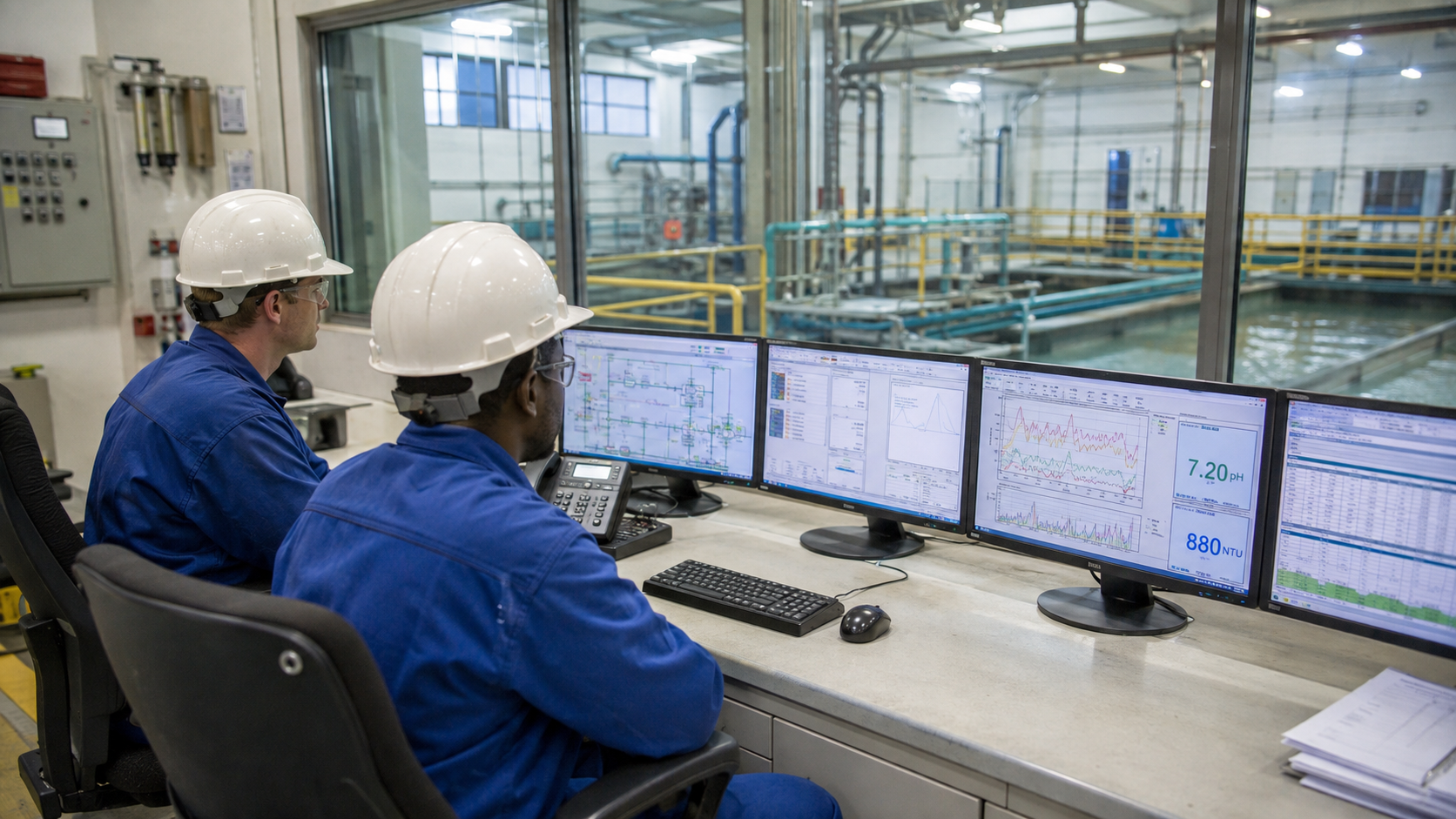
China’s Standards for Drinking Water Quality clearly specify limits for certain disinfection by-products, including a chlorate limit of 0.7 mg/L.
Conventional chlorine-based disinfectants may have difficulty maintaining consistent performance across different water-source conditions. XIUBA chlorine dioxide disinfectants, by comparison, can maintain relatively strong activity even in more alkaline water conditions. In a variety of complex-water experiments, their oxidation performance has produced practical treatment results, which is one of the reasons why XIUBA chlorine dioxide products are used in applications such as hospital wastewater disinfection.
In dynamic water-quality simulation testing, XIUBA chlorine dioxide products achieved a CT value of approximately 60% of that required by chlorine-based disinfectants under the tested conditions, indicating stronger performance in certain pre-oxidation and algae-control applications.
For chlorite control in finished water, test results showed that concentrations could be maintained at around 0.5 mg/L under corresponding operating conditions. This provides additional operational flexibility when water quality fluctuates during different periods.
The disinfection performance of XIUBA chlorine dioxide products is also associated with the product’s high-purity chlorine dioxide generation characteristics and stable oxidation performance. These features support more accurate dosing under different complex-water conditions and help balance disinfection efficiency with compliance requirements.
XIUBA chlorine dioxide disinfection is relatively less affected by pH fluctuations and can therefore provide greater flexibility for different water treatment scenarios. XIUBA currently offers more than ten chlorine dioxide products with different concentration ratios and oxidation capabilities for water-treatment applications, together with online technical support and follow-up service for practical applications.
Chlorine dioxide can efficiently disinfect drinking water, is not easy to generate carcinogenic disinfection by-products, and will produce chlorite and other residues, which must comply with the national standard limits. It shall be accurately added according to the water quality and equipped with qualified equipment and process. The safety of compliant use is high. Water supply enterprises need to do a good job in control and monitoring to ensure the safety of water quality.
Chlorine dioxide is a who Certified grade A1 safe disinfectant with high sterilization efficiency, few harmful by-products, strong water quality adaptability and multiple water purification functions; Compared with traditional chlorine disinfection, it is safer and more environmental friendly, and can be widely used in drinking water, sewage treatment, food and beverage disinfection and other fields.
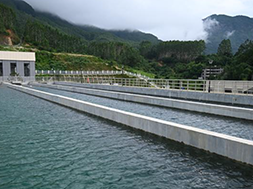
Chlorine dioxide can sterilize and remove odors in water treatment plants and is unlikely to generate trihalomethanes. However, in practical applications, it can fail to remove odors or even produce new unpleasant smells. Organic matter in the water source, bromide ions, and low temperatures can affect treatment effectiveness. Furthermore, its removal capacity for geosmin and 2-methylisoborneol is limited, and improper dosage can also cause odor problems. Water treatment plants need to strengthen water quality monitoring, dynamically adjust dosages, and, when necessary, combine ozone-activated carbon processes to ensure that the odor of the treated drinking water meets standards.
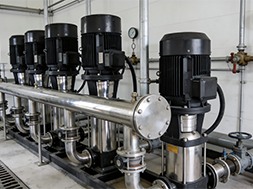
When adding chlorine dioxide to the water pumping station to maintain residual chlorine in the pipeline network, it is necessary to avoid pipeline corrosion caused by local high concentrations. The dosage should be accurately controlled by flow-linked dosing, pipeline mixing, and online residual chlorine monitoring, while also paying attention to under-scale corrosion, thus balancing disinfection and pipeline protection.
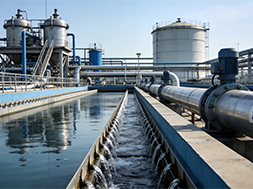
Pipeline network renovations can easily alter the hydraulic conditions of the network, increasing flow velocity and creating stagnant zones that consume chlorine dioxide, leading to fluctuations in water quality. Water plants can ensure the quality of water supplied to the end points through monitoring and prediction, dynamic chemical dosing, pipeline flushing, and the activation of contingency plans.
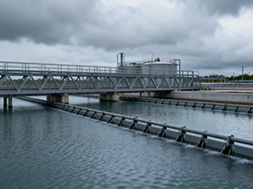
Traditional chlorine disinfection is prone to producing carcinogenic halogenated by-products; chlorine dioxide oxidizes and kills bacteria, with almost no such by-products, good inactivation effect, and the ability to remove odor and inhibit algae, but it generates by-products such as chlorite, requires higher raw material and operation and maintenance costs, and is suitable for water plants that can be upgraded and managed in a coordinated manner, rather than being simply and directly replaced.
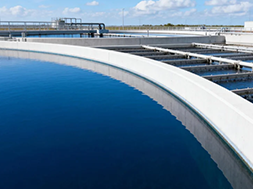
This study simulates a scenario where a small town's water plant experiences a sudden pollution outbreak caused by medical wastewater and the failure of chlorine dioxide disinfection. It analyzes the reasons why pollutants consume disinfectant and provides four-step emergency response measures. Furthermore, it proposes long-term improvement suggestions in terms of monitoring, supplies, contingency plans, and drills to enhance the emergency response capabilities of small and medium-sized water plants.
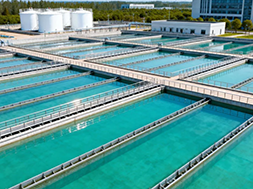
Switching from sodium hypochlorite to chlorine dioxide disinfection in water plants is not just about replacing equipment; it's a complete system upgrade. Chlorine dioxide disinfection is more effective, produces fewer byproducts, and has lower overall costs. However, many water plants only replace the hardware, neglecting personnel training and adapting management systems. The core of this transformation is shifting from experience-based to scientific operation.
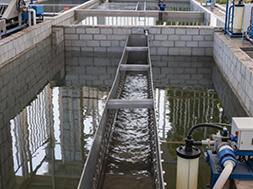
The actual dosage of chlorine dioxide at water treatment plants often exceeds the theoretical value, influenced by factors such as reducing agents in the water, sediment in the pipe network, water quality fluctuations, and byproduct consumption. By leveraging monitoring and local operational data to optimize dosage, we can provide water quality assessments and customized dosage solutions.
Northeast of Huangshan Road and Chuangye Intersection, Small and Medium sized Enterprise Entrepreneurship Industrial Park, Shanwang Town, Linqu County, Weifang City, Shandong Province
Copyright © 2025 by Shandong Huashi Pharmaceutical Co., Ltd All Rights Reserved


 Language
 中文
中文 Русский
 Chlorine Dioxide Disinfectant Manufacturer