Welcome to Our Factory for a Visit! Free customized disinfection solutions

As spring arrives and temperatures rise , algae in the water quietly "awaken," entering their most active breeding season of the year . For water plants, spring is not only a crucial period for water quality control, but also a tough battle against algae, crucial for drinking water safety, process stability, and operational cost control. Excessive algae growth can easily clog filters and increase the frequency of backwashing. Furthermore, the odor-causing substances they produce, such as geosmin and 2-methylisoborneol, as well as algal toxins, all pose potential threats to drinking water safety. Today, we've compiled some scientific solutions based on the actual challenges of algae control in spring , providing a practical guide for water plants' algae removal efforts .
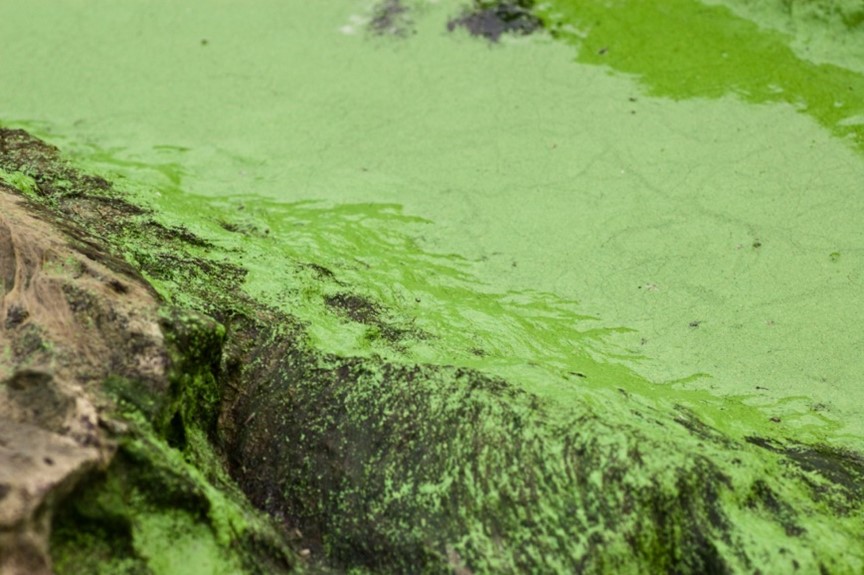
I. Why do algae grow so rapidly in spring?
affected by several factors, including light, water temperature, and the concentration of nutrients in the water . After spring arrives, the hours of sunshine lengthen and the water temperature gradually rises to a range suitable for algae growth, creating favorable conditions for photosynthesis. At the same time, nutrients that have been deposited at the bottom of the water body during winter are turned to the surface when water convection intensifies in spring, providing ample nutrients for the large-scale reproduction of algae and forming a "breeding ground" for algae growth.
In spring, water plants commonly encounter dominant algae species such as diatoms and early-stage blue-green algae. These algae not only affect the taste of drinking water but also interfere with conventional water purification processes such as coagulation, sedimentation, and filtration . This results in loose coagulated flocs that are difficult to settle, clogged filters, and significantly shortened operating cycles. These are all key challenges for water quality control in water plants during the spring.
II. Algae Removal and Water Protection: A Systematic Strategy from Source to Tap
Regarding the issue of algae control in water plants during the spring , relying on a single agent or process is unlikely to achieve the desired algae removal effect. Effective algae control requires comprehensive management covering the entire process, including source water control, water plant process optimization , and pipeline network operation and maintenance. To implement the three principles of "source control, process enhancement, and precise measures" in practice, it is essential to first ensure real-time monitoring and early warning of water sources , increasing the frequency of algae and chlorophyll a testing , and combining online monitoring with manual inspections to achieve early detection and treatment . For lakes and reservoirs with suitable conditions, ecological methods such as introducing filter -feeding fish and planting aquatic plants can inhibit algae growth at the source, significantly reducing the subsequent treatment burden . Adding a pre-oxidation stage is the first step before implementing water treatment processes and is crucial for improving algae removal efficiency. Traditional chlorine pre- oxidation easily produces disinfection byproducts, while chlorine dioxide, with its unique advantages, is better suited to the algae removal needs of spring—it can quickly kill algal cells with broken cell walls, oxidize and decompose algal-related odors , and produces almost no harmful byproducts such as trihalomethanes. Its oxidation performance is not affected by the pH value of the water body and can maintain a stable effect even when the raw water quality fluctuates. In practical applications, chlorine dioxide can be added at the water intake or before coagulation. The dosage of 0.5-2.0 mg/L can be determined through beaker tests based on the raw water quality, which can significantly improve the algae removal rate of coagulation and sedimentation and extend the filter's operating cycle. In addition, water sources with high algae incidence or water plants with high water quality requirements can upgrade to advanced processes such as ozone-activated carbon and membrane treatment. At the same time, water plants need to stockpile emergency algae removal agents and formulate contingency plans for algal blooms to deal with sudden algal blooms and ensure stable water supply.
III. Scientifically Selecting Algae-Removing Oxidizing Agents
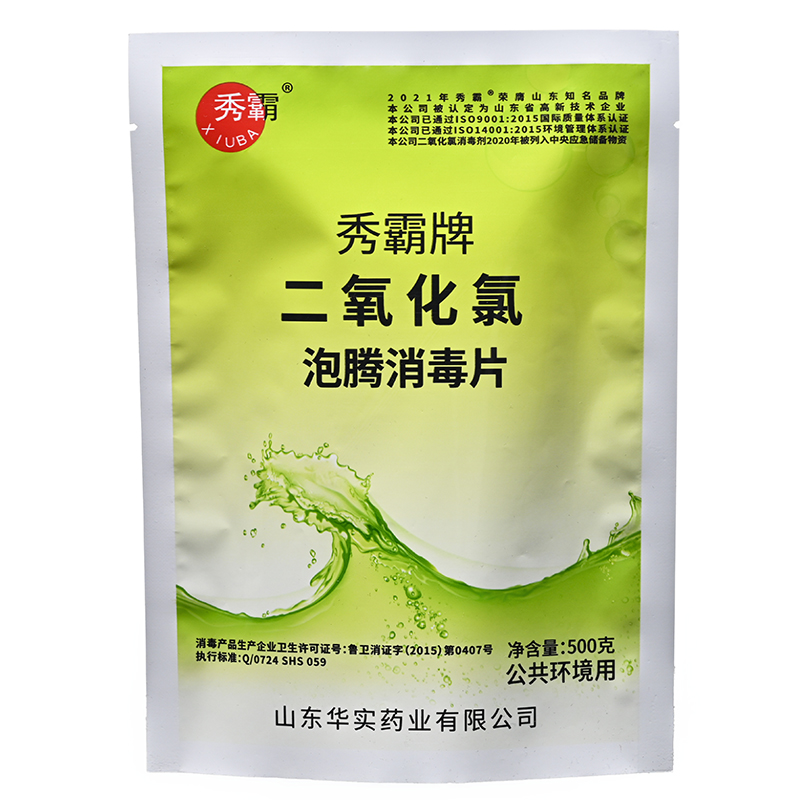
When selecting algaecides , water plants must consider several key factors , including effectiveness, safety, economy, and compatibility , as these affect algae control, water quality safety , and operating costs. In practical applications at water plants across various regions, Xiuba brand stable chlorine dioxide disinfectant has earned a good reputation for its excellent performance. Xiuba brand stable chlorine dioxide disinfectant is well-suited to the actual needs of water plants for algae control in spring. Leveraging extensive experience and advanced production technology, the product not only meets effective content standards and has a long shelf life, but also maintains a high activation rate during on-site use, rapidly releasing sufficient effective chlorine dioxide without repeated adjustments, ensuring efficient algae control. It effectively inactivates various algae commonly found in water plants during spring, such as diatoms and blue-green algae , while effectively removing earthy and musty odors caused by algae, improving the taste of drinking water and optimizing the user experience. The chemical reaction produces mainly chloride ions and chlorite. When added at the prescribed dosage, all indicators of the chlorine dioxide disinfectant meet national drinking water standards, without producing harmful byproducts such as trihalomethanes, effectively reducing the risks associated with disinfection byproducts. Furthermore, it exhibits excellent environmental adaptability, maintaining stable oxidation performance even when raw water temperature and pH fluctuate in spring, eliminating the need for frequent adjustments to dosage parameters. Its simple operation meets the practical needs of daily water plant operations.
IV. Authoritative Endorsements and Industry Recognition: Key Considerations When Choosing Algae Removal Products
As a core component of drinking water safety, water plants must prioritize the reliability of algae removal and disinfection products, along with their underlying technical expertise and authoritative certifications. These factors are not only fundamental to ensuring effective algae removal but also crucial for safeguarding water quality.
Since its founding in 1983, Shandong Huashi Pharmaceutical Co., Ltd. has been deeply involved in the field of chlorine dioxide disinfection. In the blink of an eye, 43 years have passed, during which time the company has accumulated rich industry experience in technological research and development and production practice. Chen Xiaoping, the company's technical director, is one of the drafters of the national standard for "Stable Chlorine Dioxide Solution" (GBT20783-2023), and has participated in the formulation of multiple standards over many years. The company also owns 35 chlorine dioxide-related patents, of which 9 invention patents have been successfully applied to the research and development and production of algae-removing and disinfection products. The company's production strictly adheres to the ISO9001 quality management system, ISO14001 environmental management system, and ISO45001 occupational health and safety management system standards, with strict quality control requirements throughout the entire process from raw materials to finished products.
In addition, Xiuba brand offers a variety of chlorine dioxide product formulations, including powder, tablets, and liquid, which can be flexibly adapted to different water plants based on their algae situation, process configuration, and treatment scale. At the same time, it can also tailor dosing plans for water plants and provide professional technical guidance to achieve "one policy for one plant" and help water plants carry out algae removal work efficiently in spring.
V. Key Points and Practical Suggestions for Algae Control in Spring
Over the years, we have served hundreds of water plants, accumulating a wealth of practical experience in algae removal . When it comes to using chlorine dioxide for algae removal in water plants, the most crucial point is to carefully control every detail and absolutely avoid blind operation. The following practical points are based on numerous on-site tests and repeated verifications, and are provided for reference by water plant operation and management personnel.
Spring algae control in water plants tests the technical control and meticulous management of the entire process. As long as we do a good job in every step and pay attention to details, we can minimize the impact of algae, allowing safe and clean water to flow into every household and safeguarding the bottom line of drinking water safety for the people.
In 2026, Xiuba proposed that it is not enough to simply meet product qualification requirements; it is necessary to promote "green" practices in product selection, operation, safety, and record-keeping, rely on actual measurement data to verify effectiveness, strictly adhere to safety boundaries, and promote high-quality development of the industry.
Traditional chlorine preparations are prone to producing harmful chlorination by-products and will eventually be phased out; Chlorine dioxide relies on a unique electron transfer oxidation mechanism, producing almost no organic chlorides, with high sterilization efficiency and lower risk of by-products. Xiuba relies on years of large-scale production and university research cooperation, with complete product qualifications, strict control of disinfection residues, and a balance between effective disinfection and ecological green, in line with the industry's green and low-carbon development trend.
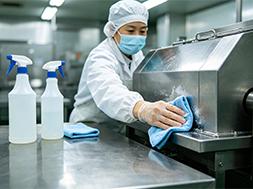
Focusing on three core selection dimensions—cost, safety, and broad-spectrum disinfection—this article compares chlorine dioxide with disinfectants such as ozone and peracetic acid, highlighting its significant advantages in terms of sterilization mechanism, usage safety, and long-term cost. The product is suitable for various scenarios including water supply, food processing, and wastewater treatment. Addressing market issues of misleading labeling, the article provides purchasing advice and recommends Xiuba Chlorine Dioxide, a brand with deep industry experience and complete certifications.
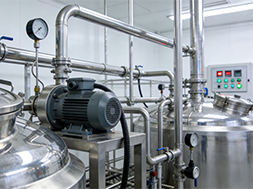
This article points out that during CIP cleaning, adding chlorine dioxide before alkaline washing and during acid-alkali rinsing has poor effects; the optimal point is after acid washing, when the acidic clean environment is suitable for the agent, and it is also necessary to drain residual acid, control the temperature, and circulate for 15-20 minutes to improve the disinfection effect.
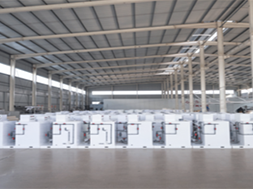
This article compares the applicable scenarios of chemical and electrolytic chlorine dioxide generators, explaining the manufacturer selection criteria from five dimensions: qualifications, accessories, case studies, after-sales service, and process compatibility. It also introduces five major development trends, including intelligent and modular equipment. Xiuba XB series equipment complies with GB 28931-2024 standards, has complete qualifications, and offers 24/7 full-process service. It is suitable for multiple industries and can reduce maintenance costs and operational risks.
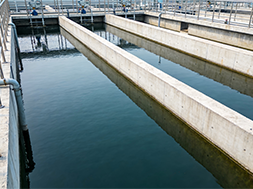
Chlorine dioxide is safe, efficient, and suitable for multiple industries, with the market continuously expanding and benefiting from ongoing policy support.Shandong Huashi Pharmaceutical's Xiuba division has been deeply involved in the industry for many years and can provide a full range of chlorine dioxide disinfection products and related technical services.
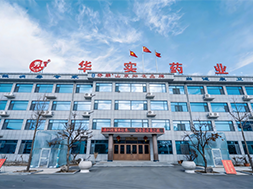
Xiuba has been deeply involved in chlorine dioxide disinfection for nearly 30 years, possessing mature technology and a rich product line. The brand has completed a strategic transformation, shifting from simply selling products to providing customized disinfection services throughout the entire process, integrating industry resources, and specifically addressing various disinfection pain points for companies in the drinking water, food, and medical fields.
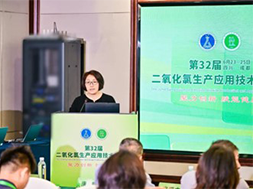
Shandong Huashi Pharmaceutical took part in the 32nd National Chlorine Dioxide Technology Symposium held in Chengdu this June. Our technical team shared professional research on chlorine dioxide disinfection for medical and public health scenarios and exchanged industry technologies with over 70 experts and manufacturers. This participation fully proves our solid R&D strength and professional standing in the chlorine dioxide disinfection field.
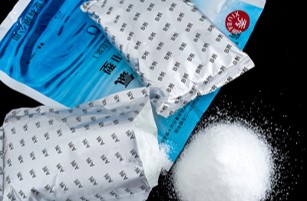
The rainstorm in many places in Shandong has caused the sediment, bacteria and organic matter in the water source to exceed the standard seriously. The traditional chlorine disinfection is prone to carcinogens and unstable sterilization, which makes it difficult to deal with sudden water pollution. High purity Xiuba chlorine dioxide has high sterilization efficiency and no harmful by-products. Combined with the three-level treatment process of the water plant, it can comprehensively ensure the safety of the water plant, secondary water supply, and household water use.

Chlorine dioxide spray disinfection in food packaging workshop is easy to cause combustion and explosion risk due to static electricity generated in dry environment. Comprehensive prevention and control can be achieved through four kinds of measures, including equipment anti-static grounding, optimization of atomization parameters, improvement of workshop humidity, static electricity monitoring and emergency plan.
Northeast of Huangshan Road and Chuangye Intersection, Small and Medium sized Enterprise Entrepreneurship Industrial Park, Shanwang Town, Linqu County, Weifang City, Shandong Province
Copyright © 2025 by Shandong Huashi Pharmaceutical Co., Ltd All Rights Reserved


 Language
 中文
中文 Русский
 Chlorine Dioxide Disinfectant Manufacturer


