Welcome to Our Factory for a Visit! Free customized disinfection solutions

In water treatment disinfection processes, what directly affects a company's operating costs and safety management effectiveness? It's the choice of disinfectant.
In the current water treatment industry, environmental standards are becoming increasingly stringent, and the cost of water systems is rising year by year, constantly forcing water treatment companies to increase their cost consumption. In addition to the necessary equipment supply and demand, they also need to purchase a large amount of disinfectants to maintain the stable operation of the industry every year.
As a core factor that can influence the operating costs and safety performance of water treatment companies, disinfectants are an area that severely tests product technology and brand expertise in the entire water treatment disinfection process.
Sodium hypochlorite has long been a widely used disinfectant in the water treatment industry due to its ease of operation and safe raw materials. However, compared to the emerging disinfectant chlorine dioxide, it seems to have a slight disadvantage in terms of overall cost per ton of water. Although both are mainstream disinfection technologies, their actual usage costs differ significantly. For medium-sized enterprises or even those with daily treatment capacities of tens of thousands of tons, this can result in savings of hundreds of thousands or even over a million yuan annually—enough to cover the cost of an entire production line.
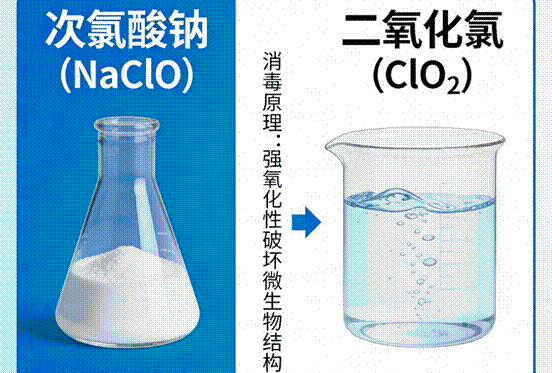
I. Differences in Technical Principles and Preparation Processes
Regarding the disinfection principle of chlorine dioxide: Due to its chemical reactivity, chlorine dioxide is usually prepared as a combination of chlorine dioxide powder and activators (hydrochloric acid and sodium chlorate) (Xiuba chlorine dioxide A/B agent product), and then applied for disinfection through on-site preparation. To avoid technical defects, a chlorine dioxide generator is specially designed for this type of product, which uses intelligent machine proportioning and metering to scientifically prepare the solution, ensuring precision and safety.
Regarding sodium hypochlorite disinfection processes: it is a product that can be added directly, or it can be electrolyzed using a sodium hypochlorite generator. The concentration of the finished sodium hypochlorite solution is typically 10%-15%, significantly lower than the concentration of the chlorine dioxide raw material.
The most obvious difference between the two lies in their preparation processes. While chlorine dioxide may seem to require additional mixing and formulation, it can be precisely controlled according to the actual water quality requirements, and with the help of a generator, it can be added without worry.
II. Disinfection efficacy and byproduct control of both methods
By-product risk control
As is well known, chlorine dioxide can effectively control trihalomethanes, and its characteristic of generating almost no byproducts perfectly aligns with current environmental standards. Directly adopting the chlorine dioxide process is an economically feasible solution for water treatment companies to ensure water quality safety, directly avoiding the risks, penalties, and resettlement costs arising from excessive disinfection byproducts.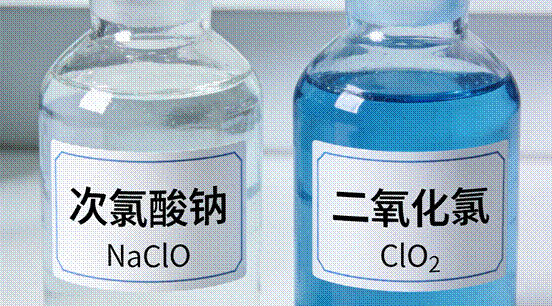
Disinfection efficiency comparison
Chlorine dioxide's ability to avoid the harmful effects of byproduct formation is a decisive advantage unmatched by other disinfectants. In terms of oxidation capacity, it far exceeds sodium hypochlorite by nearly 2.0 times in bactericidal ability. Coupled with the absence of byproduct risks, it's clear which disinfection efficacy is superior: under the same conditions, chlorine dioxide not only has a shorter disinfection reaction time but also avoids disproportionation reactions, which perfectly meets the needs of businesses requiring both efficiency and safety control.
Organic matter removal
Of course, chlorine dioxide's strong oxidizing properties, and its direct differentiating ability from other disinfectants, lies in its ability to directly penetrate organic matter. It directly degrades large molecules into smaller molecules, disrupting the cell membrane structure of organic matter and rendering it irreversible. This not only kills pollutants but also incidentally reduces COD and BOD levels in water bodies.
As the saying goes, the effectiveness of disinfection determines the economic difference. Chlorine dioxide process has low requirements for by-product treatment and no additional cost, effectively maximizing disinfection and outperforming sodium hypochlorite in terms of technology.
III. Risk Comparison of Hidden Costs
Transportation and storage costs
Sodium hypochlorite solution requires frequent purchases due to the decay of its effective chlorine concentration. Chlorine dioxide, on the other hand, is prepared on-site, and even if storage is necessary, its solid powder form significantly reduces the likelihood of decay, resulting in greater savings in logistics costs and storage space compared to sodium hypochlorite.
Equipment maintenance costs
The biggest difference between the two preparation equipment is the presence or absence of an electrolytic cell. Sodium hypochlorite requires electrode plate replacement every 3-5 years, with replacement costs accounting for approximately 20%-30% of the total machine price, and regular maintenance of equipment parts is also necessary. In contrast, chlorine dioxide generators do not require an electrolytic cell, eliminating additional procurement costs. Furthermore, they support unattended operation and remote monitoring, effectively reducing labor costs by over 30%.
In terms of process system stability, chlorine dioxide is significantly more stable than sodium hypochlorite, reducing the additional costs associated with maintenance frequency and fundamentally solving the problems of complex maintenance cycles and cost waste.
IV. Verification of cost per ton of water treated
The evaluation of disinfection processes needs to be based on real-world results to verify the differences between the two methods. Using the comprehensive cost per ton of water as a standard, and assuming a medium-sized water plant with an annual treatment capacity of 10 million tons as a model, the calculations are as follows:
Unit available chlorine cost:
Chlorine dioxide costs 1.6 yuan/kg, while sodium hypochlorite costs 6 yuan/kg, saving approximately 73%;
Annual comprehensive operating cost:
The chlorine dioxide option costs 1-1.7 million yuan, while the sodium hypochlorite option costs 2.4-2.54 million yuan, saving 700,000-1.4 million yuan.
The profound value of chlorine dioxide lies in the transformation of disinfection efficiency throughout the entire water system. At the front end, it can ensure the lightweight operation of subsequent processes; in the middle stage, it can effectively reduce indicators such as residual chlorine; and at the end, it can precisely optimize without side effects.
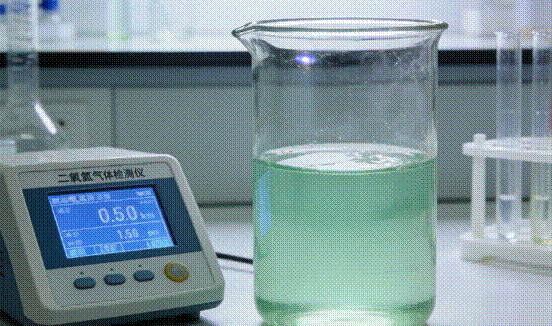
Considering the aforementioned technological and process advantages, and taking into account the actual disinfection needs of water plants, let's calculate the benefits and value of replacing sodium hypochlorite with chlorine dioxide:
1. Direct costs: For enterprises with a daily output of over 1,000 tons, not only can procurement costs be reduced by nearly 50%, but the overall annual cost can be reduced by as much as 40%.
2. Indirect benefits: Chlorine dioxide has nearly twice the bactericidal ability of sodium hypochlorite, effectively controls by-products, makes the operating system smoother and less prone to recurrence, and greatly improves the overall efficiency of the water treatment process.
3. Applicable scenarios: Chlorine dioxide has a wider range of applications than sodium hypochlorite, and can directly address critical issues in harsh environments such as high algae environments, water bodies with complex organic matter, water used in food processing, and hospital wastewater.
Chlorine dioxide disinfection technology has been used in China's drinking water treatment industry for decades. Xiuba has also been developing chlorine dioxide products for decades, growing alongside the market's expansion. This gives Xiuba a clear understanding of the differences between domestic and international drinking water treatment technologies, as well as the various disinfection issues and production needs of the local drinking water market. This valuable experience, accumulated over more than thirty years, has enabled the company to become a leading authority in chlorine dioxide disinfectants in China through continuous technological innovation and process optimization.
Today, Xiuba is capable of providing high-purity disinfectants with a professional sterilization rate of up to 99.99%. Its product line has expanded to three major categories (drinking water production, food processing, and wastewater treatment), with nearly 50 product types covering all disinfectant formulations suitable for diverse scenarios. The products not only possess the natural advantages of being residue-free, non-corrosive, and non-irritating, but also come with professional support including full-process technical guidance.
Xiuba Services always prioritizes the long-term survival and interests of businesses, a shared goal that fosters a symbiotic relationship between Xiuba and water treatment companies. The aim is to help businesses upgrade and improve their disinfection processes in a safe, economical, and compliant manner, achieving a balance between cost reduction and safety.
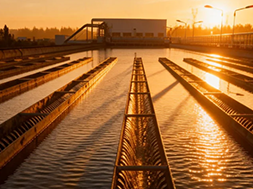
Chlorine dioxide disinfection pipelines in water plants are prone to blockage due to salt crystallization caused by disproportionation reactions. This can be prevented by optimizing the purity of the solution, designing the pipeline properly, regularly flushing and insulating, and conducting thorough inspections and chemical cleaning (hydrochloric acid should not be used). These multi-dimensional measures can help prevent crystallization and ensure the stable operation of the disinfection system.
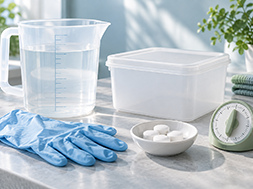
The pestis pestis leakage incident in the Russian laboratory reminded the public that pestis can be spread by fleas, infected animals, and droplets. The prevention and control should focus on the environment and rat flea management, instead of blind disinfection and sterilization. Xiuba chlorine dioxide disinfection tablet can only be used for preventive disinfection of object surface according to instructions. It has no special killing effect of pestis bacilli, and cannot be used as special epidemic prevention materials for pestis. It needs to be operated in a standardized way. Do not over disinfect due to network rumors.
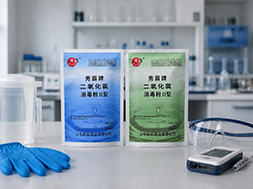
In 2026, Xiuba proposed that it is not enough to simply meet product qualification requirements; it is necessary to promote "green" practices in product selection, operation, safety, and record-keeping, rely on actual measurement data to verify effectiveness, strictly adhere to safety boundaries, and promote high-quality development of the industry.
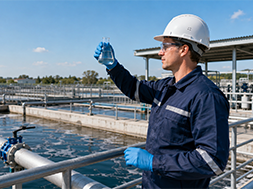
Traditional chlorine preparations are prone to producing harmful chlorination by-products and will eventually be phased out; Chlorine dioxide relies on a unique electron transfer oxidation mechanism, producing almost no organic chlorides, with high sterilization efficiency and lower risk of by-products. Xiuba relies on years of large-scale production and university research cooperation, with complete product qualifications, strict control of disinfection residues, and a balance between effective disinfection and ecological green, in line with the industry's green and low-carbon development trend.
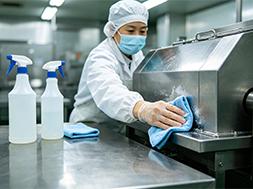
Focusing on three core selection dimensions—cost, safety, and broad-spectrum disinfection—this article compares chlorine dioxide with disinfectants such as ozone and peracetic acid, highlighting its significant advantages in terms of sterilization mechanism, usage safety, and long-term cost. The product is suitable for various scenarios including water supply, food processing, and wastewater treatment. Addressing market issues of misleading labeling, the article provides purchasing advice and recommends Xiuba Chlorine Dioxide, a brand with deep industry experience and complete certifications.
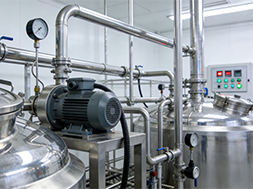
This article points out that during CIP cleaning, adding chlorine dioxide before alkaline washing and during acid-alkali rinsing has poor effects; the optimal point is after acid washing, when the acidic clean environment is suitable for the agent, and it is also necessary to drain residual acid, control the temperature, and circulate for 15-20 minutes to improve the disinfection effect.
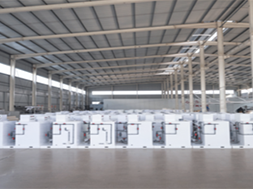
This article compares the applicable scenarios of chemical and electrolytic chlorine dioxide generators, explaining the manufacturer selection criteria from five dimensions: qualifications, accessories, case studies, after-sales service, and process compatibility. It also introduces five major development trends, including intelligent and modular equipment. Xiuba XB series equipment complies with GB 28931-2024 standards, has complete qualifications, and offers 24/7 full-process service. It is suitable for multiple industries and can reduce maintenance costs and operational risks.
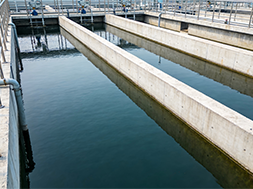
Chlorine dioxide is safe, efficient, and suitable for multiple industries, with the market continuously expanding and benefiting from ongoing policy support.Shandong Huashi Pharmaceutical's Xiuba division has been deeply involved in the industry for many years and can provide a full range of chlorine dioxide disinfection products and related technical services.
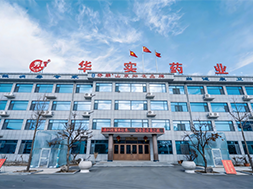
Xiuba has been deeply involved in chlorine dioxide disinfection for nearly 30 years, possessing mature technology and a rich product line. The brand has completed a strategic transformation, shifting from simply selling products to providing customized disinfection services throughout the entire process, integrating industry resources, and specifically addressing various disinfection pain points for companies in the drinking water, food, and medical fields.
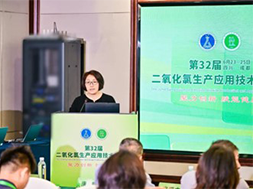
Shandong Huashi Pharmaceutical took part in the 32nd National Chlorine Dioxide Technology Symposium held in Chengdu this June. Our technical team shared professional research on chlorine dioxide disinfection for medical and public health scenarios and exchanged industry technologies with over 70 experts and manufacturers. This participation fully proves our solid R&D strength and professional standing in the chlorine dioxide disinfection field.
Northeast of Huangshan Road and Chuangye Intersection, Small and Medium sized Enterprise Entrepreneurship Industrial Park, Shanwang Town, Linqu County, Weifang City, Shandong Province
Copyright © 2025 by Shandong Huashi Pharmaceutical Co., Ltd All Rights Reserved


 Language
 中文
中文 Русский
 Chlorine Dioxide Disinfectant Manufacturer


