Welcome to Our Factory for a Visit! Free customized disinfection solutions
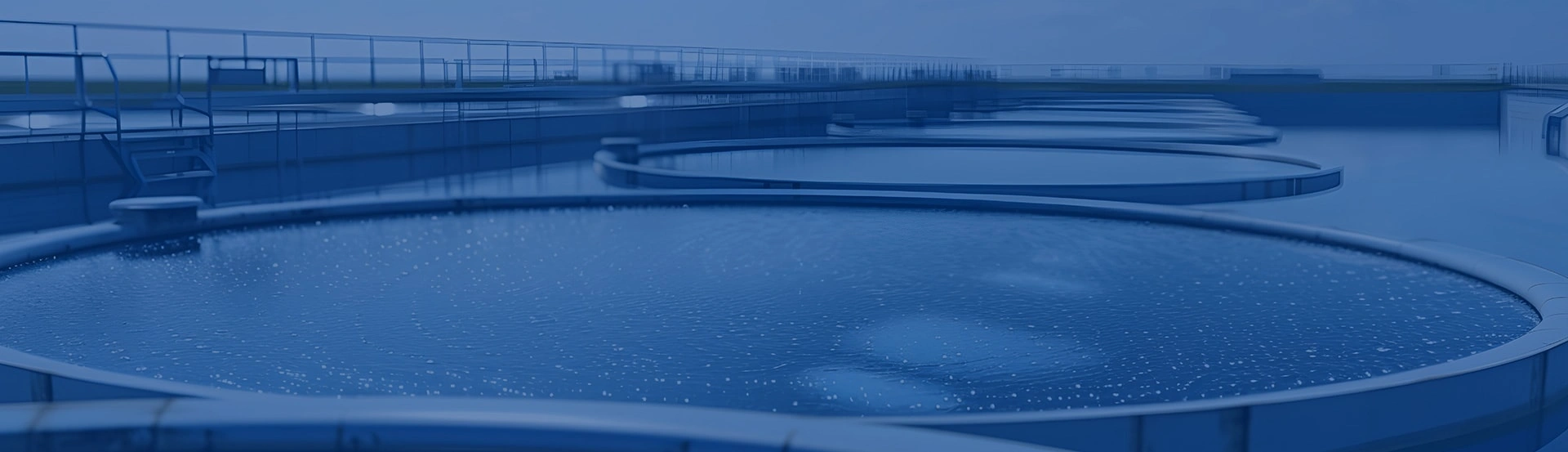
Disinfection serves as the final, critical safeguard for environmental safety amid all procedures involved in hospital wastewater treatment. Among the wide array of disinfectants available, chlorine dioxide earns its reputation as a top-tier disinfection agent thanks to its high potency and broad-spectrum germicidal performance. Even when operators add adequate chlorine dioxide, many field maintenance staff notice inconsistent disinfection outcomes. On occasion, faecal coliform counts at discharge points still exceed regulatory thresholds.
Most people overlook a vital influencing factor behind this issue: the pH of wastewater. Below we break down how accurate pH adjustment allows chlorine dioxide, this powerful disinfection agent, to deliver its full disinfecting potential.
1. Why pH dictates how well chlorine dioxide works
Grasping the correlation between pH and chlorine dioxide performance forms the foundation of operational optimisation. This ties closely to chlorine dioxide’s inherent chemical characteristics.
Optimal conditions (pH 6.0–8.5): Exists in molecular form with maximum disinfection capacity
Within this pH bracket, chlorine dioxide primarily exists as molecules. It maintains stable properties and strong oxidising power. It can rapidly penetrate microbial cell walls, disrupt internal enzyme systems, and efficiently eliminate bacteria, viruses as well as spores. Importantly, chlorine dioxide barely reacts with ammonia nitrogen present in water to form low-effect chloramines. That means it can function at full disinfection capacity, avoiding wasted dosing from unwanted side reactions.
Alkaline conditions (pH>8.5): Undergoes self-decomposition and loses disinfection capability
When wastewater pH rises above 8.5, performance declines significantly. Chlorine dioxide triggers disproportionation, breaking down into chlorate and chlorite ions with weak germicidal effects. Higher pH speeds up this decomposition process.
Chlorine dioxide breaks down before it comes into contact with target microbes. Operators then have to increase dosage to meet discharge standards. This pushes up running costs, fails to guarantee stable treatment results, and may generate extra disinfection by-products.
Strongly acidic conditions (pH<6.0): Poor stability plus equipment corrosion risks
In heavily acidic wastewater, chlorine dioxide lacks stability and tends to decompose, lowering disinfection efficiency. Meanwhile, acidic water corrodes treatment facilities and pipelines. This shortens equipment service life, raises maintenance expenditure and creates hidden safety risks. Maintaining pH between 6.0 and 8.5 (with the ideal range set at 6.5–8.0) creates ideal reaction conditions for chlorine dioxide to work efficiently.
2. Holistic optimisation: Build a three-pronged framework for precise pH control
Consistently stabilising pH cannot rely on simply adding acids or alkalis. It demands comprehensive optimisation measures, summarised here as a three-core control strategy.
First core: Accurate monitoring – reliable real-time tracking for wastewater treatment
Without precise monitoring data, all regulation efforts become aimless.
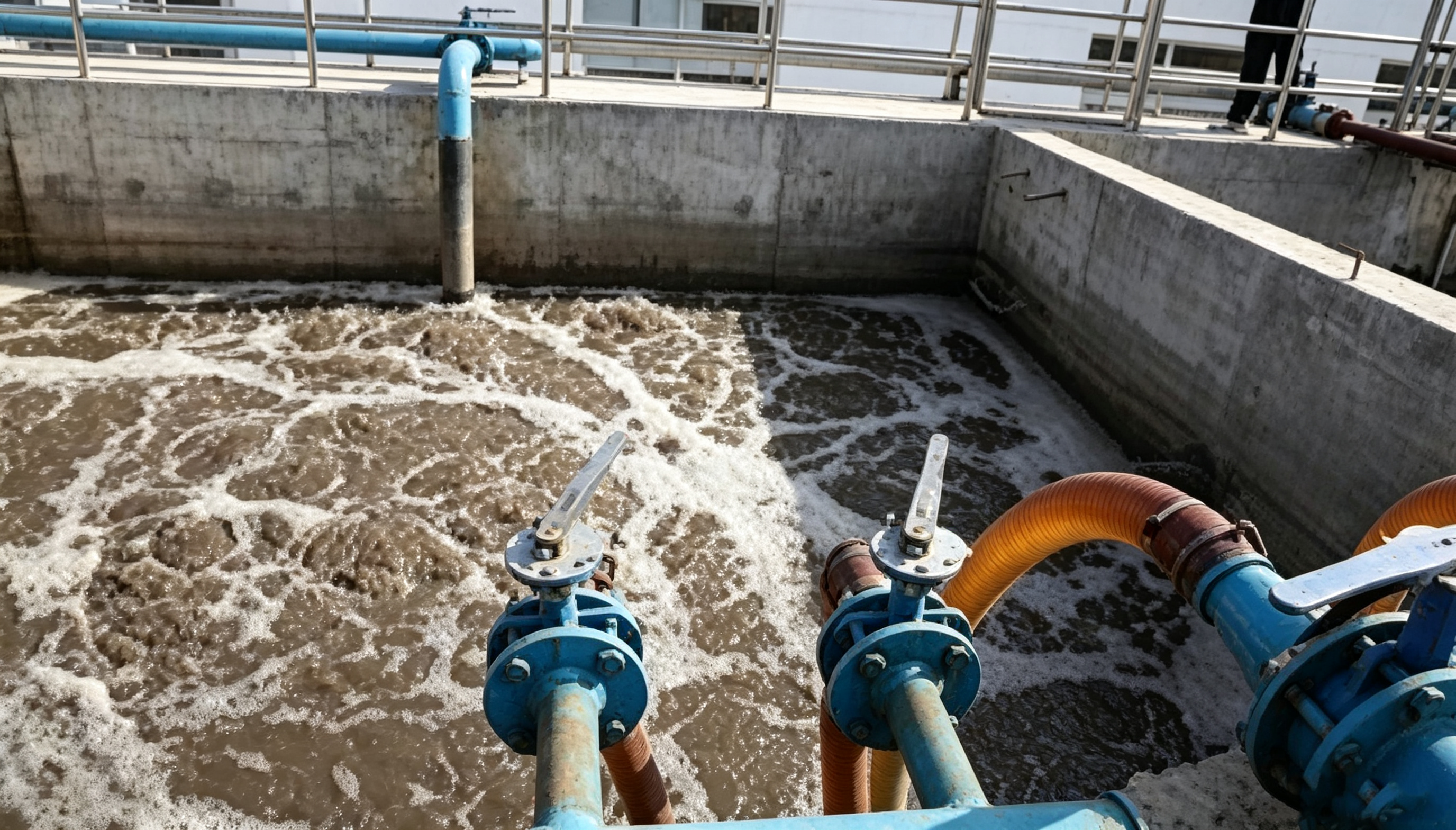
Second core: Automated adjustment – steady pH control with intelligent dosing
Carry out accurate chemical dosing based on real-time monitoring data.
Refine chlorine dioxide dosing schemes by adopting combined feedforward and feedback regulation:
Additionally, guarantee sufficient contact duration. Verify that the hydraulic retention time inside the disinfection contact tank lasts no less than 30 minutes to secure adequate time for disinfection reactions.
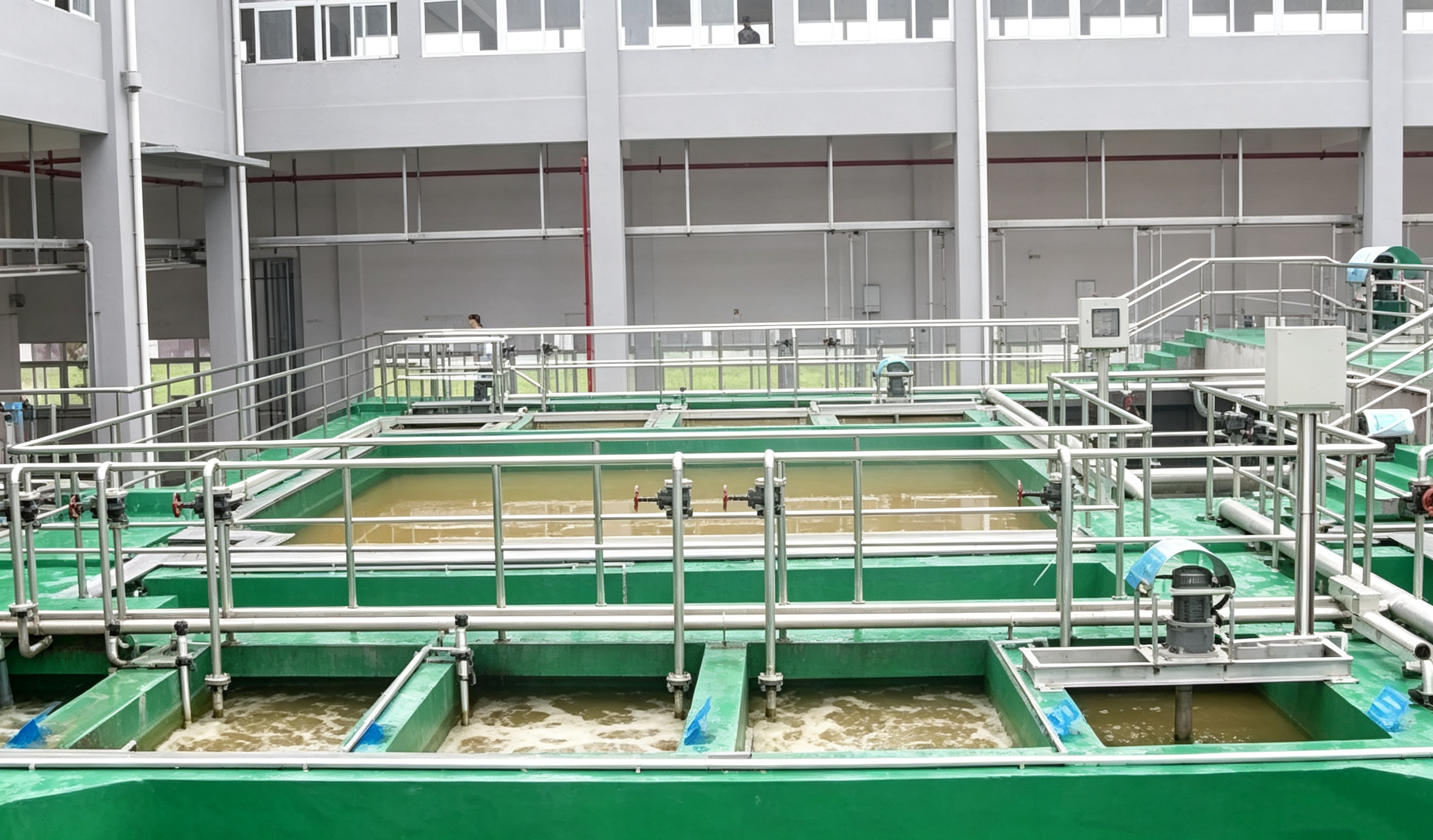
Third core: Coordination between upstream processes – ease operational pressure for the treatment system
The most effective control strategy is to prevent abrupt water quality shocks to the treatment system from the start.
Upgrade upstream biochemical treatment. Efficient biochemical units such as A/O systems and MBR bioreactors remove organic contaminants, while reducing ammonia nitrogen via nitrification. This generates steady, low-interference influent for subsequent chlorine dioxide disinfection, effectively removing barriers to stable disinfection performance.
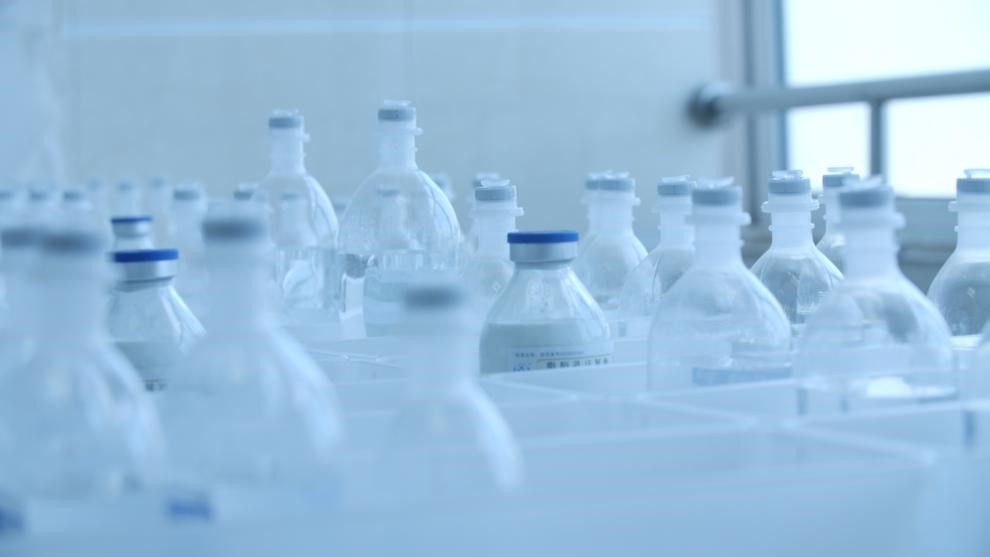
Chlorine dioxide delivers excellent disinfection results, yet it is not a universal solution where fixed dosing alone solves all problems. Its treatment effect hinges heavily on wastewater pH. With comprehensive operational optimisation, hospital wastewater treatment stations can sustain stable pH readings that satisfy standards. They can also maximise chlorine dioxide’s disinfection performance, achieving compliant, safe wastewater discharge. At the same time, facilities can cut operational expenses and prolong the service life of processing equipment.

The tidal discharge of hospital outpatient sewage leads to frequent on-off of chlorine dioxide disinfection system, posing efficiency, equipment and safety hazards. Relying on five layers of protection to ensure operational safety, cooperating with operation and maintenance measures such as phased operation, encrypted maintenance, and optimized drug supply, adjusting start and stop times reasonably, improving sewage disinfection efficiency, and building a solid public health defense line.
Xiuba chlorine dioxide can be used for advanced treatment of polluted water source. The front end pre oxidizes the odorant, iron and manganese, and the dosage is determined by test; The terminal disinfection shall comply with the requirements of the national standard to ensure the contact time and water margin. The product covers a variety of dosage forms and supporting equipment, which should be selected according to the national standard. Double dosing points are set, and the equipment is equipped with metering, monitoring and alarm functions to control the total dosage, monitor disinfection by-products, and ensure the water quality treatment effect by relying on detection test and whole process monitoring.
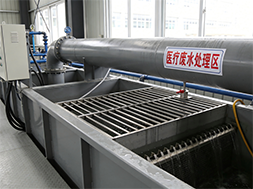
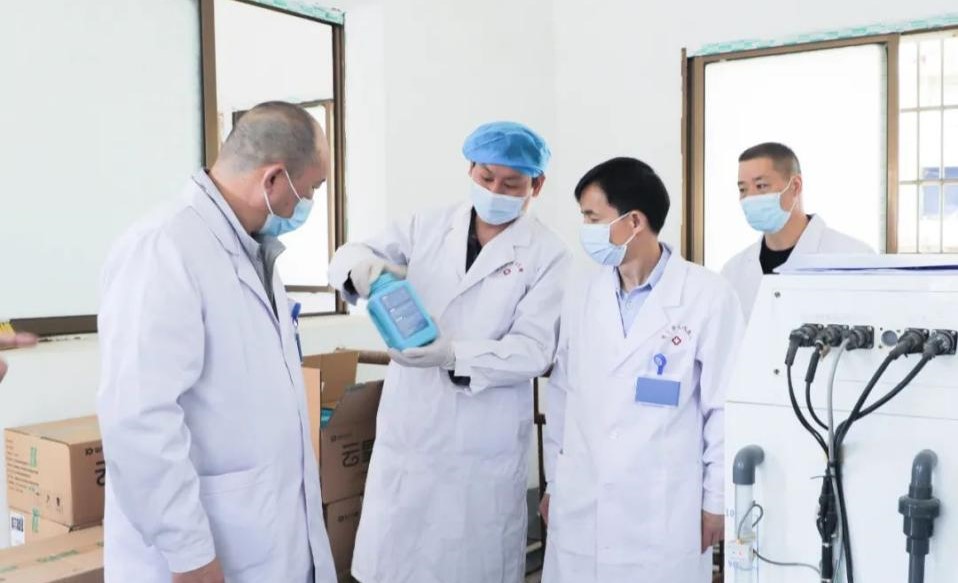
Regarding the control of hydrochloric acid and sodium chlorate raw materials for chlorine dioxide generators in hospital wastewater treatment, the quality requirements of raw materials are clearly defined in accordance with national standards such as GB28931-2024. On-site rapid acceptance can be carried out through visual inspection, odor identification, specific gravity and pH testing, and small-scale reaction. By implementing management measures such as raw material registration and sampling, separate storage, regular equipment cleaning, and monitoring of operating parameters, the disinfection effect can be stabilized, and cost reduction and efficiency improvement can be achieved.
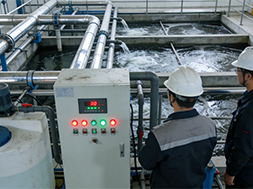
Hospital wastewater is prone to producing byproducts and residual resistant pathogens when disinfected alone. A chlorine dioxide-ozone-ultraviolet coupling process can be used for deep treatment. Chlorine dioxide is the main disinfection unit, ozone degrades recalcitrant pollutants, and ultraviolet light is used for final control. With the help of online monitoring, the reagents and energy consumption can be intelligently adjusted to balance treatment effect and cost. In the future, it will develop towards big data AI automatic control.
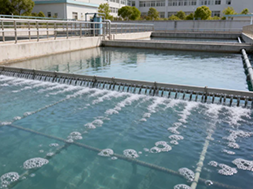
Sodium thiosulfate and other reducing substances in hospital wastewater may rapidly consume chlorine dioxide, leading to insufficient residual chlorine and reduced disinfection intensity in some areas. Solving this type of "disinfection gap" problem cannot rely solely on increasing the dosage. Instead, it requires a comprehensive disinfection assurance system built through measures such as source identification, homogenization adjustment, optimized mixing, rational dosage, upgraded monitoring, and supplementary disinfection.
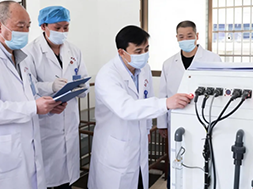
Chlorine dioxide kills bacteria through multi-target oxidation, and theoretically, it is unlikely to produce drug-resistant bacteria. However, long-term sublethal low-dose disinfection of wastewater systems can screen out resistant microorganisms, leading to bacterial succession. In such cases, it may be necessary to increase CT disinfection parameters to achieve the desired disinfection effect. The risk of increased microbial tolerance and the effectiveness of hospital wastewater disinfection can be mitigated by ensuring sufficient dosage and contact time, avoiding prolonged low-dose operation, combining UV/ozone disinfection, proper wastewater pretreatment, and regular monitoring of water quality microorganisms.
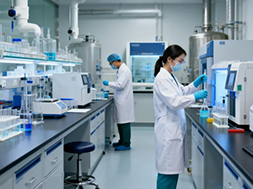
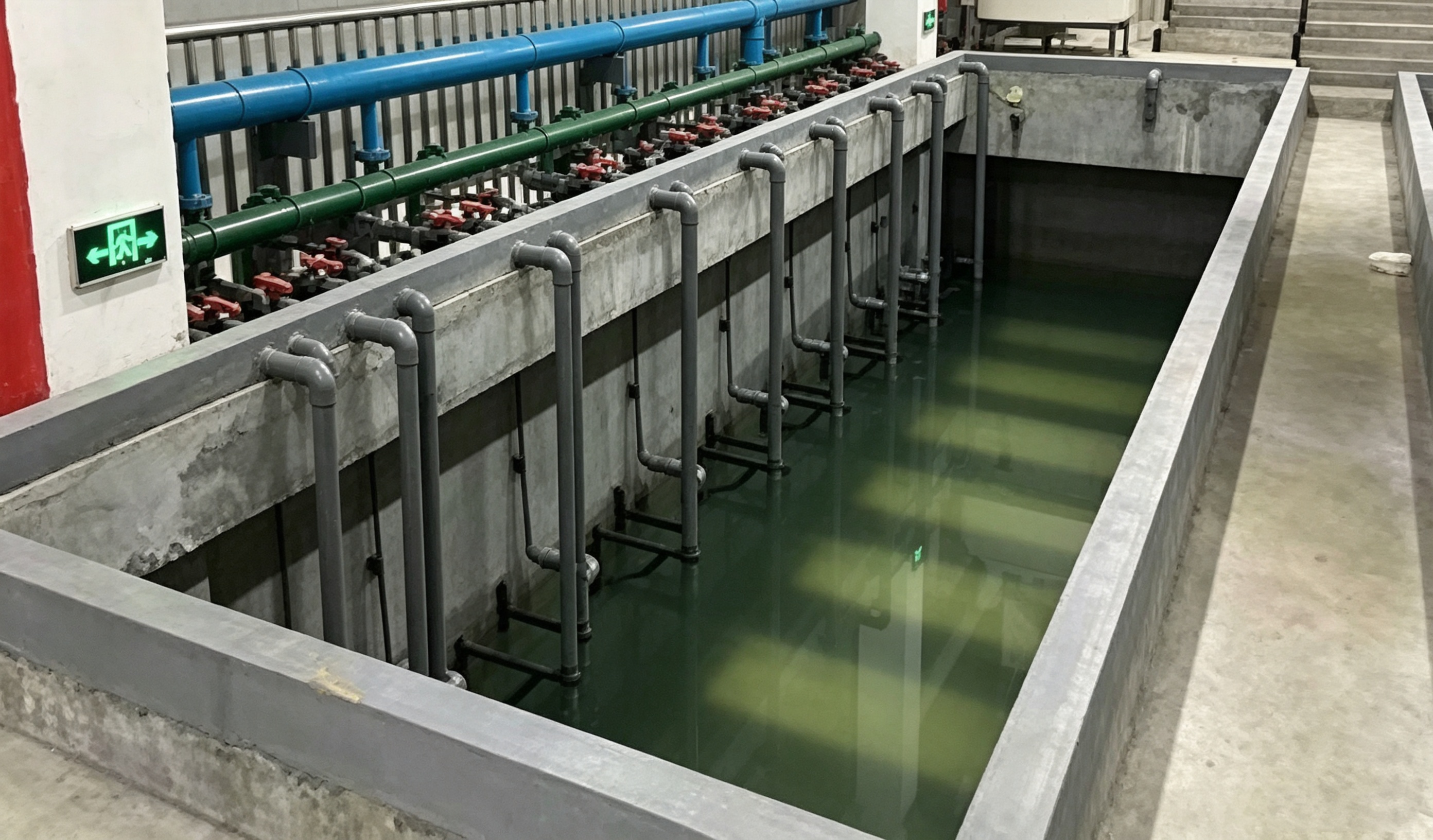
When chlorine dioxide is used to disinfect hospital wastewater, short-circuiting and disinfection dead zones can easily occur due to the short half-life of the agent. A three-stage mixing process, consisting of pipeline premixing, inlet enhanced mixing, and in-tank flow guidance, combined with an online intelligent control system and standardized equipment selection and daily operation and maintenance, can be used to achieve rapid and uniform distribution of chlorine dioxide in wastewater and ensure the disinfection effect of hospital wastewater.
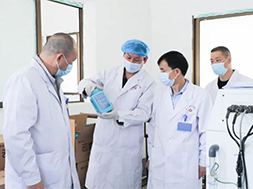
When hospital wastewater is disinfected with chlorine dioxide, pH directly affects the disinfection effect. The pH needs to be maintained within the range of 6.0–8.5. Water quality is controlled through monitoring, intelligent dosing, and coordinated regulation of upstream processes to ensure stable discharge compliance and save operating costs.
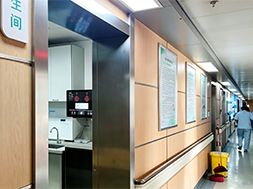
Excessive ammonia nitrogen in hospital wastewater stems from four main issues: pretreatment, biochemical processes, water volume, and process technology. This article provides a complete solution encompassing pretreatment, biochemical optimization, advanced treatment, and emergency nitrogen reduction, balancing stable compliance with operating costs, and simultaneously promoting solutions from chlorine dioxide disinfectant manufacturers.
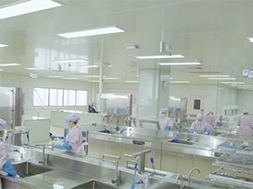
Abnormalities in hospital wastewater biochemical systems can lead to elevated COD and ammonia nitrogen levels, excessive consumption of chlorine dioxide causing disinfection failure, and posing a risk of pathogen leakage. This article introduces six emergency response measures and a corresponding long-term management plan to ensure wastewater meets discharge standards and safeguard public health and environmental safety.
Northeast of Huangshan Road and Chuangye Intersection, Small and Medium sized Enterprise Entrepreneurship Industrial Park, Shanwang Town, Linqu County, Weifang City, Shandong Province
Copyright © 2025 by Shandong Huashi Pharmaceutical Co., Ltd All Rights Reserved


 Language
 中文
中文 Русский
 Chlorine Dioxide Disinfectant Manufacturer


