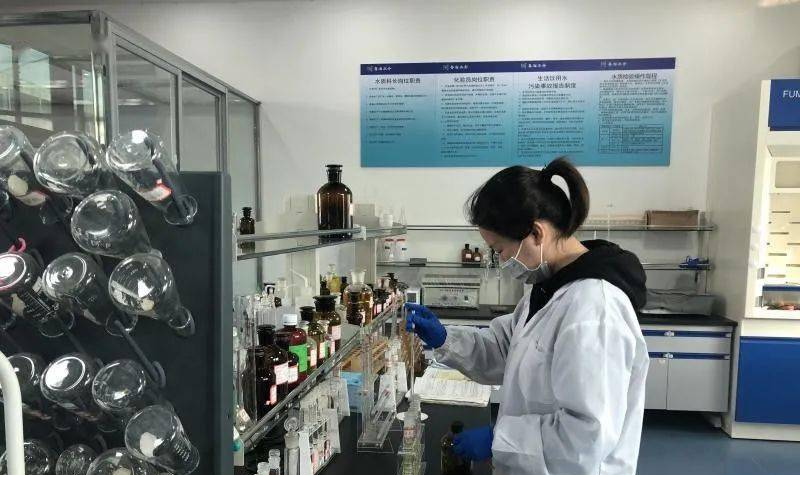
Welcome to Our Factory for a Visit! Free customized disinfection solutions

In the production of traditional condiments such as soy sauce and vinegar, adherent biofilms may develop inside pipelines, fermentation vessels and storage tanks, making microorganisms harder to remove through cleaning and disinfection. Chlorine dioxide is an oxidizing disinfectant that can help control biofilms and microbial contamination as part of a properly designed sanitation program.
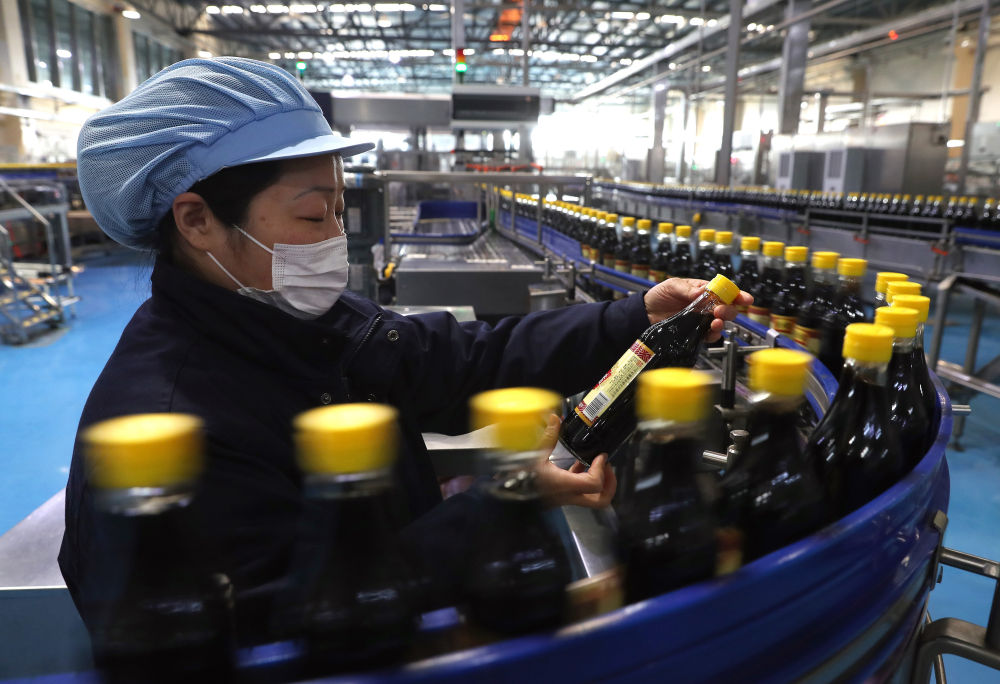
Biofilms: The Hidden Enemy of Production Lines
In soy sauce and vinegar production environments, microorganisms can attach to equipment surfaces and form an extracellular polymeric matrix containing polysaccharides, proteins and extracellular DNA. This protective structure can accumulate inside pipes and tanks, particularly in crevices and areas that are difficult to clean.
Biofilms can become a persistent source of contamination, releasing microorganisms into products and contributing to spoilage, off-flavors, gas formation, swollen containers or white surface films. These defects may also have other causes and should be investigated through microbiological testing. The biofilm matrix can restrict disinfectant transport and consume active ingredients, reducing disinfection efficacy.
Biofilm-associated microorganisms are generally more tolerant of disinfection than planktonic cells. The extent varies with the species, biofilm maturity, matrix composition and treatment conditions, so no universal multiplier applies. Routine disinfection alone is therefore often insufficient to control mature biofilms.
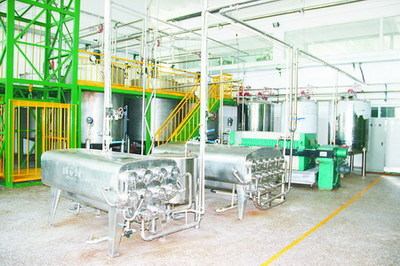
Chlorine Dioxide: A Tool for Biofilm Control
Chlorine dioxide can inactivate microorganisms through oxidation and, under suitable conditions, affect biofilm structure. Its practical benefits include the following aspects.
1. Biofilm penetration
Chlorine dioxide can diffuse into biofilms, but penetration depends on thickness, structure, organic load, active concentration and contact time. Molecular size alone does not establish superiority over other disinfectants or guarantee penetration of every mature biofilm.
2. Oxidative mechanism
Chlorine dioxide can oxidize certain amino acid residues in microbial proteins and other reactive components, disrupting essential physiological functions and potentially altering the biofilm matrix. Reaction rates differ among components; it should not be described as precisely destroying all polysaccharides, proteins and nucleic acids.
3. Combining cleaning and disinfection
Under validated conditions, chlorine dioxide can inactivate a range of microorganisms. Inactivation is not equivalent to physical biofilm removal, and more tolerant organisms such as bacterial spores require specific validation. Suitable cleaning should first remove soil and biofilm material, followed by disinfection and verification through methods such as surface microbiological testing.
4. Managing microbial tolerance
Chlorine dioxide acts on multiple microbial targets through oxidation, but this does not rule out microbial tolerance. Avoid prolonged use of unvalidated, ineffective treatment conditions, regularly verify sanitation performance and improve hygiene management based on monitoring results.
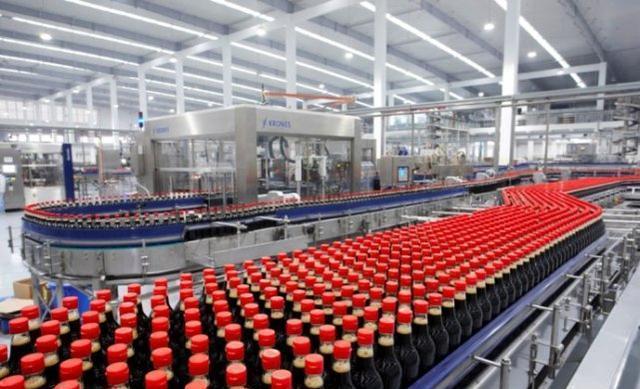
Practical Applications in Soy Sauce and Vinegar Production
1. Pipeline disinfection
For product transfer pipelines, particular attention should be paid to bends, joints and stagnant zones. A validated cleaning-in-place (CIP) procedure should remove residues and biofilm material before disinfection with a chlorine dioxide product suitable for food-contact surfaces. Concentration, contact time, material compatibility and rinsing requirements must follow product instructions and applicable regulations. Residues and hygiene indicators should be checked before production resumes.
2. Fermentation vessel sanitation
Residues and hard-to-clean areas in fermentation vessels may encourage biofilms formed by unwanted microorganisms. Disinfection should follow a validated procedure after the batch has ended and the vessel has been emptied and cleaned. Before inoculation or refilling, verify that residues meet requirements to avoid affecting the intended fermentation cultures.
3. Storage tank maintenance
Storage tanks should be cleaned and disinfected promptly after emptying, with attention to liquid-level lines, valves and bottom residue zones. Chlorine dioxide can form part of the sanitation program, but equipment disinfection must not be confused with adding disinfectant directly to the product. Before reuse, rinse and drain as required and verify residues and hygienic conditions.
4. Environmental disinfection
Routine cleaning and disinfection of suitable equipment surfaces can reduce environmental microbial contamination and biofilm formation. Products used on food-contact surfaces must comply with applicable regulations, including relevant requirements of GB 14930.2 in China. Space disinfection should only be undertaken when expressly permitted by the product instructions and supported by professional safety controls to prevent personnel exposure and food contamination. Ventilate as required and confirm safe conditions before resuming production.
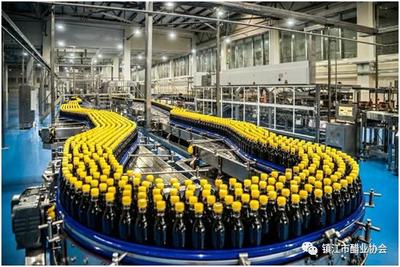
In soy sauce and vinegar production, chlorine dioxide can be an important component of an integrated biofilm control program. Combining hygienic equipment design, effective cleaning, controlled disinfection, residue management and microbiological monitoring helps sustainably reduce contamination risks and supports product quality and food safety.
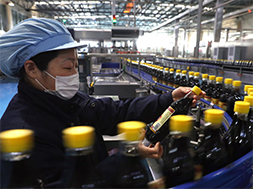
Biofilms easily grow in the pipes and tanks used in soy sauce and vinegar production. These biofilms continuously contaminate materials, leading to quality problems such as product spoilage and tank swelling. The microorganisms within the biofilm have strong resistance to disinfection. Chlorine dioxide, with its strong penetrating power, ability to target and destroy biofilm components, kill various microorganisms, and low likelihood of developing resistance, can be used for disinfection of pipes, fermenters, storage tanks, and workshop environments. It removes and inhibits biofilms, ensuring the quality of condiments produced.
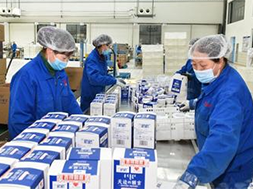
Using chlorine dioxide for disinfection in yogurt workshops can easily produce an unpleasant odor from the disinfectant solution, which can be absorbed by the yogurt and lead to customer complaints. Disinfection should be scheduled after shifts, with thorough ventilation before production resumes. Proper sealing and protection of materials should be ensured, and ozone and activated carbon should be used in conjunction to remove environmental odors. Odor detection in the workshop should be incorporated into management procedures to prevent impact on product flavor.
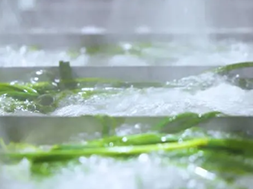
Chlorine dioxide is classified as an A1-level safe disinfectant, permitted for use in fruit and vegetable cleaning according to national standards. It is easily decomposed, and when used compliantly, it leaves low residue after rinsing, making it safe for human health. High-concentration, prolonged soaking can damage the color and flavor of fruits and vegetables; this can be avoided by controlling usage conditions. It also inhibits bacteria and ethylene production, extending shelf life. Use must follow standards, controlling concentration and time, and thorough rinsing after treatment is essential. It can also be combined with other preservation technologies.
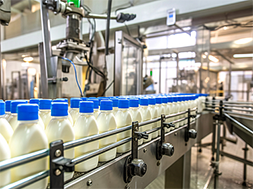
During CIP cleaning of dairy production pipelines, protein and fat residues consume chlorine dioxide, making it difficult to kill heat-resistant spore-forming bacteria and causing contamination. It is essential to adhere to the principle of cleaning before disinfection, removing organic matter through alkaline and enzymatic washing, optimizing disinfection parameters and monitoring concentrations online, controlling biofilm growth, and avoiding simply increasing the amount of disinfectant used.
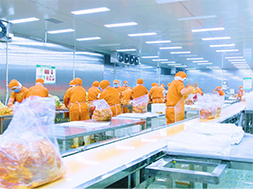
Mold is easy to pollute the food workshop and produce toxins. Chlorine dioxide can kill mold from the air, object surface, personnel and material water. This paper introduces the use methods, concentration parameters and safe operation points of various scenarios. Standardized use can prevent and control mold in the workshop and ensure food safety.
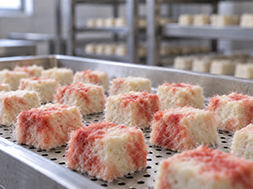
The reddish color of fermented tofu cannot be determined solely by its appearance; sampling and testing are necessary, and the abnormal product must be isolated. Relying solely on disinfectants is insufficient; equipment and the workshop environment must be thoroughly investigated. Air disinfection requires unmanned operation and material isolation. Disinfectants should be used according to specifications, and problems should be identified through a combination of production records and testing.

AB cleaning agents in food factories are prone to producing odor residues; Chlorine dioxide disinfectant can sterilize and deodorize without harmful residues. It can be diluted and used for disinfection of workshop equipment and water bodies, with matching ratios and safety operation requirements.
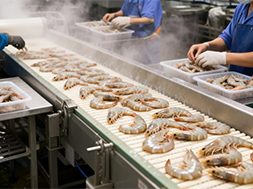
Chlorine dioxide disinfection in food production will produce harmful residues, and the water consumption of traditional large water washing is serious. Four measures can be taken to save water and reduce waste on the basis of ensuring food safety, so as to help enterprises achieve multiple benefits and win-win results.
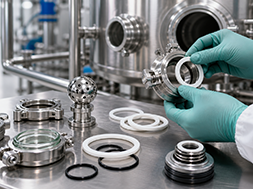
While switching from sodium hypochlorite to chlorine dioxide disinfection offers advantages such as sterilization, biofilm removal, and fewer disinfection byproducts, the strong oxidizing properties of chlorine dioxide necessitate careful consideration of production line material compatibility: 316L stainless steel should be prioritized for piping, and fluororubber or polytetrafluoroethylene (PTFE) should be used for seals, while also considering the suitability of accessories such as sight glasses and spray nozzles. The switch can be smoothly completed in three steps: establishing material records, conducting a 72-hour immersion test, and carrying out small-scale trial runs and inspections, thus preventing equipment corrosion and damage.
Northeast of Huangshan Road and Chuangye Intersection, Small and Medium sized Enterprise Entrepreneurship Industrial Park, Shanwang Town, Linqu County, Weifang City, Shandong Province
Copyright © 2025 by Shandong Huashi Pharmaceutical Co., Ltd All Rights Reserved


 Language
 中文
 Русский
 Chlorine Dioxide Disinfectant Manufacturer