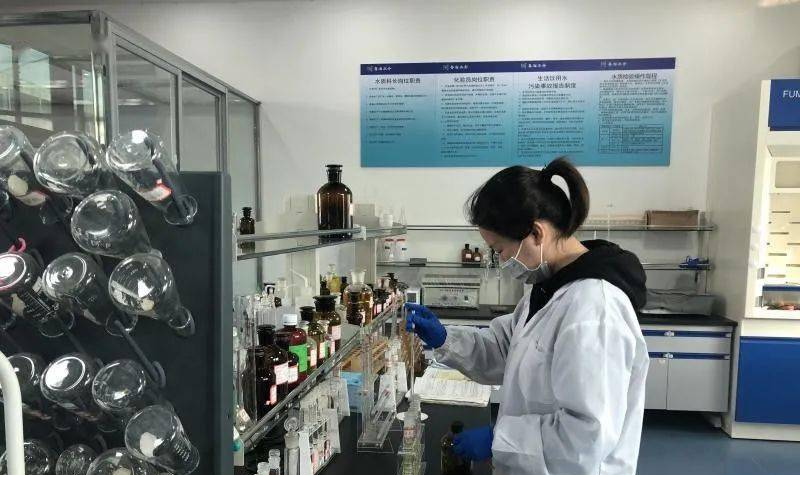
Welcome to Our Factory for a Visit! Free customized disinfection solutions
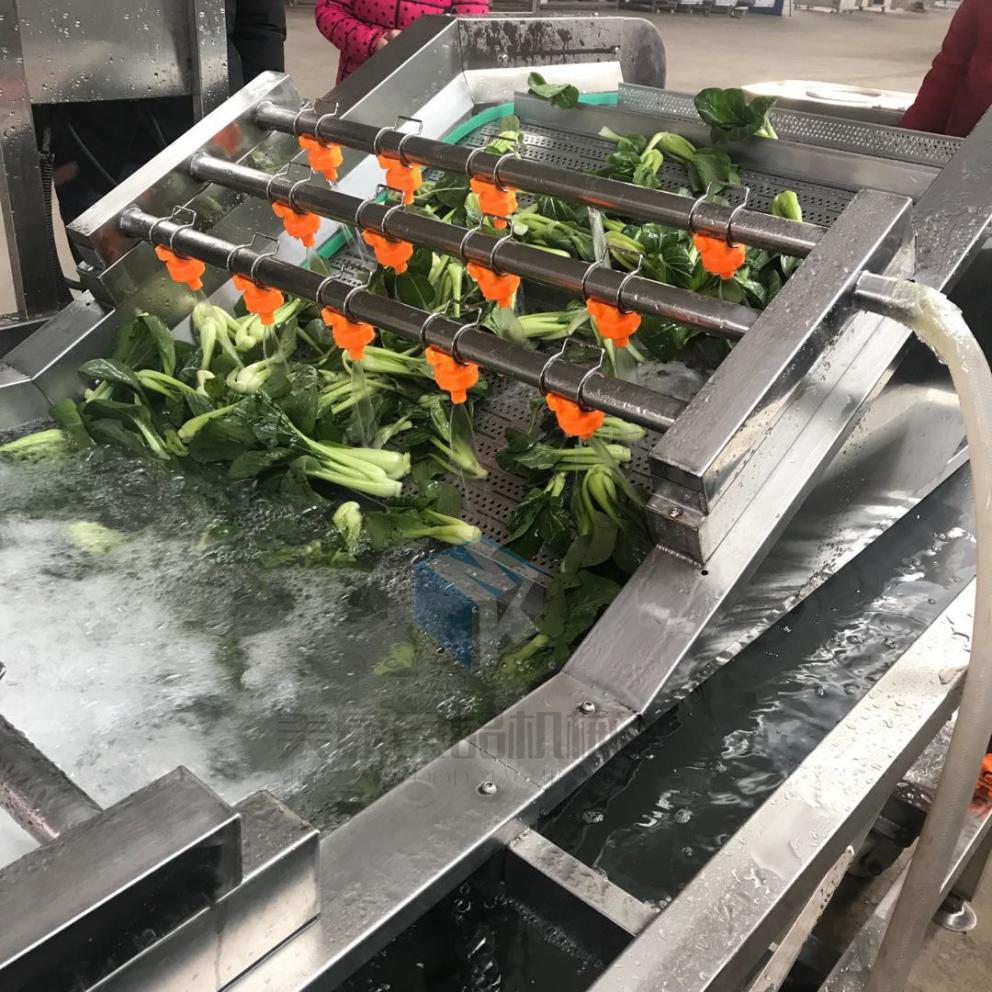
In daily life, many people simply rinse fruits and vegetables with running water, while others use specialized produce-washing agents. In food production and processing, approved chlorine dioxide disinfectants suitable for fruits and vegetables may also be used to reduce the risk of microbial contamination on produce surfaces.
Chlorine dioxide is a strong oxidizing disinfectant. Appendix A of China’s current National Food Safety Standard—General Hygiene Regulation for Catering Services (GB 31654-2021) explicitly allows the use of chlorine dioxide disinfectants and other disinfectants permitted for vegetables and fruits, provided they are prepared and used strictly according to the product instructions. Whether chlorine dioxide is safe for produce washing and whether it affects nutrition or flavor depends not simply on whether it is used, but on whether the product is compliant and whether concentration, contact time, and post-rinsing are properly controlled.
Safety of Chlorine Dioxide for Fruit and Vegetable Washing
In food production and processing, the safety of chlorine dioxide used for produce washing mainly involves two issues: first, residues of chlorine dioxide and its by-products on produce after treatment; and second, whether the concentration, contact time, and post-treatment procedures comply with product instructions and applicable food-safety requirements.
1. Residues of chlorine dioxide on fruits and vegetables
Chlorine dioxide has limited stability in water and under light and may be transformed during reactions into chloride and chlorite, while chlorate may also form under certain conditions. Therefore, it is not accurate to state categorically that there is “no residue” or that residues can always be “completely eliminated.” Actual residue levels depend on use concentration, contact time, organic load in the wash water, produce-surface characteristics, and post-treatment rinsing. Using the lowest effective concentration in a standardized manner and thoroughly soaking or rinsing the treated produce with clean drinking water can help reduce disinfectant-related residues.
Under current Chinese hygiene requirements, Appendix A of GB 31654-2021 permits the use of chlorine dioxide disinfectants for raw vegetables and fruits, but requires strict compliance with product instructions for solution preparation and immersion time. After disinfection, clean drinking water should be used to soak or rinse the produce to reduce disinfectant residues on the surface. Food producers and operators should also consider the applicable requirements of GB 2760-2024, the product’s hygiene approval, and label instructions to confirm the specific scope and conditions of use.
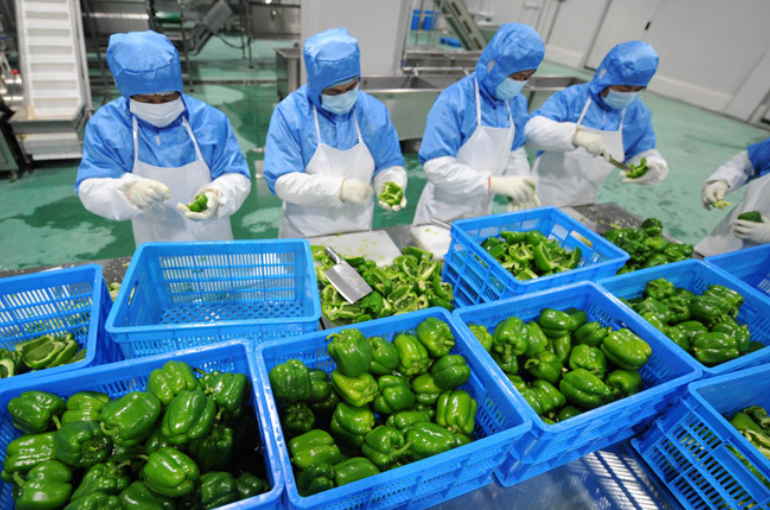
2. Health considerations for long-term consumption of chlorine-dioxide-treated foods
For fruits and vegetables treated with chlorine dioxide, the key safety question is not whether consumers will chronically ingest chlorine dioxide itself, but whether the treatment process leaves unacceptable residues of chlorine dioxide, chlorite, chlorate, or related substances on the food. Because chlorine dioxide is highly reactive, actual residue and by-product levels are affected by water quality, dosing method, treatment time, and produce type. Exposure should therefore be minimized through compliant use conditions and appropriate residue control.
Accordingly, it is not scientifically sound to infer that every use condition is safe simply because chlorine dioxide decomposes. A more reliable basis for safety is that the product has a lawful basis for use on fruits and vegetables, that the processing operation follows the product instructions and applicable food-safety requirements, and that residues are verified when necessary. For produce intended to be eaten directly, proper soaking or rinsing with clean water after treatment is particularly important.
Effects of Chlorine Dioxide on Produce Quality
1. Effects of chlorine dioxide on produce color
Because chlorine dioxide is a strong oxidant, excessive concentrations or overly long treatment times may affect natural pigments and surface tissues in some fruits and vegetables, leading to color changes. However, tolerance varies considerably among commodities, so it is not appropriate to assume that all produce rich in anthocyanins or carotenoids will show obvious discoloration.
At validated, appropriate concentrations and contact times, color changes in many fruits and vegetables can be kept small. In practice, treatment conditions should be optimized according to commodity, maturity, temperature, and processing objective, and pilot testing or process validation should be used to confirm that unacceptable visual changes do not occur.
2. Effects of chlorine dioxide on produce flavor
Chlorine dioxide treatment may alter certain volatile aroma compounds and non-volatile taste compounds through oxidation, but the direction and magnitude of the effect depend strongly on commodity, dose, and treatment time. Some studies have observed changes in specific aroma compounds, while others have found that appropriate treatment can suppress spoilage microorganisms and off-odor formation, helping preserve overall sensory quality during storage. A more accurate conclusion is therefore that, under reasonable and validated conditions, chlorine dioxide can usually balance microbial control with sensory quality, but it cannot be guaranteed to have no flavor effect on every fruit or vegetable.
3. Potential positive role of chlorine dioxide in produce preservation
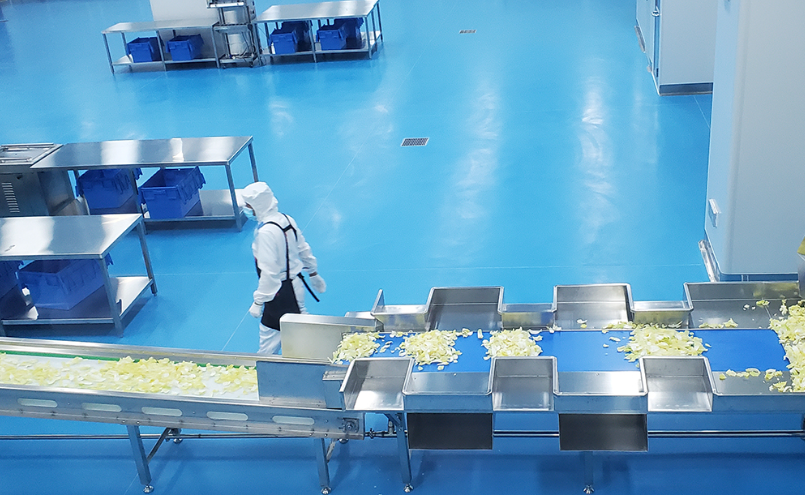
Chlorine dioxide can reduce the load of certain spoilage microorganisms and foodborne pathogens on produce surfaces or in wash water. Under appropriate process conditions, it may therefore help reduce cross-contamination and delay spoilage during storage. The actual extension of shelf life, however, depends on commodity, initial microbial load, treatment method, and subsequent storage temperature and packaging conditions.
Some studies have also found that chlorine dioxide treatment can influence respiration, ethylene-related processes, and antioxidant systems in certain fruits and vegetables, which under specific conditions may help delay ripening and senescence. This effect is not uniform across all commodities. Nutritional components such as vitamins and phenolic compounds may be retained, slightly changed, or partly lost depending on the treatment. Therefore, it is not appropriate to claim broadly that chlorine dioxide necessarily “increases nutritional value.” A more accurate statement is that suitable treatment may help maintain overall quality by slowing spoilage and senescence.
How Should Chlorine Dioxide Be Used Reasonably for Fruit and Vegetable Treatment?
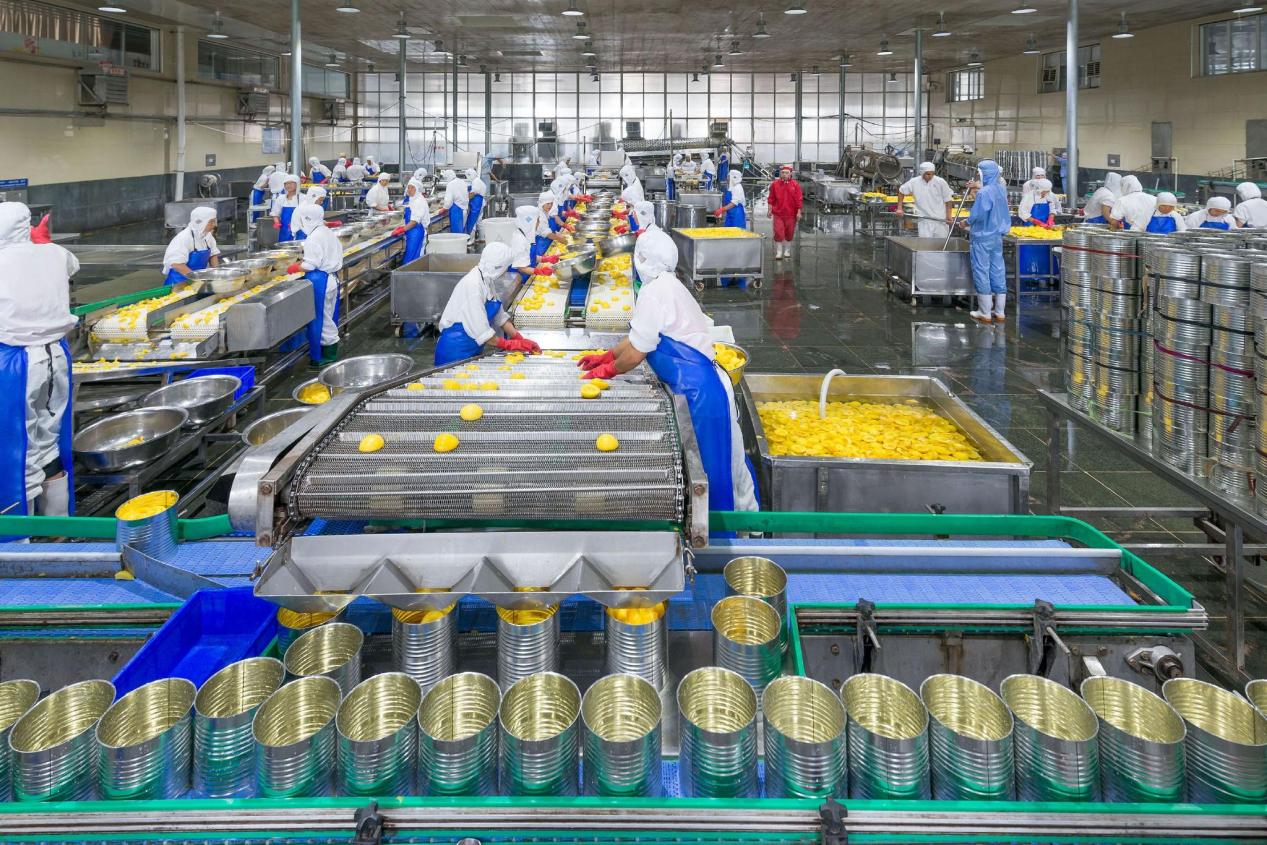
In food production and processing, the objective of chlorine dioxide treatment should be to achieve the required microbial control while minimizing disinfectant residues and effects on color, texture, flavor, and nutritional quality. The actual process should be based on compliant product instructions, applicable regulations and standards, and process-validation results rather than applying one fixed concentration to all produce.
Follow applicable regulations and standards: for raw vegetables and fruits, use a chlorine dioxide product that is permitted for produce disinfection in accordance with Appendix A of GB 31654-2021 and other applicable food-safety requirements, and strictly follow the concentration, immersion time, and method stated in the product instructions. GB 2760-2024, product hygiene approvals, and label requirements should also be considered to confirm the permitted scope of use and to avoid out-of-scope or off-label use.
Control use conditions: chlorine dioxide concentration and contact time should be determined according to produce type, maturity, surface structure, initial microbial load, and the organic load of the wash water. In principle, the lowest effective concentration and a reasonable minimum contact time should be used while still achieving validated disinfection performance. Because organic matter in wash water consumes disinfectant, the active concentration should be monitored during continuous production rather than relying only on the initial preparation concentration.
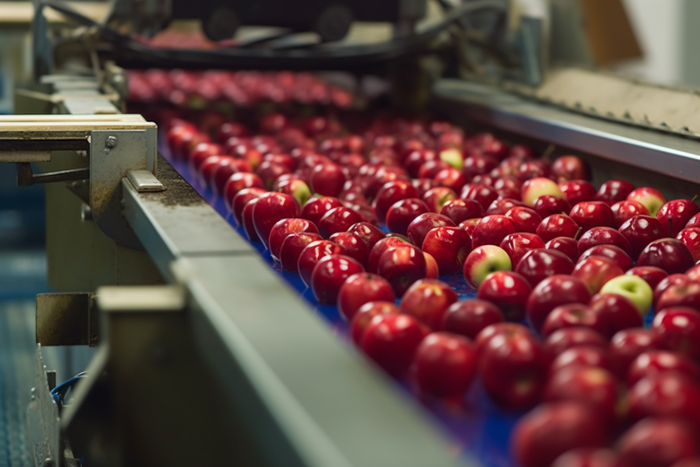
Strengthen post-treatment handling: in accordance with Appendix A of GB 31654-2021, disinfected raw vegetables and fruits should be soaked or rinsed with clean drinking water to reduce surface disinfectant residues, then drained and used promptly or refrigerated. Any additional post-treatment should be determined by the product instructions, process design, and intended mode of consumption. “Boiling removes residues” should not be presented as a universal rule for produce-washing applications.
Combine with other preservation technologies where appropriate: chlorine dioxide may be used together with refrigeration, modified-atmosphere packaging, and other preservation measures when the processes are compatible and validated. If ultraviolet treatment or other chemical methods are also used, process compatibility and safety should be evaluated to avoid unvalidated combinations of multiple disinfection treatments.
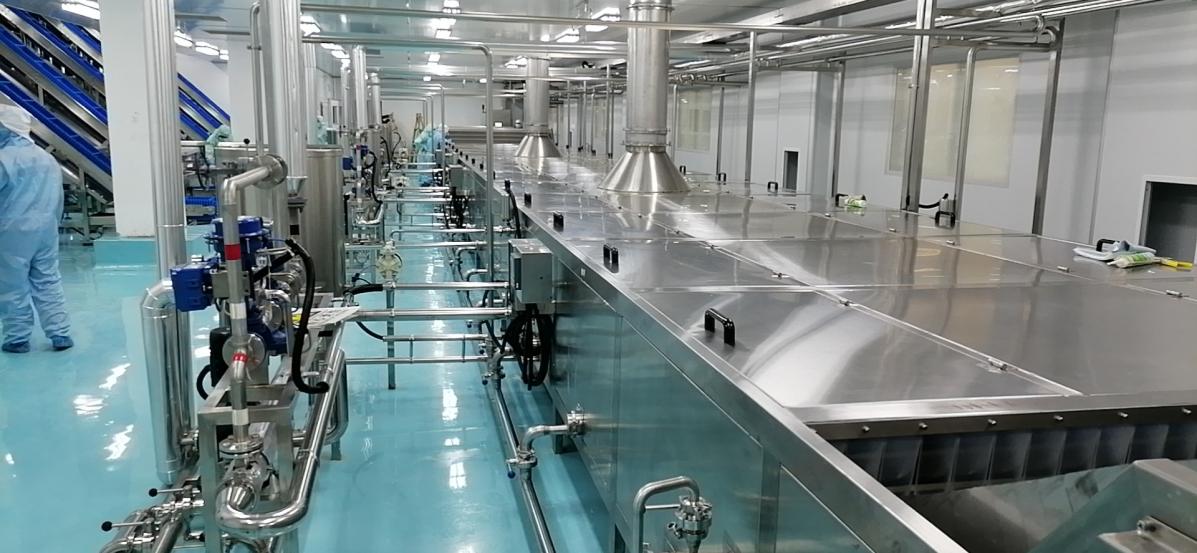
In summary, when chlorine dioxide is used for fruit and vegetable washing, “more concentrated” does not mean “better.” Safety and effects on color, flavor, texture, and nutritional quality all depend on product compliance, concentration, contact time, produce type, wash-water conditions, and post-rinsing. When used in accordance with current requirements and product instructions, with necessary process validation to control residues and quality changes, chlorine dioxide can be an effective option for fruit and vegetable washing and disinfection.
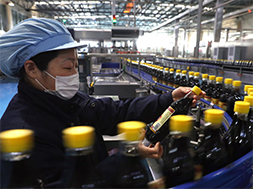
Biofilms easily grow in the pipes and tanks used in soy sauce and vinegar production. These biofilms continuously contaminate materials, leading to quality problems such as product spoilage and tank swelling. The microorganisms within the biofilm have strong resistance to disinfection. Chlorine dioxide, with its strong penetrating power, ability to target and destroy biofilm components, kill various microorganisms, and low likelihood of developing resistance, can be used for disinfection of pipes, fermenters, storage tanks, and workshop environments. It removes and inhibits biofilms, ensuring the quality of condiments produced.
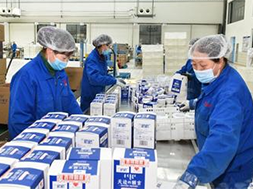
Using chlorine dioxide for disinfection in yogurt workshops can easily produce an unpleasant odor from the disinfectant solution, which can be absorbed by the yogurt and lead to customer complaints. Disinfection should be scheduled after shifts, with thorough ventilation before production resumes. Proper sealing and protection of materials should be ensured, and ozone and activated carbon should be used in conjunction to remove environmental odors. Odor detection in the workshop should be incorporated into management procedures to prevent impact on product flavor.
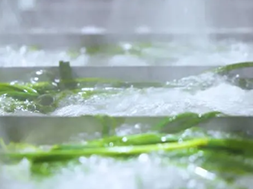
Chlorine dioxide is classified as an A1-level safe disinfectant, permitted for use in fruit and vegetable cleaning according to national standards. It is easily decomposed, and when used compliantly, it leaves low residue after rinsing, making it safe for human health. High-concentration, prolonged soaking can damage the color and flavor of fruits and vegetables; this can be avoided by controlling usage conditions. It also inhibits bacteria and ethylene production, extending shelf life. Use must follow standards, controlling concentration and time, and thorough rinsing after treatment is essential. It can also be combined with other preservation technologies.
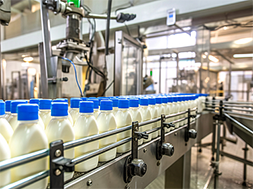
During CIP cleaning of dairy production pipelines, protein and fat residues consume chlorine dioxide, making it difficult to kill heat-resistant spore-forming bacteria and causing contamination. It is essential to adhere to the principle of cleaning before disinfection, removing organic matter through alkaline and enzymatic washing, optimizing disinfection parameters and monitoring concentrations online, controlling biofilm growth, and avoiding simply increasing the amount of disinfectant used.
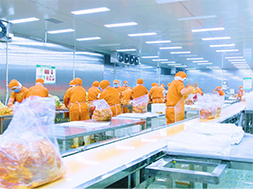
Mold is easy to pollute the food workshop and produce toxins. Chlorine dioxide can kill mold from the air, object surface, personnel and material water. This paper introduces the use methods, concentration parameters and safe operation points of various scenarios. Standardized use can prevent and control mold in the workshop and ensure food safety.
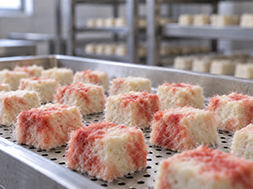
The reddish color of fermented tofu cannot be determined solely by its appearance; sampling and testing are necessary, and the abnormal product must be isolated. Relying solely on disinfectants is insufficient; equipment and the workshop environment must be thoroughly investigated. Air disinfection requires unmanned operation and material isolation. Disinfectants should be used according to specifications, and problems should be identified through a combination of production records and testing.

AB cleaning agents in food factories are prone to producing odor residues; Chlorine dioxide disinfectant can sterilize and deodorize without harmful residues. It can be diluted and used for disinfection of workshop equipment and water bodies, with matching ratios and safety operation requirements.
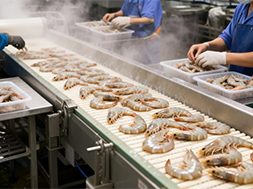
Chlorine dioxide disinfection in food production will produce harmful residues, and the water consumption of traditional large water washing is serious. Four measures can be taken to save water and reduce waste on the basis of ensuring food safety, so as to help enterprises achieve multiple benefits and win-win results.
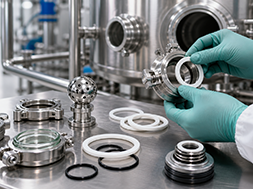
While switching from sodium hypochlorite to chlorine dioxide disinfection offers advantages such as sterilization, biofilm removal, and fewer disinfection byproducts, the strong oxidizing properties of chlorine dioxide necessitate careful consideration of production line material compatibility: 316L stainless steel should be prioritized for piping, and fluororubber or polytetrafluoroethylene (PTFE) should be used for seals, while also considering the suitability of accessories such as sight glasses and spray nozzles. The switch can be smoothly completed in three steps: establishing material records, conducting a 72-hour immersion test, and carrying out small-scale trial runs and inspections, thus preventing equipment corrosion and damage.
Northeast of Huangshan Road and Chuangye Intersection, Small and Medium sized Enterprise Entrepreneurship Industrial Park, Shanwang Town, Linqu County, Weifang City, Shandong Province
Copyright © 2025 by Shandong Huashi Pharmaceutical Co., Ltd All Rights Reserved


 Language
 中文
 Русский
 Chlorine Dioxide Disinfectant Manufacturer