Welcome to Our Factory for a Visit! Free customized disinfection solutions

Recently, we worked with a customer who produces hairy tofu.
The customer reported that an abnormal red coloration appeared on the hairy tofu during fermentation.
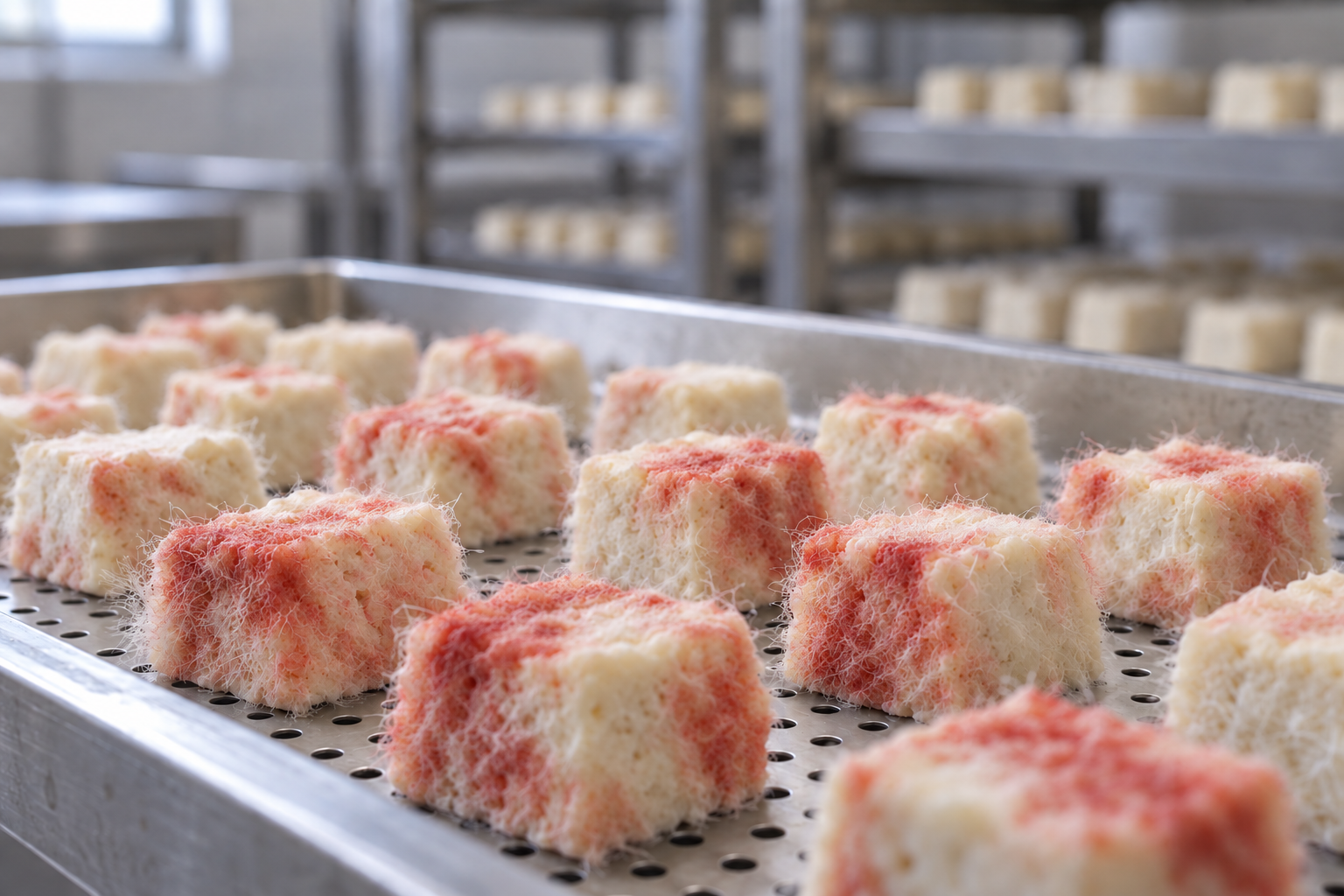
Figure 1. Illustration of abnormal red coloration on the surface of hairy tofu. AI-generated, not an actual customer photo, and not intended for microbial identification.
For a fermented-food producer, encountering a situation like this can be worrying. The raw materials have already been put into production, the process has already progressed, and just as the finished product is expected, an abnormal color appears.
How should this batch be handled? Can the next batch be produced normally? These questions need to be clarified as soon as possible.
In this case, the customer used our chlorine dioxide disinfectant to address hygiene issues involving the hairy tofu fermentation workshop, utensils, and related areas, while also paying attention to environmental air disinfection.
We would like to use this case to discuss one important point.
When an abnormality appears on the surface of hairy tofu, the investigation should cover the entire environment in which it develops.
However, the cause of the red coloration must first be described accurately.
Color alone cannot determine which microorganism is responsible, nor can it prove that the contamination originated from the air. Raw materials, process water, fermentation cultures, utensils, personnel practices, and temperature and humidity control all need to be checked according to the actual site conditions.
The specific cause must ultimately be confirmed through sampling, testing, and production records.
As a disinfectant manufacturer, we also cannot hear the words “turned red” and immediately draw a conclusion for the customer.
Any abnormal batch should first be isolated and evaluated. Whether it can continue to be consumed or sold cannot be determined simply by observing whether the color changes after disinfection.
Only after this boundary is made clear does it make sense to discuss workshop disinfection.
Many people’s first impression of hairy tofu is the layer of “hair” growing on its surface.
However, in hairy tofu production, which microorganisms grow and under what conditions they develop can influence the final product. Existing studies have also shown that artificial inoculation can alter the microbial community and flavor characteristics during hairy tofu fermentation.
Therefore, hygiene management in the fermentation workshop needs to work together with the fermentation process itself.
The microorganisms required for normal fermentation must be properly managed, while contamination that may interfere with production also needs to be controlled.
Disinfectants do not automatically distinguish between microorganisms needed for production and unwanted microorganisms. Therefore, disinfection timing, treatment areas, and the conditions required before production resumes must not be arranged arbitrarily.
Hairy tofu that is currently fermenting, starter cultures, and inoculation operations should be kept separate from environmental disinfection activities to avoid unwanted interference.
This is why we prefer to focus cleaning and disinfection activities during production intervals.
Returning to this customer’s situation, utensils are one area that deserves particular attention.
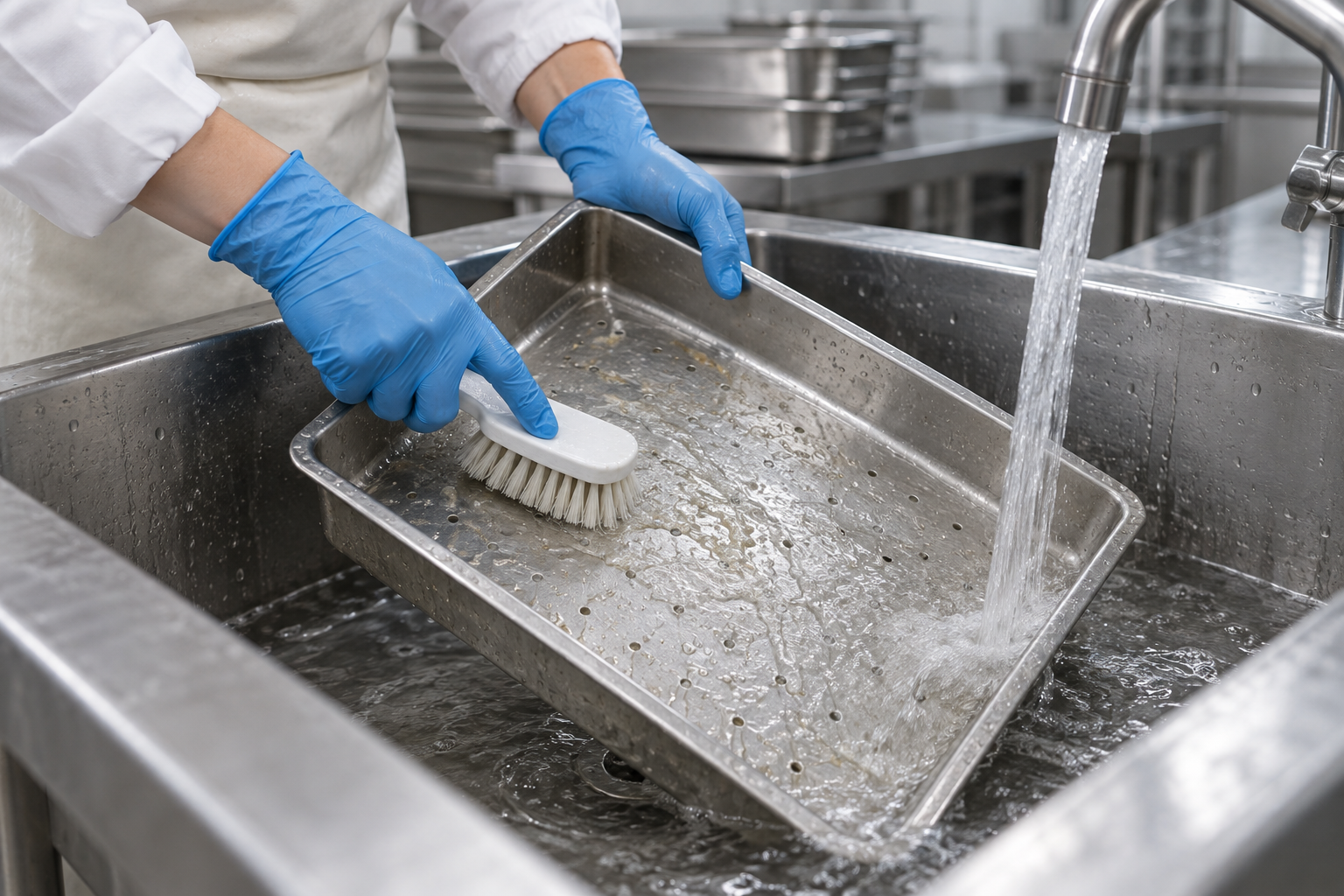
Figure 2. Cleaning stage before utensil disinfection.
Containers, trays, and tools that directly contact tofu are used batch after batch.
Whether they are thoroughly cleaned, whether residues remain in seams and joints, and how they are stored after disinfection can all affect their hygienic condition the next time they are used.
A surface that looks clean is only the starting point.
Tofu fragments and adhered residues should first be removed. Disinfection should then be carried out according to the instructions for the applicable product.
The working concentration, contact time, and method of use of the disinfectant must match the specific application.
For food-contact surfaces, any required rinsing or other post-treatment should also be completed according to the instructions to avoid recontamination.
Simply saying that something has been “soaked” or “sprayed” does not mean that the treatment is qualified.
The same principle applies to the workshop.
During an investigation, it is useful to follow the actual route taken by the tofu through the process: from entering the fermentation area, to placement, transfer, utensil recovery, and cleaning.
Every contact point along this route is worth checking.
Corners of racks, seams in worktables, reusable handling tools, and the storage locations of cleaned utensils can all be included in the inspection.
These are investigation directions only. They do not mean that these problems have already been confirmed at this customer’s site.
For case sharing, this distinction is extremely important.
What did the customer report? What was actually confirmed on site? Which factors remain only possibilities that still require investigation?
These must not be mixed together.
When it comes to the air environment, people also tend to place too much hope in a single intensive disinfection treatment.
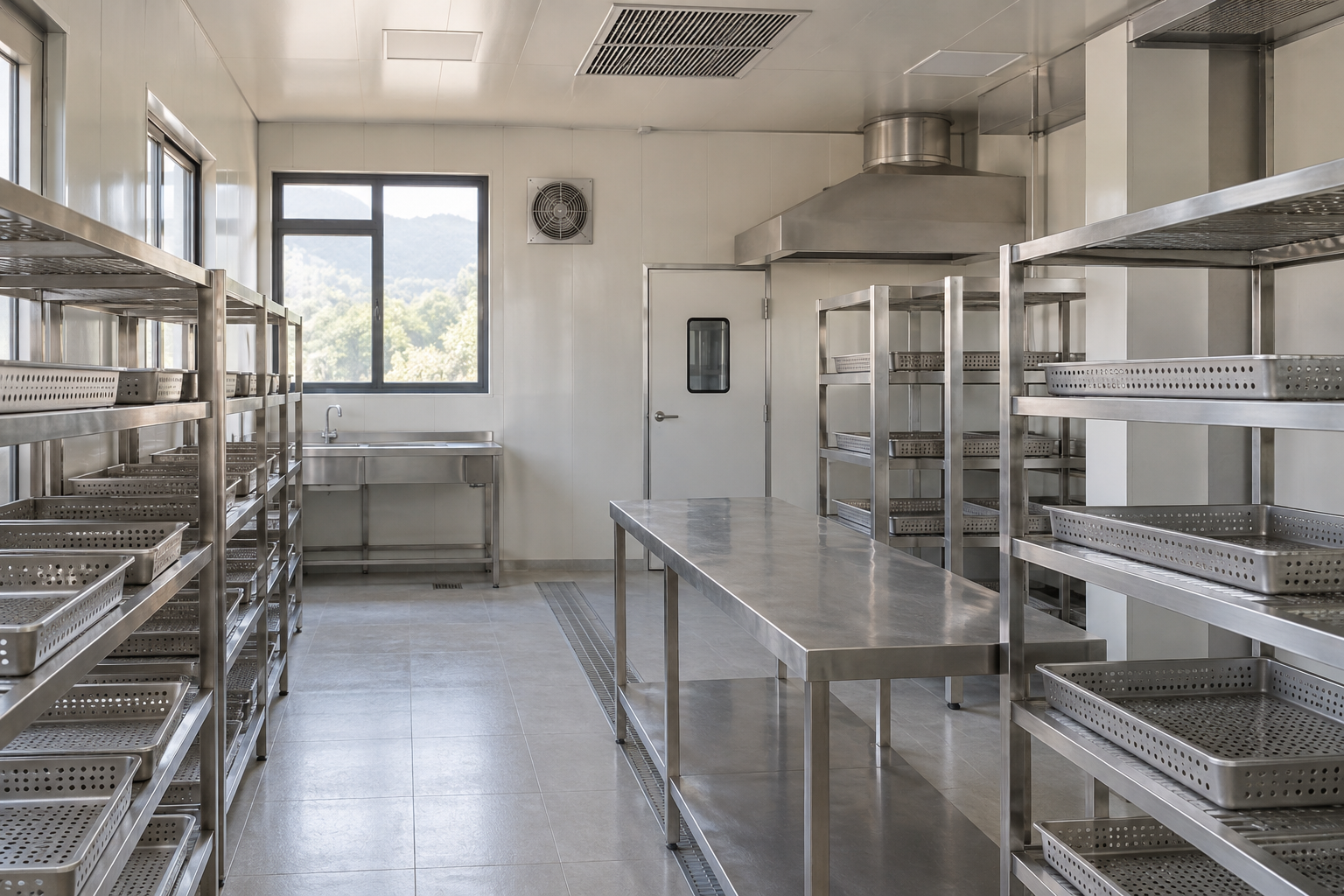
Figure 3. An unoccupied workshop during a production interval. AI-generated scene for illustration only; not evidence of disinfection effectiveness.
Air disinfection can be part of environmental hygiene management, but whether a specific product is suitable, what equipment should be used, and how operating conditions should be controlled depend on the product instructions and corresponding validation evidence.
China’s national health authority has made it clear in its disinfection guidance that chemical disinfectants should not be used for air disinfection when people are present.
A product intended for utensils or object surfaces also cannot automatically be applied to air disinfection simply because its active ingredient is chlorine dioxide.
In practice, chemical air disinfection should be carried out under compliant unoccupied conditions. Food and starter cultures should be isolated, and required ventilation and safety confirmation should be completed before personnel re-enter and production resumes.
At the same time, daily factors such as ventilation systems, personnel movement, and utensil circulation also need to be managed.
Otherwise, contamination may re-enter through subsequent operations even after disinfection has been completed.
As a manufacturer, we naturally hope that customers use our products correctly.
But “using them correctly” involves many specific details.
The correct application must be selected. Preliminary cleaning must be completed. The product must be prepared and used as required. Necessary post-treatment must be completed, and the result should then be checked and verified.
Only when every step is properly implemented on site can the product deliver its intended function.
The term “food grade,” which is frequently mentioned, also needs to be supported by product documentation and the actual permitted scope of use.
What customers really need to know is:
What applications can this product be used for?
What are the required conditions of use?
What needs to be done after treatment?
These details are much more useful than a vague statement that a product is simply “safe.”
As for whether the red coloration problem in this hairy tofu case has been resolved, that should be judged according to the performance of subsequent batches, environmental and utensil test results, and other investigation findings.
Without this follow-up information, we will not describe it as a successfully validated case.
Fermented foods rely heavily on accumulated production experience.
Experienced operators often judge temperature, humidity, and fermentation status based on years of practical work.
When this experience is combined with cleaning and disinfection records, starter culture management, and necessary testing, production abnormalities become easier to trace and corrective actions become better supported by evidence.
The red coloration encountered by this customer reminds us to take another careful look at the utensils used every day, the workshop through which people repeatedly move, and the operational details that can easily be overlooked.
We hope that chlorine dioxide disinfectants can help customers establish standardized hygiene management in these areas.
The goal is to allow the next batch of hairy tofu to begin fermentation under verified production conditions, so that every adjustment made has a clear basis and can be traced.
The reddish color of fermented tofu cannot be determined solely by its appearance; sampling and testing are necessary, and the abnormal product must be isolated. Relying solely on disinfectants is insufficient; equipment and the workshop environment must be thoroughly investigated. Air disinfection requires unmanned operation and material isolation. Disinfectants should be used according to specifications, and problems should be identified through a combination of production records and testing.
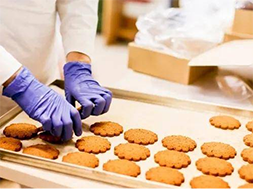
AB cleaning agents in food factories are prone to producing odor residues; Chlorine dioxide disinfectant can sterilize and deodorize without harmful residues. It can be diluted and used for disinfection of workshop equipment and water bodies, with matching ratios and safety operation requirements.
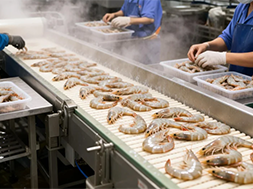
Chlorine dioxide disinfection in food production will produce harmful residues, and the water consumption of traditional large water washing is serious. Four measures can be taken to save water and reduce waste on the basis of ensuring food safety, so as to help enterprises achieve multiple benefits and win-win results.
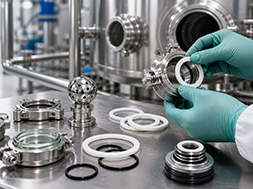
While switching from sodium hypochlorite to chlorine dioxide disinfection offers advantages such as sterilization, biofilm removal, and fewer disinfection byproducts, the strong oxidizing properties of chlorine dioxide necessitate careful consideration of production line material compatibility: 316L stainless steel should be prioritized for piping, and fluororubber or polytetrafluoroethylene (PTFE) should be used for seals, while also considering the suitability of accessories such as sight glasses and spray nozzles. The switch can be smoothly completed in three steps: establishing material records, conducting a 72-hour immersion test, and carrying out small-scale trial runs and inspections, thus preventing equipment corrosion and damage.
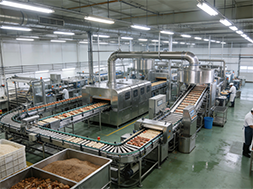
Traditional chlorine dioxide disinfection in food factories is time-consuming and reduces production capacity. Addressing pain points such as solution preparation, spraying, and ventilation monitoring, the process can be optimized in stages through equipment upgrades, zoned disinfection, scientific control of disinfection parameters, and accelerated ventilation monitoring. This phased process optimization, while ensuring safety and compliance, can shorten disinfection time by 30-50%, freeing up production capacity and improving hygiene management.
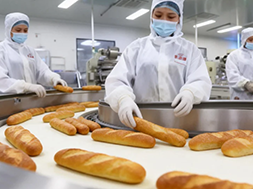
Powdered milk powder and starch dust in the powdered food workshop will absorb and consume chlorine dioxide dry fog, reducing the disinfection effect. It can solve the disinfection problems caused by dust and ensure food safety by reducing dust before disinfection, regulating the particle size of dry fog, pulse releasing agent, optimizing the air flow in the workshop, and matching other disinfection methods.
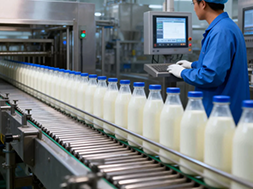
Chlorine dioxide is widely used for disinfection in water supply and food supply chains, but current issues exist regarding standards, procedures, and residue monitoring. It is necessary to standardize operating procedures, establish a comprehensive residue monitoring system, and improve risk warning and emergency response mechanisms to ensure disinfection safety from water treatment plant to table.

When using chlorine dioxide for disinfection of chocolate equipment, it is necessary to control the residue of the agent to avoid damaging the flavor and quality of the product. The preparation of the agent should be standardized, the disinfection and rinsing process optimized, and residue compliance verified through multiple methods. Since chocolate is a low-moisture food, a customized cleaning plan needs to be developed based on the specific equipment to balance safety and production stability.
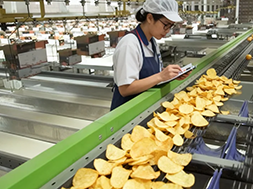
The strong oxidizing properties of chlorine dioxide can cause plastic conveyor belts in food factories to oxidize and age, with different materials exhibiting varying degrees of tolerance. To address this, a more refined approach can be taken, including controlling the concentration, shortening contact time, selecting oxidation-resistant materials, and employing differentiated disinfection methods and rotating disinfectants, thus balancing disinfection effectiveness with equipment protection.
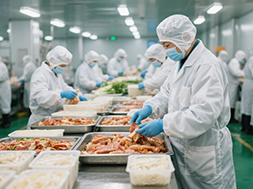
When using chlorine dioxide for disinfection in food production, the disinfectant concentration is a critical control point in the HACCP system. Test strips are convenient to use but have a relatively large margin of error; portable testing instruments offer higher accuracy but require regular calibration and maintenance. Enterprises can adopt a three-tiered monitoring solution: primarily online sensors, supplemented by portable instrument inspection and calibration, and emergency verification using test strips. This enables continuous monitoring, data retention and traceability, ensuring both disinfection effectiveness and food safety.
Northeast of Huangshan Road and Chuangye Intersection, Small and Medium sized Enterprise Entrepreneurship Industrial Park, Shanwang Town, Linqu County, Weifang City, Shandong Province
Copyright © 2025 by Shandong Huashi Pharmaceutical Co., Ltd All Rights Reserved


 Language
 中文
中文 Русский
 Chlorine Dioxide Disinfectant Manufacturer


