Welcome to Our Factory for a Visit! Free customized disinfection solutions
As hygiene-control requirements in food processing become increasingly stringent, some companies are reassessing their existing disinfection systems based on production processes, water quality conditions, and sanitation objectives.
Chlorine dioxide and free chlorine follow different reaction pathways. Under suitable conditions, chlorine dioxide can reduce the formation of certain typical halogenated organic disinfection by-products and may also be used for the control of some microorganisms and biofilms. However, chlorine dioxide is not a “zero by-product” technology; chlorite, chlorate, and other related transformation products still need to be considered.
By comparison, sodium hypochlorite remains a widely used disinfectant in the food-processing industry. However, its active chlorine species and disinfection performance are more strongly affected by pH, so corresponding process control is required under different water quality, temperature, and operating conditions.
Therefore, for a food plant that has used sodium hypochlorite for many years and is considering switching to chlorine dioxide, the real issue is not simply “changing the chemical.” The plant must reassess its cleaning procedures, disinfection parameters, material compatibility, and equipment operating conditions.
The following sections look at the key points that should be verified before converting a food-processing line from sodium hypochlorite to chlorine dioxide.
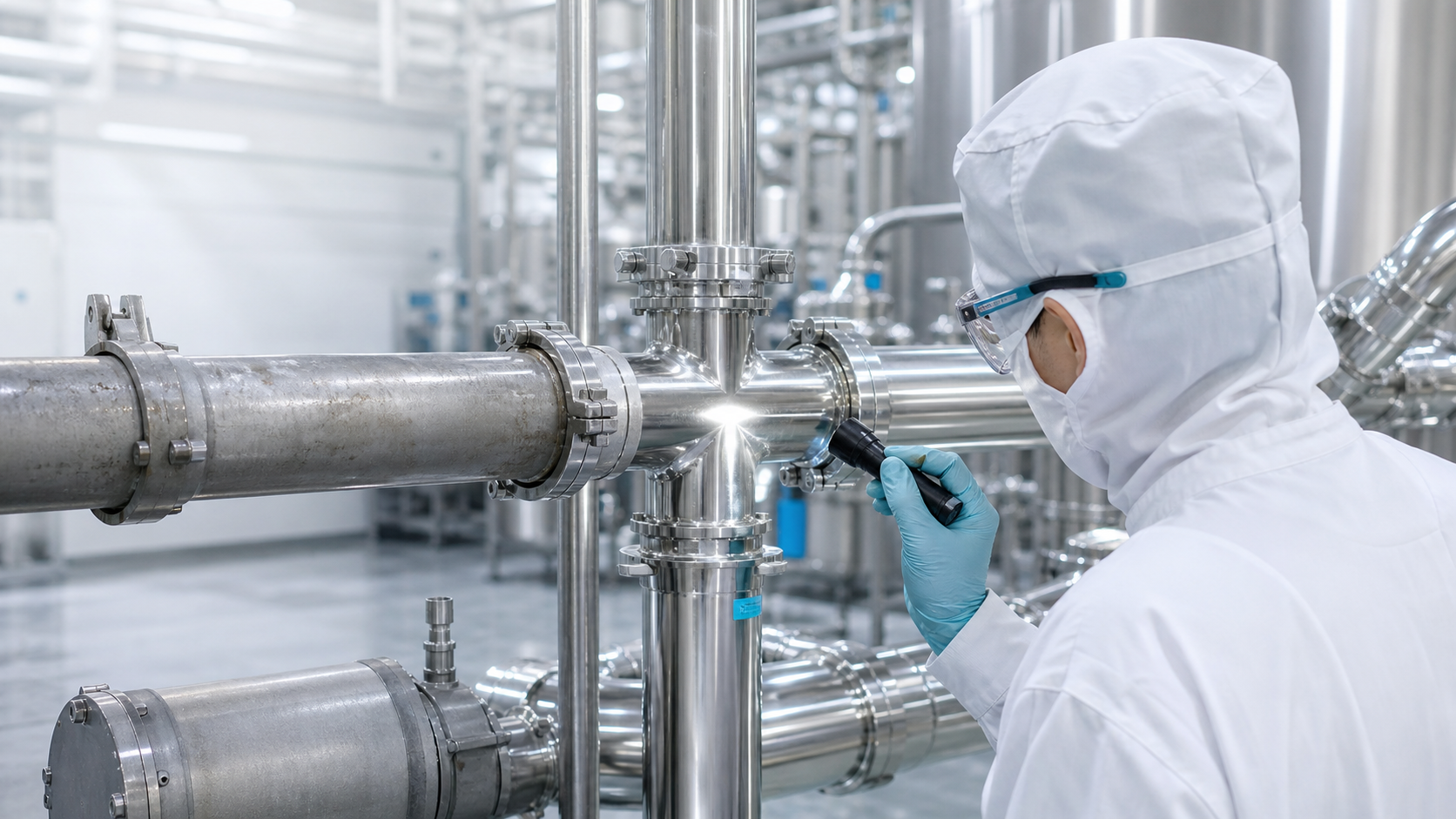
Although both chlorine dioxide and sodium hypochlorite can be used in food-processing hygiene management, their chemical characteristics, mechanisms of action, and process-control priorities are not identical.
The actual disinfection performance and material-corrosion risk of a sodium hypochlorite system are jointly affected by factors such as pH, available chlorine concentration, temperature, contact time, and material type.
Under suitable conditions, sodium hypochlorite can still provide stable disinfection performance. It should therefore not simply be regarded as “unsuitable for food plants” or as an obsolete technology.
Chlorine dioxide, on the other hand, exists mainly in molecular form and participates in selective oxidation reactions. Its disinfection performance is relatively less affected by changes in pH, and it has strong oxidation and disinfection capabilities.
However, one point must be made clear:
Strong oxidation capacity does not mean that practical disinfection performance can be expressed as a simple multiple.
The actual antimicrobial performance of chlorine dioxide still depends on:
concentration;
contact time;
temperature;
water quality;
organic load;
target microorganisms;
and the condition of equipment surfaces.
When adequate cleaning has been completed and appropriate concentration and contact time are used, chlorine dioxide can help reduce microbial loads on some equipment surfaces and within piping systems, and it can assist in biofilm control.
But it cannot provide a “one-time treatment with no recurrence.”
If food residues, proteins, fats, or other organic contaminants remain inside equipment, biofilms may re-form.
Therefore, one basic principle should always be clear in food-processing sanitation:
Effective cleaning is the foundation of effective disinfection. A disinfectant cannot replace thorough cleaning.
At the same time, although chlorine dioxide may offer process advantages for certain disinfection objectives, it is still a strong oxidizing agent. Its process advantages should not be interpreted as meaning that it is gentler on every material.
Switching from sodium hypochlorite to chlorine dioxide is therefore a systematic adjustment involving sanitation procedures, material compatibility, operating parameters, and maintenance practices.
On food-processing lines, metal piping, seals, pumps, valves, sight glasses, spray balls, and wetted instrument components are all areas that should be carefully reviewed after changing the disinfection system.
Material compatibility with chlorine dioxide should not be reduced to a simple “compatible” or “incompatible” judgment. It should be evaluated based on:
chlorine dioxide concentration;
temperature;
contact time;
pH;
chloride concentration;
mechanical stress;
material grade;
weld quality;
and surface-treatment condition.
Both 304 and 316L stainless steel are widely used in food-processing equipment.
304 stainless steel generally does not contain molybdenum, while 316L does. As a result, 316L generally has better resistance to pitting and crevice corrosion under certain chloride-containing conditions.
However, this does not mean that:
304 stainless steel can never be used with chlorine dioxide;
nor does it mean that:
316L is completely immune to corrosion at every chlorine dioxide concentration, temperature, and exposure duration.
In practice, the resistance of both materials can vary with chlorine dioxide concentration, water temperature, contact time, water chemistry, weld quality, and passivation condition.
Welds, dead zones, low-flow areas, and locations where chlorides may concentrate deserve particular attention.
Before making a full conversion, the existing 304 or 316L components should therefore be evaluated based on the actual operating conditions and material-compatibility data provided by the material supplier, rather than being replaced automatically.
A sound material assessment can help reduce the risk of pitting, crevice corrosion, leakage, and premature failure, thereby improving long-term production-line reliability.
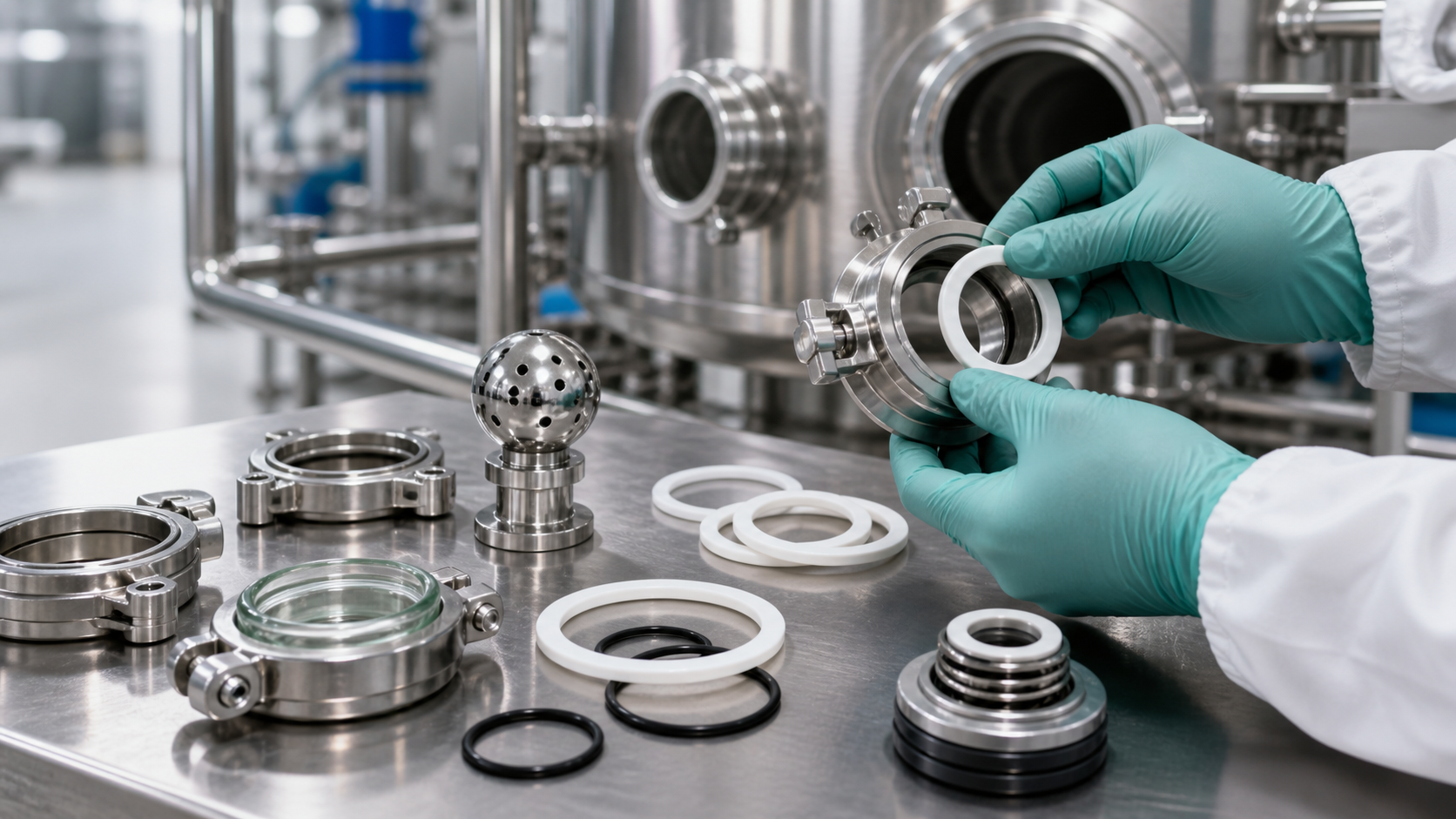
Although seals and gaskets occupy only a small part of the overall production line, their function is critical.
They not only provide equipment connections and sealing, but may also be exposed repeatedly to:
process water;
cleaning solutions;
acidic or alkaline CIP solutions;
disinfectants;
and food residues.
If material compatibility is inadequate, the following problems may occur:
swelling;
hardening;
cracking;
loss of elasticity;
seal failure;
and leakage.
PTFE and certain grades of fluoroelastomers generally have good chemical resistance and may therefore offer advantages in some strong-oxidant applications.
However, no sealing material is “naturally immune” to oxidizing agents.
Different fluoroelastomer grades, filler formulations, and seal structures may perform differently.
Compatibility should therefore be confirmed according to the specific material grade, chlorine dioxide concentration, temperature, and actual mode of use.
Proper material selection can help reduce the risk of seal aging, leakage, and frequent maintenance, but it cannot replace routine inspection and preventive replacement.
In addition to piping and sealing components, food plants contain many wetted parts that can easily be overlooked.
Examples include:
mechanical seals in CIP centrifugal pumps;
tank sight glasses;
spray balls;
valves;
instrument probes;
wetted flowmeter components;
hoses and connectors.
After changing the disinfection system, these components should also be checked for compatibility with the actual chlorine dioxide concentration, temperature, and contact time.
Mechanical seals, sight-glass gaskets, and small valve components deserve particular attention. Once these components age or begin to leak, they can directly affect CIP integrity and production continuity.
Therefore, the main piping system should not be the only focus. Components with a small surface area but a high failure impact must also be included in the compatibility assessment.
When a food plant changes from an existing disinfection process to chlorine dioxide, immediate full-line implementation is not recommended.
A more controlled approach is to verify actual suitability step by step through material documentation, simulated operating-condition testing, and limited-scale trial operation.
It is also important to distinguish between different application scenarios.
Chlorine dioxide may be used for:
process water;
CIP systems;
utensils and tools;
food-contact surfaces;
non-food-contact environmental surfaces;
piping and storage tanks.
The required concentration, contact time, residual-control requirements, and subsequent rinsing requirements may differ among these applications.
Therefore, actual operating parameters should be determined according to the specific product instructions, applicable standards, and validated sanitation procedures of the plant. Different application scenarios should not simply use the same disinfection parameters.
First, identify and record all equipment components that may come into contact with chlorine dioxide solution.
A material checklist should include, where applicable:
equipment name;
component location;
material grade;
seal material;
weld condition;
operating temperature;
expected chlorine dioxide concentration;
contact time;
historical failure records.
A traceable material database provides a technical basis for future maintenance, abnormal-condition investigation, and process optimization.
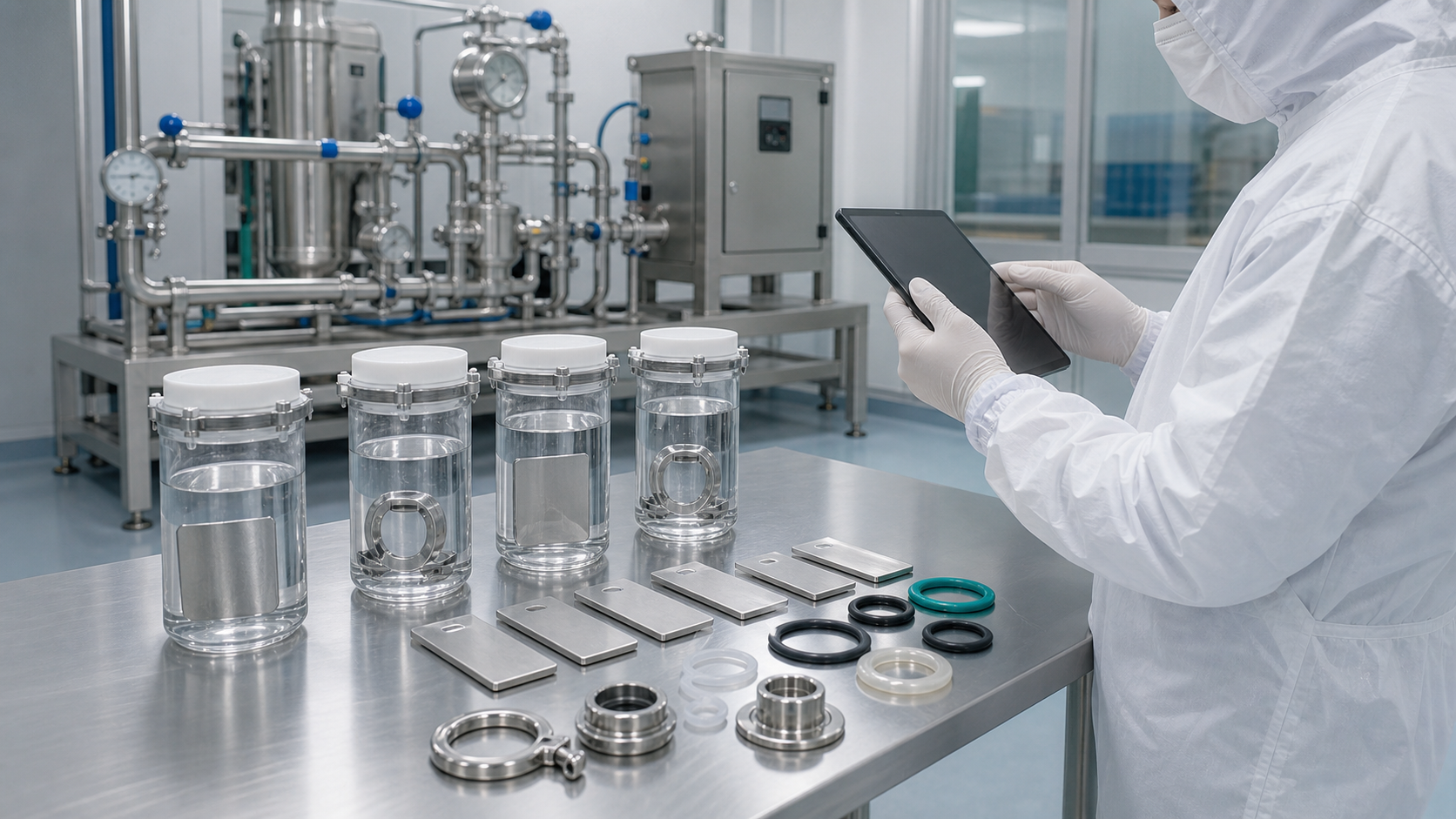
For metal, rubber, plastic, or sealing materials whose compatibility is uncertain, testing can be performed under conditions that simulate actual operation.
The test should not be universally fixed at “72 hours of immersion.”
A more appropriate approach is to design test conditions according to the actual process, including:
actual chlorine dioxide concentration;
actual or accelerated temperature;
single-exposure duration;
frequency of use;
whether chlorine dioxide is alternated with acidic or alkaline CIP procedures;
static immersion or circulating-flow conditions.
Before and after testing, the following parameters may be compared:
mass change;
dimensional change;
surface condition;
hardness;
elasticity;
tensile properties;
sealing performance;
metal-surface corrosion.
The results can then be compared with material-supplier technical data, equipment-manufacturer requirements, or internal acceptance criteria to provide a more direct assessment of material compatibility under actual operating conditions.
After preliminary material verification, a limited production line, individual equipment set, or non-critical process section can be selected for staged trial operation.
It is not necessary to define a universal rule such as “one month of trial operation.” The trial period should be determined according to the production cycle, disinfection frequency, and risk level.
During trial operation, evaluation should not be limited to whether leakage or unusual odor occurs.
The plant should also monitor:
equipment material condition;
changes in seals;
actual chlorine dioxide concentration and residual;
microbiological control performance;
product-quality changes;
CIP effectiveness;
relevant residual indicators where necessary;
equipment operating stability.
Only after these key indicators meet the plant’s predefined validation criteria should the use of chlorine dioxide be gradually expanded.
A regular inspection program should also be established, with particular attention to:
welds;
sealing rings;
mechanical seals;
valves;
sight glasses;
spray balls;
hoses;
instrument probes and other high-risk components.
The earlier material degradation or operational abnormalities are identified, the easier it is to make adjustments before production is interrupted.
Switching a food-processing plant to a chlorine dioxide disinfection system is not simply a matter of replacing one chemical with another.
It involves:
cleaning procedures;
disinfection parameters;
material compatibility;
equipment condition;
residual control;
sanitation validation;
operation and maintenance.
A more reliable transition pathway is:
Establish a material database first, then conduct simulated operating-condition testing, and finally expand application step by step through limited-scale trial operation and sanitation-performance validation.
If the preliminary validation is adequate, chlorine dioxide can serve as one technical option within a food-processing sanitation-control system.
However, whether it is suitable for a specific production line should still be determined according to the food category, production equipment, cleaning method, water quality, and sanitation objectives, rather than assuming that switching to chlorine dioxide will automatically make the process safer, less costly, or less corrosive.
XIUBA can provide chlorine dioxide products, supporting equipment, and technical support for different food-processing applications, and can assist customers in evaluating disinfection parameters and material compatibility according to actual site conditions.
For public claims concerning company history, participation in standards development, patent numbers, or product performance exceeding national standards, it is recommended that such statements be supported by verifiable certificates, patent lists, test reports, or official standards documentation before publication.
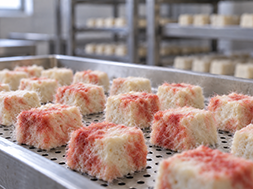
The reddish color of fermented tofu cannot be determined solely by its appearance; sampling and testing are necessary, and the abnormal product must be isolated. Relying solely on disinfectants is insufficient; equipment and the workshop environment must be thoroughly investigated. Air disinfection requires unmanned operation and material isolation. Disinfectants should be used according to specifications, and problems should be identified through a combination of production records and testing.

AB cleaning agents in food factories are prone to producing odor residues; Chlorine dioxide disinfectant can sterilize and deodorize without harmful residues. It can be diluted and used for disinfection of workshop equipment and water bodies, with matching ratios and safety operation requirements.
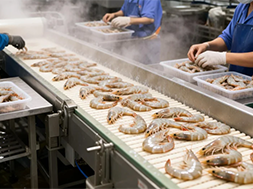
Chlorine dioxide disinfection in food production will produce harmful residues, and the water consumption of traditional large water washing is serious. Four measures can be taken to save water and reduce waste on the basis of ensuring food safety, so as to help enterprises achieve multiple benefits and win-win results.
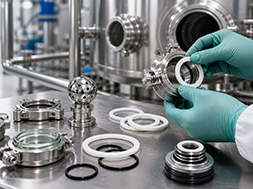
While switching from sodium hypochlorite to chlorine dioxide disinfection offers advantages such as sterilization, biofilm removal, and fewer disinfection byproducts, the strong oxidizing properties of chlorine dioxide necessitate careful consideration of production line material compatibility: 316L stainless steel should be prioritized for piping, and fluororubber or polytetrafluoroethylene (PTFE) should be used for seals, while also considering the suitability of accessories such as sight glasses and spray nozzles. The switch can be smoothly completed in three steps: establishing material records, conducting a 72-hour immersion test, and carrying out small-scale trial runs and inspections, thus preventing equipment corrosion and damage.
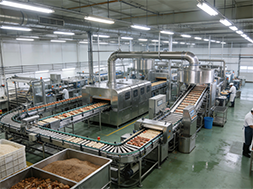
Traditional chlorine dioxide disinfection in food factories is time-consuming and reduces production capacity. Addressing pain points such as solution preparation, spraying, and ventilation monitoring, the process can be optimized in stages through equipment upgrades, zoned disinfection, scientific control of disinfection parameters, and accelerated ventilation monitoring. This phased process optimization, while ensuring safety and compliance, can shorten disinfection time by 30-50%, freeing up production capacity and improving hygiene management.
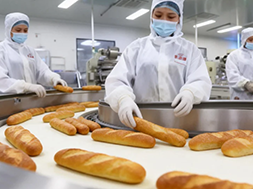
Powdered milk powder and starch dust in the powdered food workshop will absorb and consume chlorine dioxide dry fog, reducing the disinfection effect. It can solve the disinfection problems caused by dust and ensure food safety by reducing dust before disinfection, regulating the particle size of dry fog, pulse releasing agent, optimizing the air flow in the workshop, and matching other disinfection methods.
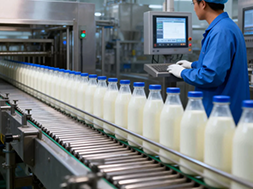
Chlorine dioxide is widely used for disinfection in water supply and food supply chains, but current issues exist regarding standards, procedures, and residue monitoring. It is necessary to standardize operating procedures, establish a comprehensive residue monitoring system, and improve risk warning and emergency response mechanisms to ensure disinfection safety from water treatment plant to table.
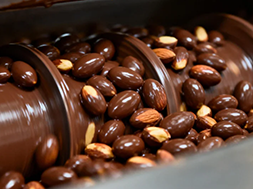
When using chlorine dioxide for disinfection of chocolate equipment, it is necessary to control the residue of the agent to avoid damaging the flavor and quality of the product. The preparation of the agent should be standardized, the disinfection and rinsing process optimized, and residue compliance verified through multiple methods. Since chocolate is a low-moisture food, a customized cleaning plan needs to be developed based on the specific equipment to balance safety and production stability.
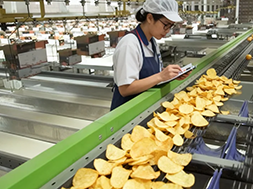
The strong oxidizing properties of chlorine dioxide can cause plastic conveyor belts in food factories to oxidize and age, with different materials exhibiting varying degrees of tolerance. To address this, a more refined approach can be taken, including controlling the concentration, shortening contact time, selecting oxidation-resistant materials, and employing differentiated disinfection methods and rotating disinfectants, thus balancing disinfection effectiveness with equipment protection.
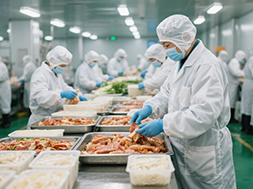
When using chlorine dioxide for disinfection in food production, the disinfectant concentration is a critical control point in the HACCP system. Test strips are convenient to use but have a relatively large margin of error; portable testing instruments offer higher accuracy but require regular calibration and maintenance. Enterprises can adopt a three-tiered monitoring solution: primarily online sensors, supplemented by portable instrument inspection and calibration, and emergency verification using test strips. This enables continuous monitoring, data retention and traceability, ensuring both disinfection effectiveness and food safety.
Northeast of Huangshan Road and Chuangye Intersection, Small and Medium sized Enterprise Entrepreneurship Industrial Park, Shanwang Town, Linqu County, Weifang City, Shandong Province
Copyright © 2025 by Shandong Huashi Pharmaceutical Co., Ltd All Rights Reserved


 Language
 中文
中文 Русский
 Chlorine Dioxide Disinfectant Manufacturer


