Welcome to Our Factory for a Visit! Free customized disinfection solutions

In food production facilities, whenever centralized cleaning and disinfection begins, production lines often need to stop or adjust their operation. Workers must complete a series of tasks, including preparing disinfectant solutions, spraying or wiping, maintaining the required contact time, ventilation, and effectiveness verification.
For some workshops that require production shutdowns for centralized cleaning and disinfection, these preparation, application, contact, ventilation, and verification steps may take a considerable amount of time, creating significant hidden downtime costs.
Therefore, the real challenge for food companies is not whether disinfection should be reduced, but how to minimize unnecessary waiting, repetitive work, and operational variability while still ensuring food safety and disinfection effectiveness.
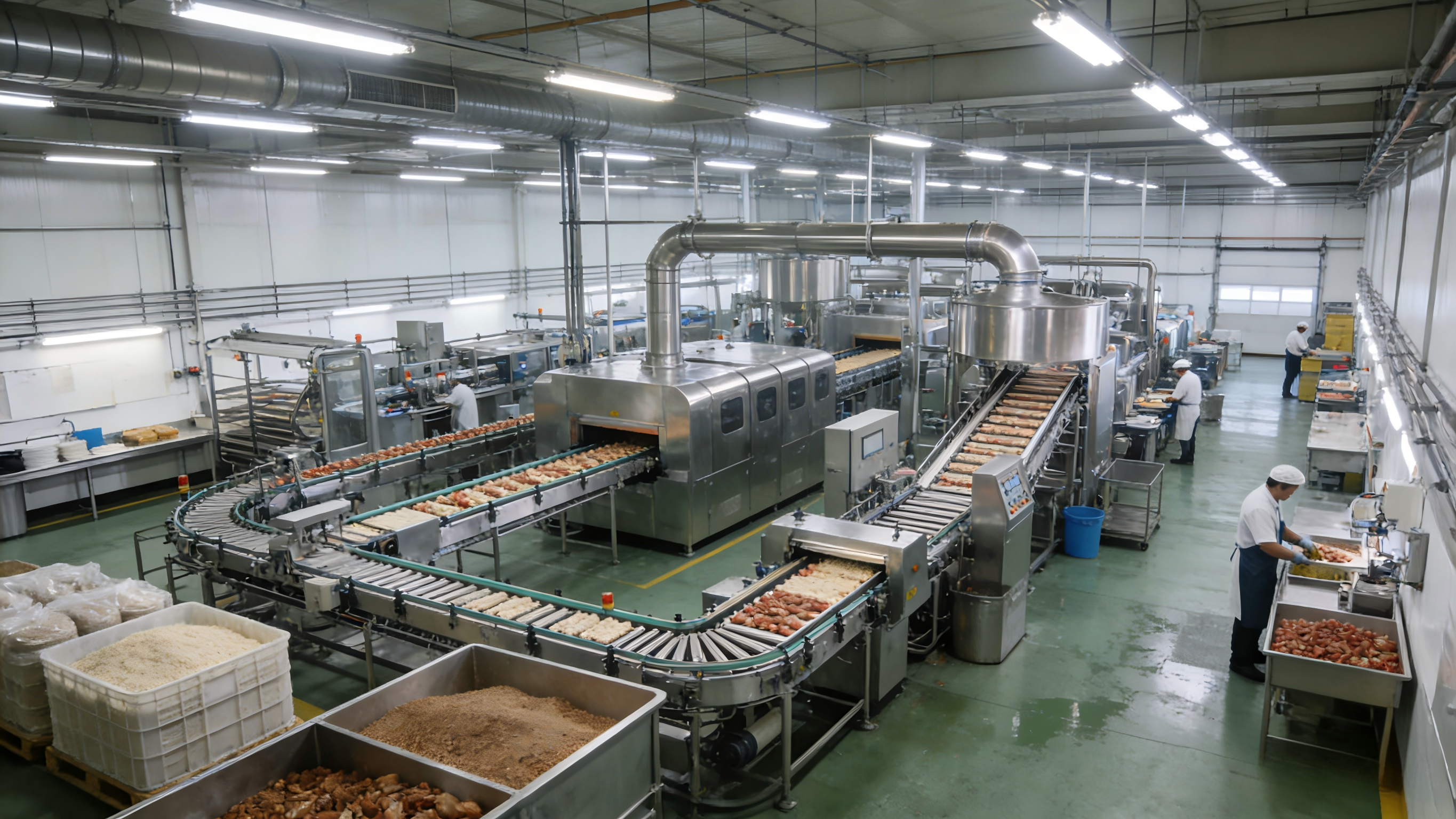
A chlorine dioxide disinfection process in food production may include:
Preparation → disinfectant preparation → necessary area isolation → application → required contact time → ventilation or environmental recovery → effectiveness confirmation
The total time required depends on many factors, including workshop size, equipment configuration, contamination risk, application method, and verification requirements.
Common efficiency bottlenecks include:
But can disinfection simply be reduced?
Of course not.
Food safety is a fundamental requirement that food manufacturers must maintain over the long term. Under appropriate concentration, contact time, and application conditions, chlorine dioxide can inactivate a range of bacteria, viruses, and fungi, and is therefore used in certain food production applications.
The issue is not whether disinfection should be carried out, but how to establish a more stable, standardized, and efficient sanitation process.
By optimizing equipment, operating procedures, and verification methods, some companies may reduce unnecessary waiting and repetitive work without compromising disinfection performance, thereby shortening overall downtime.
The following five areas can serve as references for improving disinfection efficiency in food plants. However, specific measures should still be determined according to product type, hygiene risk, equipment conditions, and actual validation results.
For food production areas suitable for spraying or space treatment, automated or semi-automated systems can reduce manual work and improve consistency during disinfectant application.
These systems may provide:
Preset program control: Spray parameters can be configured according to workshop size, spatial structure, equipment layout, and validation results.
Improved coverage consistency: Properly validated nozzle layout, spray flow rate, and droplet parameters can improve coverage consistency in target areas. However, coverage tests or on-site validation are still required to identify possible blind spots.
Reduced repetitive operations: Compared with fully manual spraying, these systems can reduce operator movement, repeated spraying, and variability between operators. The actual improvement depends on workshop size, equipment layout, and existing work practices.
For companies with limited budgets or facilities not suitable for fixed systems, mobile electric spraying equipment may also be considered to improve application efficiency and operating consistency without requiring major facility modifications.
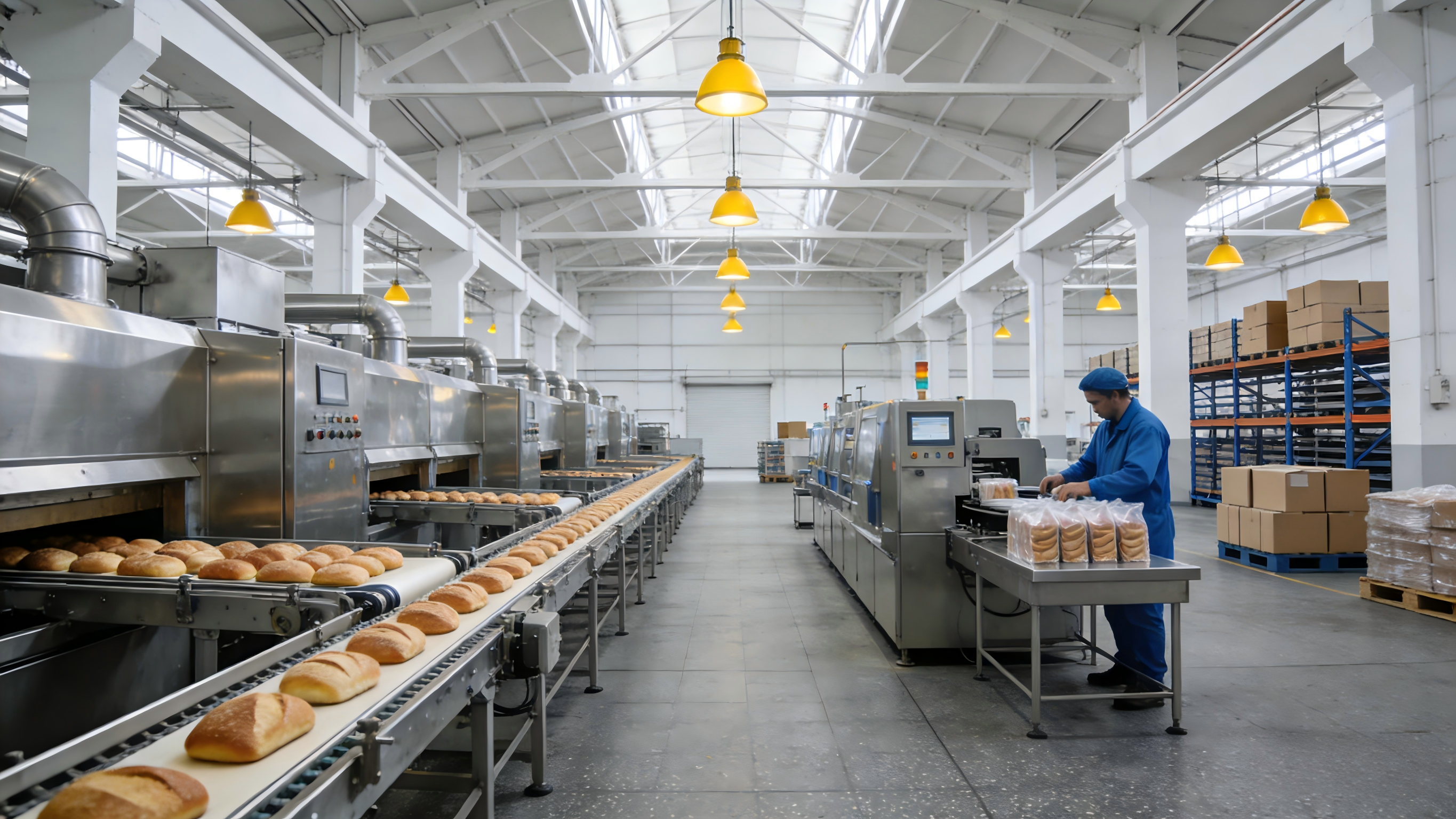
Standardizing disinfectant preparation is an important step in reducing human error and repetitive work.
Depending on actual production needs, companies may consider the following approaches:
Use an appropriate on-site chlorine dioxide generation system: This allows on-demand preparation and can improve consistency of working-solution concentration through standardized raw-material metering, equipment calibration, and concentration testing.
Use standardized precursor formulations or pre-measured packaging: This can reduce manual weighing, mixing, and proportioning errors.
Establish a rapid concentration confirmation procedure: Select a testing method appropriate for the required level of accuracy, reducing repeated preparation and adjustment caused by uncertainty in concentration.
It should be noted that test strips, colorimetric methods, photometric methods, and online analyzers differ in accuracy and response time. The method should therefore be selected according to the application and quality-control requirements rather than simply choosing the fastest option.
Proper hygiene zoning can reduce the impact of cleaning and disinfection on the entire production area.
For facilities with independent hygiene zones, physical separation, and suitable airflow control, companies may evaluate whether cleaning and disinfection can be rotated between zones to reduce the impact of each sanitation cycle on overall production.
Equipment layout can also be optimized to provide sufficient space for cleaning and disinfection operations, personnel access, and equipment movement, reducing cleaning or spraying blind spots caused by obstructions.
If zoning is used during sanitation, physical separation and airflow management measures should be established based on risk assessment to ensure that disinfectants do not migrate into areas where production is continuing or food is exposed.
Temporary barriers should not automatically be treated as effective hygienic isolation. Their suitability should be assessed based on airflow, application method, and the risk of food exposure.
Disinfection contact time should not rely solely on historical experience, nor should it be shortened simply for the sake of efficiency.
Appropriate contact time should be determined based on:
Product instructions and approved scope of use;
Target microorganisms;
Actual use concentration;
Surface material and contamination load;
Environmental conditions;
On-site validation results.
Different areas may use different cleaning and disinfection procedures according to hygiene risk, but these differences should be supported by validation.
Temperature and humidity may affect the performance of certain disinfection processes. They should therefore be controlled within the applicable range specified for the product and within validated operating conditions, rather than being adjusted arbitrarily simply to reduce contact time.
The goal of efficiency improvement is not to shorten contact time that has already been demonstrated to be necessary, but to reduce unnecessary waiting and repetitive operations outside the essential disinfection period.
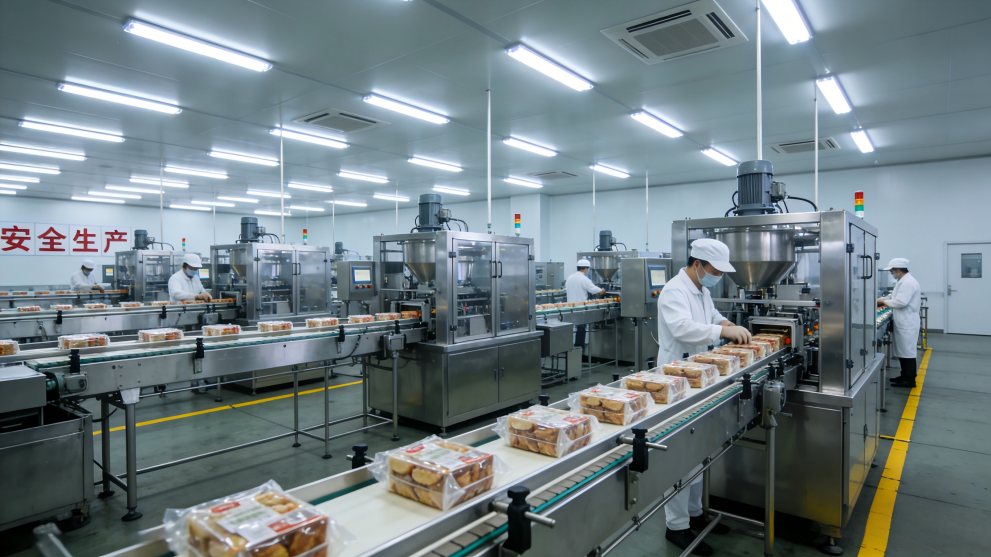
For applications that require ventilation or environmental recovery after disinfection, properly designed mechanical ventilation can improve air exchange and reduce unnecessary waiting time.
However, the actual ventilation period should still be determined according to:
Room volume;
Air-exchange capacity;
Equipment and environmental conditions;
Residual disinfectant concentration;
Requirements for personnel re-entry and production restart.
A fixed percentage reduction in ventilation time should not be applied universally.
For verification, ATP bioluminescence testing can be used for rapid assessment of surface cleanliness and detection of organic residues.
However, ATP results should not be treated as direct proof that microbial disinfection requirements have been met, nor should ATP replace necessary microbiological culture or other validated sanitation verification methods.
ATP is more appropriate as a rapid supporting tool for routine hygiene monitoring.
For facilities with independent hygiene zones, effective cross-contamination controls, and clearly defined release criteria, individual areas may be verified and returned to service separately according to a prevalidated procedure, reducing unnecessary waiting for the entire production area.
The following timeline is only an example. Actual implementation periods should depend on facility size, budget, existing equipment, and validation requirements.
The first priority can be standardization of daily operations:
Upgrade unsuitable traditional spraying equipment to more convenient and controllable electric or mobile equipment;
Develop standardized operating cards that clearly define preparation, application, contact time, ventilation, and verification requirements;
Provide position-specific and cross-functional training to reduce variation caused by differences between operators.
Once the basic workflow is stable, companies can further:
Evaluate whether automated or semi-automated application systems are suitable for the existing workshop;
Review hygiene zoning and sanitation schedules;
Introduce appropriate rapid supporting monitoring tools;
Optimize disinfectant preparation, storage, and on-site confirmation procedures.
For larger food plants or facilities with higher hygiene-control requirements, companies may further consider:
Installing validated fixed disinfection or application systems;
Integrating sanitation procedures, equipment operating status, and hygiene inspection records into production management systems;
Establishing a continuous improvement mechanism and periodically evaluating sanitation efficiency and hygiene-control performance based on actual operating data.
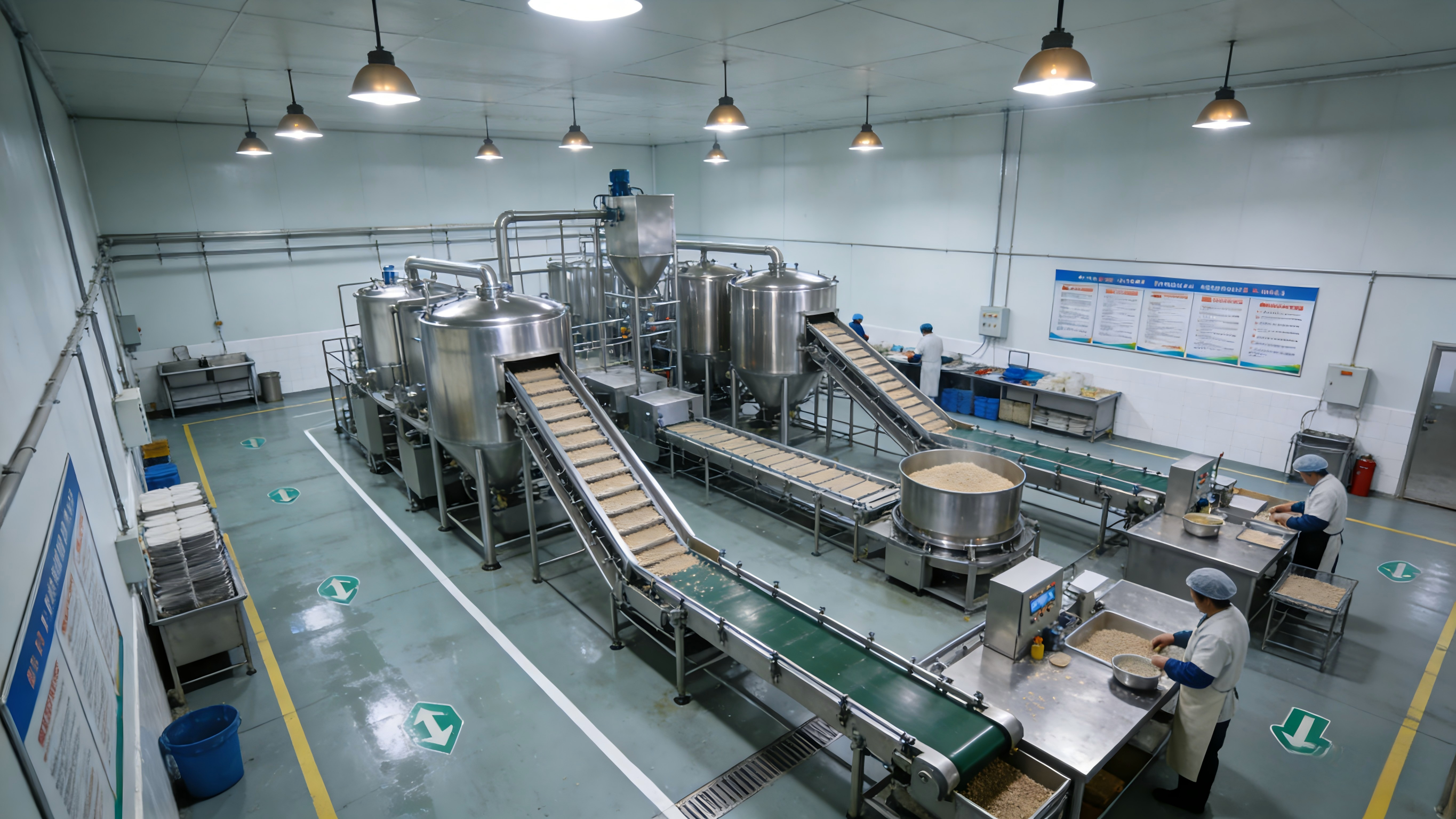
When improving efficiency, at least four basic principles should be maintained:
Disinfection effectiveness must not be compromised: All process optimization should be based on product requirements and actual validation data.
Employee safety must be protected: Automated and fixed systems still require appropriate ventilation, protective measures, interlocks, and personnel safety management.
Food and food-contact safety must be controlled: Risks associated with disinfectant migration, residues, and cross-contamination should be managed. Whether rinsing or other post-treatment is required should be determined according to specific product instructions and the facility’s sanitation procedures.
Compliance is a prerequisite: Any changes to disinfectants, application methods, or hygiene procedures should comply with applicable regulations, product instructions, and the company’s own food safety management requirements.
The true competitiveness of a food manufacturer is reflected not only in production speed and capacity, but also in its ability to maintain stable food safety and hygiene standards over the long term.
Scientifically optimizing disinfection does not mean simply compressing a two-hour process into one hour, nor does it mean shortening contact times that have already been validated as necessary.
What should truly be reduced is:
manual preparation error, unnecessary waiting, repeated spraying, inconsistent coverage, operational variability, and avoidable full-line shutdowns.
Through systematic optimization of equipment, workflows, hygiene zoning, and verification methods, some companies may significantly reduce unnecessary downtime and waiting. However, the actual level of improvement should always be verified using real operating data.
Therefore, the core principle of disinfection efficiency optimization in food plants should be:
Under the prerequisite of maintaining adequate cleaning, coverage, contact time, food-contact safety, and validated results, use automation, standardization, and process optimization to reduce non-value-added waiting and repetitive work.
This is the sustainable way to reduce hidden costs while building a stable, long-term hygiene management system.
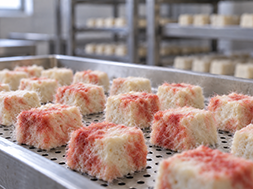
The reddish color of fermented tofu cannot be determined solely by its appearance; sampling and testing are necessary, and the abnormal product must be isolated. Relying solely on disinfectants is insufficient; equipment and the workshop environment must be thoroughly investigated. Air disinfection requires unmanned operation and material isolation. Disinfectants should be used according to specifications, and problems should be identified through a combination of production records and testing.

AB cleaning agents in food factories are prone to producing odor residues; Chlorine dioxide disinfectant can sterilize and deodorize without harmful residues. It can be diluted and used for disinfection of workshop equipment and water bodies, with matching ratios and safety operation requirements.
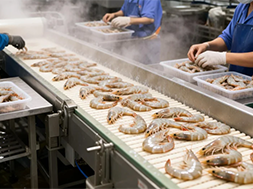
Chlorine dioxide disinfection in food production will produce harmful residues, and the water consumption of traditional large water washing is serious. Four measures can be taken to save water and reduce waste on the basis of ensuring food safety, so as to help enterprises achieve multiple benefits and win-win results.
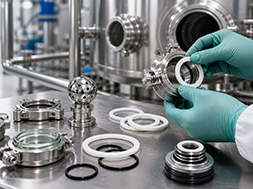
While switching from sodium hypochlorite to chlorine dioxide disinfection offers advantages such as sterilization, biofilm removal, and fewer disinfection byproducts, the strong oxidizing properties of chlorine dioxide necessitate careful consideration of production line material compatibility: 316L stainless steel should be prioritized for piping, and fluororubber or polytetrafluoroethylene (PTFE) should be used for seals, while also considering the suitability of accessories such as sight glasses and spray nozzles. The switch can be smoothly completed in three steps: establishing material records, conducting a 72-hour immersion test, and carrying out small-scale trial runs and inspections, thus preventing equipment corrosion and damage.
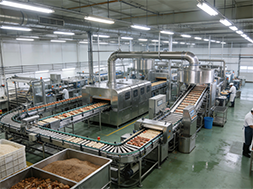
Traditional chlorine dioxide disinfection in food factories is time-consuming and reduces production capacity. Addressing pain points such as solution preparation, spraying, and ventilation monitoring, the process can be optimized in stages through equipment upgrades, zoned disinfection, scientific control of disinfection parameters, and accelerated ventilation monitoring. This phased process optimization, while ensuring safety and compliance, can shorten disinfection time by 30-50%, freeing up production capacity and improving hygiene management.
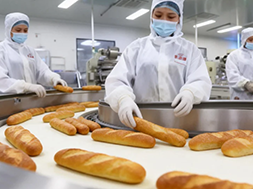
Powdered milk powder and starch dust in the powdered food workshop will absorb and consume chlorine dioxide dry fog, reducing the disinfection effect. It can solve the disinfection problems caused by dust and ensure food safety by reducing dust before disinfection, regulating the particle size of dry fog, pulse releasing agent, optimizing the air flow in the workshop, and matching other disinfection methods.
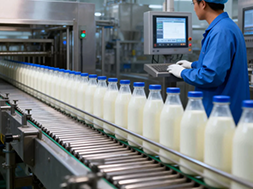
Chlorine dioxide is widely used for disinfection in water supply and food supply chains, but current issues exist regarding standards, procedures, and residue monitoring. It is necessary to standardize operating procedures, establish a comprehensive residue monitoring system, and improve risk warning and emergency response mechanisms to ensure disinfection safety from water treatment plant to table.

When using chlorine dioxide for disinfection of chocolate equipment, it is necessary to control the residue of the agent to avoid damaging the flavor and quality of the product. The preparation of the agent should be standardized, the disinfection and rinsing process optimized, and residue compliance verified through multiple methods. Since chocolate is a low-moisture food, a customized cleaning plan needs to be developed based on the specific equipment to balance safety and production stability.
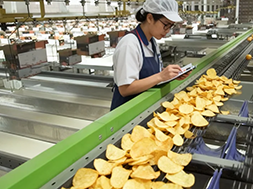
The strong oxidizing properties of chlorine dioxide can cause plastic conveyor belts in food factories to oxidize and age, with different materials exhibiting varying degrees of tolerance. To address this, a more refined approach can be taken, including controlling the concentration, shortening contact time, selecting oxidation-resistant materials, and employing differentiated disinfection methods and rotating disinfectants, thus balancing disinfection effectiveness with equipment protection.
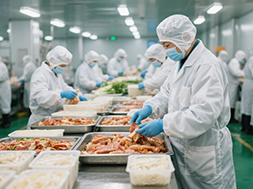
When using chlorine dioxide for disinfection in food production, the disinfectant concentration is a critical control point in the HACCP system. Test strips are convenient to use but have a relatively large margin of error; portable testing instruments offer higher accuracy but require regular calibration and maintenance. Enterprises can adopt a three-tiered monitoring solution: primarily online sensors, supplemented by portable instrument inspection and calibration, and emergency verification using test strips. This enables continuous monitoring, data retention and traceability, ensuring both disinfection effectiveness and food safety.
Northeast of Huangshan Road and Chuangye Intersection, Small and Medium sized Enterprise Entrepreneurship Industrial Park, Shanwang Town, Linqu County, Weifang City, Shandong Province
Copyright © 2025 by Shandong Huashi Pharmaceutical Co., Ltd All Rights Reserved


 Language
 中文
中文 Русский
 Chlorine Dioxide Disinfectant Manufacturer


