Welcome to Our Factory for a Visit! Free customized disinfection solutions

AB agent, as a commonly used cleaning agent in the food processing industry, is the best choice in the food production process. However, in the use of its products, there are still many unresolved safety issues such as pungent odors and residual cleaning residue. (The commonly known food AB agent refers to agent A (acidic) for removing inorganic dirt and agent B (alkaline) for treating organic stains. The two work together to make the equipment clean as new.)
However, both play a crucial role in the equipment cleaning process of food factories. However, once there is a lack of professional cleaning equipment, problems will arise one after another, which not only affects the work experience and physical health of workers, but may also pose a potential threat to food quality.
Don't worry, today we will introduce a odor killer - chlorine dioxide liquid, which will bring a perfect solution to the odor problem in food factories.
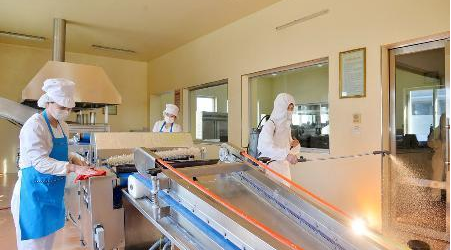
AB agent has a strong odor, what's going on?
First, let's talk about the root cause of the strong odor of AB agent:
From a chemical composition perspective, the various components in AB agent are highly volatile. Citric acid and phosphoric acid in acidic cleaning agents evaporate freely in the air;
Sodium hydroxide and sodium carbonate in alkaline cleaning agents react with carbon dioxide in the air, releasing odorous gases that make the odor in the workshop complex and unpleasant.
When there is a lack of equipment assistance, there are problems with the dilution and dispersion of AB agent. Normally used for equipment cleaning, AB agent can be mixed with a large amount of water and evenly dispersed through spraying. Without the equipment, the AB agent was directly poured onto the surface of the object, with a high concentration and a naturally strong and pungent odor that was unbearable.
Cleaning the environment also hinders progress. Without equipment assistance, the ventilation in the workshop is often poor, and odors cannot be eliminated in a timely manner, only accumulating more and more in the workshop. Moreover, environmental factors such as temperature and humidity are difficult to control, further affecting the volatilization of AB agent, and the intensity of the odor continues to escalate. Workers working in such an environment are extremely miserable.
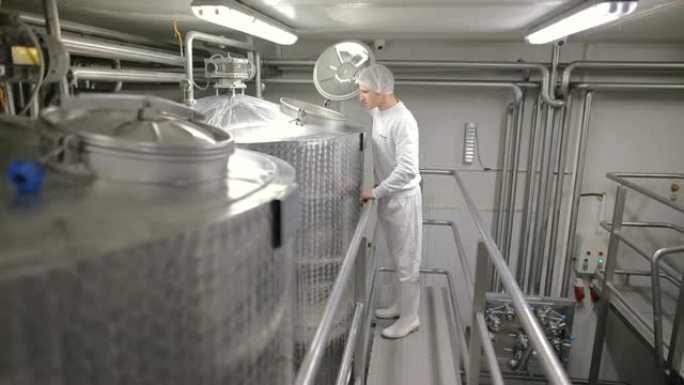
Chlorine dioxide liquid, how can it save the scene?
Looking at chlorine dioxide liquid again, as a rising star in the disinfection industry and the guardian of the final hygiene and disinfection process in many production processes, its reliable strength is known as the "odor killer" of the disinfection industry. From the principles of disinfection and deodorization, chlorine dioxide is a strong oxidant with an unsaturated outer layer of 19 electrons, making it highly aggressive. During disinfection, it can forcefully scavenge electrons from electron rich atomic groups in microbial cells, such as thiol containing enzymes, sulfides, chlorides, etc., which are difficult to resist. The cell structure of microorganisms is destroyed, their growth is inhibited, and they are eventually killed. When deodorizing, it can accurately oxidize and decompose odor molecules such as ammonia and hydrogen sulfide in the air, "eating" all the unpleasant odors and making the air fresh as before.
Compared with other products, chlorine dioxide liquid has significant advantages. In terms of sterilization and disinfection, it can be called an "all-around player", with great killing power against common pathogens such as Escherichia coli, Staphylococcus aureus, and mold. It can quickly reduce microbial pollution in the air and on the surface of objects, ensuring the safety of the food processing environment. The deodorizing effect is unparalleled, whether it is the chemical odor generated by AB agent or other strange odors emitted during food processing, it can easily handle them, making the workshop air no longer "hot". In terms of safety, chlorine dioxide liquid can be regarded as a green guardian. After use, the decomposition products are sodium chloride, water, and carbon dioxide, which are non-toxic and harmless. Unlike traditional chlorine disinfectants that generate harmful chlorinated organic compounds, there is no need to worry about residual hazards. The convenience of use is also worthy of praise. It can be directly diluted and used without complex equipment. For food factories without professional equipment, it is simply a savior.
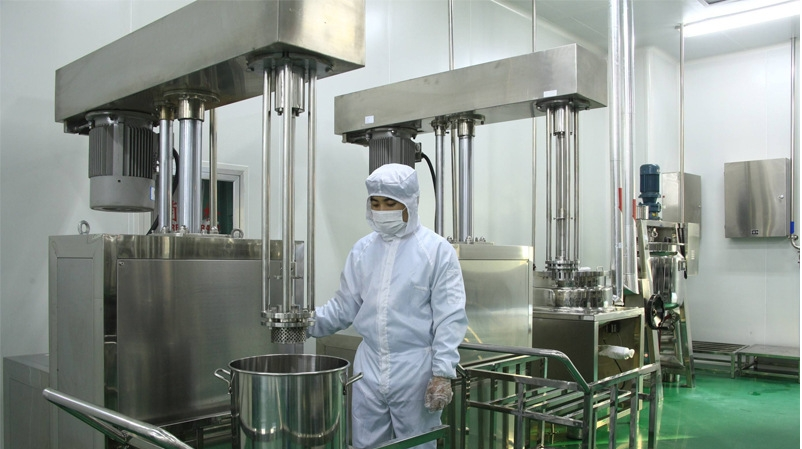
Practical tutorial: How to use chlorine dioxide liquid?
Below are the specific usage methods of chlorine dioxide liquid in food factories. During air disinfection, dilute the chlorine dioxide liquid at a ratio of 1:100 and pour it into a spray. During operation, no one should be left in the workshop, and the spray should be evenly distributed, especially in areas with strong odors that require special attention. After spraying, close the doors and windows tightly, let them fully function for 30-60 minutes, and then ventilate. This way, odors and bacteria in the workshop can be effectively removed.
The surface disinfection of objects is also diluted at a ratio of 1:100. Use diluent to wipe or spray equipment, walls, floors, etc. to ensure that the surface is moist. After disinfection, there is no need to wipe, just let the solution dry naturally. It is simple and efficient, and can provide a comprehensive cleaning SPA for food processing equipment and workshop environment.
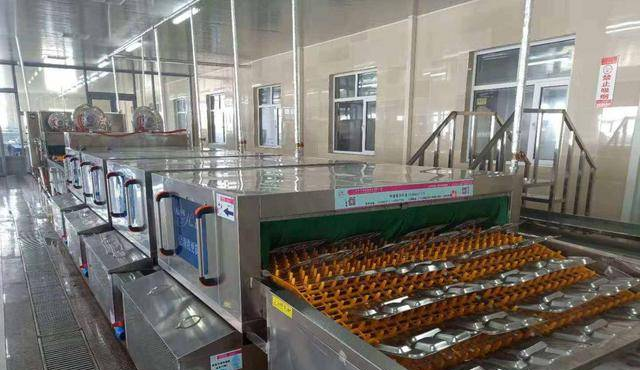
The dilution ratio for water disinfection should be adjusted according to the degree of water pollution, generally between 1:1000 and 1:5000. Adding diluent to cleaning water for cleaning equipment and tools can effectively kill microorganisms in water and ensure the safety of cleaning water. However, the water after use should be properly treated and not discharged at will to avoid environmental pollution.
Don't ignore these key points!
During the use of chlorine dioxide liquid, safety precautions must not be taken lightly. During operation, operators must wear protective gloves and masks to prevent direct skin contact and gas inhalation, and protect their own health. The used spray and container shall be cleaned in time to avoid the residual chlorine dioxide corroding the equipment.
2. In terms of storage, chlorine dioxide liquid should be stored in a cool, ventilated, and dry place, away from direct sunlight and high temperatures, and avoid flammable materials and reducing agents to prevent danger.
3. The frequency of use depends on the actual situation in the workshop. If there is a strong odor or severe microbial contamination, use once a day; If the situation isn't that bad, just once a week, adjust flexibly to ensure the best results are achieved.

So, when food factories use AB agents but do not have equipment, the odor problem is indeed troublesome, and using chlorine dioxide liquid is undoubtedly an ideal solution. It can efficiently deodorize and sterilize, ensuring the hygiene and safety of the food processing environment. I hope all food factories can try this method, say goodbye to the problem of odors, and create a fresh and safe production environment.
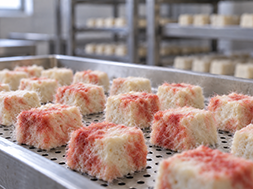
The reddish color of fermented tofu cannot be determined solely by its appearance; sampling and testing are necessary, and the abnormal product must be isolated. Relying solely on disinfectants is insufficient; equipment and the workshop environment must be thoroughly investigated. Air disinfection requires unmanned operation and material isolation. Disinfectants should be used according to specifications, and problems should be identified through a combination of production records and testing.

AB cleaning agents in food factories are prone to producing odor residues; Chlorine dioxide disinfectant can sterilize and deodorize without harmful residues. It can be diluted and used for disinfection of workshop equipment and water bodies, with matching ratios and safety operation requirements.
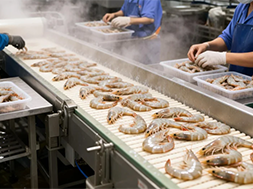
Chlorine dioxide disinfection in food production will produce harmful residues, and the water consumption of traditional large water washing is serious. Four measures can be taken to save water and reduce waste on the basis of ensuring food safety, so as to help enterprises achieve multiple benefits and win-win results.
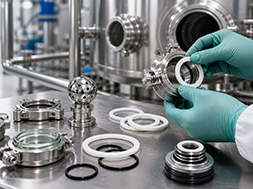
While switching from sodium hypochlorite to chlorine dioxide disinfection offers advantages such as sterilization, biofilm removal, and fewer disinfection byproducts, the strong oxidizing properties of chlorine dioxide necessitate careful consideration of production line material compatibility: 316L stainless steel should be prioritized for piping, and fluororubber or polytetrafluoroethylene (PTFE) should be used for seals, while also considering the suitability of accessories such as sight glasses and spray nozzles. The switch can be smoothly completed in three steps: establishing material records, conducting a 72-hour immersion test, and carrying out small-scale trial runs and inspections, thus preventing equipment corrosion and damage.
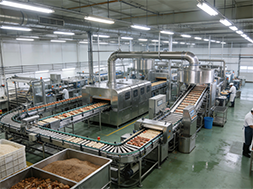
Traditional chlorine dioxide disinfection in food factories is time-consuming and reduces production capacity. Addressing pain points such as solution preparation, spraying, and ventilation monitoring, the process can be optimized in stages through equipment upgrades, zoned disinfection, scientific control of disinfection parameters, and accelerated ventilation monitoring. This phased process optimization, while ensuring safety and compliance, can shorten disinfection time by 30-50%, freeing up production capacity and improving hygiene management.
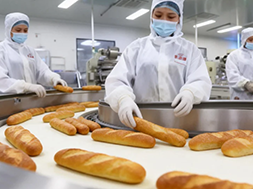
Powdered milk powder and starch dust in the powdered food workshop will absorb and consume chlorine dioxide dry fog, reducing the disinfection effect. It can solve the disinfection problems caused by dust and ensure food safety by reducing dust before disinfection, regulating the particle size of dry fog, pulse releasing agent, optimizing the air flow in the workshop, and matching other disinfection methods.
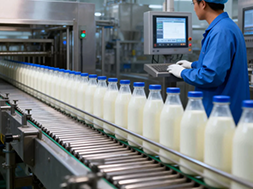
Chlorine dioxide is widely used for disinfection in water supply and food supply chains, but current issues exist regarding standards, procedures, and residue monitoring. It is necessary to standardize operating procedures, establish a comprehensive residue monitoring system, and improve risk warning and emergency response mechanisms to ensure disinfection safety from water treatment plant to table.

When using chlorine dioxide for disinfection of chocolate equipment, it is necessary to control the residue of the agent to avoid damaging the flavor and quality of the product. The preparation of the agent should be standardized, the disinfection and rinsing process optimized, and residue compliance verified through multiple methods. Since chocolate is a low-moisture food, a customized cleaning plan needs to be developed based on the specific equipment to balance safety and production stability.
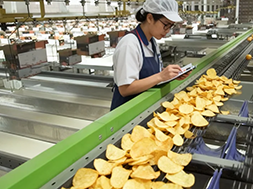
The strong oxidizing properties of chlorine dioxide can cause plastic conveyor belts in food factories to oxidize and age, with different materials exhibiting varying degrees of tolerance. To address this, a more refined approach can be taken, including controlling the concentration, shortening contact time, selecting oxidation-resistant materials, and employing differentiated disinfection methods and rotating disinfectants, thus balancing disinfection effectiveness with equipment protection.

When using chlorine dioxide for disinfection in food production, the disinfectant concentration is a critical control point in the HACCP system. Test strips are convenient to use but have a relatively large margin of error; portable testing instruments offer higher accuracy but require regular calibration and maintenance. Enterprises can adopt a three-tiered monitoring solution: primarily online sensors, supplemented by portable instrument inspection and calibration, and emergency verification using test strips. This enables continuous monitoring, data retention and traceability, ensuring both disinfection effectiveness and food safety.
Northeast of Huangshan Road and Chuangye Intersection, Small and Medium sized Enterprise Entrepreneurship Industrial Park, Shanwang Town, Linqu County, Weifang City, Shandong Province
Copyright © 2025 by Shandong Huashi Pharmaceutical Co., Ltd All Rights Reserved


 Language
 中文
中文 Русский
 Chlorine Dioxide Disinfectant Manufacturer


