Welcome to Our Factory for a Visit! Free customized disinfection solutions

During food production, the hygienic condition of the food workshop directly affects food safety and product quality. Mold, as a common microbial contaminant, once it takes hold in a food workshop, not only damages food quality but may also produce harmful toxins that threaten consumer health. Therefore, effectively removing mold from the food workshop is essential. Chlorine dioxide, with its efficient and broad-spectrum bactericidal properties, has become a powerful assistant in mold prevention and control in food workshops.
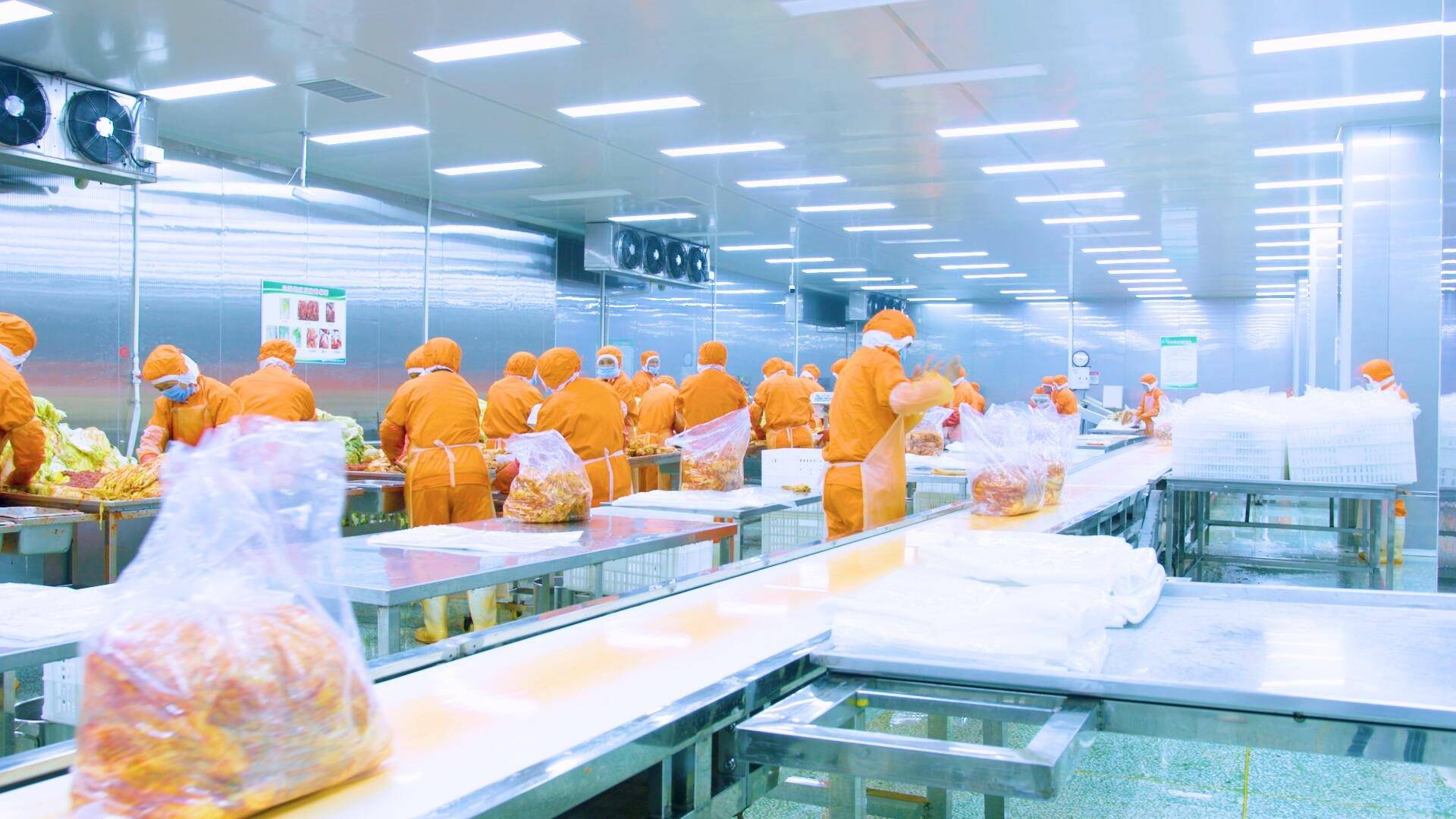
1. Air Disinfection: Making Mold “Nowhere to Hide”
1. Fumigation: Powerful Sterilization in Sealed Spaces
For sealed spaces such as cooling rooms, fumigation is an effective way to disinfect the air with chlorine dioxide. Calculate the chlorine dioxide dosage at 5–8 mg/m³ and prepare it into a fumigation solution of 1000–3000 mg/L. Pour the prepared solution into a wide-mouth plastic container and place it at the center of the operation room, in a position that does not affect production operations. To accelerate air circulation and allow the chlorine dioxide gas to distribute more evenly in the space, an electric fan may also be arranged as an aid. Then seal the workshop doors and windows, and carefully seal the gaps with tape to ensure no gas leakage. After 30–60 minutes of fumigation, microorganisms such as mold spores will be largely killed. After fumigation, ventilate for about 1 hour to expel the residual chlorine dioxide gas and ensure the air quality in the workshop.
2. Hanging Bags: The “Secret Weapon” of Long-Lasting Protection
In relatively sealed spaces such as cooling rooms and inner-packaging operation rooms, using chlorine dioxide hanging bags is a convenient and long-lasting air disinfection method. Generally, at a standard of 50 g/bag per 100 m³, distribute the chlorine dioxide hanging bags evenly in the operation room, with a hanging height of about 2 m. These bags continuously release chlorine dioxide gas, which over 15–30 days inhibits and kills mold spores in the air, creating a relatively sterile air environment for the workshop. It requires no frequent operation and does not affect normal production.
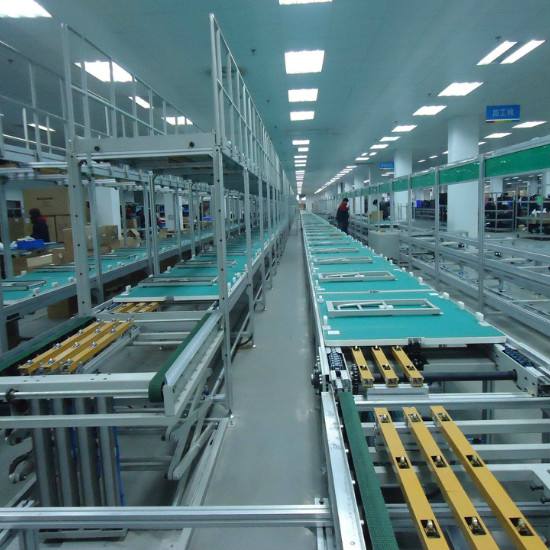
3. Spraying: The Little Helper of Daily Protection
After work every day, spraying is also an essential step for disinfecting the workshop air. Use a chlorine dioxide solution of 50–100 mg/L for atomized spraying. The fine mist can fully contact the mold spores suspended in the air and effectively kill them, creating good air conditions for the next day's production and ensuring food is protected from mold contamination during production.
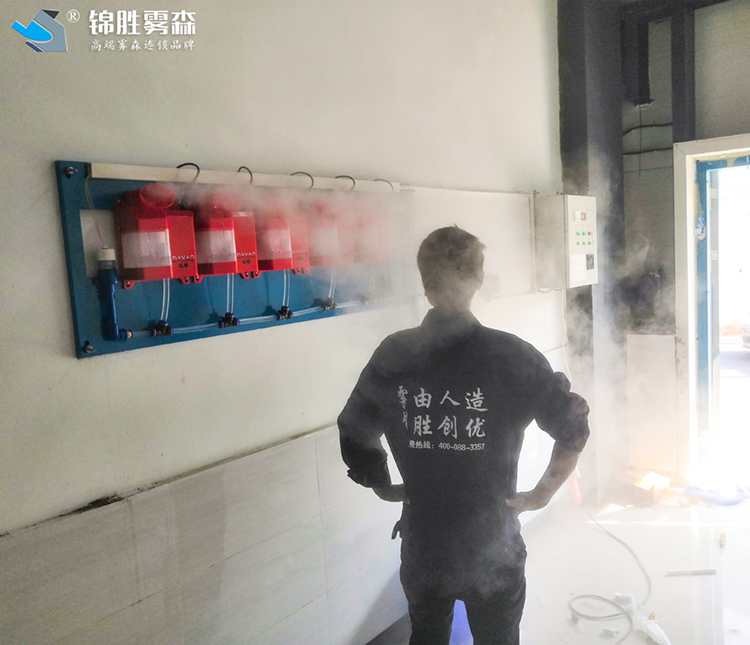
2. Object Surface Disinfection: All-Around Cleaning Without Dead Angles
1. Spraying: Rapid Large-Area Disinfection
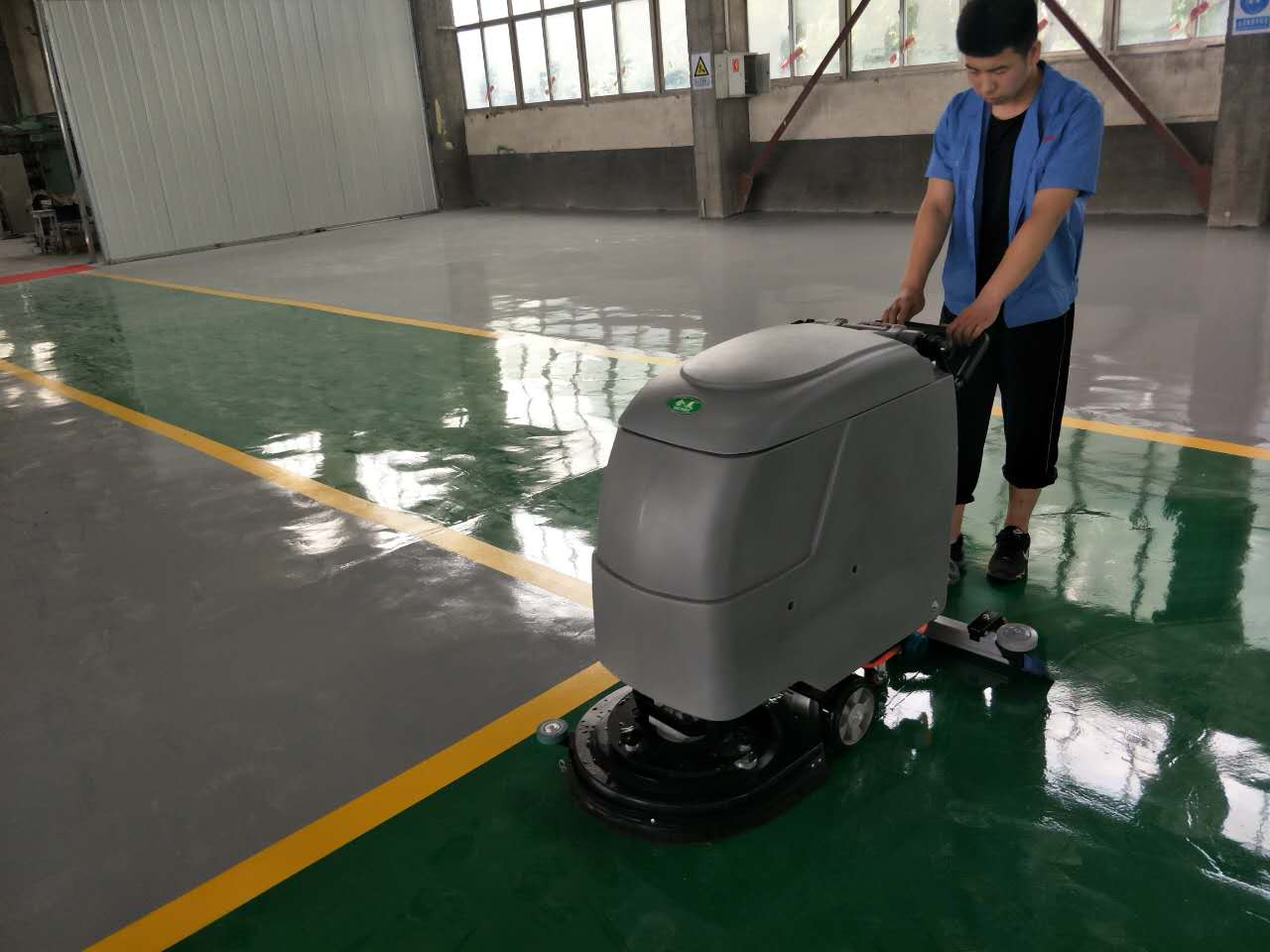
Object surfaces are where mold easily attaches and grows. Use a chlorine dioxide solution of 50–100 mg/L to spray and disinfect surfaces such as walls, floors, tools, and containers. Let the solution evenly cover the surface and act for 10–15 minutes to effectively kill the attached mold. For areas heavily contaminated by stubborn mold, the concentration can be raised to 100 mg/L to enhance the disinfection effect, ensuring these “hard-hit areas” are also thoroughly cleaned.
2. Wiping: Fine Operation for Cleanliness
For equipment surfaces, wiping allows for more careful disinfection. Soak a non-woven cloth in a 50–100 mg/L chlorine dioxide disinfectant and wipe the equipment surface in an “S-shaped” route. When repeating the operation, be sure to change to a clean surface to prevent an already-contaminated surface from re-contaminating the equipment, ensuring every part of the equipment surface is effectively disinfected and avoiding mold residue.
3. Soaking: Suitable for Both Large and Small Utensils
For small utensils, soaking in a 50 mg/L chlorine dioxide solution for 30 minutes allows the utensils to fully contact the disinfectant and thoroughly kill the mold. For large equipment that cannot be soaked as a whole, wipe the surface with a 100 mg/L solution, paying special attention to vulnerable parts such as joints and pipes, leaving no corner where mold may hide.
3. Other Aspects: The Details Reveal True Craftsmanship
1. Personnel Disinfection: An Important Line of the Health Defense
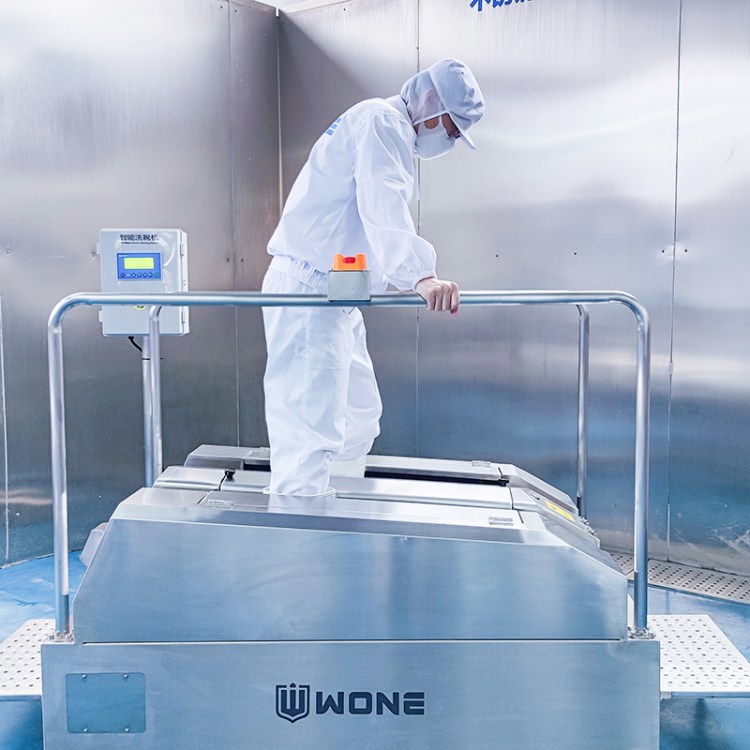
Personnel are also a potential carrier of mold transmission in food workshops. After washing hands, soak or rinse with a 300–500 mg/L chlorine dioxide solution for 5–10 seconds to effectively remove mold that may be carried on the hands. After cleaning, soak materials such as work clothes, gloves, and towels for 30–50 minutes to ensure that these items in close contact with personnel are clean and sterile, preventing personnel from bringing mold into the production process.
2. Packaging Material Disinfection: The Last Checkpoint for Food Safety
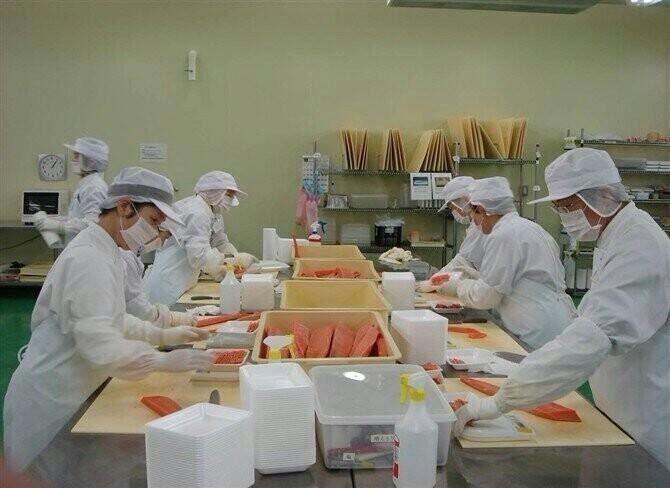
Non-metallic packaging materials come into direct contact with food, and their hygienic condition is crucial. A chlorine dioxide solution of 5–10 mg/L can be used to soak or atomize for 5–10 minutes to disinfect packaging materials, preventing mold carried by the packaging materials from contaminating food during packaging, and guarding the last checkpoint for food safety.
3. Production Water Disinfection: Controlling Quality from the Source
Production water is also one of the possible sources of mold. Add chlorine dioxide to the water at a ratio of 0.2–0.8 mg/L, prepare it fresh for each use, and use the prepared water within 2 hours. By disinfecting production water, mold is prevented from entering the food production process through water at the source, ensuring that every link of food production is safe and reliable.
4. Operating Precautions: The Key to Safety and Efficiency
There are also many operating precautions to keep in mind when using chlorine dioxide to remove mold from food workshops. Pre-treatment cleaning is the foundation: use hot water at 70–80 °C to dilute caustic soda or soda ash and clean the floor, walls, and equipment surfaces, focusing on flushing drains and drainage ditches where mold tends to grow, then thoroughly rinse off residual alkaline cleaner with running clean water, creating good conditions for the subsequent disinfection work.
When preparing the disinfectant, dissolve the 10% chlorine dioxide into water in proportion, be sure to use a plastic container, and stir thoroughly. Operators must take proper safety protection, wearing a protective face shield, mask, and gloves to avoid direct contact with the high-concentration mother liquor. During disinfection, remove easily corroded metal parts such as copper and aluminum from the workshop; equipment that cannot be removed should be protected by wrapping it in PE film.
At the same time, the diluted disinfectant should be prepared fresh and used within 2 hours. If it exceeds the time, fresh concentrated solution needs to be replenished to maintain the effective concentration. In addition, no personnel are allowed to remain in the sealed fumigation room. After fumigation, personnel may enter only after the residual concentration is tested to be below 0.1 ppm, ensuring personnel safety.
Chlorine dioxide has a scientific, comprehensive, and effective set of methods and procedures for removing mold in food workshops. As long as these methods and precautions are strictly followed, mold contamination in the food workshop can be effectively controlled, ensuring food safety and product quality, and providing consumers with safe food.
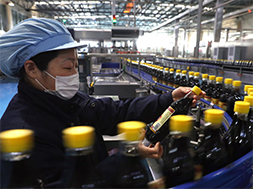
Biofilms easily grow in the pipes and tanks used in soy sauce and vinegar production. These biofilms continuously contaminate materials, leading to quality problems such as product spoilage and tank swelling. The microorganisms within the biofilm have strong resistance to disinfection. Chlorine dioxide, with its strong penetrating power, ability to target and destroy biofilm components, kill various microorganisms, and low likelihood of developing resistance, can be used for disinfection of pipes, fermenters, storage tanks, and workshop environments. It removes and inhibits biofilms, ensuring the quality of condiments produced.
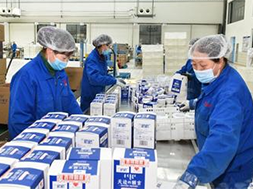
Using chlorine dioxide for disinfection in yogurt workshops can easily produce an unpleasant odor from the disinfectant solution, which can be absorbed by the yogurt and lead to customer complaints. Disinfection should be scheduled after shifts, with thorough ventilation before production resumes. Proper sealing and protection of materials should be ensured, and ozone and activated carbon should be used in conjunction to remove environmental odors. Odor detection in the workshop should be incorporated into management procedures to prevent impact on product flavor.
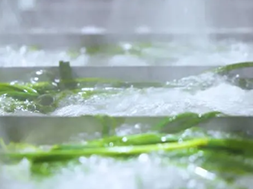
Chlorine dioxide is classified as an A1-level safe disinfectant, permitted for use in fruit and vegetable cleaning according to national standards. It is easily decomposed, and when used compliantly, it leaves low residue after rinsing, making it safe for human health. High-concentration, prolonged soaking can damage the color and flavor of fruits and vegetables; this can be avoided by controlling usage conditions. It also inhibits bacteria and ethylene production, extending shelf life. Use must follow standards, controlling concentration and time, and thorough rinsing after treatment is essential. It can also be combined with other preservation technologies.
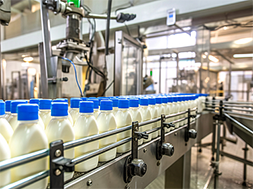
During CIP cleaning of dairy production pipelines, protein and fat residues consume chlorine dioxide, making it difficult to kill heat-resistant spore-forming bacteria and causing contamination. It is essential to adhere to the principle of cleaning before disinfection, removing organic matter through alkaline and enzymatic washing, optimizing disinfection parameters and monitoring concentrations online, controlling biofilm growth, and avoiding simply increasing the amount of disinfectant used.
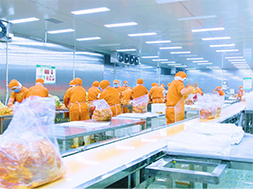
Mold is easy to pollute the food workshop and produce toxins. Chlorine dioxide can kill mold from the air, object surface, personnel and material water. This paper introduces the use methods, concentration parameters and safe operation points of various scenarios. Standardized use can prevent and control mold in the workshop and ensure food safety.
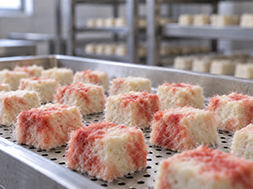
The reddish color of fermented tofu cannot be determined solely by its appearance; sampling and testing are necessary, and the abnormal product must be isolated. Relying solely on disinfectants is insufficient; equipment and the workshop environment must be thoroughly investigated. Air disinfection requires unmanned operation and material isolation. Disinfectants should be used according to specifications, and problems should be identified through a combination of production records and testing.
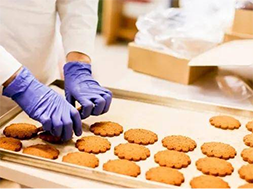
AB cleaning agents in food factories are prone to producing odor residues; Chlorine dioxide disinfectant can sterilize and deodorize without harmful residues. It can be diluted and used for disinfection of workshop equipment and water bodies, with matching ratios and safety operation requirements.
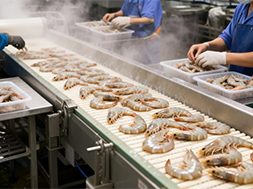
Chlorine dioxide disinfection in food production will produce harmful residues, and the water consumption of traditional large water washing is serious. Four measures can be taken to save water and reduce waste on the basis of ensuring food safety, so as to help enterprises achieve multiple benefits and win-win results.
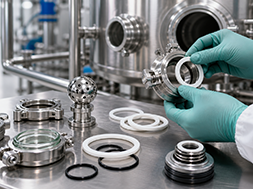
While switching from sodium hypochlorite to chlorine dioxide disinfection offers advantages such as sterilization, biofilm removal, and fewer disinfection byproducts, the strong oxidizing properties of chlorine dioxide necessitate careful consideration of production line material compatibility: 316L stainless steel should be prioritized for piping, and fluororubber or polytetrafluoroethylene (PTFE) should be used for seals, while also considering the suitability of accessories such as sight glasses and spray nozzles. The switch can be smoothly completed in three steps: establishing material records, conducting a 72-hour immersion test, and carrying out small-scale trial runs and inspections, thus preventing equipment corrosion and damage.
Northeast of Huangshan Road and Chuangye Intersection, Small and Medium sized Enterprise Entrepreneurship Industrial Park, Shanwang Town, Linqu County, Weifang City, Shandong Province
Copyright © 2025 by Shandong Huashi Pharmaceutical Co., Ltd All Rights Reserved


 Language
 中文
 Русский
 Chlorine Dioxide Disinfectant Manufacturer