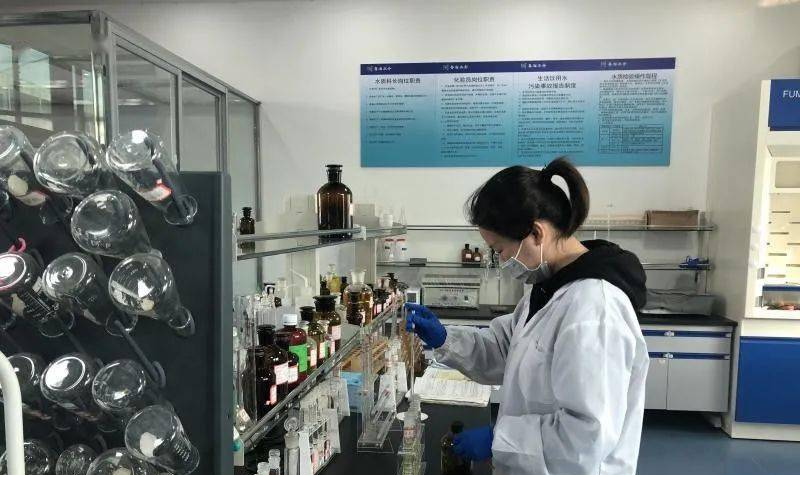
Welcome to Our Factory for a Visit! Free customized disinfection solutions

In yogurt and milk production, cleaning-in-place (CIP) systems often face a practical challenge: protein, fat and other milk residues can consume oxidizing disinfectants such as chlorine dioxide, causing the available disinfectant concentration to fall before the entire circuit has received an adequate sanitizing exposure. If the cleaning step is incomplete, residual soil, biofilm and protected microbial niches can reduce the effectiveness of the subsequent sanitizing step and increase the risk of product contamination.
The solution is not simply to increase the chlorine dioxide dose. A more reliable approach is to separate cleaning from sanitizing: first remove product soil as completely as possible, then apply a validated sanitizer under controlled concentration, contact time, temperature and flow conditions.
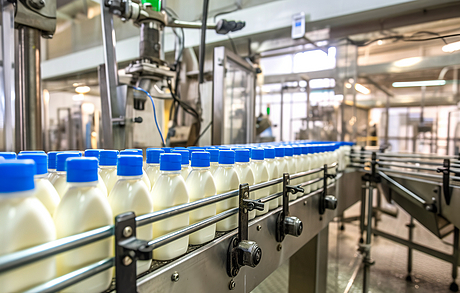
Root Cause: Why Can Chlorine Dioxide Appear to “Lose Effectiveness”?
Chlorine dioxide (ClO2) is a strong oxidizing disinfectant and, under validated conditions, can contribute to the inactivation of many vegetative bacteria and some bacterial spores. However, spore-forming organisms are generally more resistant than vegetative cells, and the required sporicidal conditions depend strongly on the organism, sanitizer concentration, contact time, temperature, surface condition and organic load. Therefore, chlorine dioxide should not be described as universally effective against heat-resistant spores at one fixed low concentration.
The core issue is oxidant demand. Chlorine dioxide reacts with proteins, amino acids, reducing compounds and other components of residual milk soil. When the circuit is not adequately cleaned, these reactions consume disinfectant before it reaches every surface at the required concentration. Fat itself is not always the dominant direct chlorine dioxide demand, but fat-rich deposits can trap proteins and microorganisms and make soil more difficult to remove. This is why the sanitation step must be performed on a demonstrably clean system rather than used as a substitute for cleaning.
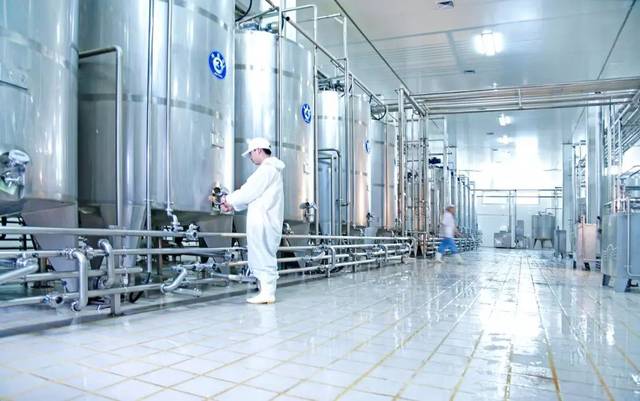
System Solution: “Clean First, Sanitize Second” Is the Key Principle
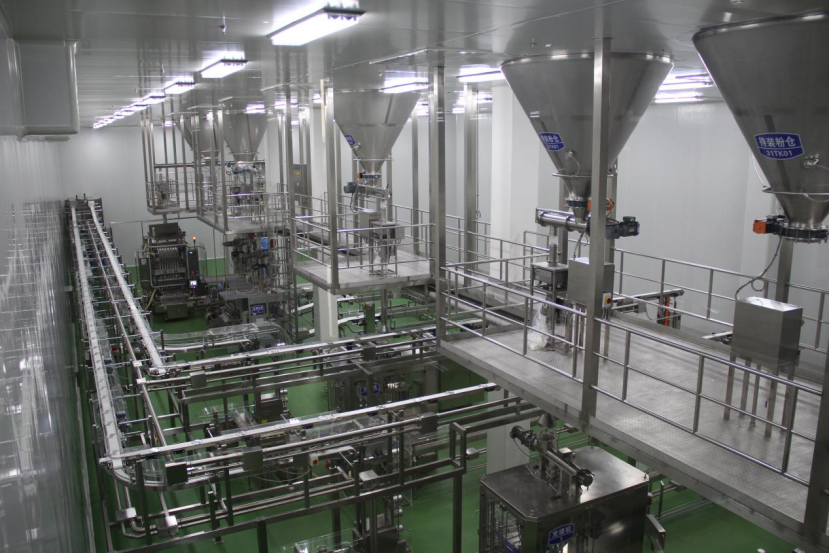
The most robust strategy is to remove product residues and mineral deposits through a validated CIP program before applying chlorine dioxide or another approved sanitizer. The six measures below should be treated as process-control principles rather than universal fixed recipes; the final parameters must be validated for the actual equipment, product soil, materials and microbiological target.
1. Strengthen Pre-Rinsing to Reduce the Initial Soil Load
Before sanitizing, as much free product and loose soil as possible should be removed from the circuit so that the detergent and sanitizer are not unnecessarily consumed by recoverable product residues.
Pre-rinsing should begin promptly after production and use water at a temperature appropriate for the product soil and equipment. Excessively hot pre-rinse water can promote protein denaturation and make deposits harder to remove, so a universal requirement such as “at least 75°C” should not be used. The objective is to displace residual milk efficiently without setting protein onto the surface.
An alkaline cleaning stage using sodium hydroxide or a formulated alkaline detergent is commonly used to remove dairy proteins and fats. The concentration, temperature and circulation time should follow the detergent supplier’s instructions and the validated CIP program rather than relying only on a target pH.
Enzyme-containing cleaners may be useful for specific difficult protein or fat soils, but they are not automatically required in every cycle. Their suitability depends on soil type, temperature, compatibility with the CIP chemistry and the validated cleaning procedure.
The better the cleaning step controls residual organic soil, the lower the oxidant demand during the subsequent chlorine dioxide sanitizing step and the more reproducible the microbial result can be.
2. Optimize the Alkaline Cleaning Step: The Main Stage for Removing Organic Soil
Alkaline cleaning is often one of the most important stages in dairy CIP, but no single set of values is suitable for every circuit. Typical dairy guidance shows that caustic concentration, temperature, circulation time and flow velocity must be considered together and adjusted according to the equipment and severity of fouling.
For example, alkaline detergent concentrations in dairy CIP commonly fall within roughly 0.5%-2.5%, depending on the formulation and application. The exact concentration should be verified by conductivity or another appropriate control method and should remain within the equipment and chemical supplier’s limits.
For many dairy circuits, alkaline cleaning is performed at elevated temperature, often around the range of 70-80°C, but heated surfaces, cold-product circuits, seals, membranes and specialty equipment may require different limits. The validated equipment program takes priority over a universal 75-85°C rule.
Circulation time should be long enough to dissolve and remove the actual soil. Depending on circuit design and deposit severity, validated dairy programs may use different cleaning times; therefore, 15-20 minutes should be treated only as a possible reference, not as a mandatory value.
Mechanical action is provided by turbulent flow. A flow velocity around or above 1.5 m/s is commonly used as a dairy CIP design reference for many pipelines, but the correct target depends on pipe diameter, circuit hydraulics and equipment restrictions. The objective is to achieve effective wall shear without exceeding equipment limits.
A complete alkaline cleaning step substantially reduces protein and fat residues that would otherwise consume sanitizer, but cleaning effectiveness should be confirmed rather than assumed from the programmed parameters alone.
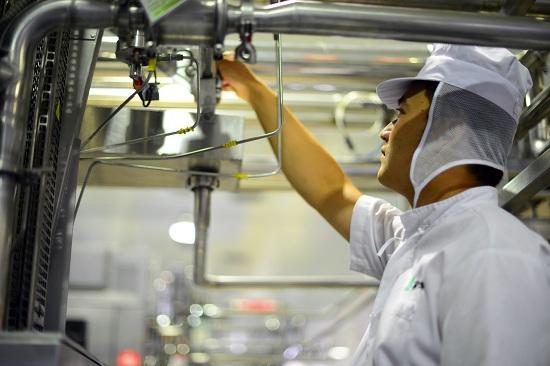
3. Arrange the Cleaning Sequence Correctly Before the Final Sanitizing Step
The cleaning sequence should separate soil removal, mineral-scale removal and final sanitation so that each chemical performs its intended function without unnecessary chemical consumption or incompatibility.
A more typical logic is: product recovery or pre-rinse → alkaline cleaning → intermediate rinse → acid cleaning when mineral scale or the equipment program requires it → final rinse → validated sanitizing step. Chlorine dioxide generally should not be inserted before an acid cleaning step only to be followed by another sanitizer cycle, unless a specific validated procedure requires it. The circuit should be adequately rinsed between incompatible chemicals, and sanitizer use must follow the product instructions and site safety procedure.
4. Validate Chlorine Dioxide Concentration, Contact Time and Temperature
Once the circuit has been demonstrated to be clean, chlorine dioxide can be used as a sanitizing option where it is approved and compatible with the equipment. The required concentration and contact time should be established from the actual microbial target, product instructions, circuit design and validation results.
A fixed circulation concentration of 0.5-1.0 mg/L, or a 1-3 mg/L “shock” dose, should not be presented as universally sporicidal. Bacterial spores can require substantially more demanding conditions than vegetative cells, and the effective regime must be demonstrated by the facility’s validation study rather than inferred from a generic concentration.
Likewise, a universal minimum contact time of 10 minutes or 20-30 minutes for severe contamination is not appropriate. Contact time should be defined together with sanitizer concentration, temperature, return concentration and the target log reduction required by the hygienic program.
Heating chlorine dioxide solution to 40-50°C simply to “accelerate penetration” is not recommended as a universal strategy. Chlorine dioxide is volatile and its decay and off-gassing can increase with temperature. The sanitizer temperature should therefore remain within the product instructions, equipment material limits and the validated sanitation procedure, with adequate ventilation and exposure controls where relevant.
5. Monitor the Process: Move from “Assumption” to Verified Control
Process monitoring is essential, but a single online concentration number does not by itself prove that the circuit is microbiologically safe. The goal is to demonstrate that the validated CIP and sanitizing conditions have actually been achieved throughout the circuit.
Where an online chlorine dioxide analyzer is suitable for the concentration range and water matrix, it may be used to trend supply and return concentrations. The instrument must be calibrated and maintained, and any automatic make-up set point should come from validation rather than a generic value such as 0.3 mg/L. Concentration should be evaluated together with flow, contact time, temperature and circuit return conditions, and the process should be verified periodically by appropriate microbiological or hygiene monitoring.
6. Control Biofilm and Persistent Contamination at the Source
If heat-resistant spore-formers or repeated microbial positives are detected, the response should investigate whether the problem is residual soil, biofilm, equipment design, damaged surfaces, dead legs, poor drainage or post-CIP recontamination rather than automatically increasing sanitizer frequency.
Enhanced cleaning may combine alkaline chemistry, an appropriate enzyme cleaner, acid cleaning where scale is involved and a validated sanitizer, but a fixed weekly “enzyme + alkali + chlorine dioxide” cycle is not universal. Frequency should be based on production schedule, hygienic risk, environmental and product microbiology, soil buildup and validation results.
After CIP, the system should drain completely and avoid stagnant residual water. Hygienic filtered air may be used for drying or positive-pressure protection only in systems specifically designed for that purpose. Circulating water above 85°C is a thermal sanitation method, not a generic way to “pressurize and drain” every pipeline, and the choice between thermal and chemical sanitation should follow the equipment design and validated process.
Practical Points: Make the Program Verifiable and Repeatable
Equipment integrity should be inspected routinely. Rough welds, damaged seals, poorly designed valves, dead legs, worn gaskets and surfaces that cannot drain can all create niches that are difficult to clean and may support recurrent contamination.
Water used for preparing cleaning and sanitizing solutions should meet the required hygienic and chemical quality. Softened water may be useful where hardness causes scale, but it is not automatically required for every sanitizer. Water quality must also be compatible with the detergent, sanitizer and equipment materials.
Key CIP parameters such as flow, temperature, time and detergent concentration or conductivity should be recorded. For the sanitizing stage, the relevant chlorine dioxide concentration and contact conditions should also be documented. Verification may include visual inspection, ATP or residue testing where appropriate, microbiological rinse samples, targeted swabs at accessible hygienic points and spore-focused testing when the hazard assessment justifies it. No single swab result should be treated as complete validation of an entire closed pipeline.
Operator training should explain why each step is required, how to recognize an abnormal cycle, how to verify chemical concentration and rinse completion, and how to respond to alarms or deviations rather than simply following the sequence mechanically.
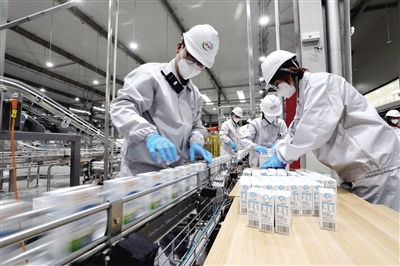
For dairy CIP systems in which residual soil consumes chlorine dioxide, the key is system control rather than simply increasing the sanitizer dose. Rapid product recovery and appropriate pre-rinsing reduce soil load; validated alkaline and, when needed, acid cleaning remove organic and mineral deposits; the sanitizing step then uses a verified concentration, contact time and temperature. Monitoring, hygienic equipment design, complete drainage and microbiological verification together provide a more reliable way to control heat-resistant spore-formers and recurrent contamination.
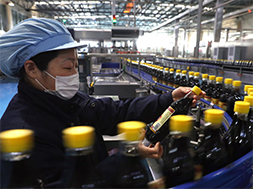
Biofilms easily grow in the pipes and tanks used in soy sauce and vinegar production. These biofilms continuously contaminate materials, leading to quality problems such as product spoilage and tank swelling. The microorganisms within the biofilm have strong resistance to disinfection. Chlorine dioxide, with its strong penetrating power, ability to target and destroy biofilm components, kill various microorganisms, and low likelihood of developing resistance, can be used for disinfection of pipes, fermenters, storage tanks, and workshop environments. It removes and inhibits biofilms, ensuring the quality of condiments produced.
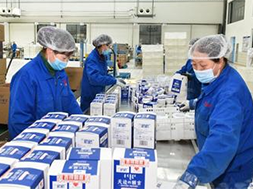
Using chlorine dioxide for disinfection in yogurt workshops can easily produce an unpleasant odor from the disinfectant solution, which can be absorbed by the yogurt and lead to customer complaints. Disinfection should be scheduled after shifts, with thorough ventilation before production resumes. Proper sealing and protection of materials should be ensured, and ozone and activated carbon should be used in conjunction to remove environmental odors. Odor detection in the workshop should be incorporated into management procedures to prevent impact on product flavor.
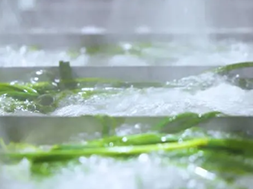
Chlorine dioxide is classified as an A1-level safe disinfectant, permitted for use in fruit and vegetable cleaning according to national standards. It is easily decomposed, and when used compliantly, it leaves low residue after rinsing, making it safe for human health. High-concentration, prolonged soaking can damage the color and flavor of fruits and vegetables; this can be avoided by controlling usage conditions. It also inhibits bacteria and ethylene production, extending shelf life. Use must follow standards, controlling concentration and time, and thorough rinsing after treatment is essential. It can also be combined with other preservation technologies.
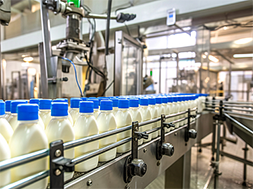
During CIP cleaning of dairy production pipelines, protein and fat residues consume chlorine dioxide, making it difficult to kill heat-resistant spore-forming bacteria and causing contamination. It is essential to adhere to the principle of cleaning before disinfection, removing organic matter through alkaline and enzymatic washing, optimizing disinfection parameters and monitoring concentrations online, controlling biofilm growth, and avoiding simply increasing the amount of disinfectant used.
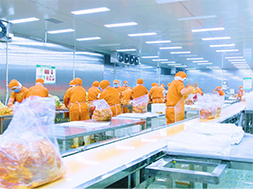
Mold is easy to pollute the food workshop and produce toxins. Chlorine dioxide can kill mold from the air, object surface, personnel and material water. This paper introduces the use methods, concentration parameters and safe operation points of various scenarios. Standardized use can prevent and control mold in the workshop and ensure food safety.
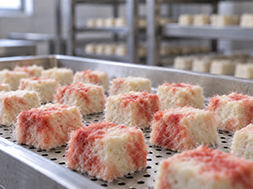
The reddish color of fermented tofu cannot be determined solely by its appearance; sampling and testing are necessary, and the abnormal product must be isolated. Relying solely on disinfectants is insufficient; equipment and the workshop environment must be thoroughly investigated. Air disinfection requires unmanned operation and material isolation. Disinfectants should be used according to specifications, and problems should be identified through a combination of production records and testing.

AB cleaning agents in food factories are prone to producing odor residues; Chlorine dioxide disinfectant can sterilize and deodorize without harmful residues. It can be diluted and used for disinfection of workshop equipment and water bodies, with matching ratios and safety operation requirements.
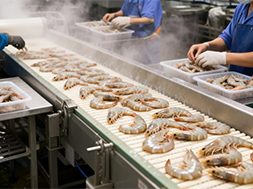
Chlorine dioxide disinfection in food production will produce harmful residues, and the water consumption of traditional large water washing is serious. Four measures can be taken to save water and reduce waste on the basis of ensuring food safety, so as to help enterprises achieve multiple benefits and win-win results.
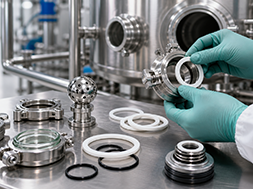
While switching from sodium hypochlorite to chlorine dioxide disinfection offers advantages such as sterilization, biofilm removal, and fewer disinfection byproducts, the strong oxidizing properties of chlorine dioxide necessitate careful consideration of production line material compatibility: 316L stainless steel should be prioritized for piping, and fluororubber or polytetrafluoroethylene (PTFE) should be used for seals, while also considering the suitability of accessories such as sight glasses and spray nozzles. The switch can be smoothly completed in three steps: establishing material records, conducting a 72-hour immersion test, and carrying out small-scale trial runs and inspections, thus preventing equipment corrosion and damage.
Northeast of Huangshan Road and Chuangye Intersection, Small and Medium sized Enterprise Entrepreneurship Industrial Park, Shanwang Town, Linqu County, Weifang City, Shandong Province
Copyright © 2025 by Shandong Huashi Pharmaceutical Co., Ltd All Rights Reserved


 Language
 中文
 Русский
 Chlorine Dioxide Disinfectant Manufacturer