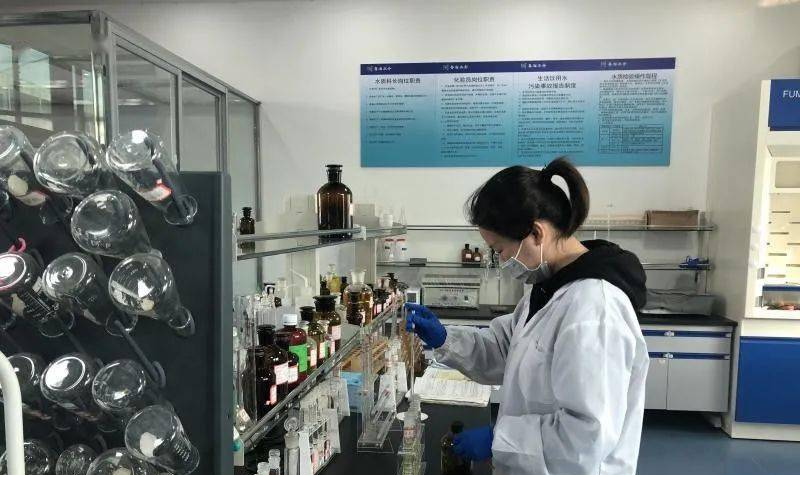
Welcome to Our Factory for a Visit! Free customized disinfection solutions
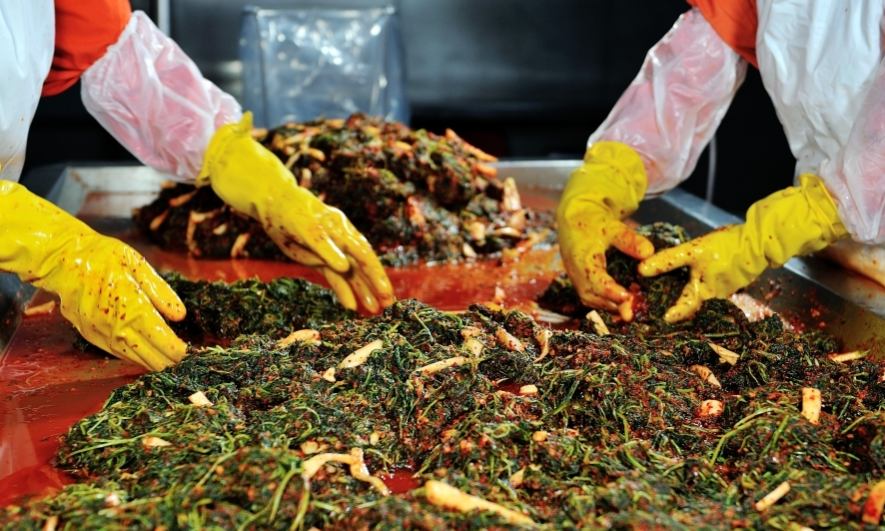
Pickled and preserved vegetable production generates saline wastewater, often with high chemical oxygen demand (COD) and microbial loads. These characteristics complicate treatment. How does salinity affect chlorine dioxide disinfection, and what happens to by-product formation? This article examines the mechanisms, by-product risks and practical applications.
Effects of High Salinity on Chlorine Dioxide Disinfection
High salinity does not necessarily render chlorine dioxide ineffective, nor does it universally enhance disinfection. Performance depends on salinity, microbial species, water composition and treatment conditions and should be verified using representative wastewater samples.
Osmotic pressure is one factor affecting disinfection. High salinity may cause water loss and osmotic stress in some microorganisms, altering their susceptibility to oxidants. Salt-tolerant organisms can adapt through osmotic regulation, however, so synergy with chlorine dioxide cannot be assumed.
Chloride is not required for the oxidative action of chlorine dioxide. Unlike free chlorine, chlorine dioxide does not rely on the equilibrium between hypochlorous acid and hypochlorite. Nevertheless, pH, temperature, organic matter and reducing substances can affect reaction rates and disinfection. Effective concentration and contact time should be established experimentally.
Microbial susceptibility varies. Chlorine dioxide can oxidize essential microbial proteins and other components, but salt-tolerant organisms, biofilms and other protective mechanisms may affect inactivation. Microbiological testing should verify performance rather than assuming that tolerance cannot occur.
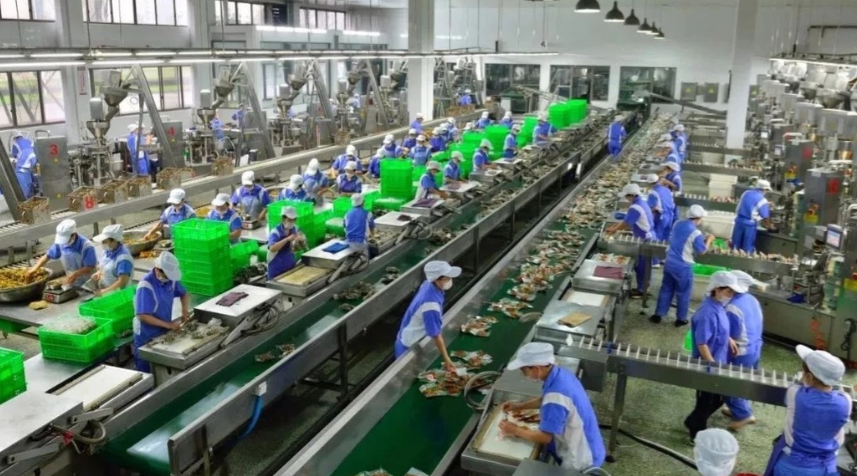
Chlorine Dioxide By-products in High-Salinity Wastewater
By-product formation in saline wastewater depends on both water composition and the generation process and requires careful assessment.
The principal inorganic by-products of concern are chlorite (ClO₂⁻) and chlorate (ClO₃⁻). Other potential by-products should also be assessed according to the wastewater composition.
Chlorite formation: When chlorine dioxide oxidizes certain organic compounds and reducing constituents, one-electron reduction can produce chlorite, which may undergo further transformation. Chloride concentration alone cannot predict chlorite formation; organic matter characteristics, oxidant demand and reaction conditions are more informative. Optimize dosing while meeting disinfection targets and monitor actual residuals.
Chlorate formation: Chlorate may originate from residual feed chemicals or impurities in the generation process, or form during subsequent transformations of chlorine dioxide and chlorite.
Light exposure and alkaline conditions can alter chlorine dioxide stability and transformation pathways. Alkaline disproportionation can produce both chlorite and chlorate. Actual yields depend on the reaction conditions.
If free chlorine or hypochlorite is also present, chlorite may be further oxidized to chlorate; hypochlorite products may themselves contain chlorate. Under ordinary wastewater disinfection conditions, high chloride concentration alone does not establish increased chlorate formation. Where bromide, iodide or other halogenated by-product precursors are present, assess the associated risks in light of the oxidants and water composition.
Practical Strategies for Chlorine Dioxide Use
Chlorine dioxide is a candidate for final disinfection of saline wastewater from pickled vegetable production, subject to suitability testing. Disinfection does not directly reduce salinity or replace organic pollutant removal and any necessary desalination.
By-product control should address both chlorite and chlorate and assess other potential by-products according to effluent use and water composition.
Accurate dosing requires representative sample testing to establish an effective dose and contact time that meet microbial control targets, accounting for water quality fluctuations and avoiding indiscriminate dose increases.
Process optimization involves selecting chlorine dioxide products or generation equipment with controlled quality, checking feedstock quality, product composition and by-product content, and avoiding unvalidated combinations of oxidants.
Process control should follow product instructions and equipment safety requirements, avoid intense light, high temperatures and unsuitable pH conditions, maintain ventilation and protective measures, and avoid unauthorized storage of concentrated chlorine dioxide.
Monitoring should cover microbial indicators, chlorine dioxide residual, chlorite and chlorate. High-salinity matrices may interfere with analysis, so validated methods and appropriate quality controls are needed. Effluent must meet applicable discharge or reuse requirements and permit conditions; drinking-water limits should not be applied indiscriminately.
Overall, chlorine dioxide has potential for disinfecting saline wastewater from pickled vegetable production, but salinity is not the sole determinant of disinfection performance or by-product risk. Water quality assessment, appropriate primary treatment processes, validated disinfection and ongoing monitoring can support stable operation and effluent quality management.
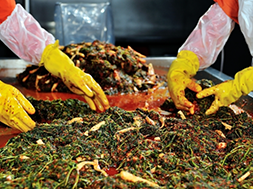
High-salt wastewater from pickled vegetables and sauces can be disinfected with chlorine dioxide. High salt content does not weaken the disinfection effect and can even synergistically kill bacteria. However, the risks of chlorite and chlorate byproducts should be noted. Precise dosing, high-purity processes, avoiding strong light and strong alkalis, and proper monitoring of effluent are necessary. Chlorine dioxide is suitable for disinfecting this type of high-salt wastewater.
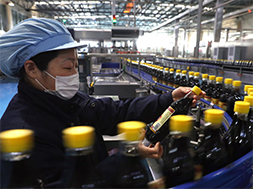
Biofilms easily grow in the pipes and tanks used in soy sauce and vinegar production. These biofilms continuously contaminate materials, leading to quality problems such as product spoilage and tank swelling. The microorganisms within the biofilm have strong resistance to disinfection. Chlorine dioxide, with its strong penetrating power, ability to target and destroy biofilm components, kill various microorganisms, and low likelihood of developing resistance, can be used for disinfection of pipes, fermenters, storage tanks, and workshop environments. It removes and inhibits biofilms, ensuring the quality of condiments produced.
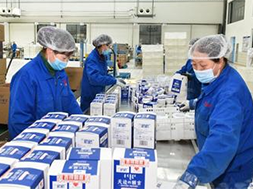
Using chlorine dioxide for disinfection in yogurt workshops can easily produce an unpleasant odor from the disinfectant solution, which can be absorbed by the yogurt and lead to customer complaints. Disinfection should be scheduled after shifts, with thorough ventilation before production resumes. Proper sealing and protection of materials should be ensured, and ozone and activated carbon should be used in conjunction to remove environmental odors. Odor detection in the workshop should be incorporated into management procedures to prevent impact on product flavor.
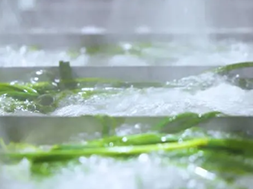
Chlorine dioxide is classified as an A1-level safe disinfectant, permitted for use in fruit and vegetable cleaning according to national standards. It is easily decomposed, and when used compliantly, it leaves low residue after rinsing, making it safe for human health. High-concentration, prolonged soaking can damage the color and flavor of fruits and vegetables; this can be avoided by controlling usage conditions. It also inhibits bacteria and ethylene production, extending shelf life. Use must follow standards, controlling concentration and time, and thorough rinsing after treatment is essential. It can also be combined with other preservation technologies.
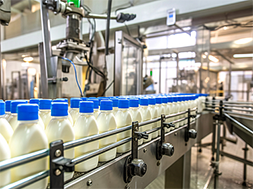
During CIP cleaning of dairy production pipelines, protein and fat residues consume chlorine dioxide, making it difficult to kill heat-resistant spore-forming bacteria and causing contamination. It is essential to adhere to the principle of cleaning before disinfection, removing organic matter through alkaline and enzymatic washing, optimizing disinfection parameters and monitoring concentrations online, controlling biofilm growth, and avoiding simply increasing the amount of disinfectant used.
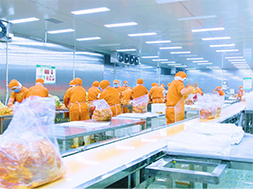
Mold is easy to pollute the food workshop and produce toxins. Chlorine dioxide can kill mold from the air, object surface, personnel and material water. This paper introduces the use methods, concentration parameters and safe operation points of various scenarios. Standardized use can prevent and control mold in the workshop and ensure food safety.
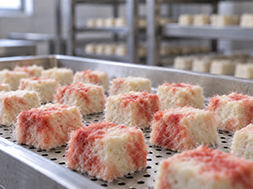
The reddish color of fermented tofu cannot be determined solely by its appearance; sampling and testing are necessary, and the abnormal product must be isolated. Relying solely on disinfectants is insufficient; equipment and the workshop environment must be thoroughly investigated. Air disinfection requires unmanned operation and material isolation. Disinfectants should be used according to specifications, and problems should be identified through a combination of production records and testing.

AB cleaning agents in food factories are prone to producing odor residues; Chlorine dioxide disinfectant can sterilize and deodorize without harmful residues. It can be diluted and used for disinfection of workshop equipment and water bodies, with matching ratios and safety operation requirements.
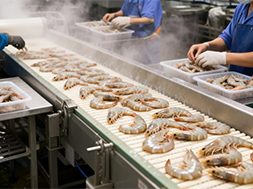
Chlorine dioxide disinfection in food production will produce harmful residues, and the water consumption of traditional large water washing is serious. Four measures can be taken to save water and reduce waste on the basis of ensuring food safety, so as to help enterprises achieve multiple benefits and win-win results.
Northeast of Huangshan Road and Chuangye Intersection, Small and Medium sized Enterprise Entrepreneurship Industrial Park, Shanwang Town, Linqu County, Weifang City, Shandong Province
Copyright © 2025 by Shandong Huashi Pharmaceutical Co., Ltd All Rights Reserved


 Language
 中文
 Русский
 Chlorine Dioxide Disinfectant Manufacturer