Welcome to Our Factory for a Visit! Free customized disinfection solutions

This article provides general technical information only. It does not replace the instructions for a specific product, health and safety assessment documentation, the Safety Data Sheet (SDS), or a food manufacturer’s validated cleaning and disinfection SOP. Space disinfection must be performed by trained personnel in unoccupied areas with no exposed food.
In food manufacturing, hygiene and safety are central to operational management. Workshop disinfection is an important component of the food-safety control system and must be based on thorough cleaning, risk assessment, and standardized procedures. Chlorine dioxide can be used to disinfect the air and surfaces in certain food-processing environments. The XIUBA team outlines its appropriate applications, operating principles, and key safety precautions below.
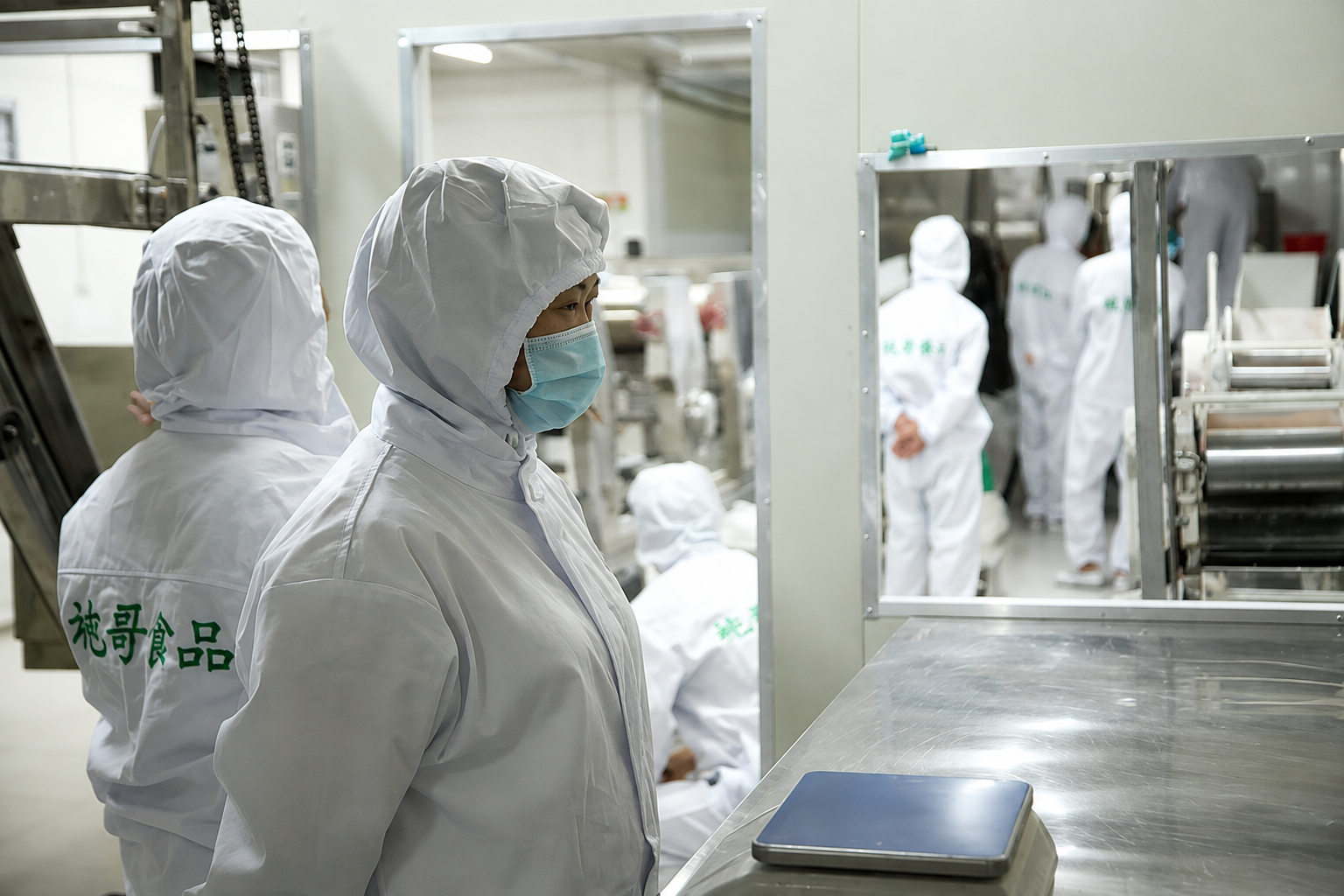
1. Chlorine Dioxide: Where It Fits in Food-Processing Area Disinfection
Chlorine dioxide (ClO₂) is an oxidizing disinfectant that may be used in certain food-processing environments to disinfect air, equipment surfaces, and packaging materials. Compared with conventional chlorine-based disinfectants, it generally forms fewer chlorinated organic by-products such as trihalomethanes. However, chlorite and chlorate may still be formed, so dosage and residues must be controlled in accordance with the instructions for the specific product.
Broad-Spectrum Antimicrobial Activity—Performance Depends on Conditions
Chlorine dioxide can kill or inactivate a range of bacteria, fungi, and some viruses. Effective action against bacterial spores generally requires more stringent concentration, contact-time, and environmental conditions. Performance is affected by use concentration, exposure time, temperature, relative humidity, organic load, and the target microorganism. Any efficacy claim should be based on the test report for the specific product.
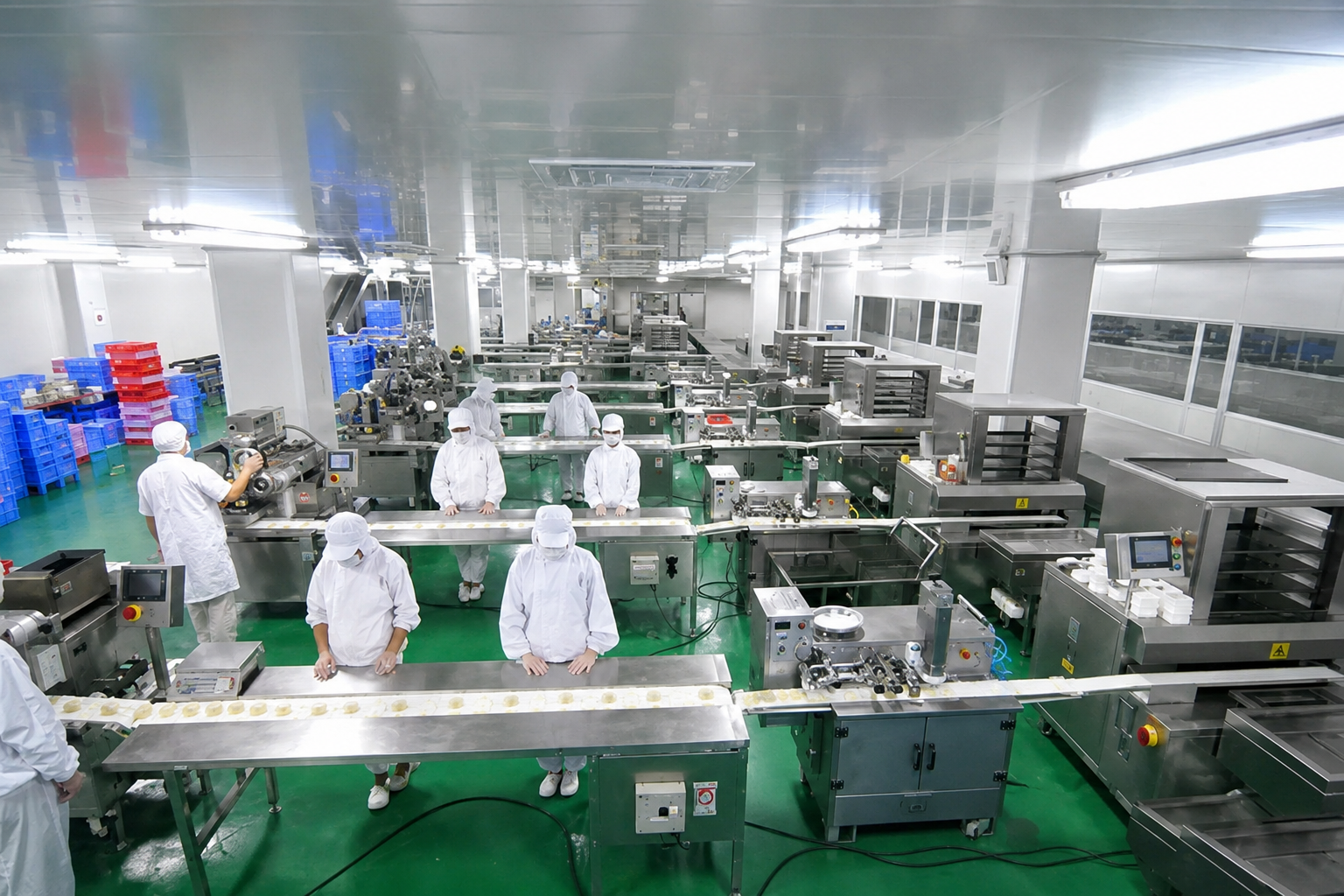
Broad Applicability, but Environmental Conditions Still Matter
Chlorine dioxide retains good oxidizing and disinfecting activity over a certain pH range. Nevertheless, temperature, relative humidity, organic load, contact time, and enclosure integrity all influence the final result. Before use in a food-processing area, the process should be validated under actual site conditions rather than applying generic parameters.
Controlled Use Makes Safety and Residues Manageable
Food manufacturers must consider not only disinfection efficacy, but also worker exposure, residues on food-contact surfaces, and equipment corrosion. Chlorine dioxide gas irritates the eyes and respiratory tract. Space disinfection must therefore be carried out in an unoccupied area with no exposed food. After treatment, ventilate thoroughly and resume production only after the re-entry criteria specified in the product instructions or confirmed by on-site measurement have been met.
Multiple Application Methods—Each Must Match the Approved Product Use
Chlorine dioxide may be applied by spraying, wiping, soaking, or space treatment. However, approved uses, concentrations, and procedures vary from product to product. A product intended for drinking water, utensils, or surface disinfection must not be repurposed for space fumigation simply because it can release chlorine dioxide. Always check the product instructions and health and safety assessment documentation before use.
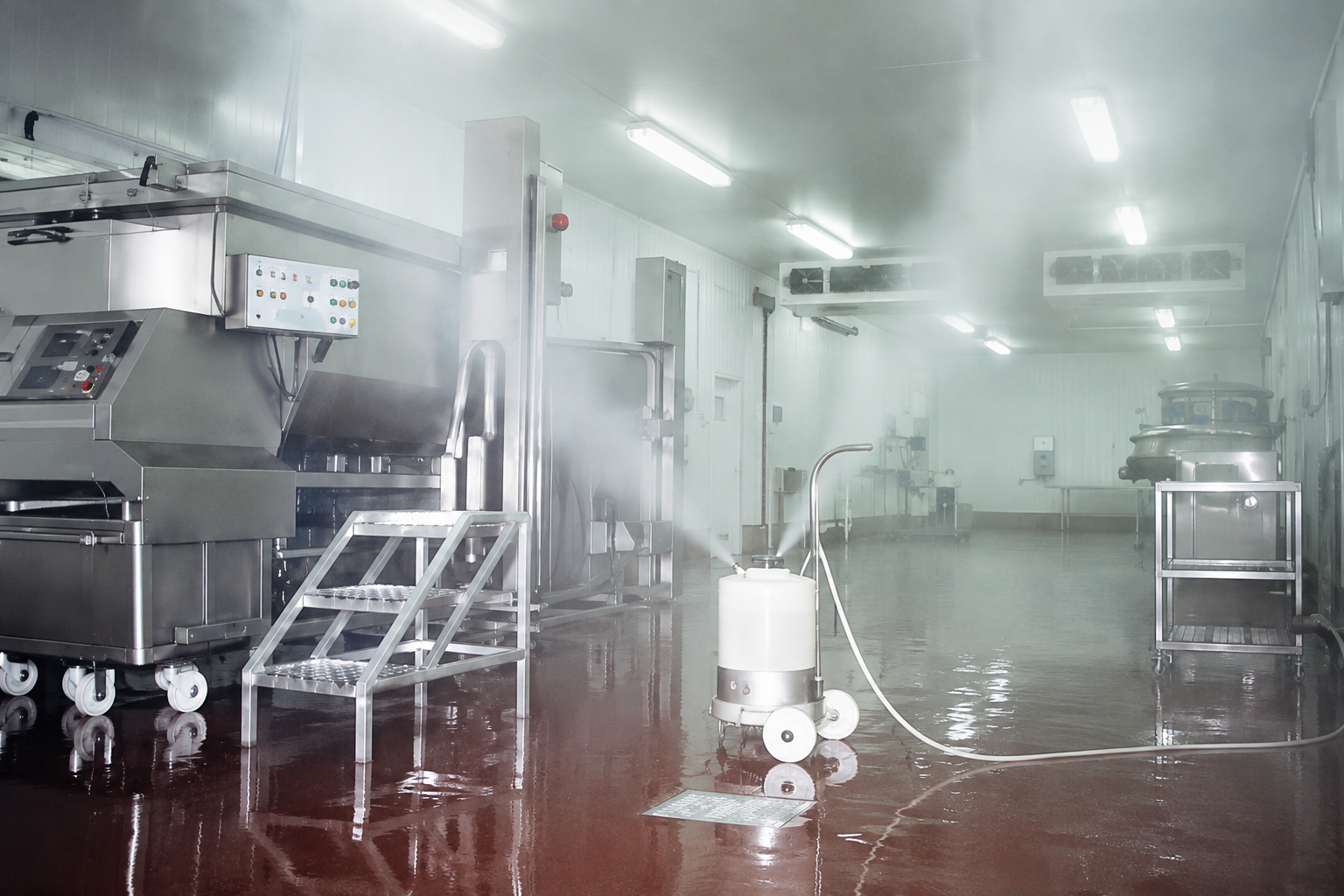
2. Operating Principles for Fumigation: Confirm Suitability First, Then Follow a Controlled Procedure
1. Pre-Treatment Preparation Checklist
Cleaning and enclosure: Remove food residues, grease, standing water, and other organic contamination. Complete routine cleaning before closing doors, windows, and ventilation openings and checking for possible leakage points. Fumigation does not replace cleaning, and enclosure measures must not compromise fire safety or emergency access.
Protecting equipment and materials: Remove exposed food, raw materials, and packaging materials that are not suitable for exposure. Cover or isolate carbon steel, copper, other corrosion-prone metals, and sensitive electronic equipment. Protection measures should be selected according to equipment materials and the product instructions.
Site assessment and placement: Treatment points must not be determined by floor area alone. Space volume, ceiling height, equipment obstructions, airflow patterns, gaps around doors and windows, and gas-circulation conditions must all be considered. Qualified personnel should determine the number and location of generation points, and site validation should confirm adequate gas distribution.
2. Determining Concentration, Dosage, and Contact Time
Chlorine dioxide products differ significantly in active composition, release mechanism, and actual release efficiency. Air-treatment concentration, surface-treatment dosage, contact time, and required environmental humidity must therefore follow the specific product instructions, test reports, and the site’s validated SOP.
Do not calculate dosage solely by using “space volume × target concentration ÷ product purity.” Actual requirements also depend on activation efficiency, gas-release rate, room leakage, temperature and humidity, and the consumption of chlorine dioxide by equipment and surfaces. Use the dosage per unit volume specified by the manufacturer or validated process parameters.
3. No Step May Be Omitted from the Standardized Procedure
After confirming that the product is authorized for air disinfection, operate it in a corrosion-resistant container or compatible generation unit exactly as instructed. Remote start-up or automated dosing should be preferred to minimize worker exposure during gas release. No one may enter during treatment. At the end of the cycle, start mechanical ventilation, allow sufficient air exchange, and permit re-entry and production only after measurement—or the method specified in the instructions—confirms that the concentration has fallen to a safe re-entry level.
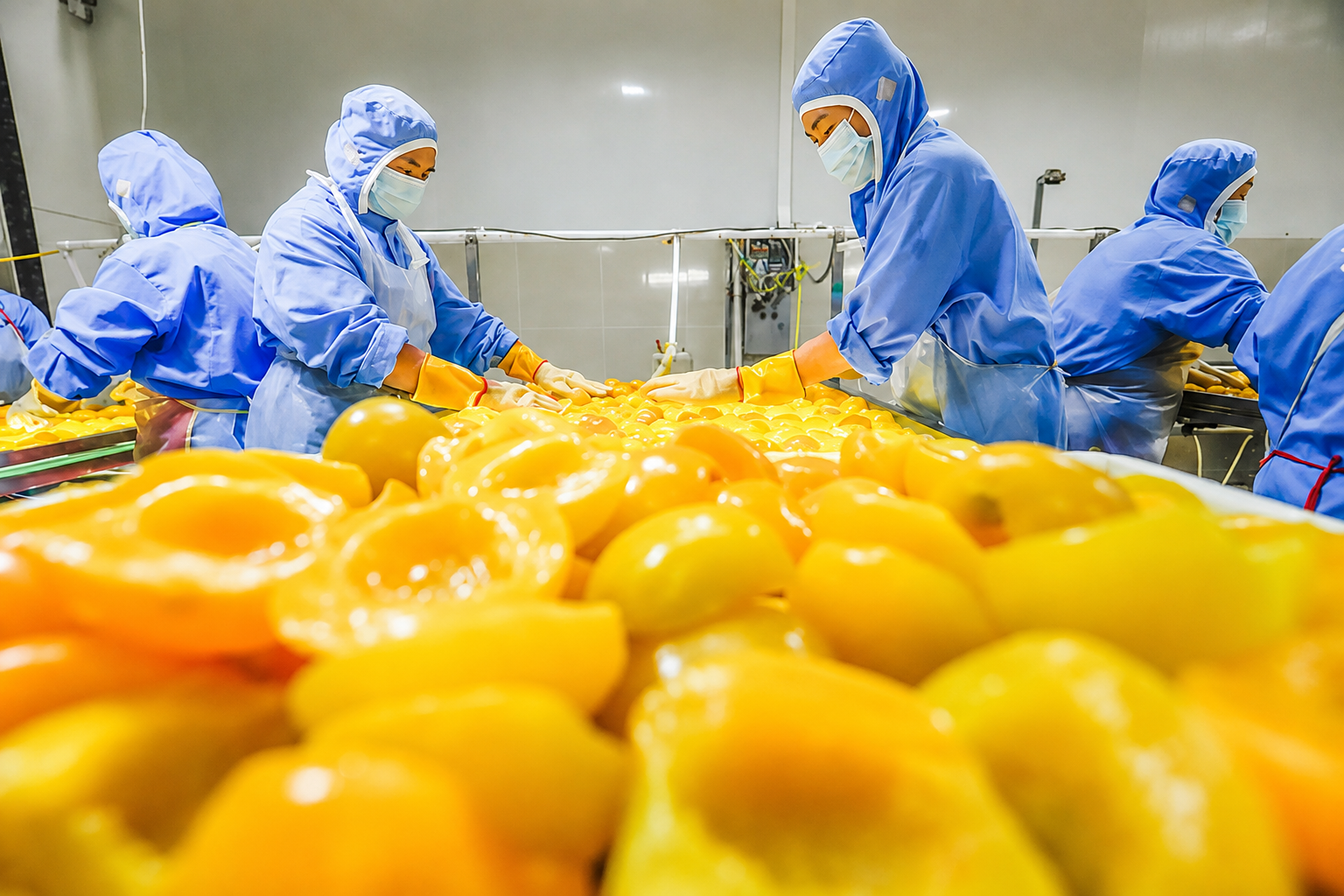
3. Essential Precautions
1. Protect People First
Operators must be trained and should select suitable respiratory protection, chemical-protective clothing, chemical-resistant gloves, and eye protection based on the product SDS and a risk assessment. The preparation area must be kept away from heat, ignition sources, and incompatible materials. In the event of a spill or leak, isolate the area immediately and follow the relevant SDS. Anyone who inhales the gas should be moved promptly to fresh air and seek medical attention if symptoms occur.
2. Protect Equipment and the Environment
Carbon-steel, copper, and other metal equipment should be protected in advance. Whether stainless-steel and other equipment require rinsing should be determined by exposure concentration and duration, material compatibility, and the product instructions. Residual solution must not be discharged directly into drains; neutralize or dispose of it in accordance with the SDS, local environmental requirements, and the site’s wastewater-management procedures.
3. Evaluate Treatment Frequency and Total Cost
Fumigation frequency should not be reduced to a fixed rule such as “no more than twice a week.” It should be determined from microbiological monitoring, production risk, contamination incidents, the cleaning and disinfection plan, and equipment tolerance. Cost evaluation should include chemicals, downtime, ventilation and testing, equipment protection, and maintenance—not just the unit price of the disinfectant.
If mold or other microbial contamination occurs in a food facility, identify the source first and improve cleaning, drainage, temperature and humidity control, and cross-contamination management. Then assess whether XIUBA chlorine dioxide disinfectant is suitable for enhanced disinfection. Under validated conditions, chlorine dioxide can help reduce microbial loads in the air and on surfaces. Effectiveness should be confirmed by settle-plate, active-air, or surface-swab testing; a reduction in airborne colony counts must not be used to claim “zero microorganisms” on equipment surfaces.
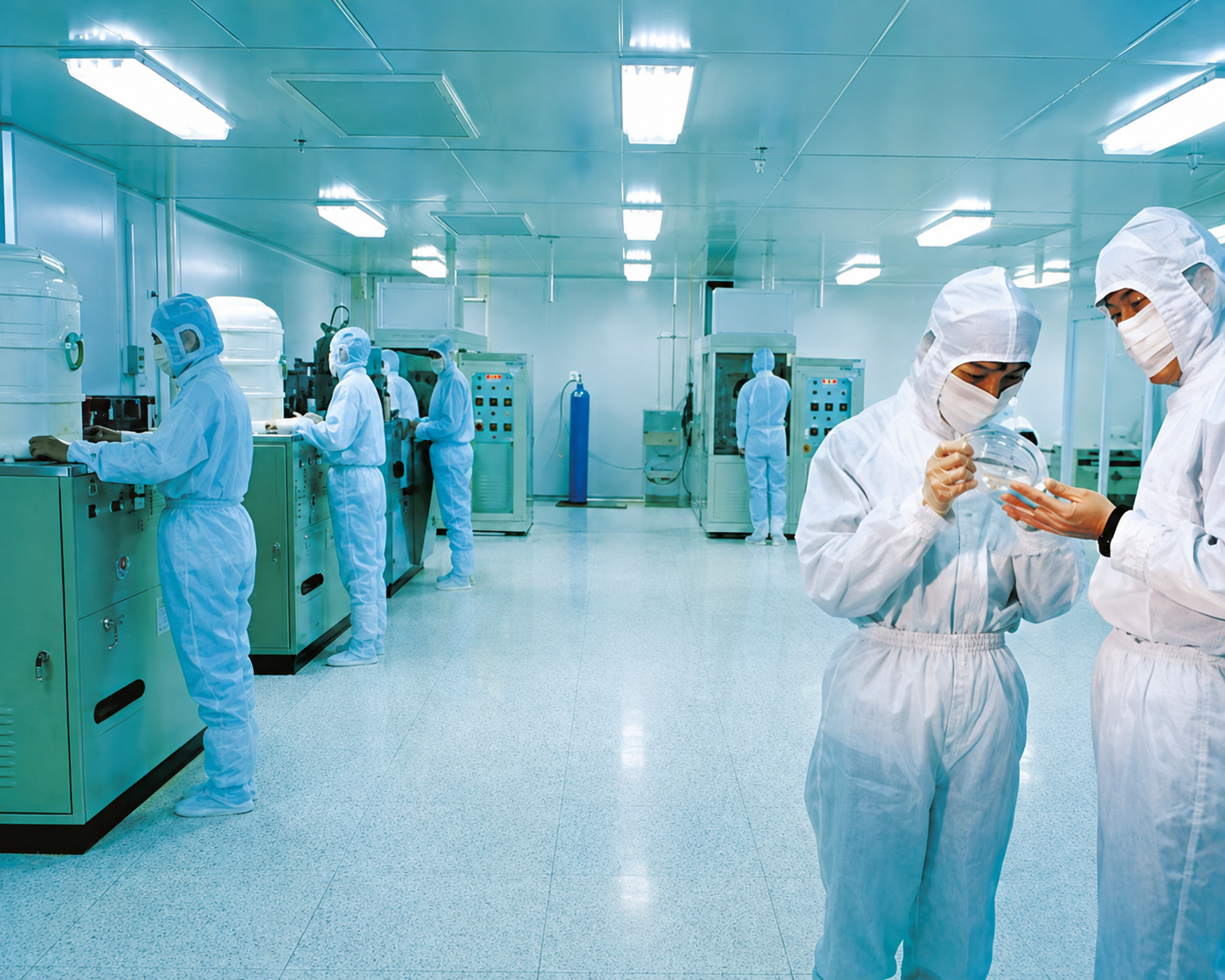
When chlorine dioxide is used for air or surface disinfection in food-processing areas, technical controls and management controls are equally important: clean first and disinfect second; strictly control the approved use, dosage, contact time, personal protection, ventilation, and re-entry criteria; and verify performance through microbiological monitoring. This is how the benefits of disinfection can be achieved while minimizing safety and corrosion risks.
Food safety is critical, and scientific disinfection is essential. For questions about chlorine dioxide product selection, approved applications, or on-site process design, leave a comment or contact our technical team for a disinfection plan based on the product instructions and actual facility conditions (Tel.: 132 5668 9305).
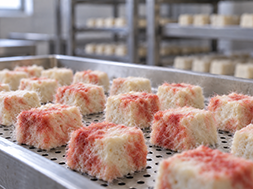
The reddish color of fermented tofu cannot be determined solely by its appearance; sampling and testing are necessary, and the abnormal product must be isolated. Relying solely on disinfectants is insufficient; equipment and the workshop environment must be thoroughly investigated. Air disinfection requires unmanned operation and material isolation. Disinfectants should be used according to specifications, and problems should be identified through a combination of production records and testing.

AB cleaning agents in food factories are prone to producing odor residues; Chlorine dioxide disinfectant can sterilize and deodorize without harmful residues. It can be diluted and used for disinfection of workshop equipment and water bodies, with matching ratios and safety operation requirements.
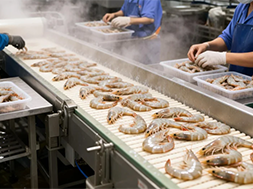
Chlorine dioxide disinfection in food production will produce harmful residues, and the water consumption of traditional large water washing is serious. Four measures can be taken to save water and reduce waste on the basis of ensuring food safety, so as to help enterprises achieve multiple benefits and win-win results.
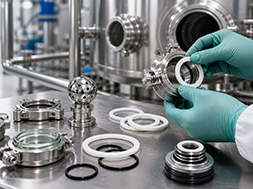
While switching from sodium hypochlorite to chlorine dioxide disinfection offers advantages such as sterilization, biofilm removal, and fewer disinfection byproducts, the strong oxidizing properties of chlorine dioxide necessitate careful consideration of production line material compatibility: 316L stainless steel should be prioritized for piping, and fluororubber or polytetrafluoroethylene (PTFE) should be used for seals, while also considering the suitability of accessories such as sight glasses and spray nozzles. The switch can be smoothly completed in three steps: establishing material records, conducting a 72-hour immersion test, and carrying out small-scale trial runs and inspections, thus preventing equipment corrosion and damage.
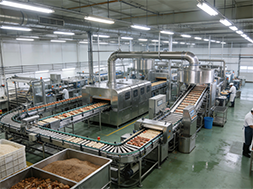
Traditional chlorine dioxide disinfection in food factories is time-consuming and reduces production capacity. Addressing pain points such as solution preparation, spraying, and ventilation monitoring, the process can be optimized in stages through equipment upgrades, zoned disinfection, scientific control of disinfection parameters, and accelerated ventilation monitoring. This phased process optimization, while ensuring safety and compliance, can shorten disinfection time by 30-50%, freeing up production capacity and improving hygiene management.
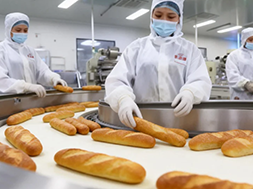
Powdered milk powder and starch dust in the powdered food workshop will absorb and consume chlorine dioxide dry fog, reducing the disinfection effect. It can solve the disinfection problems caused by dust and ensure food safety by reducing dust before disinfection, regulating the particle size of dry fog, pulse releasing agent, optimizing the air flow in the workshop, and matching other disinfection methods.
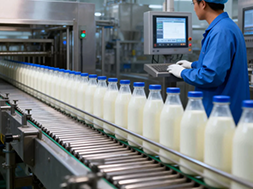
Chlorine dioxide is widely used for disinfection in water supply and food supply chains, but current issues exist regarding standards, procedures, and residue monitoring. It is necessary to standardize operating procedures, establish a comprehensive residue monitoring system, and improve risk warning and emergency response mechanisms to ensure disinfection safety from water treatment plant to table.

When using chlorine dioxide for disinfection of chocolate equipment, it is necessary to control the residue of the agent to avoid damaging the flavor and quality of the product. The preparation of the agent should be standardized, the disinfection and rinsing process optimized, and residue compliance verified through multiple methods. Since chocolate is a low-moisture food, a customized cleaning plan needs to be developed based on the specific equipment to balance safety and production stability.
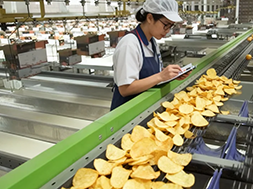
The strong oxidizing properties of chlorine dioxide can cause plastic conveyor belts in food factories to oxidize and age, with different materials exhibiting varying degrees of tolerance. To address this, a more refined approach can be taken, including controlling the concentration, shortening contact time, selecting oxidation-resistant materials, and employing differentiated disinfection methods and rotating disinfectants, thus balancing disinfection effectiveness with equipment protection.

When using chlorine dioxide for disinfection in food production, the disinfectant concentration is a critical control point in the HACCP system. Test strips are convenient to use but have a relatively large margin of error; portable testing instruments offer higher accuracy but require regular calibration and maintenance. Enterprises can adopt a three-tiered monitoring solution: primarily online sensors, supplemented by portable instrument inspection and calibration, and emergency verification using test strips. This enables continuous monitoring, data retention and traceability, ensuring both disinfection effectiveness and food safety.
Northeast of Huangshan Road and Chuangye Intersection, Small and Medium sized Enterprise Entrepreneurship Industrial Park, Shanwang Town, Linqu County, Weifang City, Shandong Province
Copyright © 2025 by Shandong Huashi Pharmaceutical Co., Ltd All Rights Reserved


 Language
 中文
中文 Русский
 Chlorine Dioxide Disinfectant Manufacturer


