Welcome to Our Factory for a Visit! Free customized disinfection solutions

AI × Food — Industrial Upgrading from Smart Production to Quality Control
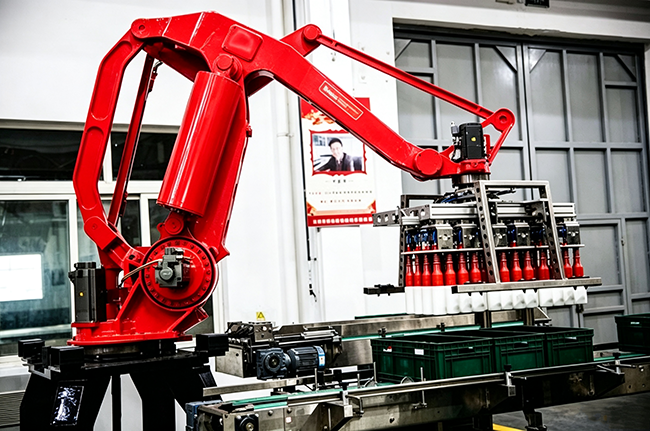
In the batching area of a food-processing plant, an intelligent weighing system can combine material identification, recipe management, and electronic weighing data to verify the type and quantity of ingredients in real time. Machine-vision and IoT devices can collect information on packaging, labels, and operator actions. If the added quantity exceeds the process tolerance or the wrong material is used, the system can automatically trigger an alert.
This digitalized scenario reflects a broader transformation in food manufacturing. With sensors, the Internet of Things, data analytics, and machine learning, production is gradually shifting from reliance on human experience toward data-assisted decision-making. From raw-material traceability and process optimization to process control and quality tracking, machine vision, edge computing, and data platforms are becoming important tools in the digital upgrading of food factories.
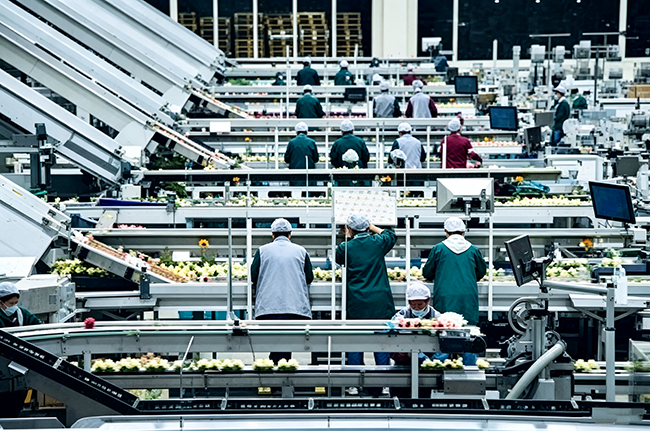
Global Adoption of AI in Food Is Accelerating: From R&D to Production
As generative AI, machine vision, and industrial data analytics advance, more food companies are applying AI to R&D, production, quality control, and marketing. However, maturity and returns vary considerably across use cases:
Coca-Cola launched its limited-edition Y3000 product, incorporating AI into flavor ideation and package-visual design while combining consumer insights with human creativity during product development;
Nestlé and other food companies are deploying machine-vision and data-analytics systems at selected factories for quality inspection, equipment operations, and reduction of production losses;
Unilever and other companies are also using AI to support formulation development, consumer insights, and product innovation, helping shorten testing and screening in selected stages of R&D.
Chinese food companies are also accelerating their digital transformation. Mengniu’s Ningxia plant joined the World Economic Forum’s Global Lighthouse Network through end-to-end digitalization and intelligent operations, with public case information showing a substantial reduction in delivery lead time. Hsu Fu Chi and other food companies are also exploring data analytics to optimize baking and other process parameters. AI is becoming an important component of the food industry’s digital infrastructure, but its value still depends on a solid foundation of automation, sensors, data governance, and standardized management.
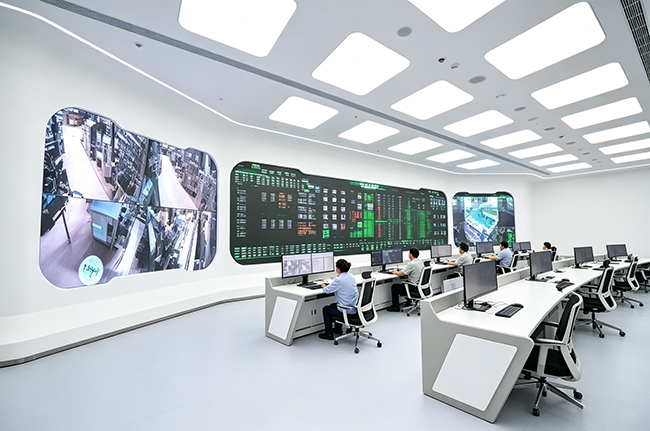
AI in Food Processing: Five Typical Application Scenarios
1. Production Processes: From Manual Control to Intelligent Control
Traditional production lines often rely on manual inspections and experience-based adjustments. Where sufficient data and stable processes are available, AI can assist production decisions:
Parameter optimization: By analyzing historical production data and quality results, models can help optimize baking, mixing, temperature control, and other process parameters to improve product consistency;
Resource management: Intelligent control systems can combine flow, energy-consumption, and water-treatment data to optimize water and energy scheduling, although actual recycling rates still depend on the process and equipment capabilities;
Dynamic scheduling: Mengniu’s Ningxia plant connects numerous pieces of equipment and production stages through digital systems. Public Lighthouse case information reports an operating-cost reduction of approximately 32%.
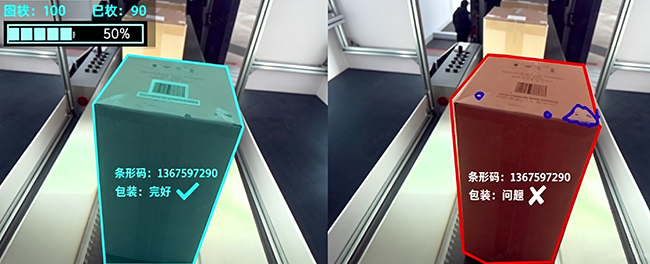
2. Quality Inspection: AI-Assisted Anomaly Detection
Food safety is central to production management. AI can assist with visual recognition, behavior monitoring, and process-data analysis, but it cannot replace inspections and testing required by regulations:
Visual inspection: Machine vision can identify damaged packaging, label abnormalities, foreign matter, and appearance defects, while human review can be used to improve inspection reliability and efficiency;
Real-time monitoring: Some “transparent factory” programs use video analytics to identify behaviors such as improper use of protective clothing and provide early-warning information for on-site management;
Ingredient control: Intelligent weighing systems can automatically verify added quantities against recipe targets, measuring-equipment accuracy, and process tolerances, and issue an immediate alert when a value falls outside the permitted range.
3. Product R&D: Data-Driven Support for Innovation
AI is becoming a “digital assistant” for food R&D teams. It can help organize sensory data, screen formulation directions, and analyze consumer preferences, but final decisions still require sample trials, sensory evaluation, and quality validation:
Flavor mapping: Some food companies work with AI technology firms to build sensory databases that support analysis of flavor characteristics and R&D directions for coffee, beverages, and other products;
Market insights: Food companies can analyze consumer research, e-commerce, and market data to understand regional flavor and nutrition preferences and inform product positioning;
Biomanufacturing: Companies such as Zelixir combine AI-based protein-structure computation, enzyme discovery, and synthetic biology to optimize biosynthetic pathways for natural flavors and other products and support their industrialization.
4. Supply Chain: From Reactive Response to Data-Driven Forecasting
AI can improve forecasting and scheduling capabilities in supply chains, but results depend on data quality, business processes, and the degree of system integration:
Demand forecasting: Retailers and food companies can combine historical sales, weather, holidays, and other data to forecast demand and support inventory and purchasing plans;
Logistics optimization: Distribution companies can use algorithms to plan routes, vehicles, warehousing, and delivery resources, reducing empty mileage and waiting time in complex operating environments;
Traceability and anti-counterfeiting: Digital traceability platforms such as IBM Food Trust primarily use blockchain and supply-chain data sharing to improve batch-traceability transparency. They are digital traceability tools rather than typical AI applications.
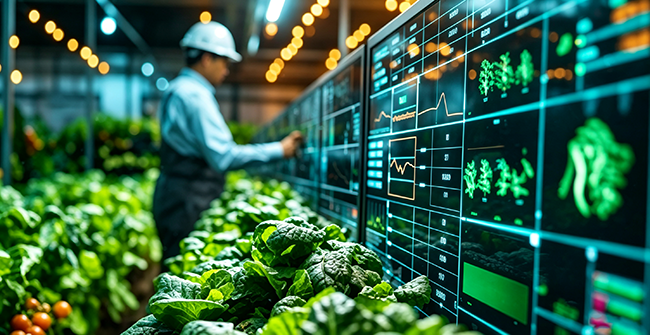
5. Digitalization and Intelligent Control: Gains in Both Sustainability and Efficiency
AI, automated control, and energy-management systems can work together to help food factories reduce resource consumption, but the actual contribution of each technology should be distinguished:
Clean energy: Photovoltaic power generation is an energy technology in its own right and can be combined with intelligent energy-management systems to coordinate generation, consumption, and load scheduling;
Precision resource control: Machine vision, predictive maintenance, and process optimization can help detect production abnormalities and reduce rework and raw-material losses;
Packaging optimization: Algorithms can assist multi-objective optimization of package structure, material usage, and transport efficiency, while actual material savings must be confirmed through prototyping and validation.
Outlook: Three Trends for AI in China’s Food Industry
1. Data Governance and Value Creation: From Experience-Based Factories to Data-Driven Factories
As accounting rules for enterprise data resources continue to develop, data resources that meet the definition and recognition criteria for assets may be accounted for in accordance with applicable enterprise accounting standards. This is likely to encourage food companies to place greater emphasis on governance of production, quality, and business data. Small and medium-sized enterprises can also use cloud-based AI services to lower deployment barriers, but data involving formulations, processes, consumers, and supply chains should be protected through access control, de-identification, and safeguards for trade secrets.
2. End-to-End Collaboration: Breaking Down Information Silos
AI applications are moving from isolated tools toward collaboration across R&D, production, quality, warehousing, and logistics. Achieving genuine end-to-end optimization first requires connecting data interfaces among ERP, MES, quality-management, warehousing/logistics, and traceability systems, while establishing unified data standards and access-control frameworks.
3. Broader Access to Technology: Opportunities for Small and Medium-Sized Food Companies
Cloud services, standardized industrial software, and industry-university-research collaboration are lowering the threshold for AI adoption. Small and medium-sized enterprises should prioritize use cases with clear return on investment and a sound data foundation:
For example, companies can start with relatively mature applications such as package-appearance inspection, predictive maintenance, energy-consumption analysis, and production-scheduling assistance, then expand gradually based on measured results;
Digital-transformation support policies continue to evolve across different regions. Companies should evaluate upgrade plans in light of local policies, industry requirements, and their own technical foundations, rather than investing simply for the sake of “using AI.”
As AI begins to participate in flavor analysis, quality inspection, and production scheduling, the ways food products are developed and manufactured are changing. The core of this transformation is not to replace food engineers with algorithms, but to make data and models more effective supporting tools.
In the future, AI will play a role in an increasing number of food-production scenarios. Companies should nevertheless build on the fundamentals of food safety, process stability, and compliant management, selecting applications that match their products, equipment, and data conditions. Valuable intelligent transformation is not measured by how many “AI” labels are used, but by whether it delivers sustained improvements in quality, efficiency, and traceability.
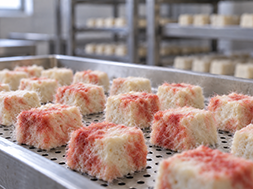
The reddish color of fermented tofu cannot be determined solely by its appearance; sampling and testing are necessary, and the abnormal product must be isolated. Relying solely on disinfectants is insufficient; equipment and the workshop environment must be thoroughly investigated. Air disinfection requires unmanned operation and material isolation. Disinfectants should be used according to specifications, and problems should be identified through a combination of production records and testing.
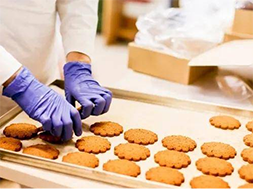
AB cleaning agents in food factories are prone to producing odor residues; Chlorine dioxide disinfectant can sterilize and deodorize without harmful residues. It can be diluted and used for disinfection of workshop equipment and water bodies, with matching ratios and safety operation requirements.
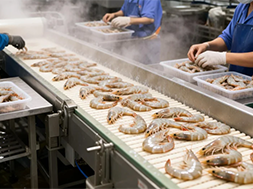
Chlorine dioxide disinfection in food production will produce harmful residues, and the water consumption of traditional large water washing is serious. Four measures can be taken to save water and reduce waste on the basis of ensuring food safety, so as to help enterprises achieve multiple benefits and win-win results.
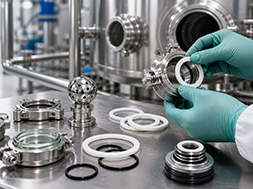
While switching from sodium hypochlorite to chlorine dioxide disinfection offers advantages such as sterilization, biofilm removal, and fewer disinfection byproducts, the strong oxidizing properties of chlorine dioxide necessitate careful consideration of production line material compatibility: 316L stainless steel should be prioritized for piping, and fluororubber or polytetrafluoroethylene (PTFE) should be used for seals, while also considering the suitability of accessories such as sight glasses and spray nozzles. The switch can be smoothly completed in three steps: establishing material records, conducting a 72-hour immersion test, and carrying out small-scale trial runs and inspections, thus preventing equipment corrosion and damage.
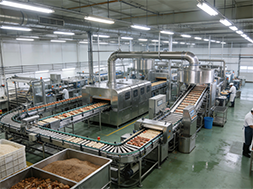
Traditional chlorine dioxide disinfection in food factories is time-consuming and reduces production capacity. Addressing pain points such as solution preparation, spraying, and ventilation monitoring, the process can be optimized in stages through equipment upgrades, zoned disinfection, scientific control of disinfection parameters, and accelerated ventilation monitoring. This phased process optimization, while ensuring safety and compliance, can shorten disinfection time by 30-50%, freeing up production capacity and improving hygiene management.
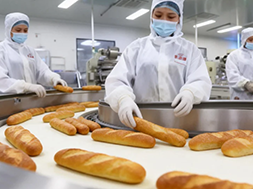
Powdered milk powder and starch dust in the powdered food workshop will absorb and consume chlorine dioxide dry fog, reducing the disinfection effect. It can solve the disinfection problems caused by dust and ensure food safety by reducing dust before disinfection, regulating the particle size of dry fog, pulse releasing agent, optimizing the air flow in the workshop, and matching other disinfection methods.
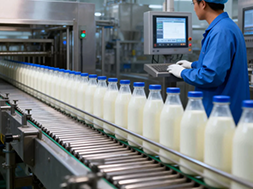
Chlorine dioxide is widely used for disinfection in water supply and food supply chains, but current issues exist regarding standards, procedures, and residue monitoring. It is necessary to standardize operating procedures, establish a comprehensive residue monitoring system, and improve risk warning and emergency response mechanisms to ensure disinfection safety from water treatment plant to table.

When using chlorine dioxide for disinfection of chocolate equipment, it is necessary to control the residue of the agent to avoid damaging the flavor and quality of the product. The preparation of the agent should be standardized, the disinfection and rinsing process optimized, and residue compliance verified through multiple methods. Since chocolate is a low-moisture food, a customized cleaning plan needs to be developed based on the specific equipment to balance safety and production stability.
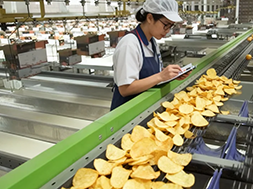
The strong oxidizing properties of chlorine dioxide can cause plastic conveyor belts in food factories to oxidize and age, with different materials exhibiting varying degrees of tolerance. To address this, a more refined approach can be taken, including controlling the concentration, shortening contact time, selecting oxidation-resistant materials, and employing differentiated disinfection methods and rotating disinfectants, thus balancing disinfection effectiveness with equipment protection.
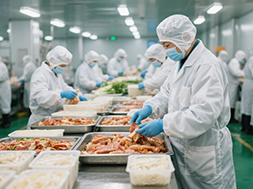
When using chlorine dioxide for disinfection in food production, the disinfectant concentration is a critical control point in the HACCP system. Test strips are convenient to use but have a relatively large margin of error; portable testing instruments offer higher accuracy but require regular calibration and maintenance. Enterprises can adopt a three-tiered monitoring solution: primarily online sensors, supplemented by portable instrument inspection and calibration, and emergency verification using test strips. This enables continuous monitoring, data retention and traceability, ensuring both disinfection effectiveness and food safety.
Northeast of Huangshan Road and Chuangye Intersection, Small and Medium sized Enterprise Entrepreneurship Industrial Park, Shanwang Town, Linqu County, Weifang City, Shandong Province
Copyright © 2025 by Shandong Huashi Pharmaceutical Co., Ltd All Rights Reserved


 Language
 中文
中文 Русский
 Chlorine Dioxide Disinfectant Manufacturer


