Welcome to Our Factory for a Visit! Free customized disinfection solutions
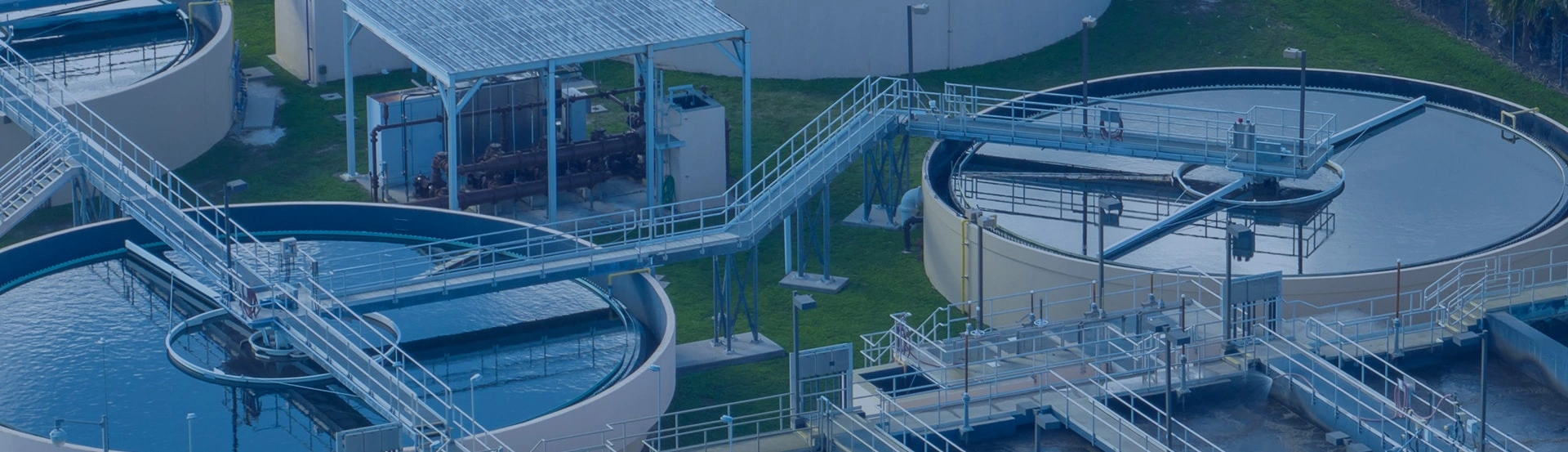

A water plant in a county in Qinghai Province with a capacity of 30,000 cubic meters per day was found to have excessive byproducts from sodium hypochlorite disinfection. It was upgraded to a Xiuba chlorine dioxide dosing system. Four on-site tests showed that residual chlorine dioxide in the effluent was within acceptable limits, achieving stable compliance. Water treatment upgrades need to be tailored to specific on-site conditions to create a complete closed-loop disinfection process.
Township water plants are gradually replacing sodium hypochlorite with chlorine dioxide for disinfection. Chlorine dioxide has higher sterilization efficiency, is adaptable to a wide range of acidic and alkaline water qualities, does not produce carcinogenic disinfection byproducts, and can also remove algae, deodorize, and clean biofilm in pipe networks. The supporting equipment can intelligently and precisely add chlorine dioxide, resulting in lower long-term chemical consumption and operation and maintenance costs, and can stably improve the quality of water leaving the plant, meeting the needs of rural water supply quality improvement.
my country's complex water sources generally suffer from pH fluctuations, and conventional disinfection processes are prone to problems such as unstable effectiveness and excessive byproducts. Chlorine dioxide can stably kill bacteria in the pH range of 4-10, which is superior to traditional chlorine-containing disinfectants. Xiuba high-purity chlorine dioxide has outstanding byproduct control capabilities, is suitable for various water qualities, and also provides a variety of products and supporting technical services.
The water plant relies on its technological equipment and real-time monitoring and control of water quality. Staff take samples on-site for testing, purifying the water source at each stage. From the water plant to the household, multiple links work together to protect the safety of residents' drinking water.
Remove algae, rust, and microbial contamination from secondary water supply tanks, and conduct standardized cleaning and disinfection, water quality testing, safe operation, and daily maintenance to reduce the risk of secondary pollution.
Both ozone and chlorine dioxide disinfection processes in bottled water plants have their own environmental management challenges. While chlorine dioxide can reduce the pressure of waste gas treatment, it poses risks of gas volatilization and byproducts, requiring the use of closed negative pressure absorption facilities and cannot claim zero emissions. The article clarifies the special evaluation criteria for air pollution near residential areas of the plant area, provides key points for equipment selection, and advocates relying on actual measurement data to achieve compliant low waste gas emissions.
Pipeline transportation consumes chlorine dioxide, and secondary replenishment in pump stations can easily lead to excessively high local concentrations that corrode pipelines. This can be addressed by using flow-linked dosing, mixing the agent with a pipeline mixer, and controlling the dosage in a closed-loop manner with an online residual chlorine meter; simultaneously monitoring dissolved oxygen and corrosion potential, supplementing with corrosion inhibitors and adjusting pH, thus achieving both disinfection and pipeline protection.
To address the issue of uneven chlorine dioxide disinfection effectiveness caused by the mixing of new and old pipe networks in water plants, this paper proposes a differentiated dosing strategy involving zoning, dynamic adjustments, and end-point chlorination. Through precise control, this strategy can effectively stabilize residual chlorine in the pipe network, control disinfection byproducts, and protect the pipe network from corrosion, providing a reference for the disinfection operation and maintenance of similar water plants.
Dead zones in the clear water tank of a water plant can easily lead to substandard disinfection CT values. Based on fluid dynamics, four in-tank flow optimization methods are proposed to improve hydraulic conditions, eliminate stagnation zones, and stabilize the disinfection effect of chlorine dioxide.
Chlorine dioxide is a WHO-recognized Class A safe drinking water disinfectant. Disinfection produces residues such as chlorine dioxide and chlorite, but national water quality standards have strict limits on these residues. Through precise dosing, high-quality equipment, process optimization, and real-time monitoring throughout the entire process, disinfection byproducts can be effectively controlled, ensuring drinking water safety.
Northeast of Huangshan Road and Chuangye Intersection, Small and Medium sized Enterprise Entrepreneurship Industrial Park, Shanwang Town, Linqu County, Weifang City, Shandong Province
Copyright © 2025 by Shandong Huashi Pharmaceutical Co., Ltd All Rights Reserved


 Language
 中文
中文 Русский
 Chlorine Dioxide Disinfectant Manufacturer


